
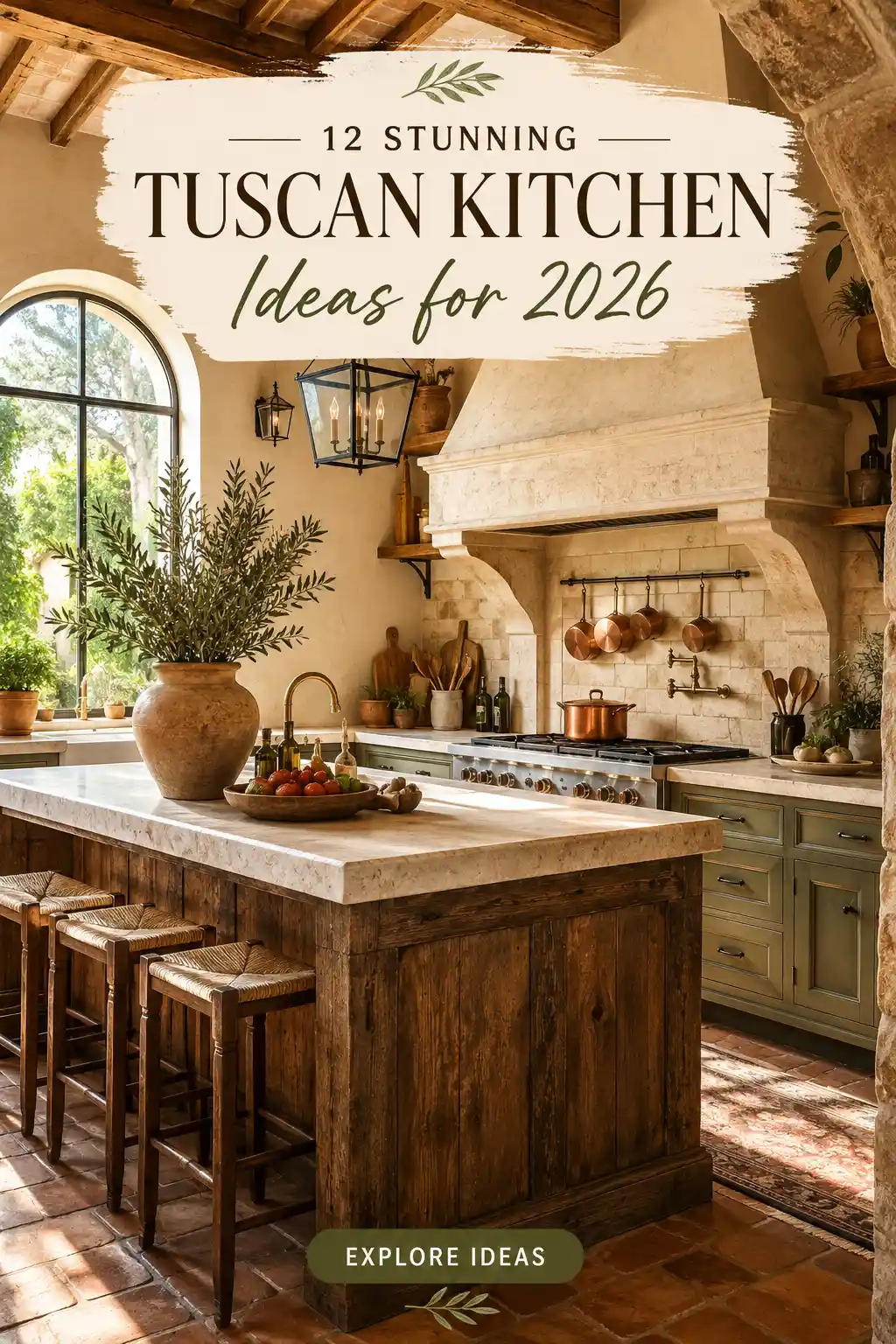
Bringing the soul of the Italian countryside into your home is all about balancing rustic warmth with timeless sophistication. As we look toward 2026, Tuscan kitchen design is evolving, moving away from heavy overlays toward a more refined, organic interpretation of Mediterranean living. By blending natural stone, earthy palettes, and handcrafted architectural details, you can create a culinary space that feels both historic and fresh. Whether you are planning a full remodel or simply adding a few characteristic accents, these ideas will help you achieve that coveted old-world charm with a modern, functional twist.
Reclaimed Wood Beams and Rustic Warmth
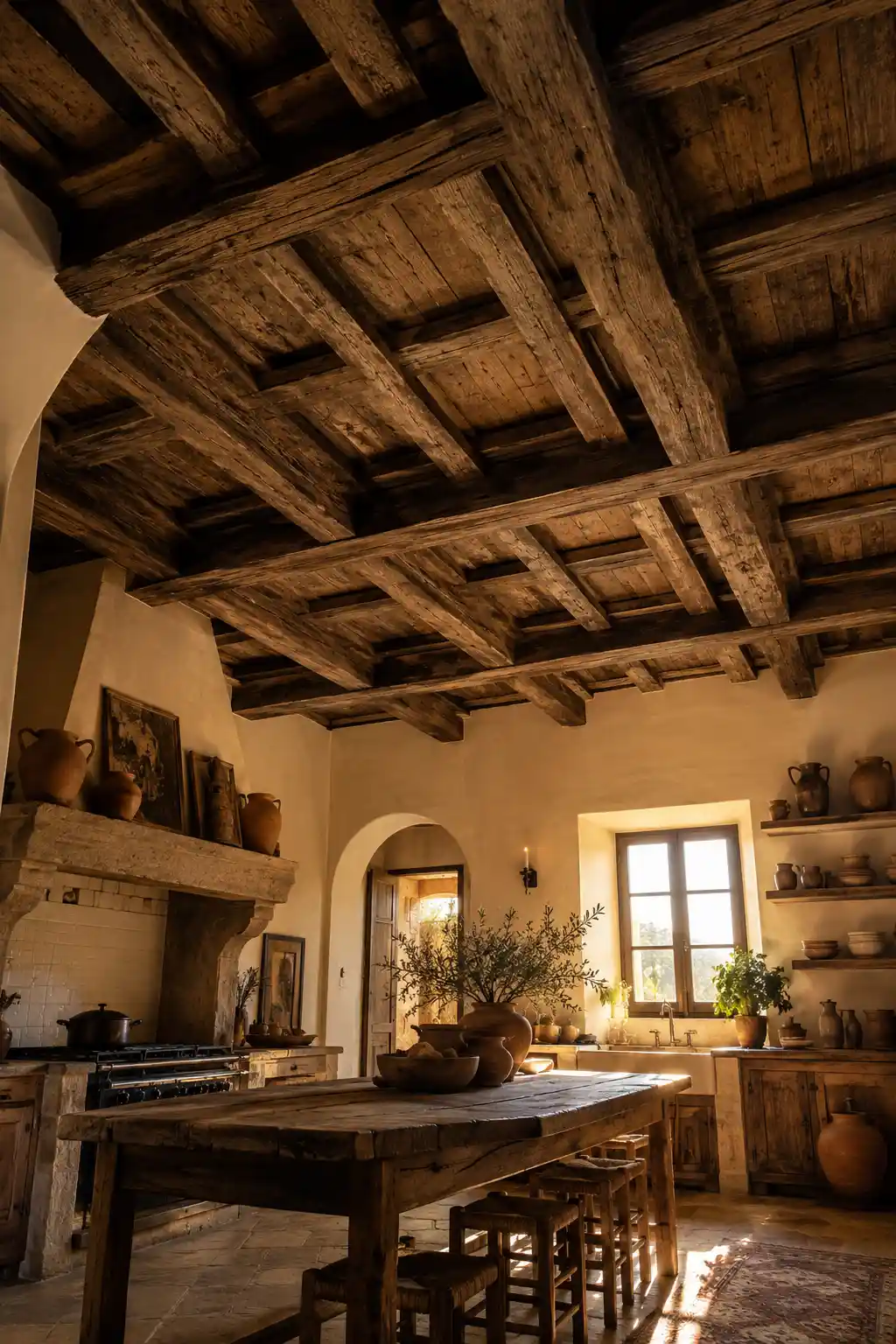
One of the most defining characteristics of a true Italian countryside kitchen is the presence of exposed structural elements. Incorporating reclaimed wood beams across the ceiling immediately anchors the room in a sense of history and permanence. For 2026, the trend is moving toward more organic, weathered finishes rather than polished stains. By pairing these heavy architectural elements with soft, cream-colored walls and a chunky farmhouse table, you create a space that feels grounded and welcoming. This design choice adds essential vertical interest and a tactile quality that makes the kitchen feel lived-in and authentic.
Moody Charcoal and Polished Brass Accents
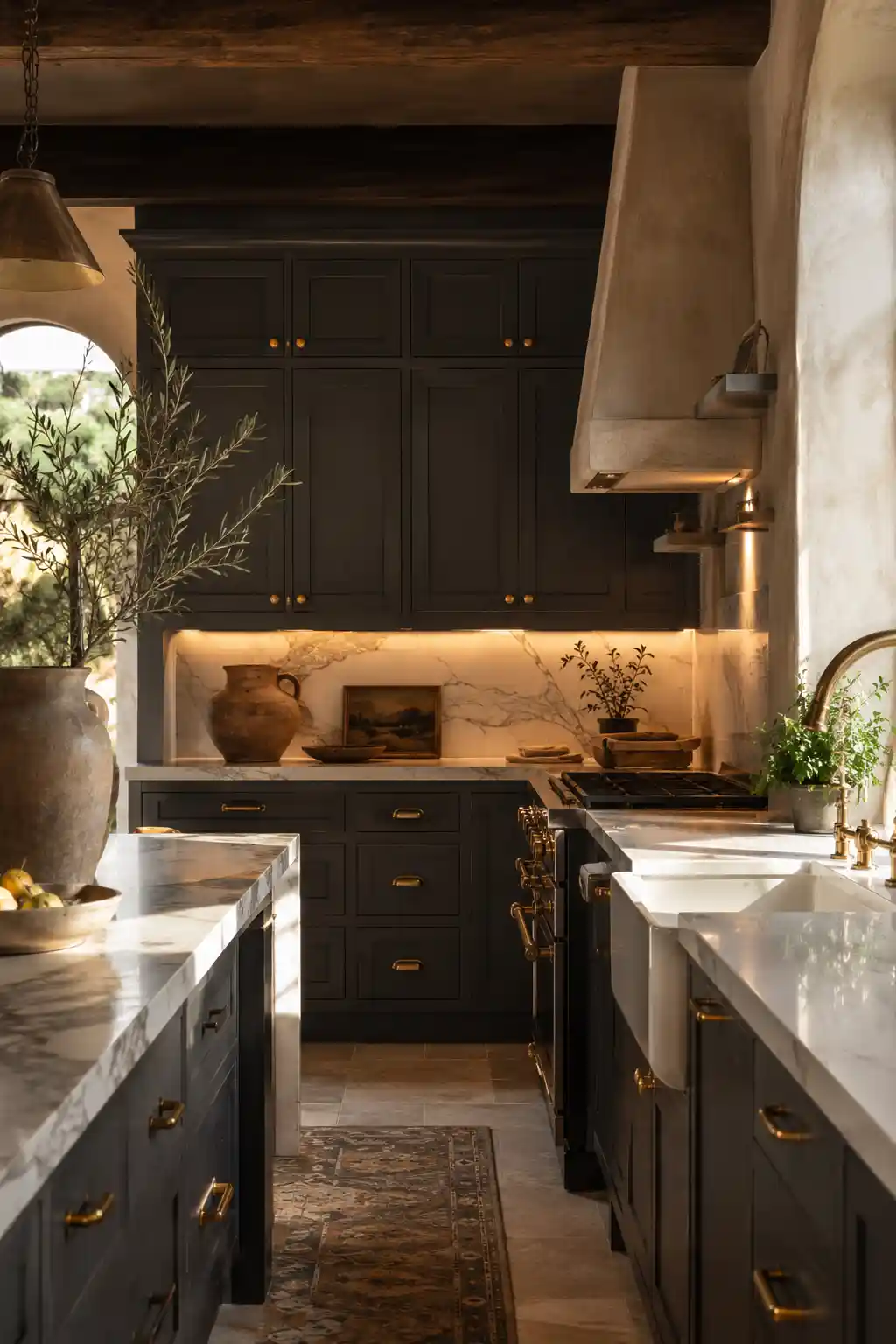
For those who want a more dramatic take on Tuscan style, a moodier color palette is an excellent choice. Deep charcoal or slate grey cabinetry provides a sophisticated backdrop that makes metallic accents truly pop. Pairing these dark tones with polished brass or gold hardware introduces a layer of luxury and warmth, preventing the space from feeling too cold. This combination bridges the gap between old-world Mediterranean charm and contemporary high-end design. It is particularly effective in kitchens with ample natural light, as the contrast creates a dynamic visual energy that feels both intimate and expansive.
Grand Arched Doorways and Architectural Flow
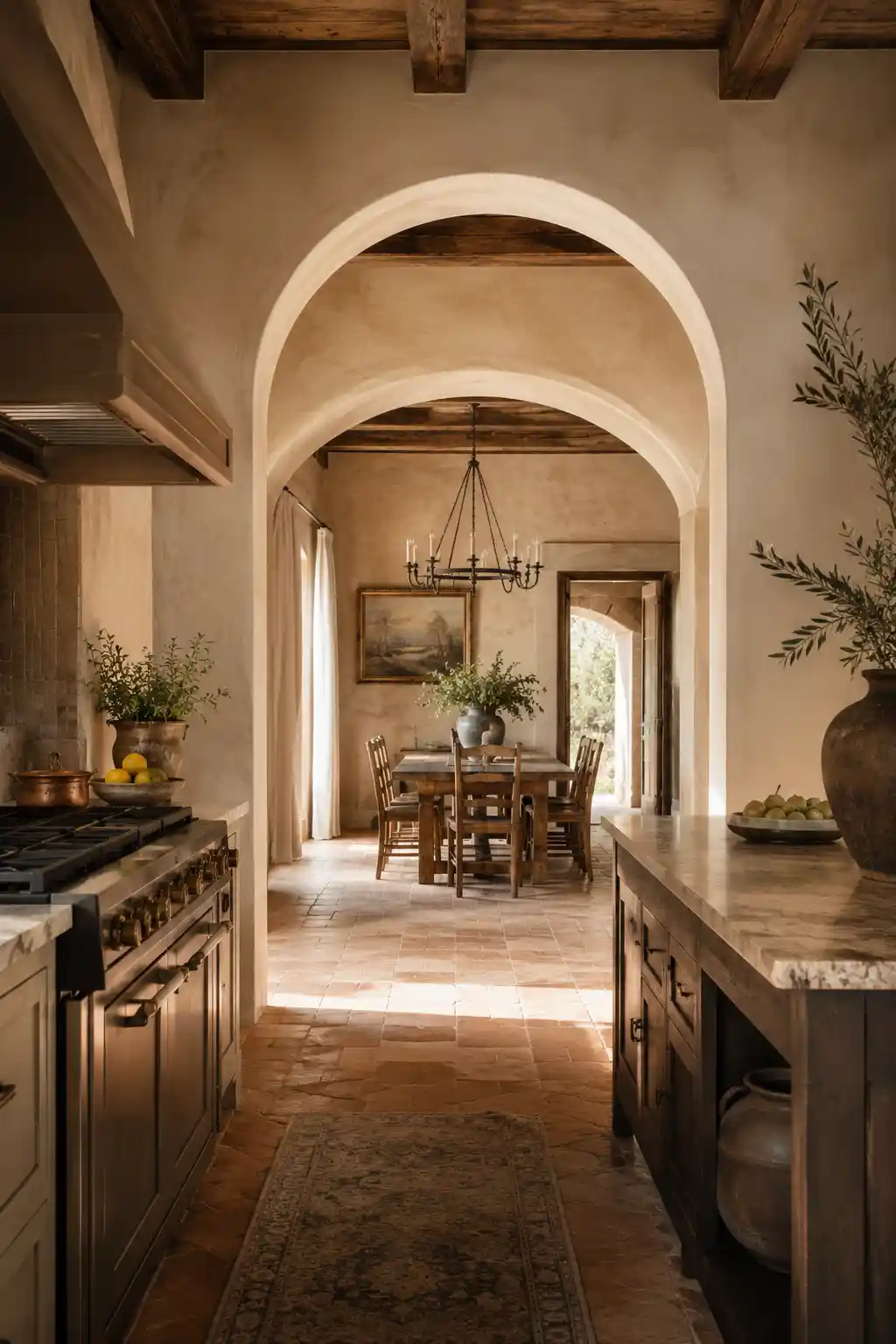
Architecture plays a pivotal role in achieving an authentic Tuscan aesthetic. Replacing standard rectangular door frames with soft, sweeping arches instantly transforms a kitchen into a Mediterranean sanctuary. These curves mimic the organic lines found in historic Italian villas, creating a more fluid and inviting transition between the cooking and living areas. To enhance this look, use a textured plaster finish on the walls in a warm sand or ochre tone. This approach emphasizes the structural beauty of the home and encourages a slower, more mindful pace of movement throughout the space.
Modern Farmhouse Hybrid with Earthy Tones
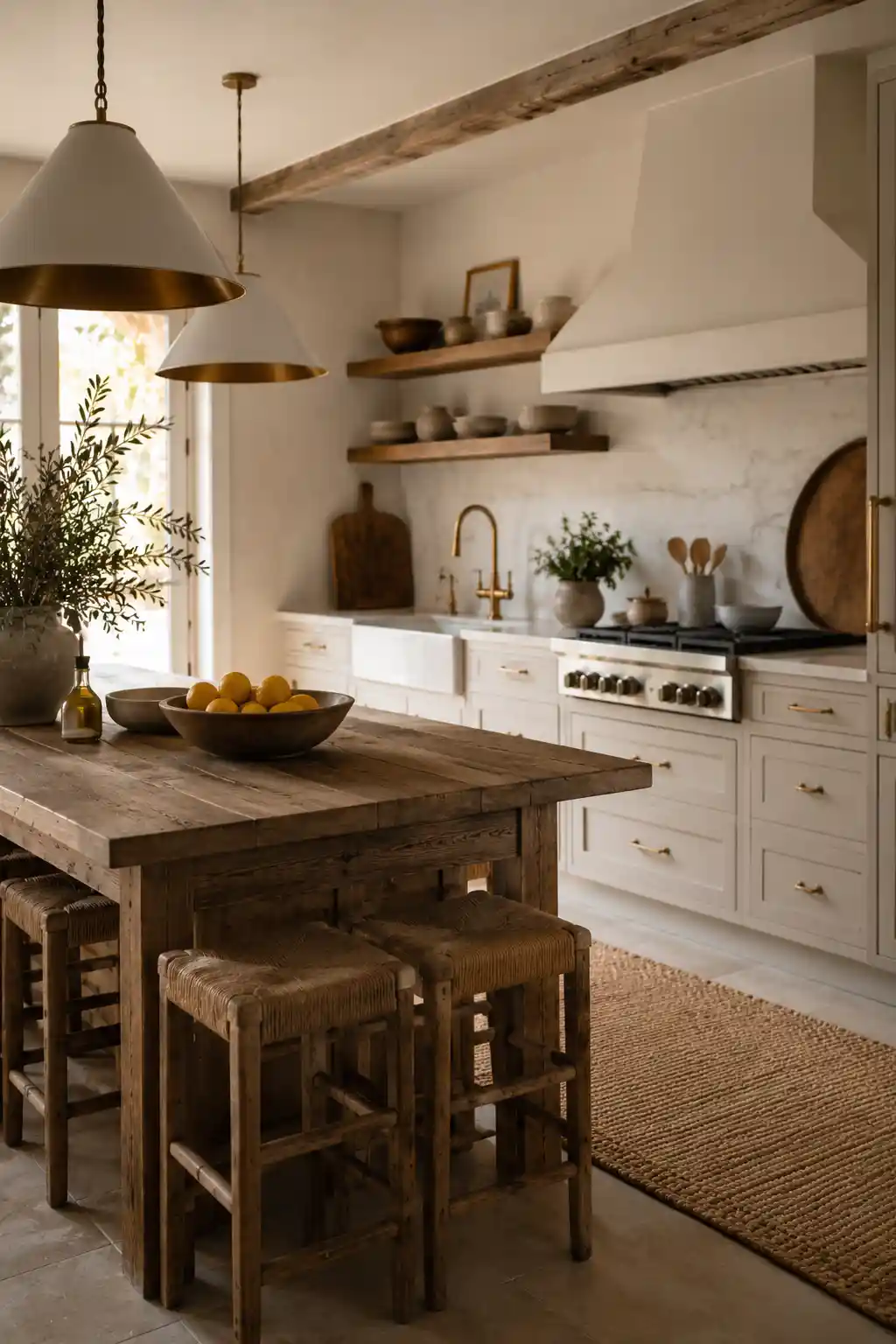
The hybrid approach blends the clean lines of modern farmhouse design with the rich, earthy textures of Tuscany. This style is perfect for homeowners who love the Mediterranean vibe but prefer a brighter, more open feel. By combining crisp white cabinetry with a heavy, reclaimed wood island, you achieve a balance of sterility and warmth. Adding natural accessories—such as woven baskets, linen tea towels, and bowls of fresh citrus—introduces layers of texture and color. This design philosophy ensures the kitchen remains highly functional for daily use while still evoking the spirit of a countryside retreat.
Sun-Drenched Terracotta and Warm Stone

Nothing says Tuscany quite like the warmth of terracotta. Utilizing these earthy, reddish-orange tiles on the floor creates an immediate sense of heat and hospitality. To keep the space from feeling too heavy, pair the flooring with light-toned woods and creamy stone surfaces. The interplay between the rugged texture of the clay and the smooth finish of the countertops creates a balanced sensory experience. This palette is designed to maximize the effect of natural sunlight, making the kitchen feel like a sun-soaked sanctuary regardless of the actual weather outside.
Luxury Estate Grandeur with Statement Hoods

For a kitchen that makes a bold statement, look toward the grandeur of an Italian estate. The focal point here is often a dramatic range hood, whether it is crafted from carved stone or ornate plaster. When paired with a massive center island in a rich, jewel-toned hue like olive green or deep burgundy, the room takes on an architectural significance. This style is all about scale and proportion, utilizing high ceilings and oversized fixtures to create a sense of awe. It is a luxurious interpretation of the Tuscan style that feels timeless, opulent, and deeply rooted in tradition.
Refined Creamy Neutrals and Calacatta Marble
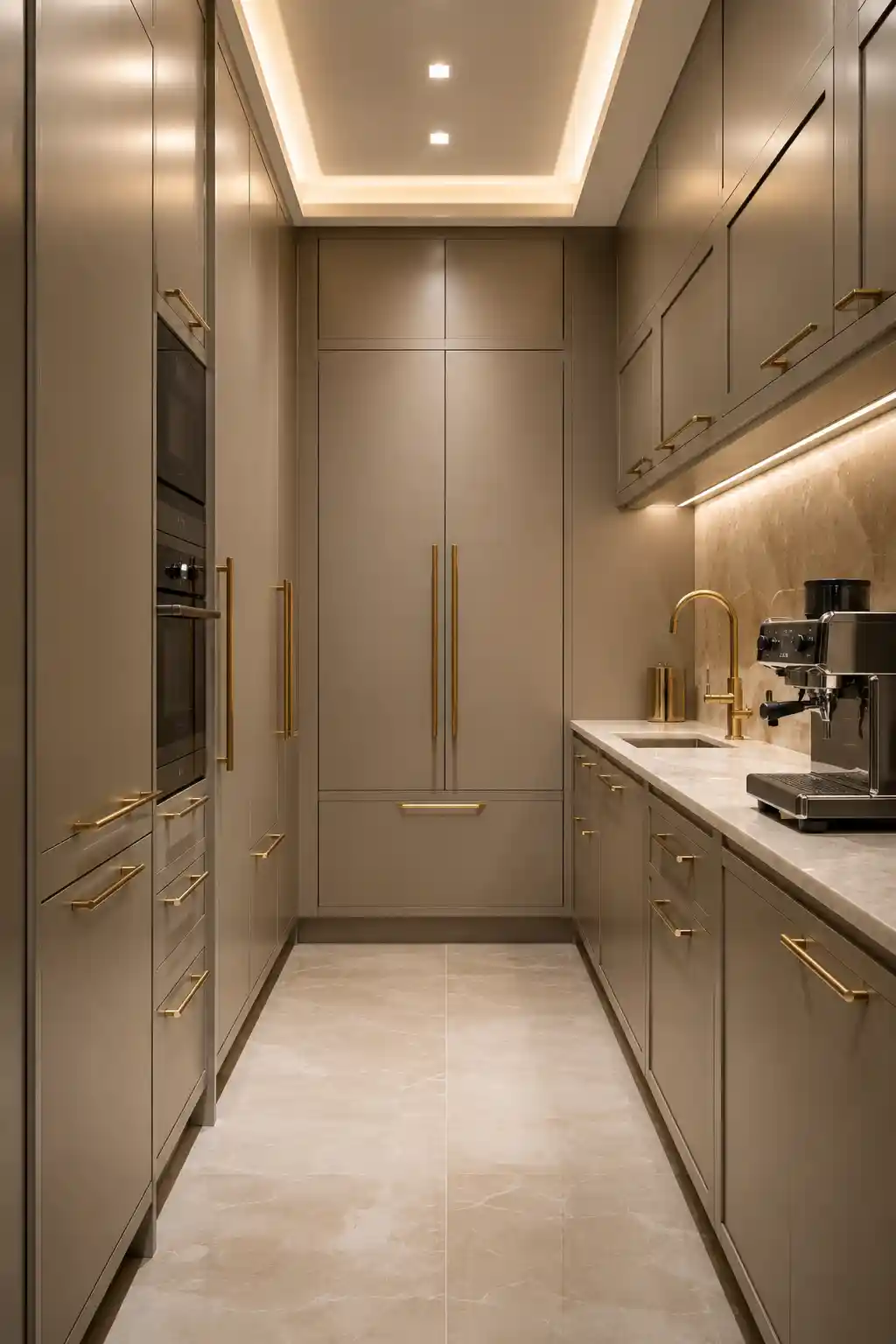
A more subdued version of the Tuscan look focuses on a palette of creamy neutrals and high-end stone. By using soft off-whites and beiges instead of bold colors, the kitchen feels airy and serene. Calacatta marble with its distinct grey veining adds a touch of classic European elegance without overwhelming the space. This design relies on the quality of materials rather than the quantity of decor. The result is a kitchen that feels quietly luxurious and impeccably clean, providing a peaceful environment for morning coffee and slow, mindful meal preparation.
Rustic Exposed Brick and Sage Green Accents

Introducing exposed brick into your kitchen design adds an immediate layer of rugged charm and historical texture. To balance the raw, industrial feel of the brick, pair it with a soft, muted color like sage green. This combination evokes the natural landscape of the Tuscan hills, blending earthy reds with botanical greens. Adding open shelving made of reclaimed pine allows you to display artisanal ceramics and copper pots, turning your kitchenware into part of the decor. This look is perfect for those who appreciate a slightly unpolished, authentic aesthetic that celebrates imperfection.
Timeless Paneled Cabinetry and Heritage Wood
Heritage-style cabinetry is the backbone of a traditional Tuscan kitchen. Rather than flat-panel doors, opt for recessed panels and intricate molding that suggest custom craftsmanship. Rich wood tones, such as walnut or cherry, bring a depth of color that feels warm and enveloping. To keep the look from feeling dated, integrate modern appliances that are hidden behind matching wood panels. This creates a seamless, cohesive environment where the focus remains on the beauty of the wood grain and the timelessness of the design, making the kitchen feel like a family heirloom.
Airy Cottage Charm with Floral Touches
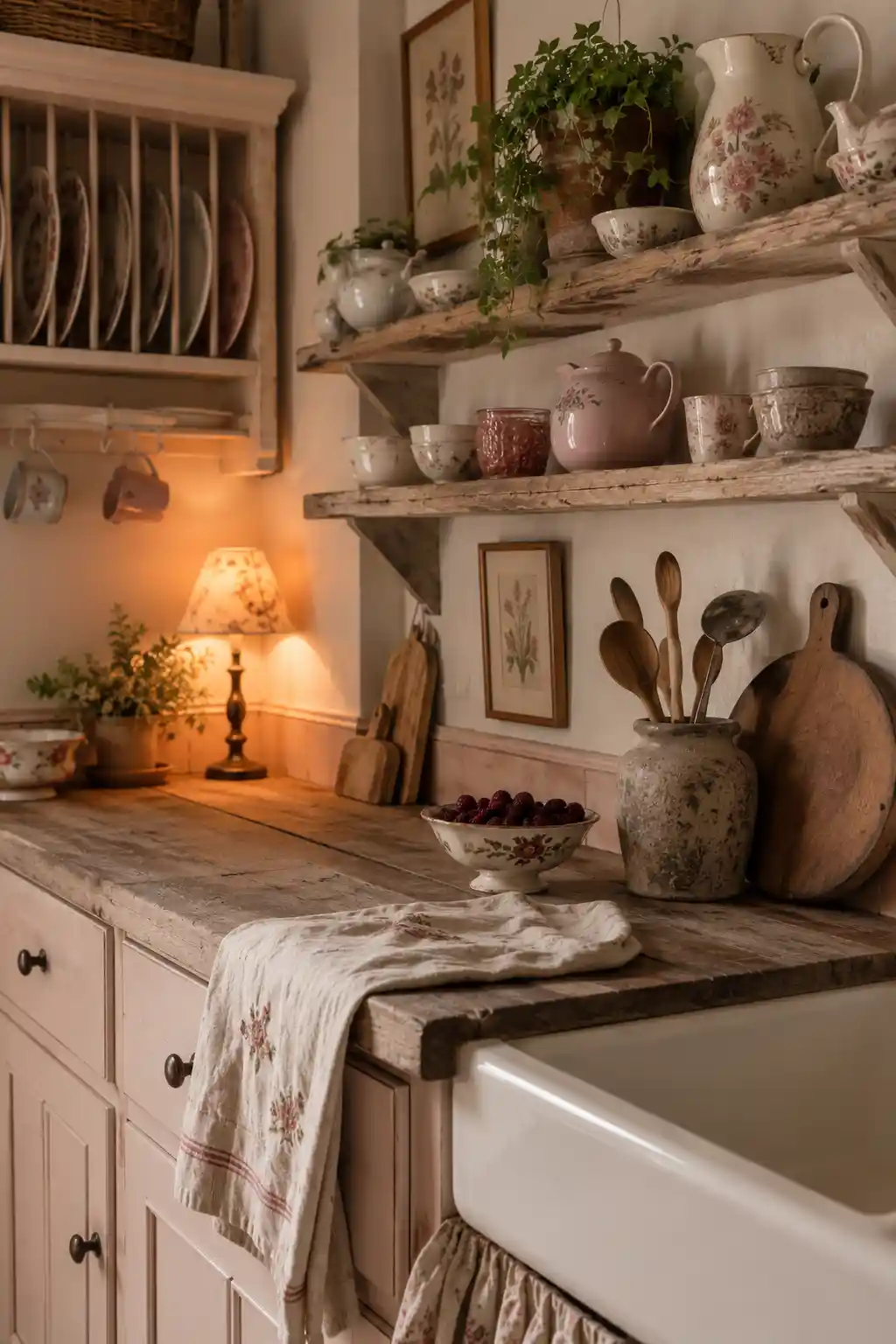
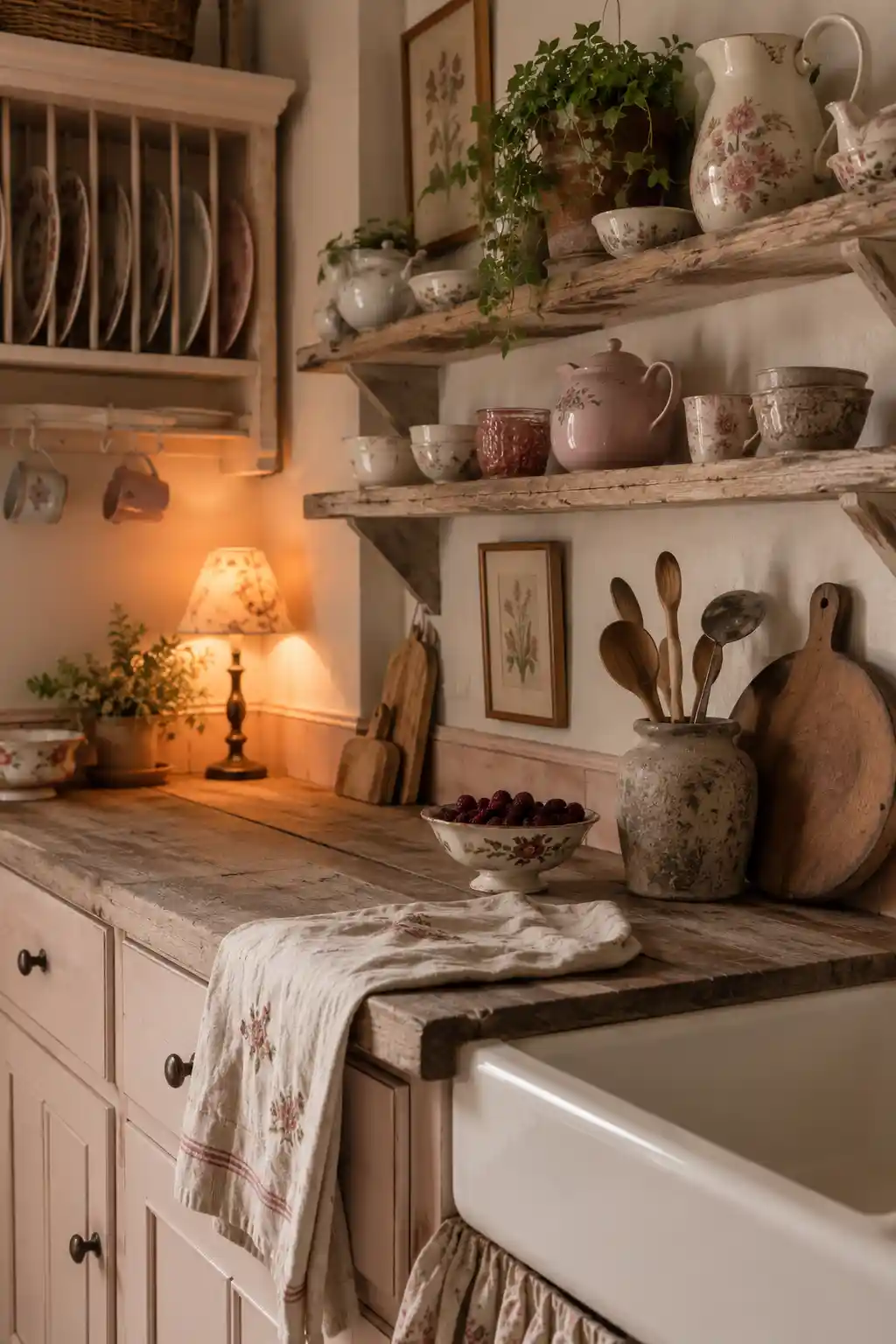
For a lighter, more romantic interpretation, the Tuscan cottage style emphasizes brightness and a connection to nature. Use a palette of pale yellows, soft whites, and mint greens to create a cheerful atmosphere. A deep farmhouse sink positioned under a window allows natural light to flood the workspace and provides a view of the outdoors. Incorporating fresh floral arrangements and linen fabrics adds a soft, feminine touch to the rustic elements. This design is all about simplicity and the joy of slow living, creating a space that feels refreshing and optimistic.
Vintage Copper Accents and Open Culinary Displays

Copper is the quintessential metal of the Italian kitchen, bringing both functionality and a warm, glowing patina to the room. Instead of hiding your cookware in cabinets, use a wrought-iron pot rack to display your copper pans prominently. This not only makes the tools accessible but also adds a rich, metallic texture that complements earthy wall colors. Pairing this with a weathered wooden island and open shelving for olive oil and vinegars creates a professional chef’s atmosphere. It celebrates the art of cooking and turns the kitchen into a gallery of culinary passion.
Raw Stone Surfaces and Organic Textures
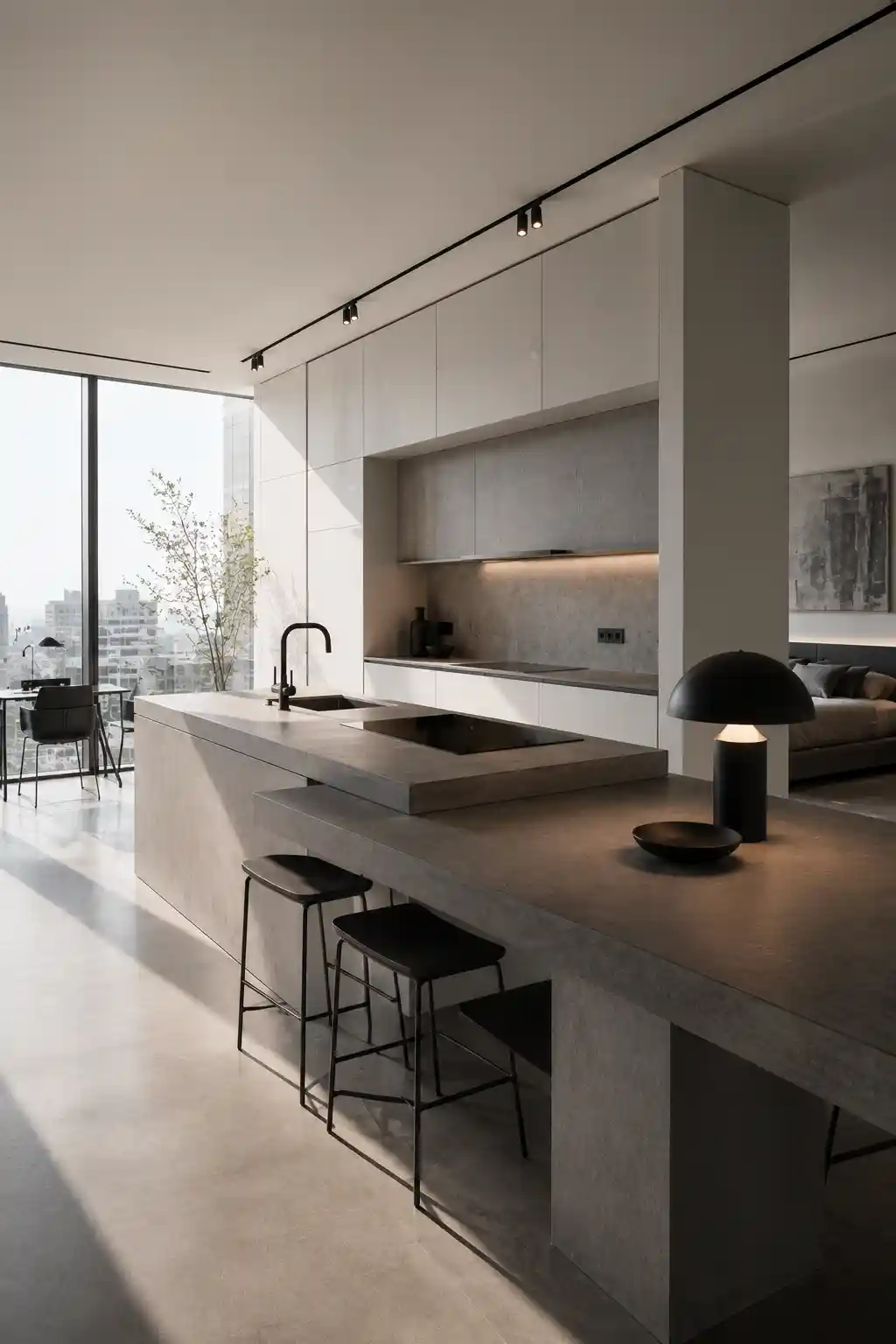
The most modern evolution of Tuscan design is the embrace of raw, organic materials. This approach strips away the ornate details in favor of the natural beauty of stone and wood. A chunky, raw-edge stone island serves as a powerful centerpiece, providing a tactile experience that feels connected to the earth. Pairing this with rough-cut limestone walls and minimalist wooden furnishings creates a space that feels like a contemporary cave or a rustic studio. This design is for those who find luxury in the purity of materials and the honesty of natural textures.