
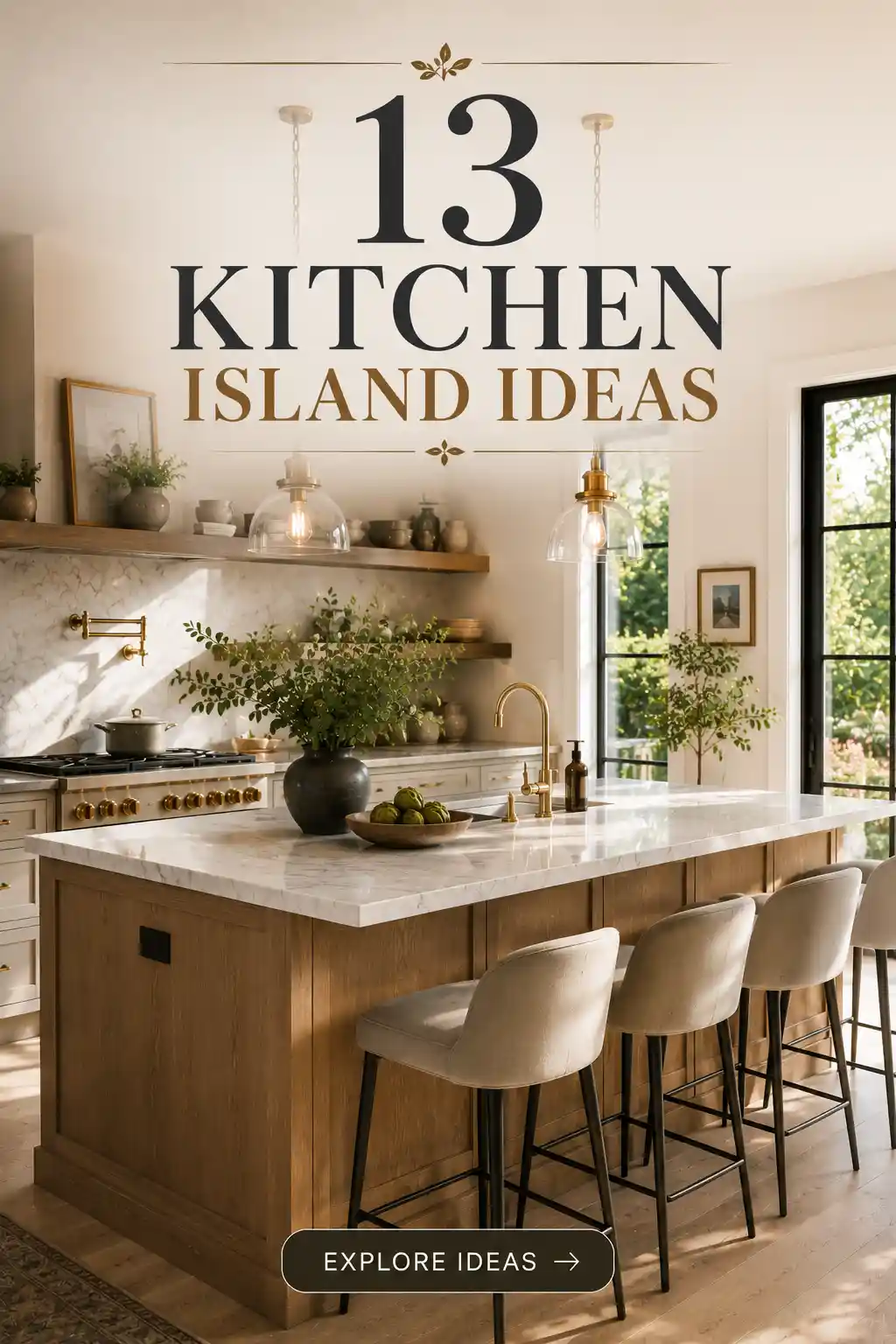
The kitchen island is more than just a place to chop vegetables; it is the functional and social anchor of the modern home. Whether you are designing a sprawling gourmet kitchen or finding clever ways to maximize a compact space, the right island can completely redefine how you interact with your home. From the organic warmth of natural wood to the architectural boldness of waterfall edges, today’s design trends prioritize a blend of timeless elegance and daily utility. Let’s explore these inspiring layout and styling ideas to help you create a centerpiece that is as beautiful as it is practical.
Warm Wood Organic Modernism
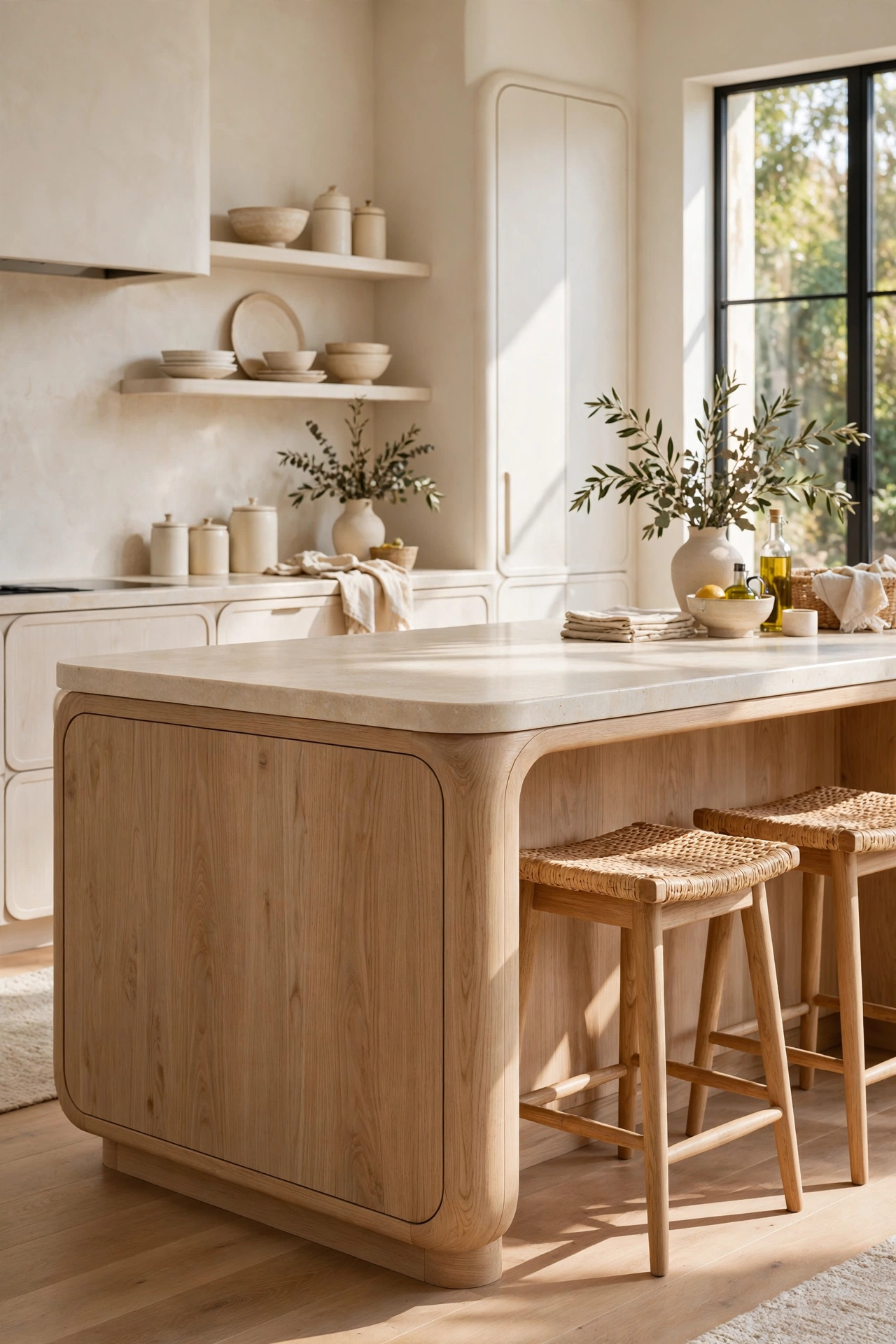
Embracing an organic modern aesthetic means bringing the serenity of nature indoors. A warm wood island, particularly in light oak or walnut, acts as a grounding element in a bright kitchen. By opting for natural grains and matte finishes, you create a space that feels inviting rather than sterile. This look pairs beautifully with neutral walls and minimalist decor, allowing the craftsmanship of the wood to be the focal point. To complete the vibe, integrate tactile elements like linen napkins or a simple ceramic bowl filled with seasonal fruit on the counter.
Sophisticated Fluted Base Detailing
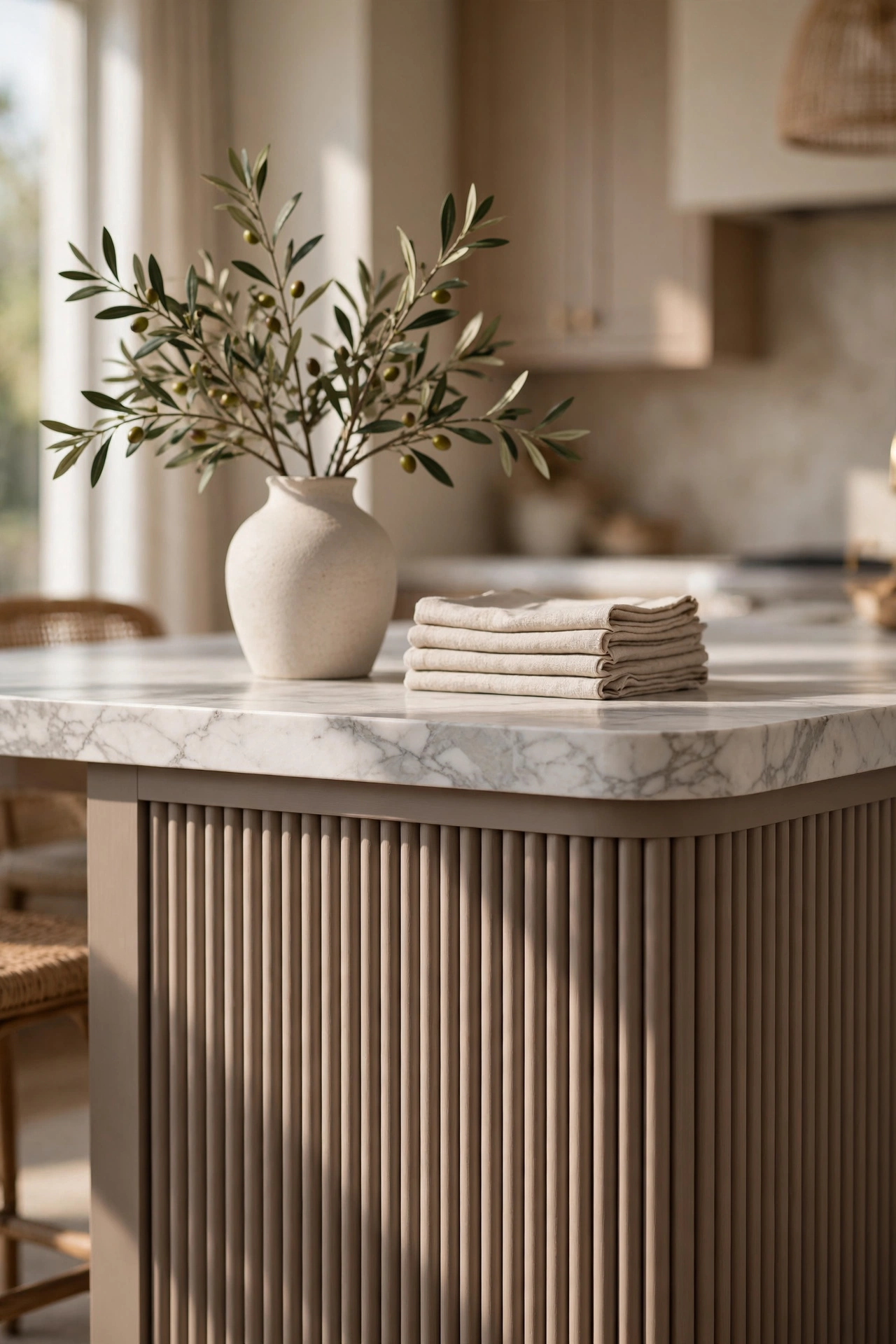
Adding texture to your kitchen island is a secret weapon for achieving a high-end, custom look. Fluted detailing—characterized by vertical grooves or slats—adds a rhythmic architectural element that breaks up the flat surfaces of standard cabinetry. This design choice works exceptionally well in transitional or modern styles, providing a subtle nod to Art Deco while remaining contemporary. Whether you choose a natural wood finish or a muted painted tone, fluting creates a play of light and shadow that makes the island feel like a piece of curated furniture rather than just a utility station.
The Luxury of Double Islands
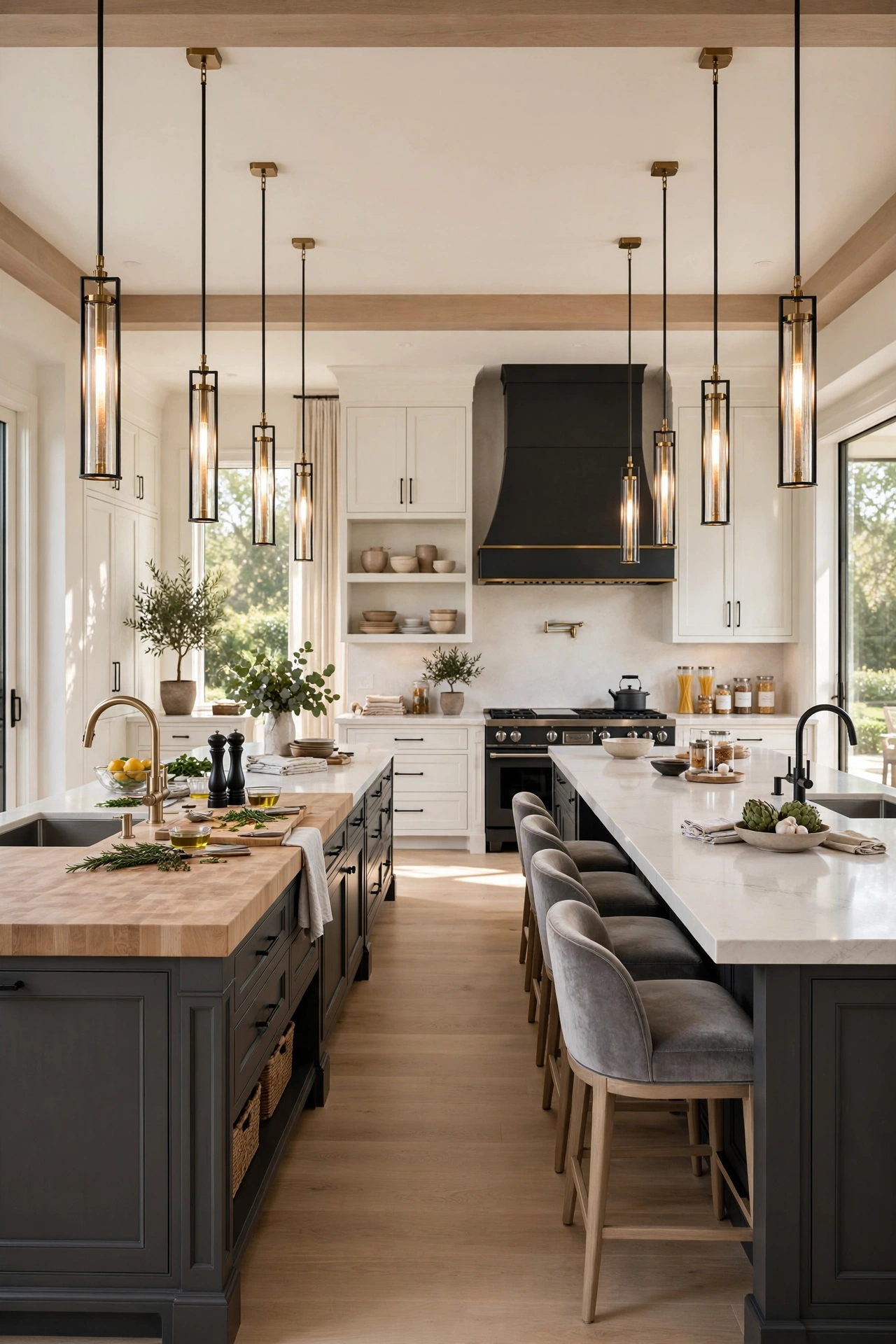
For those with an expansive floor plan, double islands offer the ultimate in kitchen efficiency and luxury. By separating the ‘work zone’ from the ‘social zone,’ you ensure that the chef can prepare meals without being interrupted by guests or family members gathering for snacks. Typically, one island is designed for heavy-duty tasks, featuring a prep sink or cooktop, while the second serves as a breakfast bar or serving station. This layout optimizes traffic flow and creates a sophisticated architectural statement that transforms the kitchen into a true entertainment hub.
Sleek Waterfall Countertops
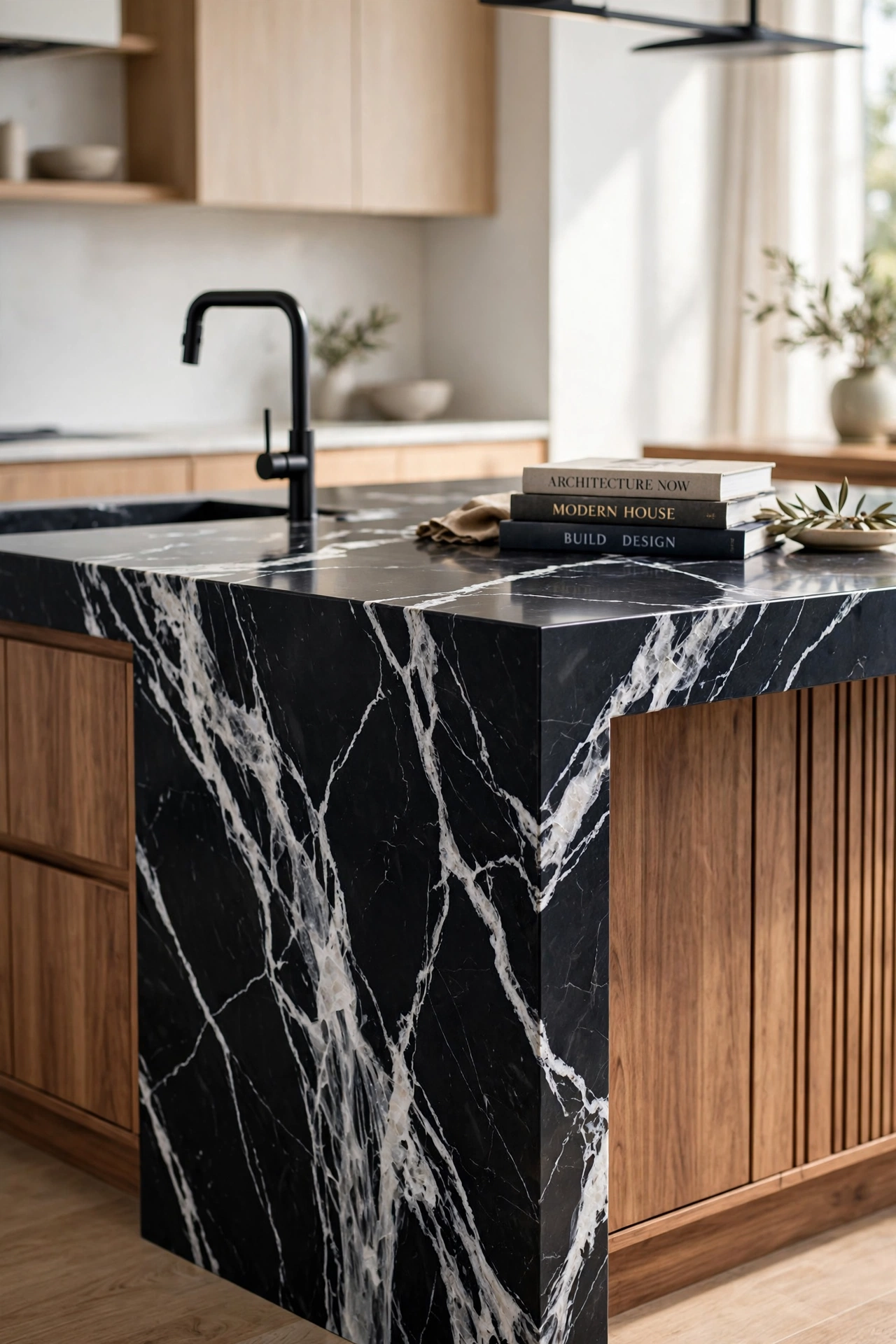
Waterfall countertops are a masterclass in modern architectural design. By extending the countertop material vertically down the sides of the island to the floor, you create a seamless, monolithic look that feels incredibly polished. This style is particularly effective when using bold stones like quartz, marble, or porcelain, as it showcases the natural veining of the material in a dramatic way. To prevent the look from feeling too cold, pair the stone with warm wood cabinetry or soft ambient lighting to balance the sharp edges with a sense of homey comfort.
Softened Curves and Rounded Edges
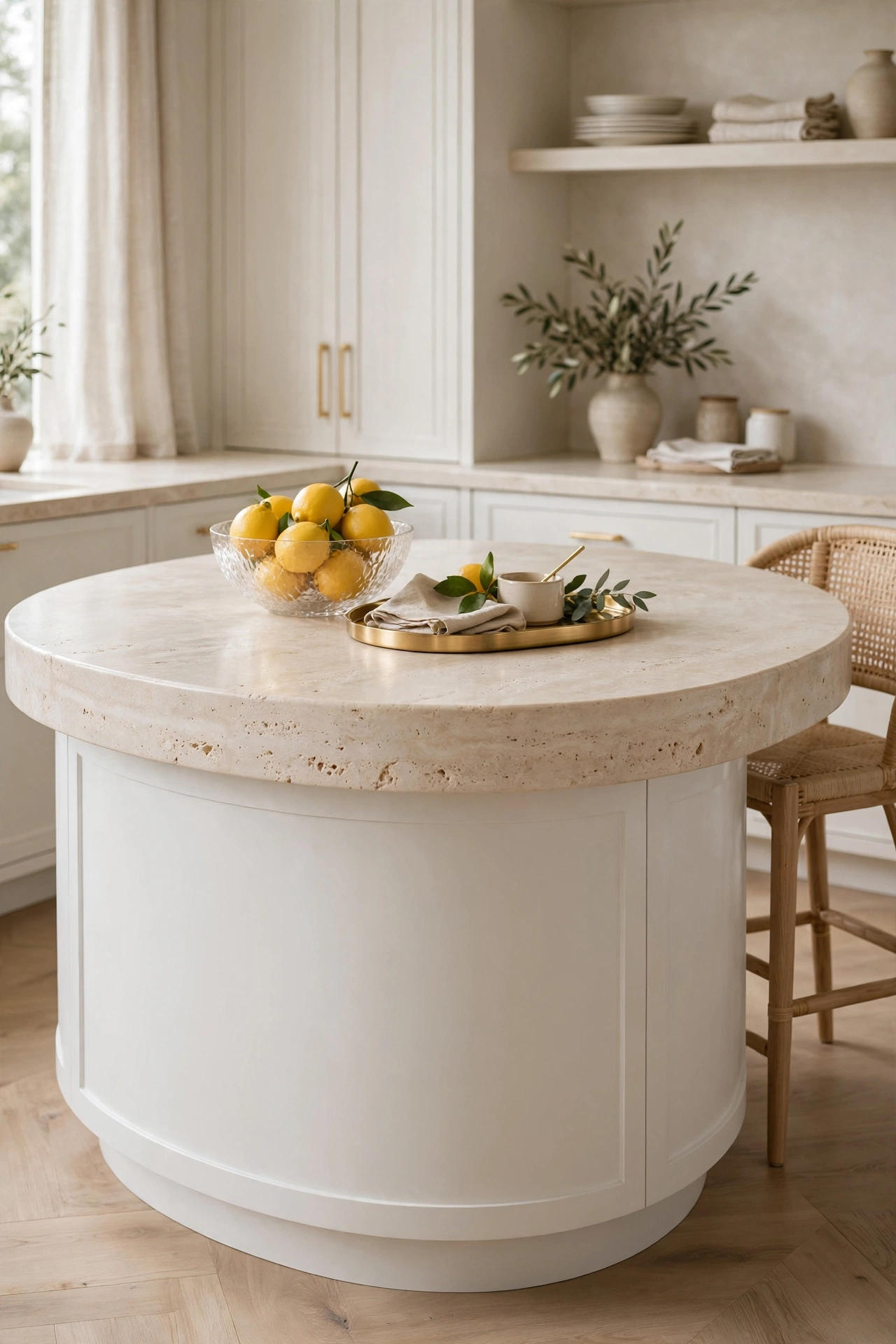
Hard angles can sometimes make a kitchen feel rigid or industrial. Introducing curved edges or a fully rounded oval island softens the entire room and improves the physical flow of the space. Curved islands are not only visually pleasing but also safer and more comfortable for movement, especially in high-traffic areas where sharp corners can be a nuisance. This organic approach to design aligns perfectly with the current trend toward ‘quiet luxury,’ where comfort and softness take precedence over stark minimalism, making the heart of the home feel more fluid.
Functional Butcher Block Integration
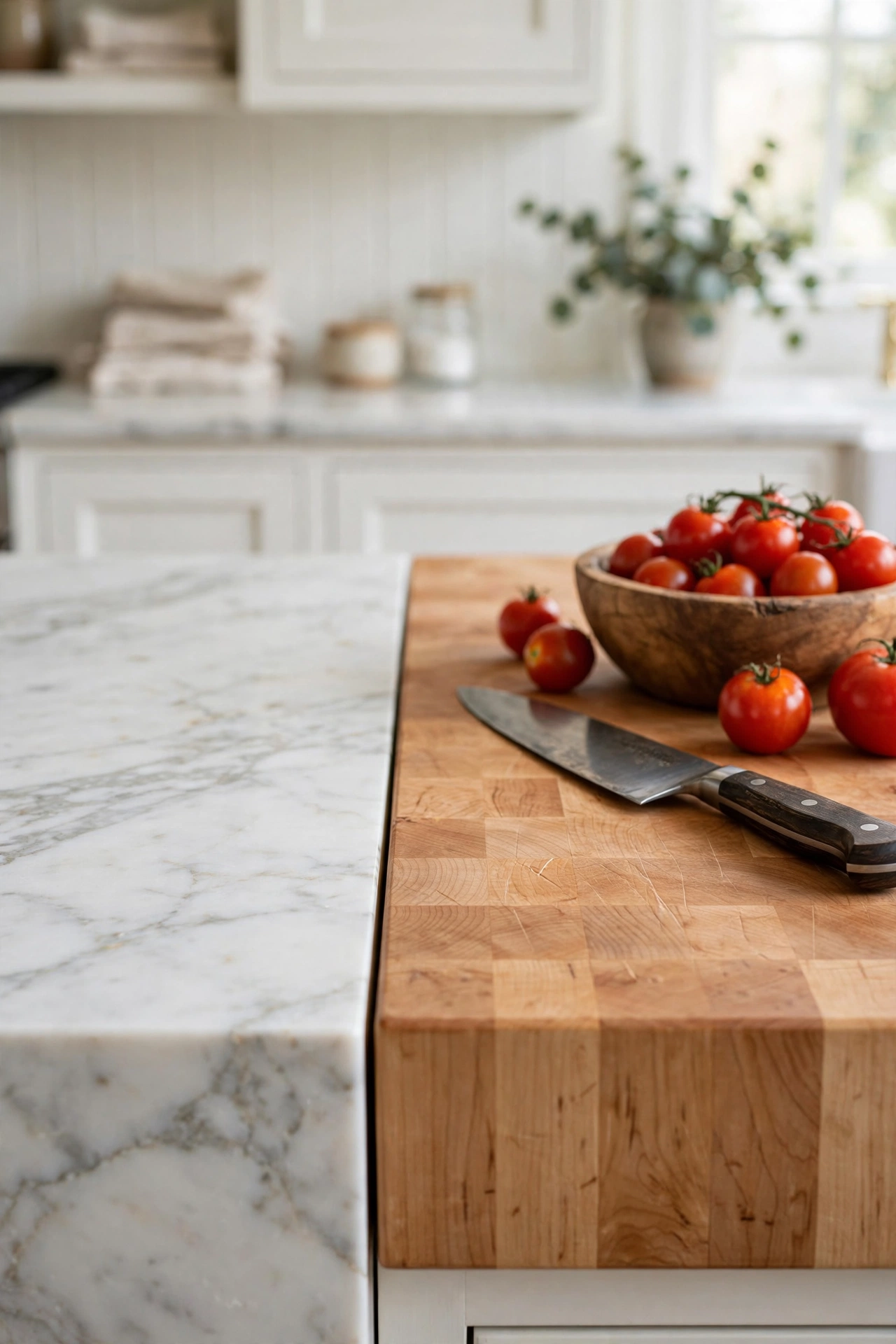
Blending materials is a fantastic way to combine aesthetics with raw functionality. Integrating a butcher block section into a larger stone island provides a dedicated, knife-friendly surface for food preparation while maintaining the elegance of marble or quartz for serving. This mixed-material approach adds a layer of rustic charm and warmth to the kitchen, preventing it from feeling too formal. It is a practical solution for the home cook who wants the durability of professional equipment without sacrificing the high-end look of a designer kitchen.
Dramatic Two-Tone Cabinetry
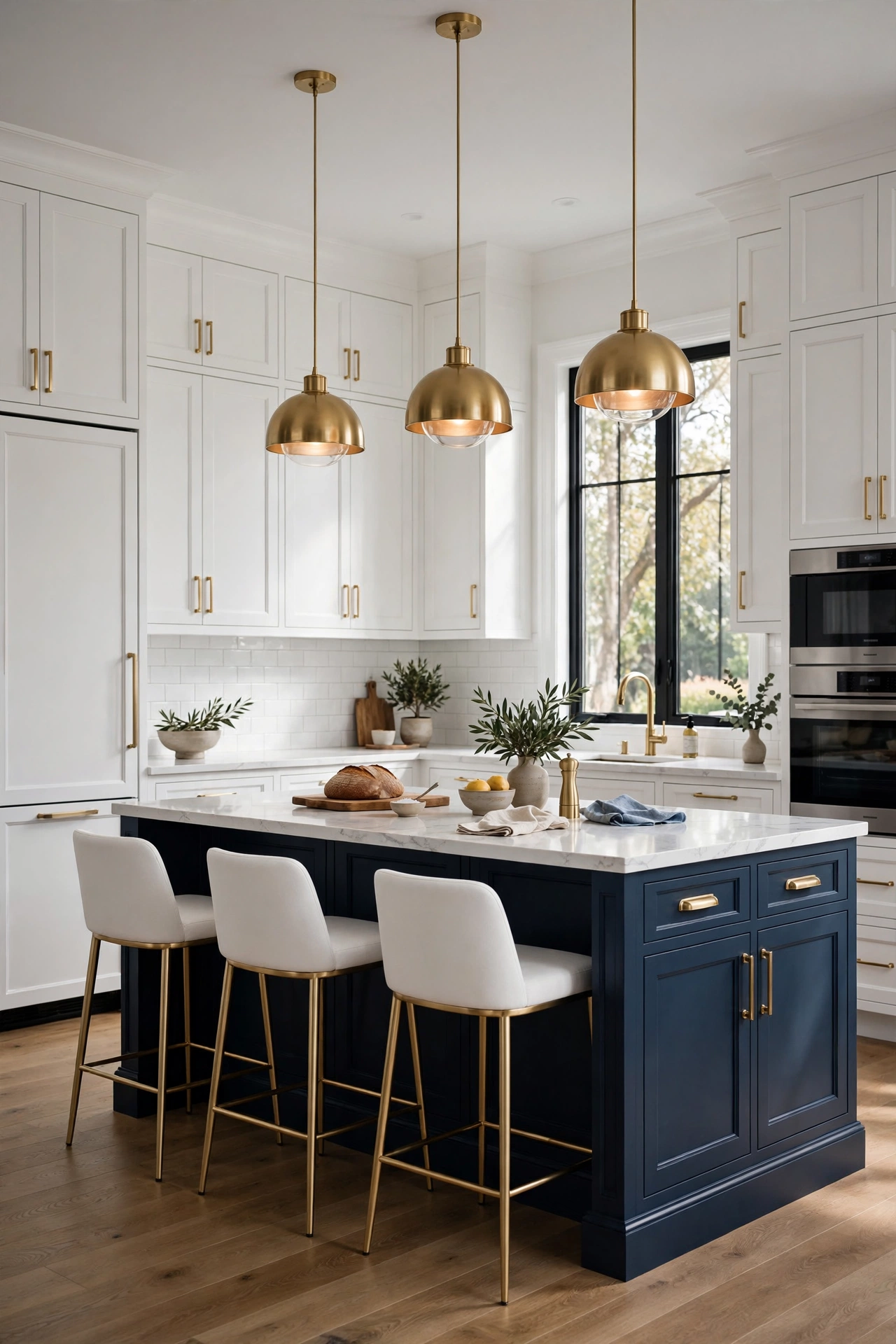
Two-tone cabinetry is an effortless way to make your kitchen island a true statement piece. By painting the island in a contrasting color—such as deep navy, forest green, or charcoal—against a backdrop of white or light grey perimeter cabinets, you create a visual anchor in the room. This technique adds depth and dimension to the space, preventing a monochromatic kitchen from feeling flat. To elevate this look, choose hardware in a contrasting metal, like brushed brass or champagne gold, to add a touch of jewelry to the design.
Integrated Open Shelving for Styling
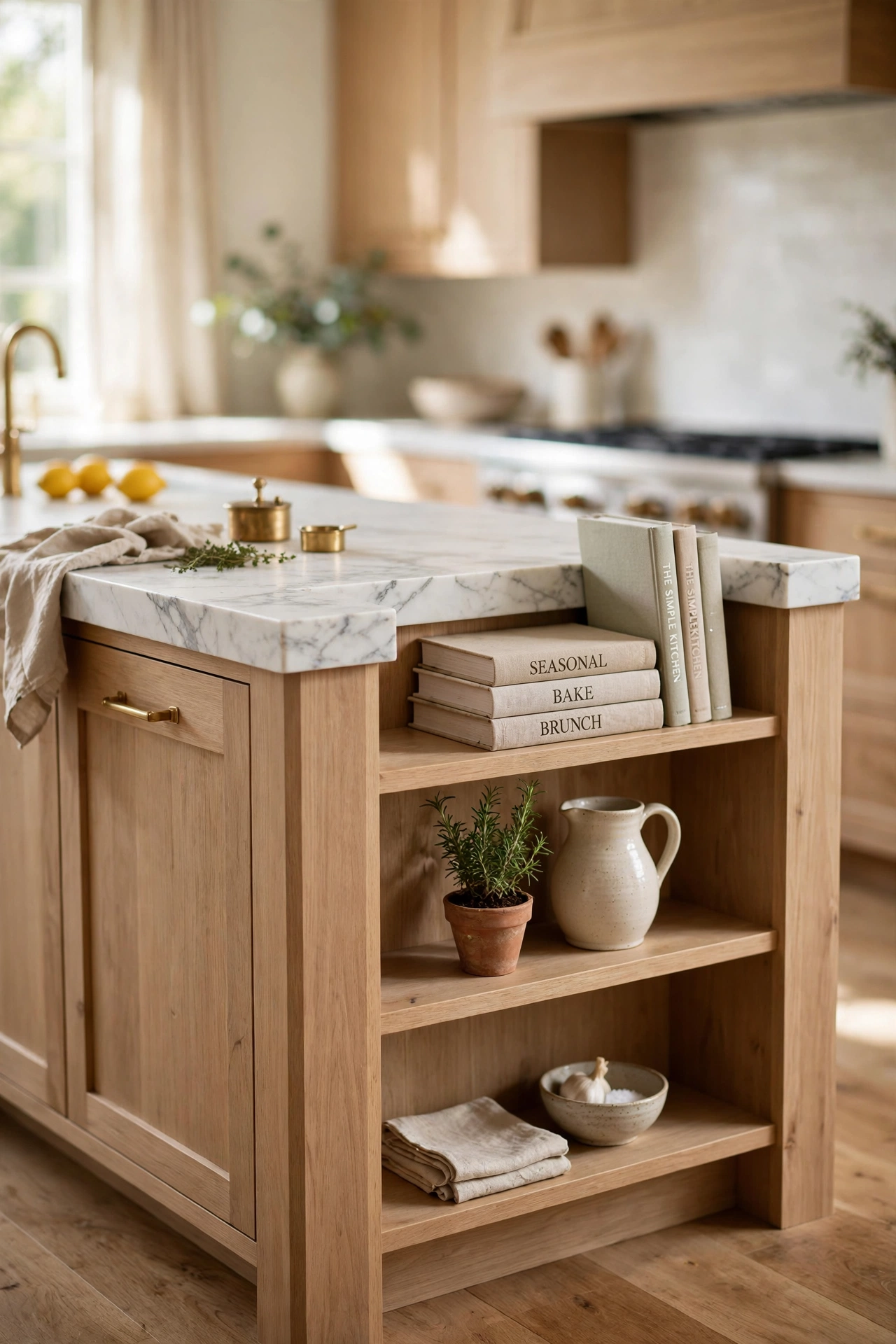
Who says kitchen islands must be entirely closed-off storage? Incorporating open shelving into the end or base of your island allows you to showcase your personality through curated decor. This is the perfect spot for your most-used cookbooks, decorative serving platters, or a collection of artisanal ceramics. Not only does this provide easy access to frequently used items, but it also breaks up the mass of cabinetry, making the island feel lighter and more breathable. It turns a utilitarian piece of furniture into a gallery of your culinary passions.
Portable Solutions for Small Kitchens
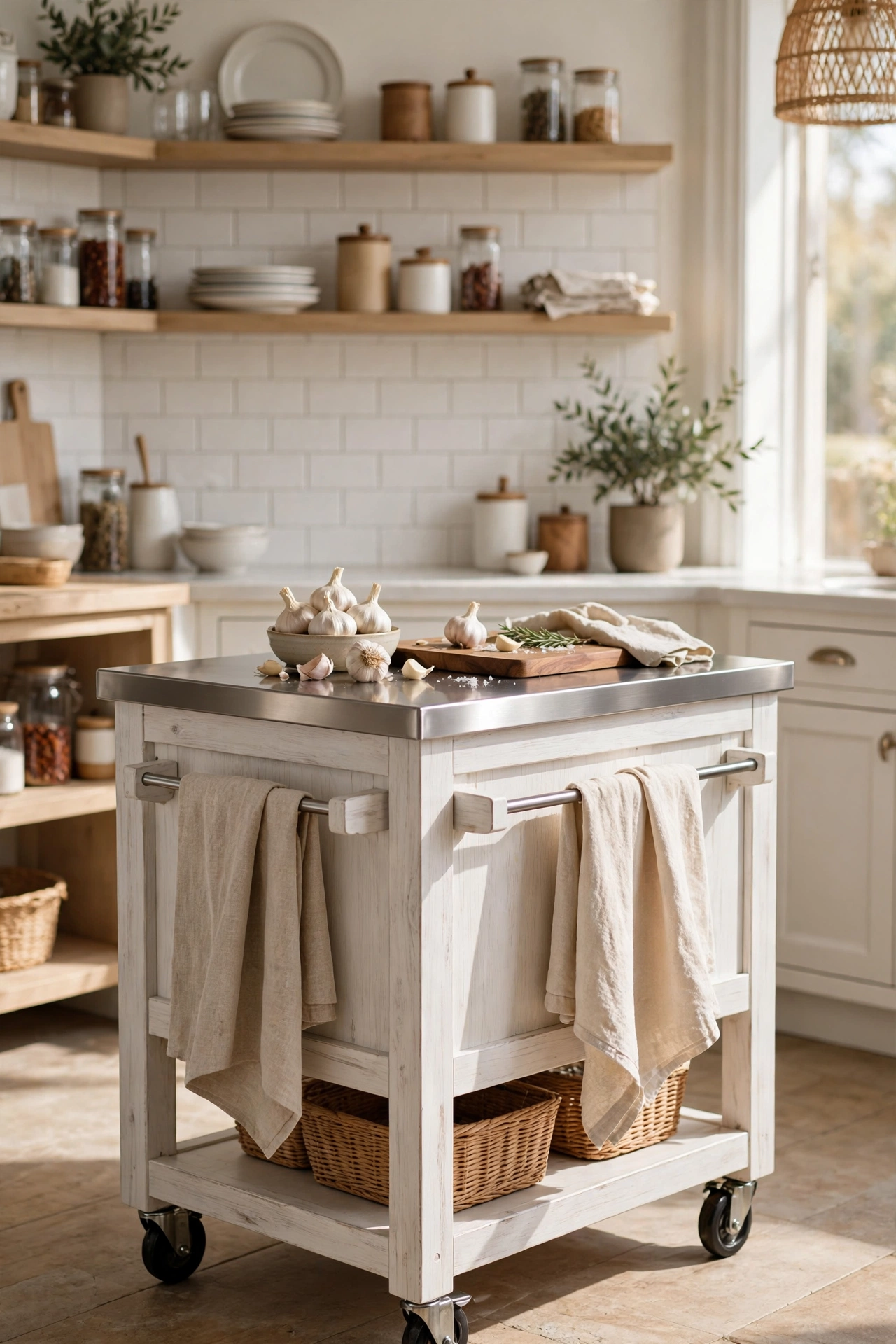
You don’t need a massive renovation to enjoy the benefits of a kitchen island. For smaller homes or apartments, a portable rolling island or a sturdy cook’s table is a game-changer. These versatile pieces provide essential extra prep space and storage without permanently altering the floor plan. Look for models with locking wheels, built-in spice racks, or towel bars to maximize every inch of utility. A portable island can be moved to the center of the room for meal prep and pushed against a wall when you need more floor space for guests.
Moody Tones and Bold Statements
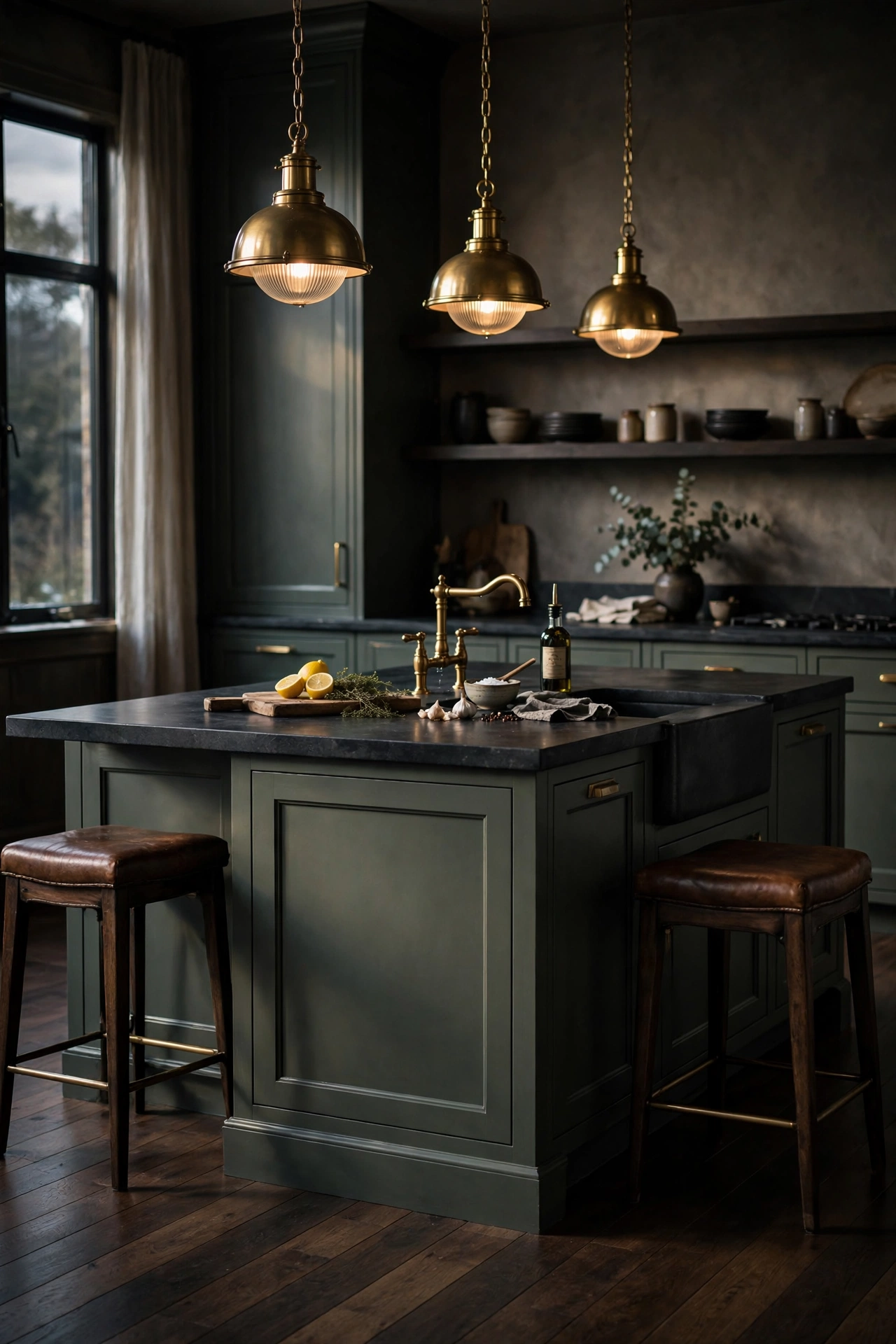
While white kitchens are a classic, there is a growing trend toward moody, saturated tones that evoke a sense of intimacy and luxury. A kitchen island in Pewter Green, Charcoal, or Deep Burgundy creates a dramatic focal point that feels contemporary and bold. When working with dark colors, it is essential to balance the weight with metallic accents—like brass or copper—and ample lighting to ensure the space doesn’t feel too closed in. This approach is perfect for homeowners looking to move away from the farmhouse look toward something more urban and sophisticated.
Timeless Marble Luxury
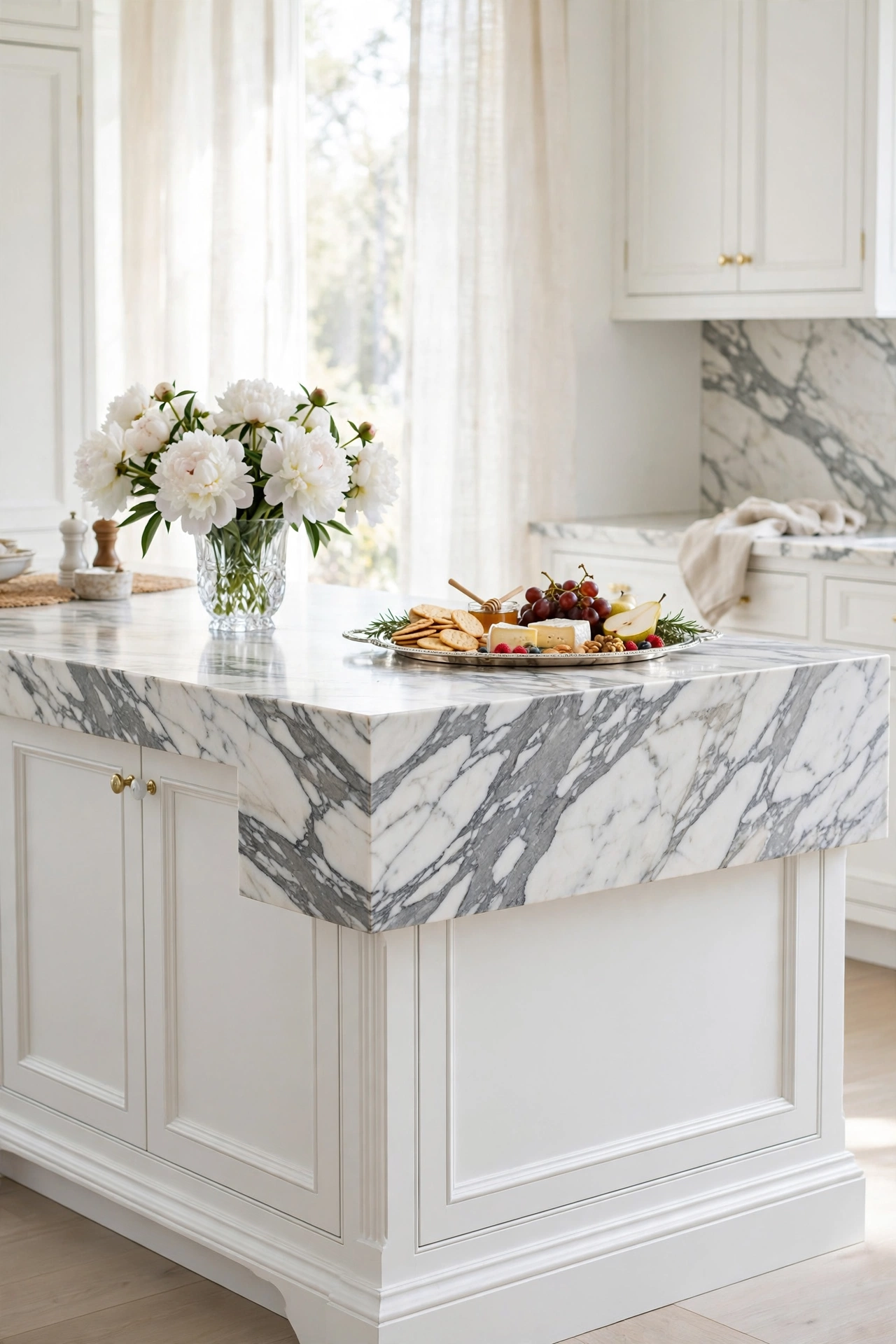
Nothing says timeless luxury quite like a marble-topped island. The natural veining of marble creates a unique piece of art in the center of your home, offering a bright, clean surface that feels inherently high-end. While marble requires a bit more care than quartz, its unmatched beauty and cool surface make it ideal for pastry work and hosting elegant gatherings. To keep this look from feeling too traditional, pair it with modern counter stools or a minimalist pendant light to bridge the gap between classic elegance and modern living.
Coastal Breezy Accents
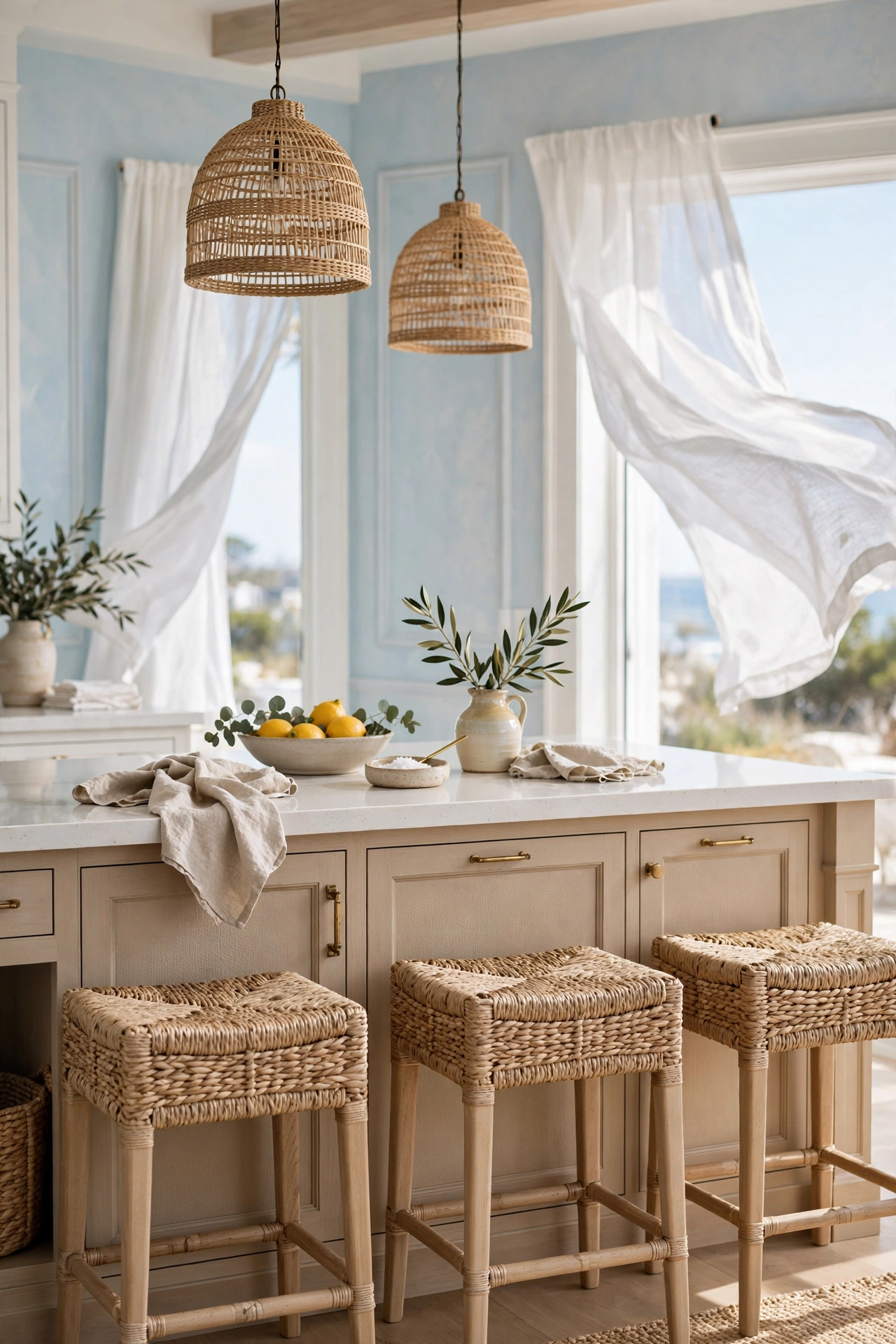
To bring a coastal, vacation-like feel to your kitchen, focus on light colors and natural textures. A sandy beige or soft white island paired with woven seagrass or rattan stools immediately evokes a seaside atmosphere. This style is all about breathability and light, so keep the decor minimal and the colors muted. Incorporating elements like light-washed wood, glass pendants, and a few sprigs of eucalyptus creates a refreshing environment that feels open and relaxing, making the kitchen the perfect spot for a slow morning coffee.
Architectural Lighting Focal Points
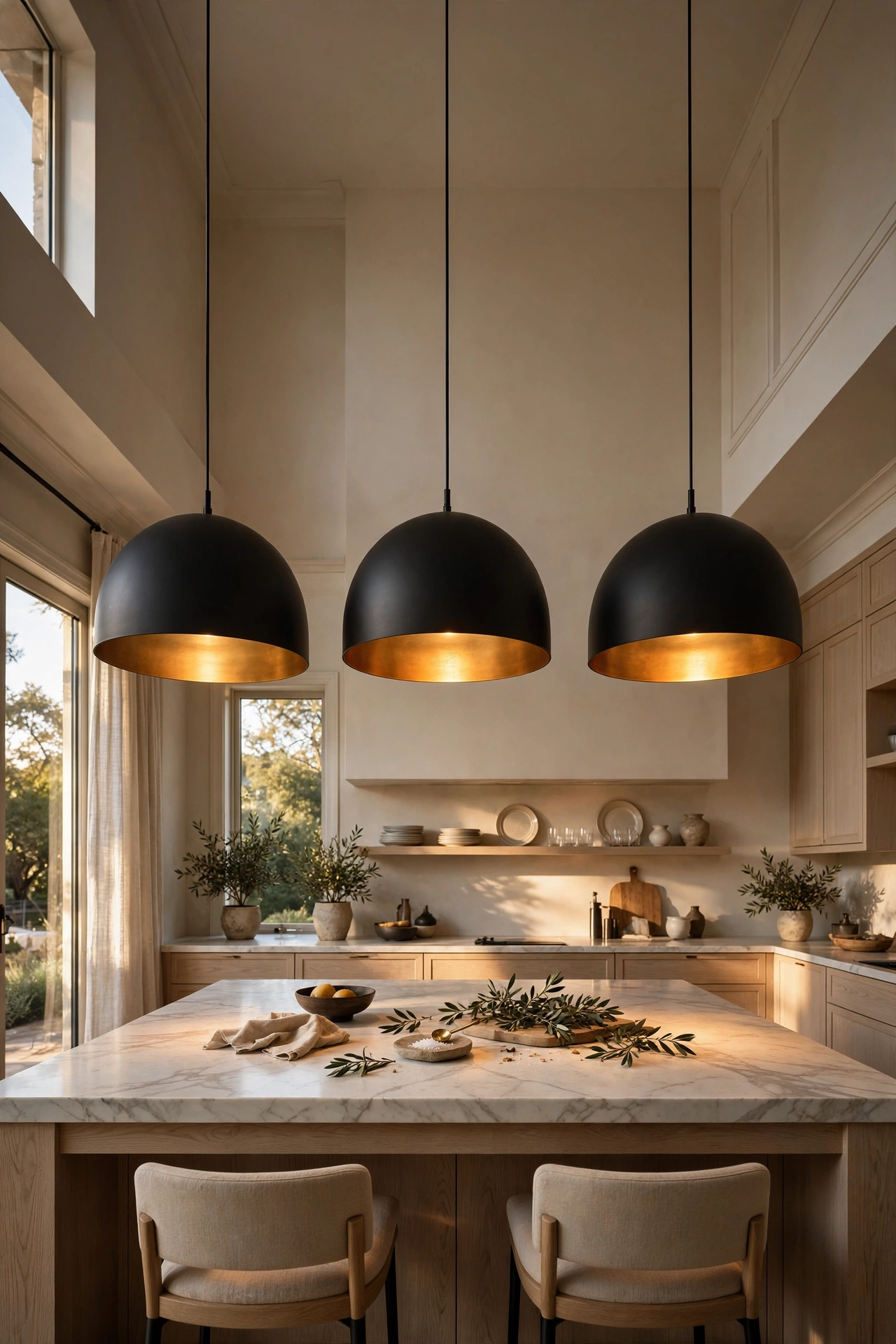
The lighting above your island is the ‘jewelry’ of the kitchen, serving as both a functional necessity and a major design statement. Whether you choose oversized dome pendants for a modern look, elegant lanterns for a farmhouse vibe, or a sleek linear chandelier for a contemporary feel, the scale of the fixtures is key. Lighting should be hung at a height that provides ample task illumination without obstructing the view across the room. By layering your lighting—combining pendants with under-cabinet LEDs—you can shift the mood from a bright workspace to a cozy evening lounge.