
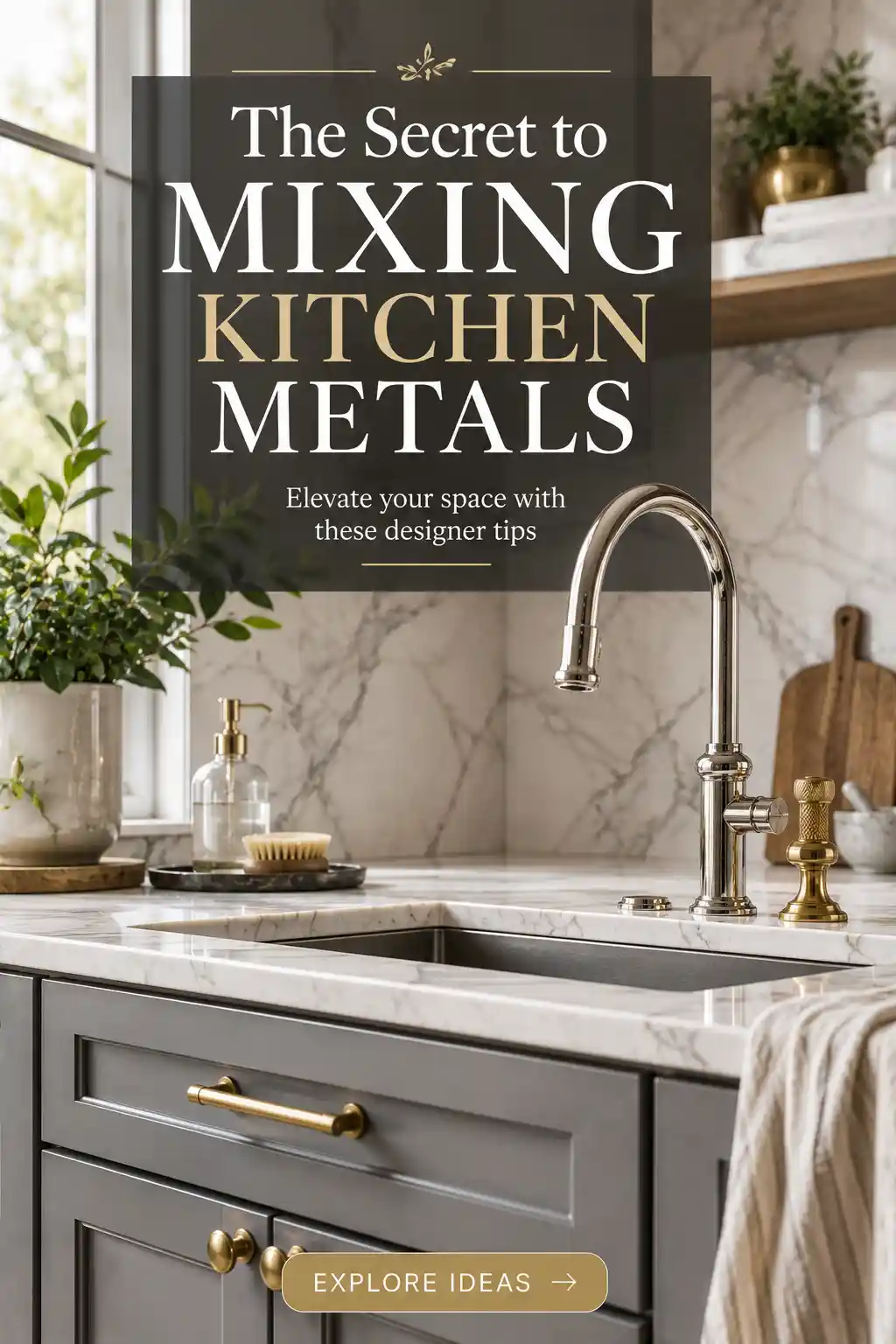
Creating a designer-level kitchen often comes down to the fine details, specifically the metal finishes you choose for your hardware and fixtures. While the old rule of thumb suggested that every metal in the room must match, modern interior design embraces the art of mixing metals to add depth, personality, and a curated feel to the home. Whether you are planning a full renovation or a simple hardware refresh, learning how to blend warm and cool tones can transform a sterile space into a sophisticated sanctuary.
The Rule of Three for Visual Balance
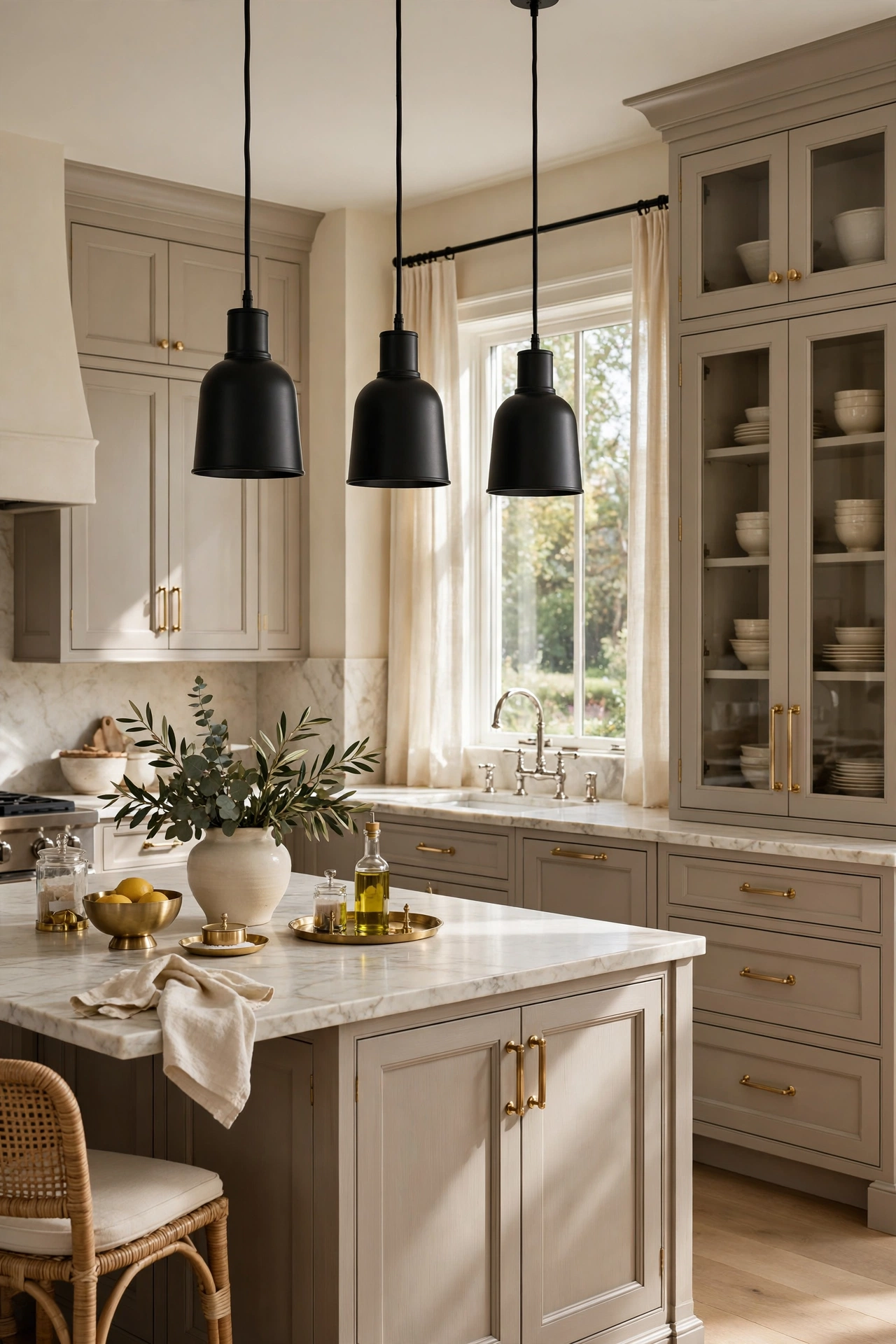
When embarking on the journey of mixing metals in the kitchen, the most effective strategy is to adhere to the rule of three. By limiting your selection to three distinct finishes, you ensure that the space feels curated rather than chaotic. Typically, this involves choosing one dominant metal for the largest fixtures, a secondary metal for accent pieces, and a third neutral metal to tie everything together. This tiered approach prevents the eye from becoming overwhelmed and creates a professional, balanced aesthetic that looks intentional and polished.
Contrasting Warm and Cool Tones
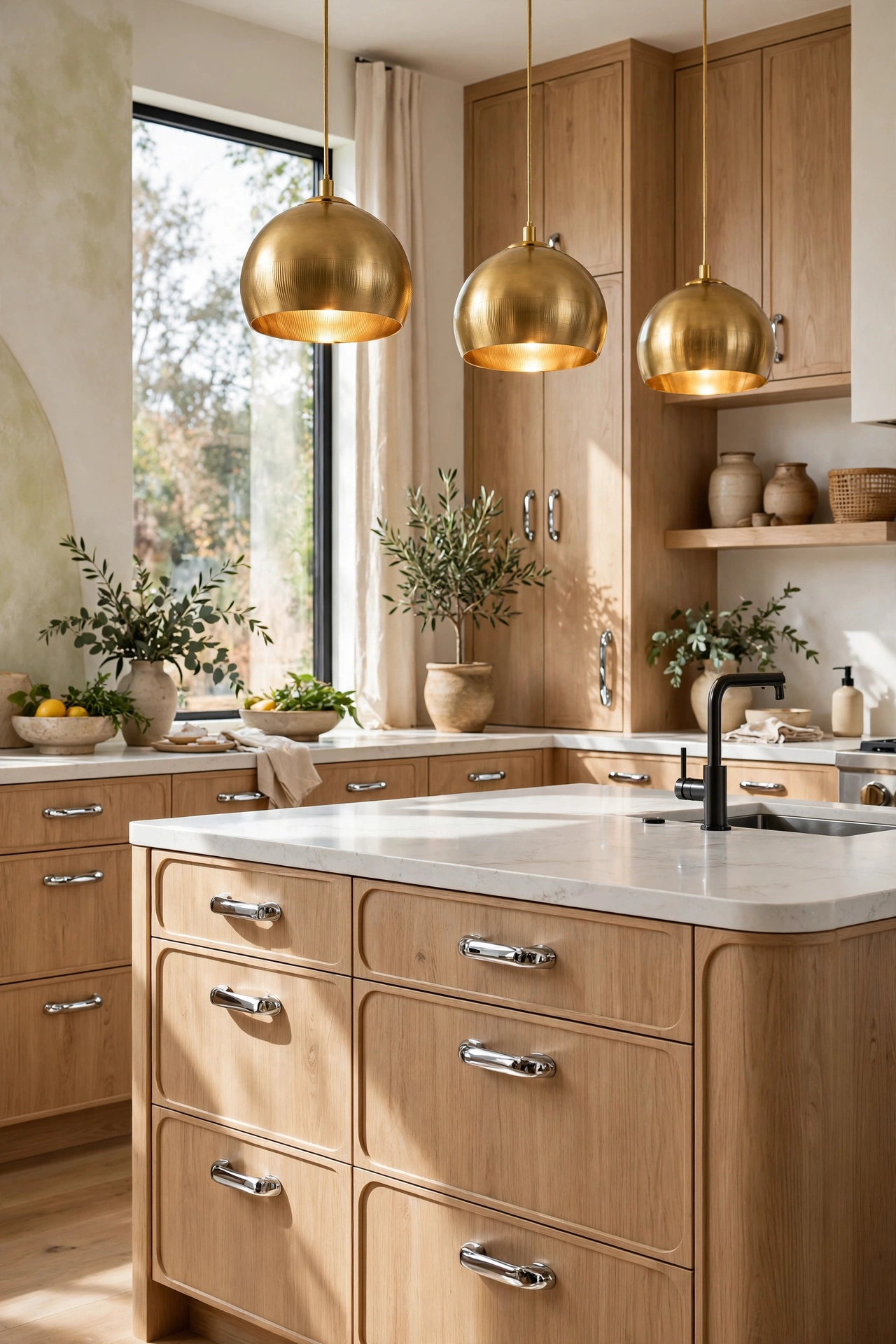
The most visually stimulating way to mix metals is by pairing warm tones with cool tones. Warm metals include brass, copper, and gold, which evoke a sense of coziness and luxury. Cool metals, such as chrome, polished nickel, and stainless steel, provide a crisp, clean, and modern edge. When you blend these opposites, you create a dynamic tension that adds sophistication to the room. For example, pairing a cool chrome faucet with warm brass pendant lights prevents the kitchen from feeling too cold or overly traditional.
The Timeless Appeal of Brass and Matte Black
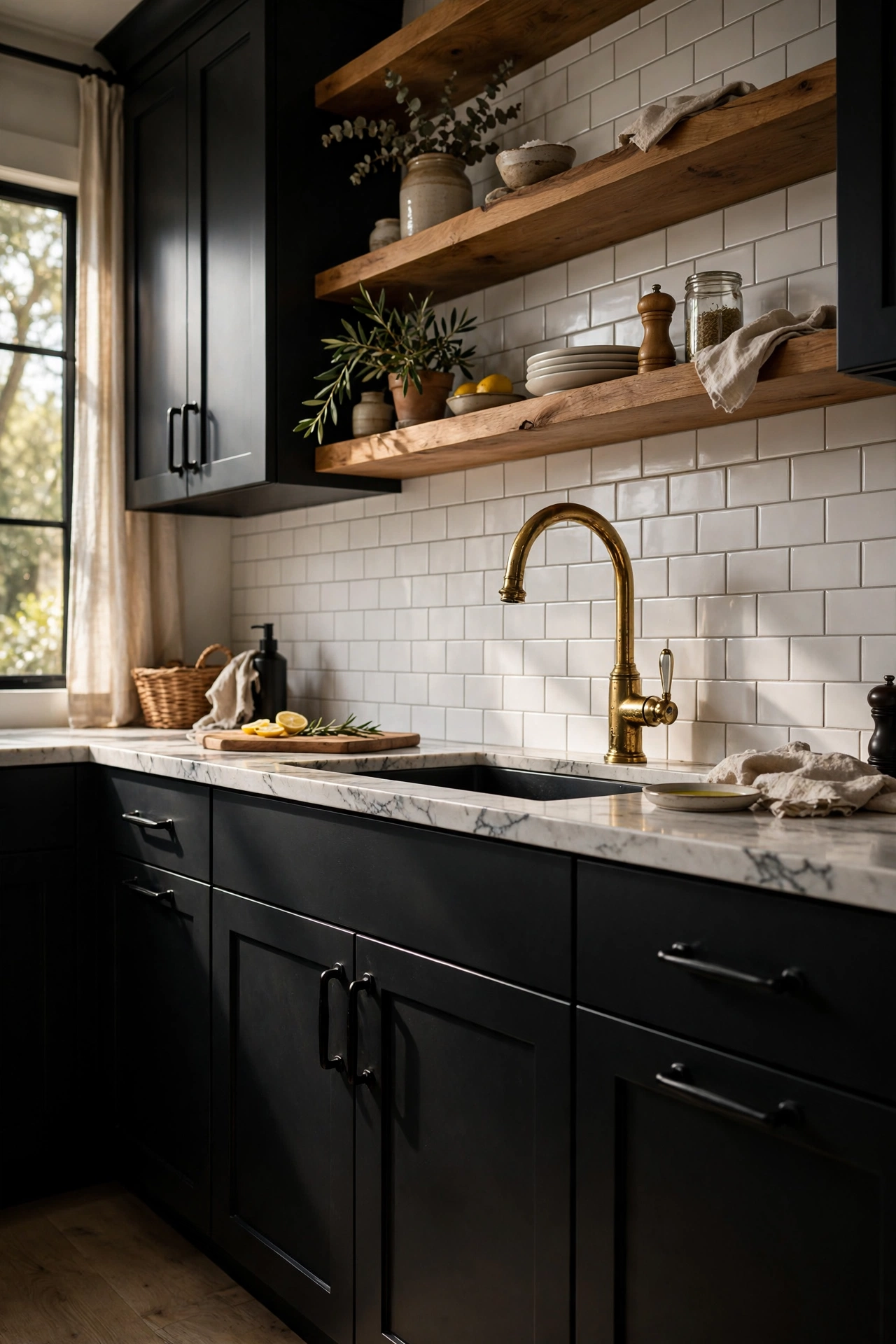
For those seeking a look that is both contemporary and timeless, the combination of matte black and antique brass is an unbeatable choice. Matte black acts as a grounding neutral, providing a sharp contrast that allows the warmth of the brass to truly pop. This pairing works exceptionally well in modern farmhouse or industrial-style kitchens. Try using black for your lighting fixtures and cabinet hardware while reserving brass for the statement faucet or a few carefully placed decorative accents to achieve a high-end designer look.
Elegant Pairings with Polished Nickel and Gold
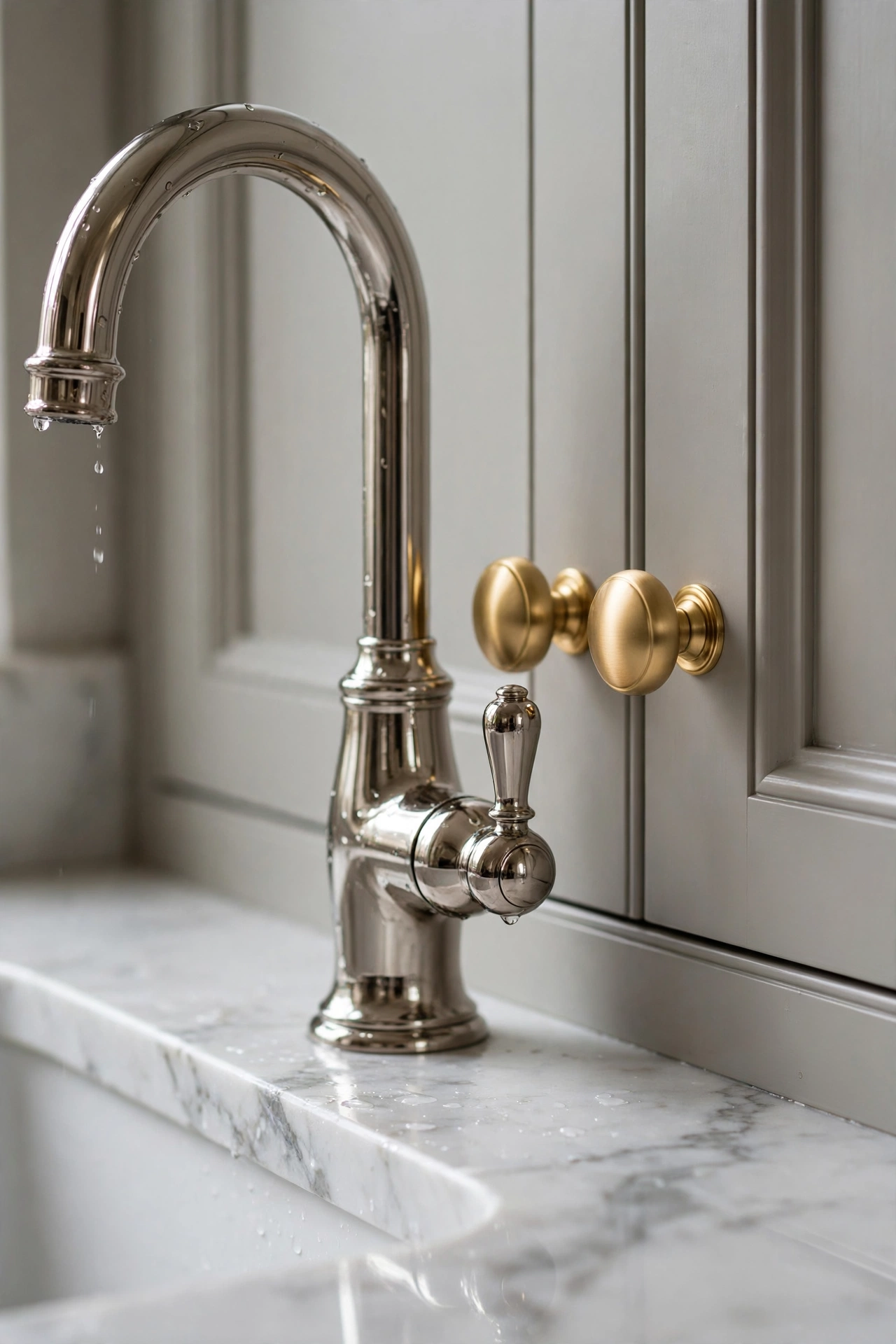
If your goal is understated elegance, consider mixing polished nickel with soft gold or champagne brass. Polished nickel has a warmer undertone than chrome, making it the perfect bridge between the cool silver family and the warm gold family. This combination is often seen in high-end traditional homes because it feels opulent without being ostentatious. To execute this look, use polished nickel for the high-use areas like the sink and dishwasher, and introduce gold through lighting or delicate cabinet jewelry.
Integrating Stainless Steel Appliances
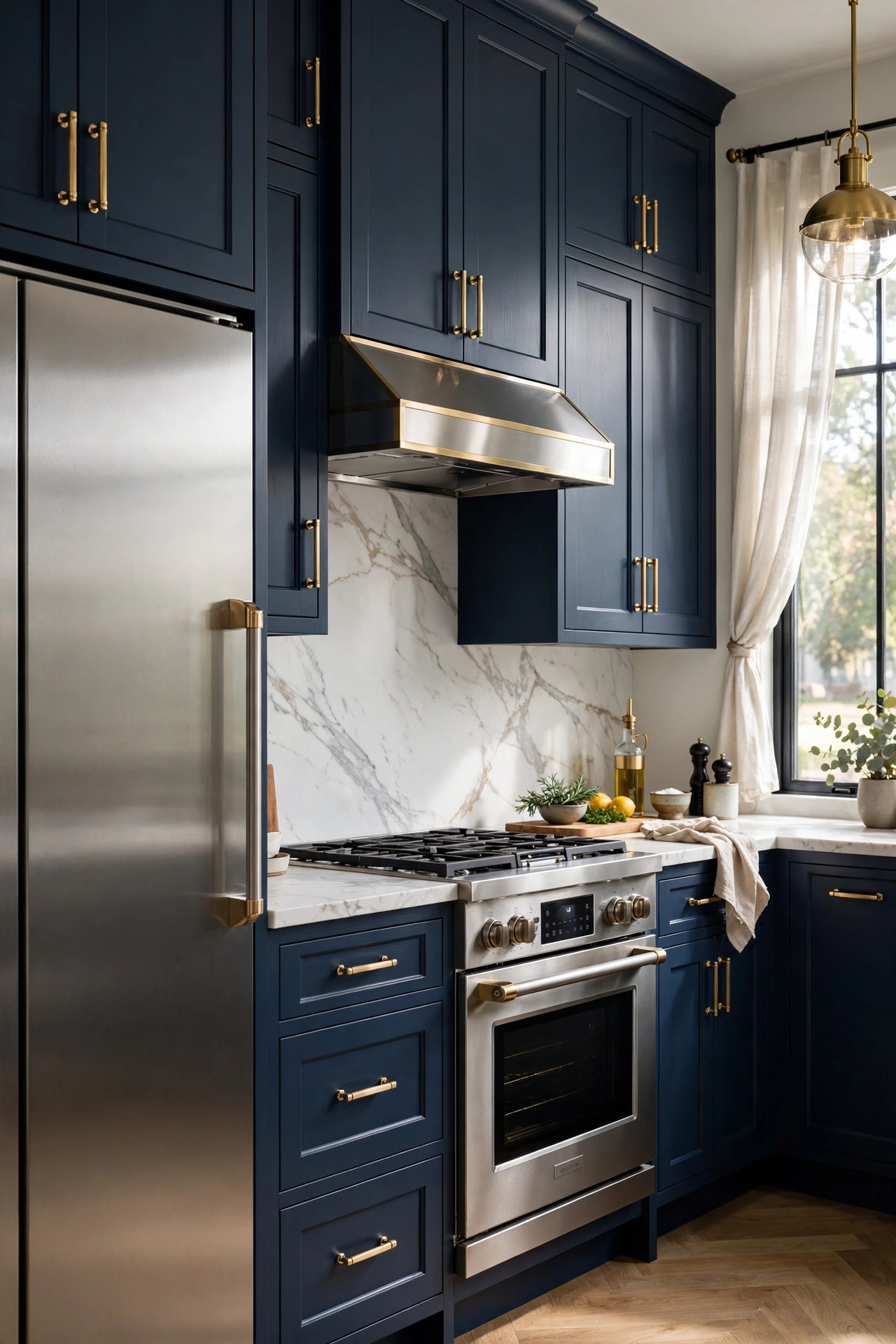
Many homeowners forget that stainless steel appliances count as a metal finish in the overall design scheme. Because appliances take up a significant amount of visual real estate, they often become the primary metal. To make stainless steel feel intentional, treat it as your first ‘cool’ metal. You can then layer in a warm metal, like brushed gold, to soften the industrial feel of the appliances. This prevents the kitchen from looking like a commercial galley and instead makes it feel like a warm, lived-in home.
Adding Modern Brilliance with Chrome
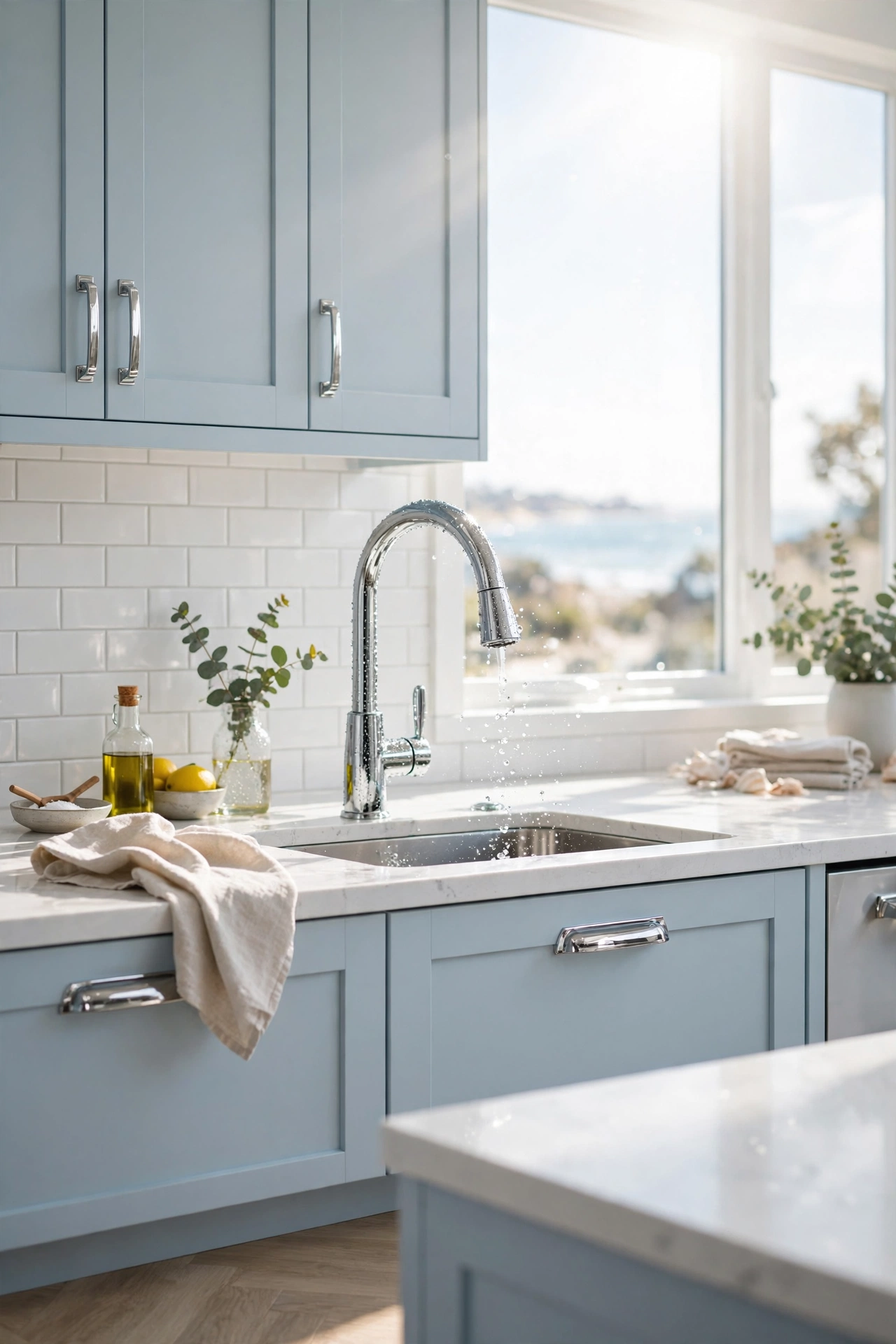
Chrome is the ultimate choice for those who want to maximize brightness and light in their kitchen. Its highly reflective surface acts almost like a mirror, bouncing light around the room and making small spaces feel larger. While chrome is decidedly modern, it can be softened by mixing it with organic materials like woven rattan stools or warm wood accents. When mixing chrome with other metals, stick to high-contrast pairings like matte black or deep bronze to keep the look sophisticated and avoid a dated appearance.
The Subtle Sophistication of Brushed Nickel
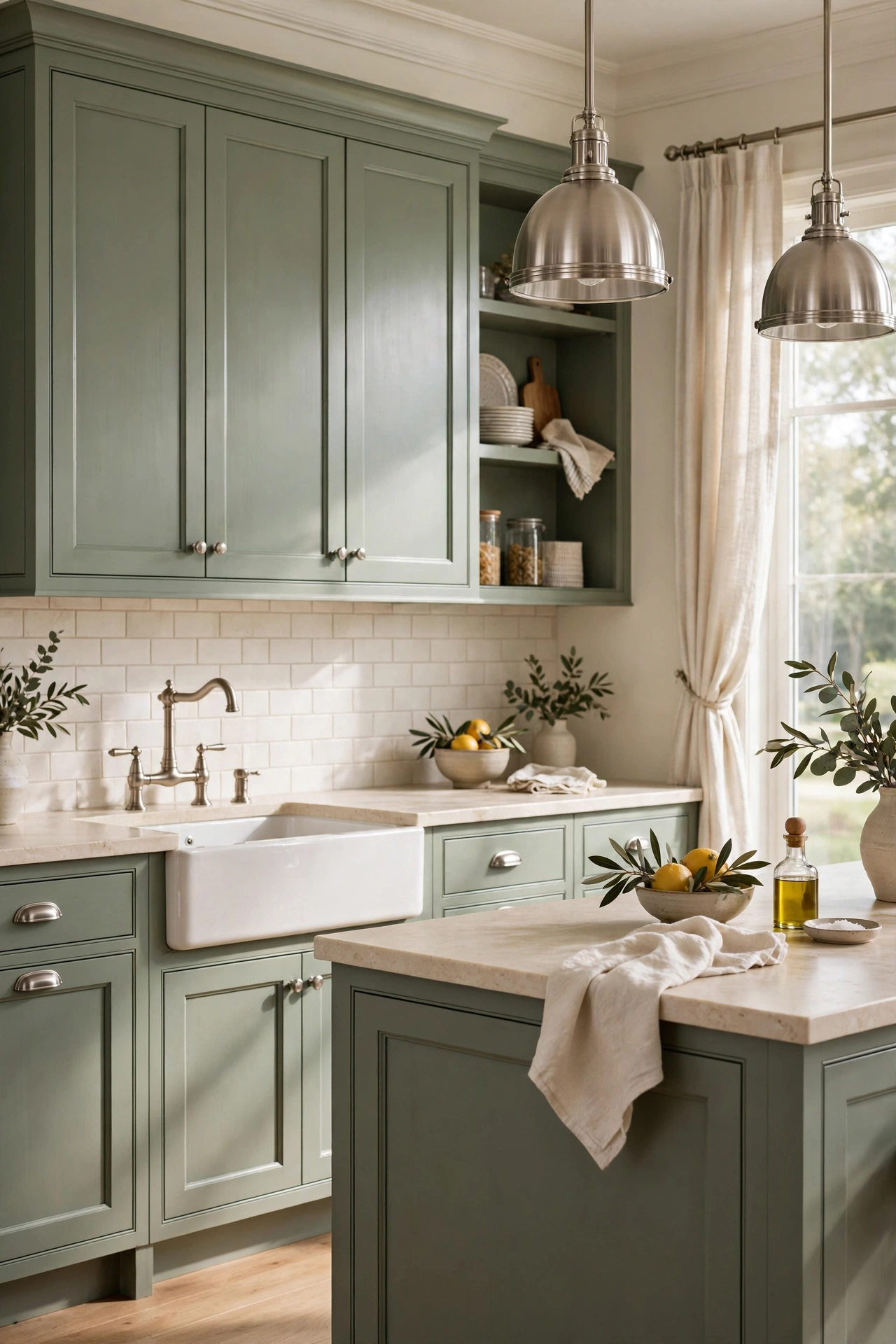
Brushed nickel, often referred to as satin nickel, is the go-to for a more subdued and traditional look. Unlike chrome, which is mirror-like, brushed nickel has a muted texture that is excellent at hiding fingerprints and water spots. It blends seamlessly into almost any color palette, making it a safe but stylish base. To elevate brushed nickel, try mixing it with a bold accent metal like copper or oil-rubbed bronze, which adds a layer of visual interest without overwhelming the space.
Brass Accents for Moody Cabinetry
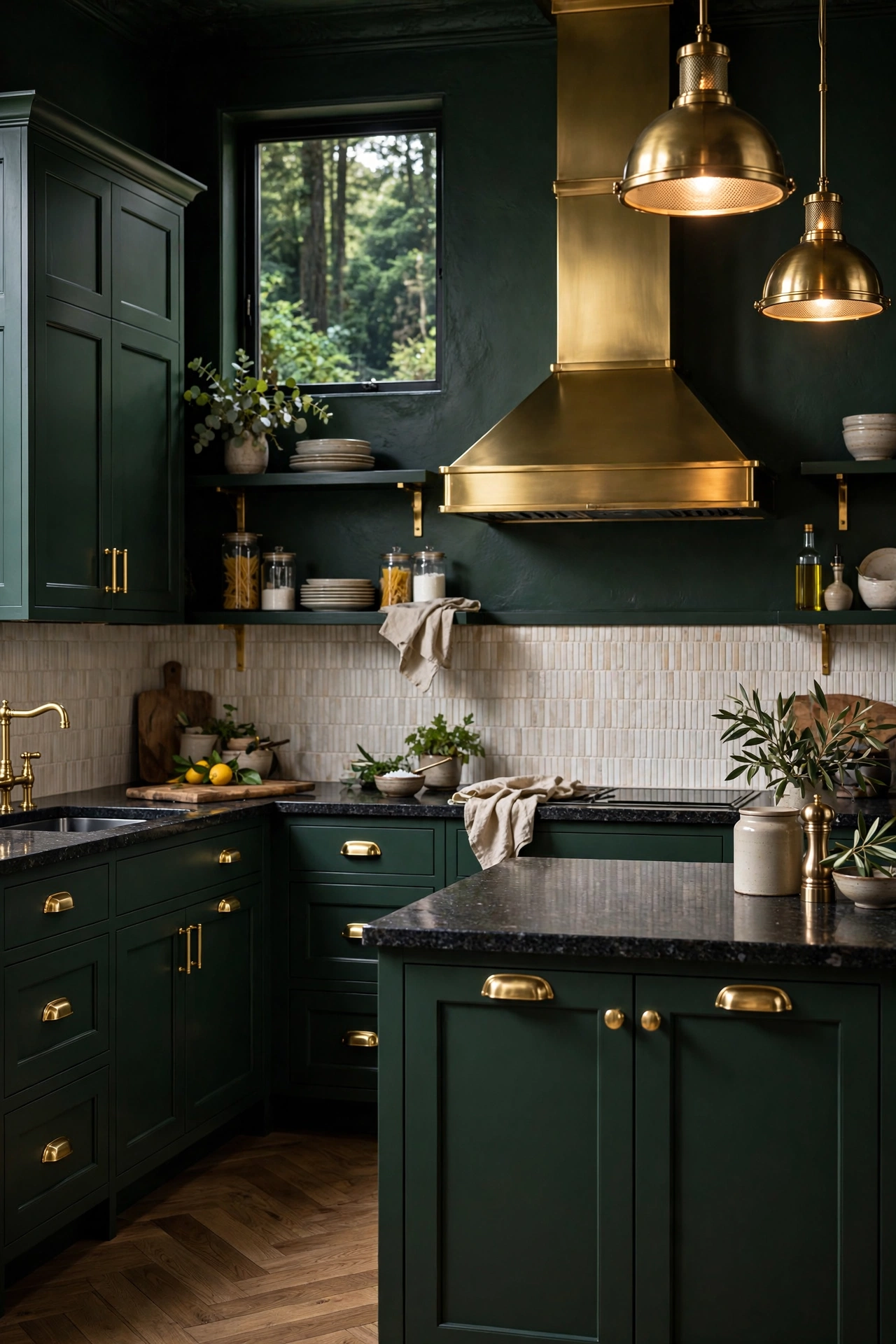
Dark cabinetry in shades of navy, charcoal, or forest green provides the perfect canvas for warm metal finishes. Brass, in particular, glows against deep colors, creating a luxurious and moody atmosphere that feels like a high-end boutique hotel. When using brass on dark cabinets, you can maintain a cohesive look by repeating the brass finish in your lighting or as a trim on your bar stools. This creates a rhythmic flow of warmth throughout the room, balancing the intensity of the dark paint.
Mixing Metals on Airy White Cabinets
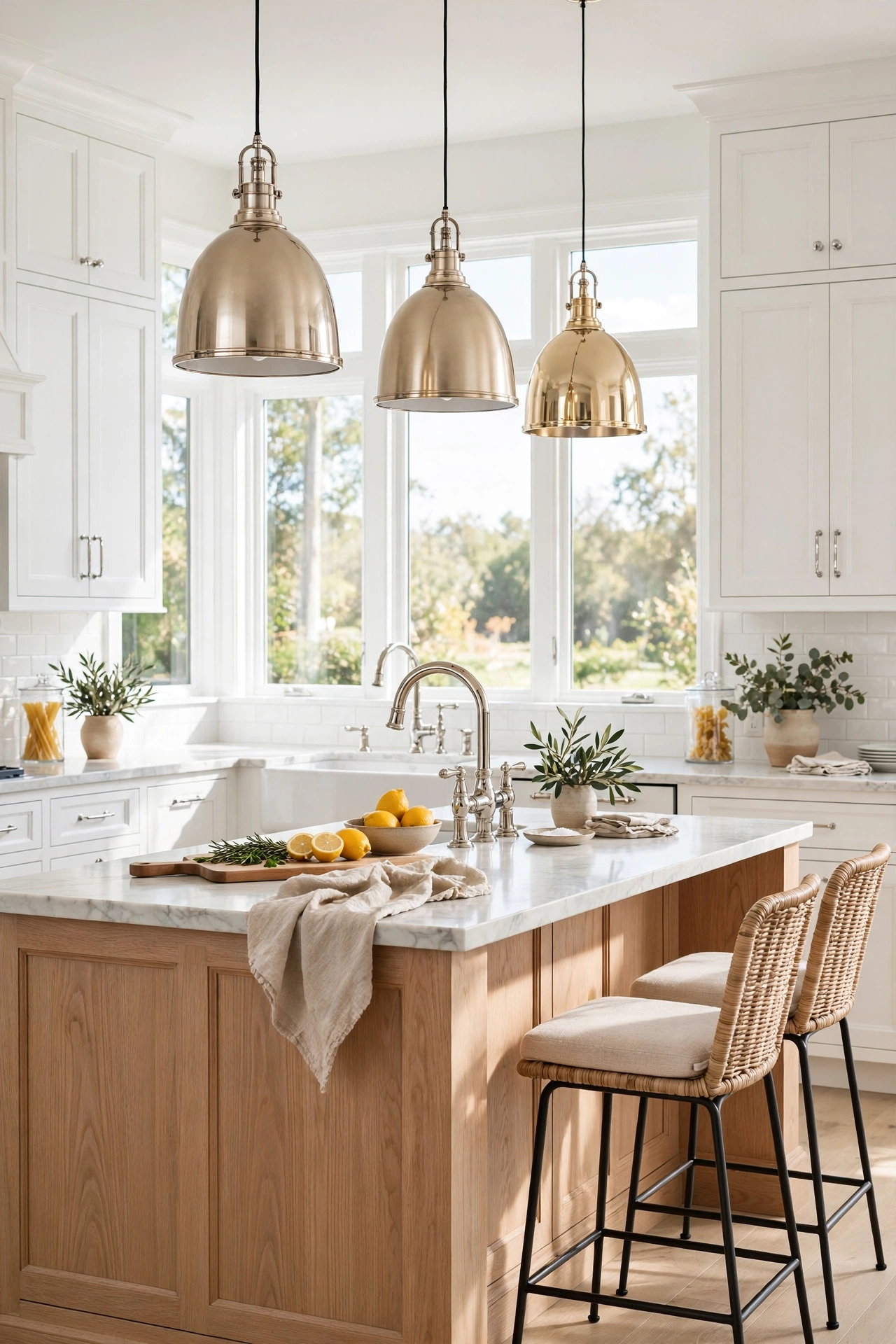
White kitchens are a timeless staple, but they can sometimes feel sterile if only one metal is used. By mixing metals on white cabinetry, you add the necessary contrast to make the room feel designed. A popular approach is to use a cool metal for the functional elements, such as the faucet and appliances, while using a warm metal for the decorative elements, such as the lighting and hardware. This creates a layered effect that feels fresh, light, and thoughtfully curated.
Coordinating with Statement Lighting
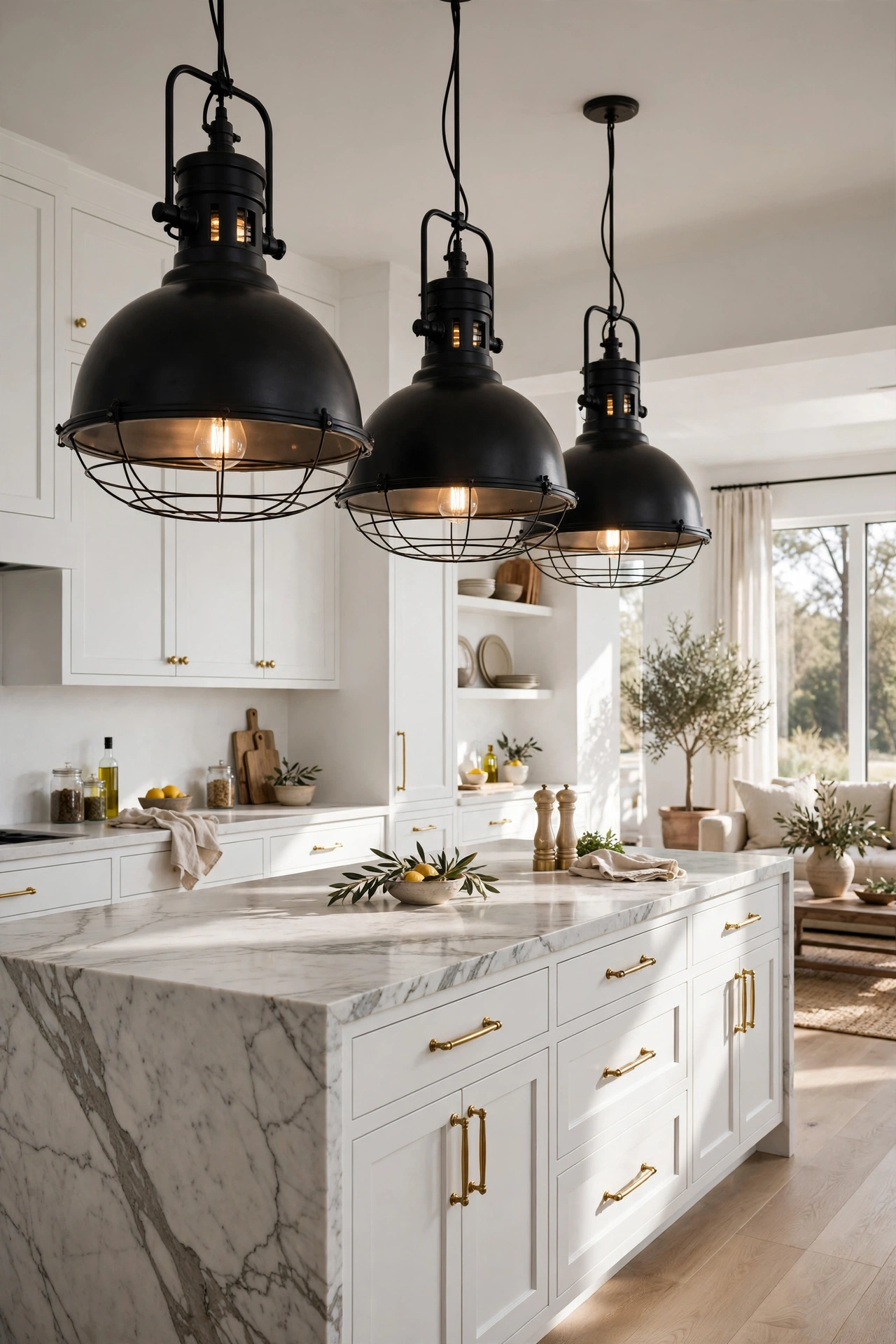
Lighting is the jewelry of the kitchen, and it is the perfect place to introduce a secondary or tertiary metal. If your faucets and handles are a consistent silver tone, consider choosing a bold black or gold finish for your pendant lights or sconces. This draws the eye upward and breaks up the monotony of the lower-level finishes. The key is to ensure the lighting metal is echoed elsewhere in the room—perhaps in a picture frame, a vase, or a decorative tray—to create a sense of unity.
Diverging Faucet and Hardware Finishes
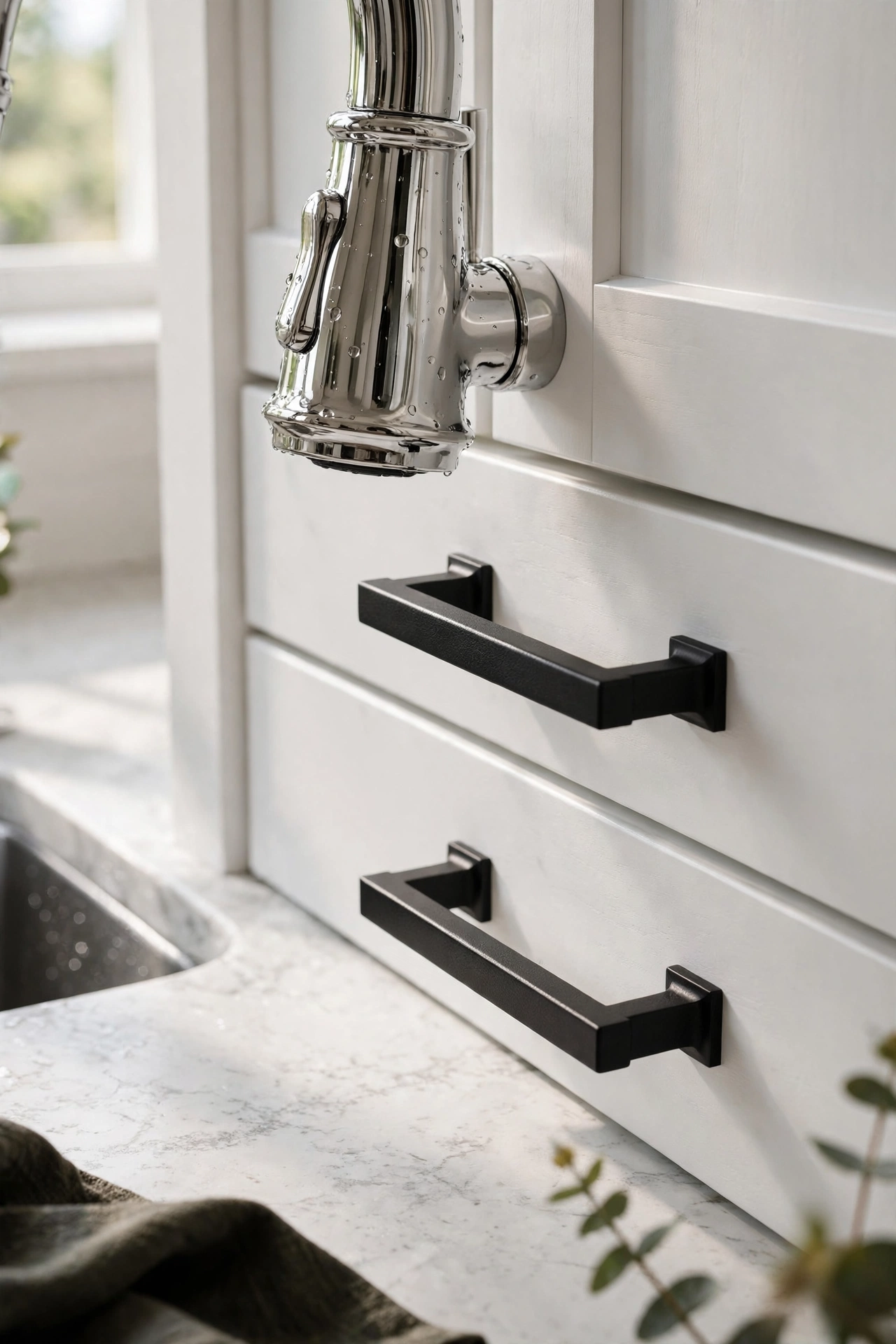
One of the most common design myths is that the kitchen faucet must match the cabinet hardware. In reality, diverging these two finishes is a great way to add personality. By treating the faucet as a standalone statement piece in one finish and the hardware as a cohesive accent in another, you create a more dynamic visual experience. Just be sure that the two finishes share a similar ‘weight’ or vibe; for instance, pairing a sleek modern chrome faucet with minimalist matte black pulls feels harmonious.
Unlacquered Brass for Organic Luxury
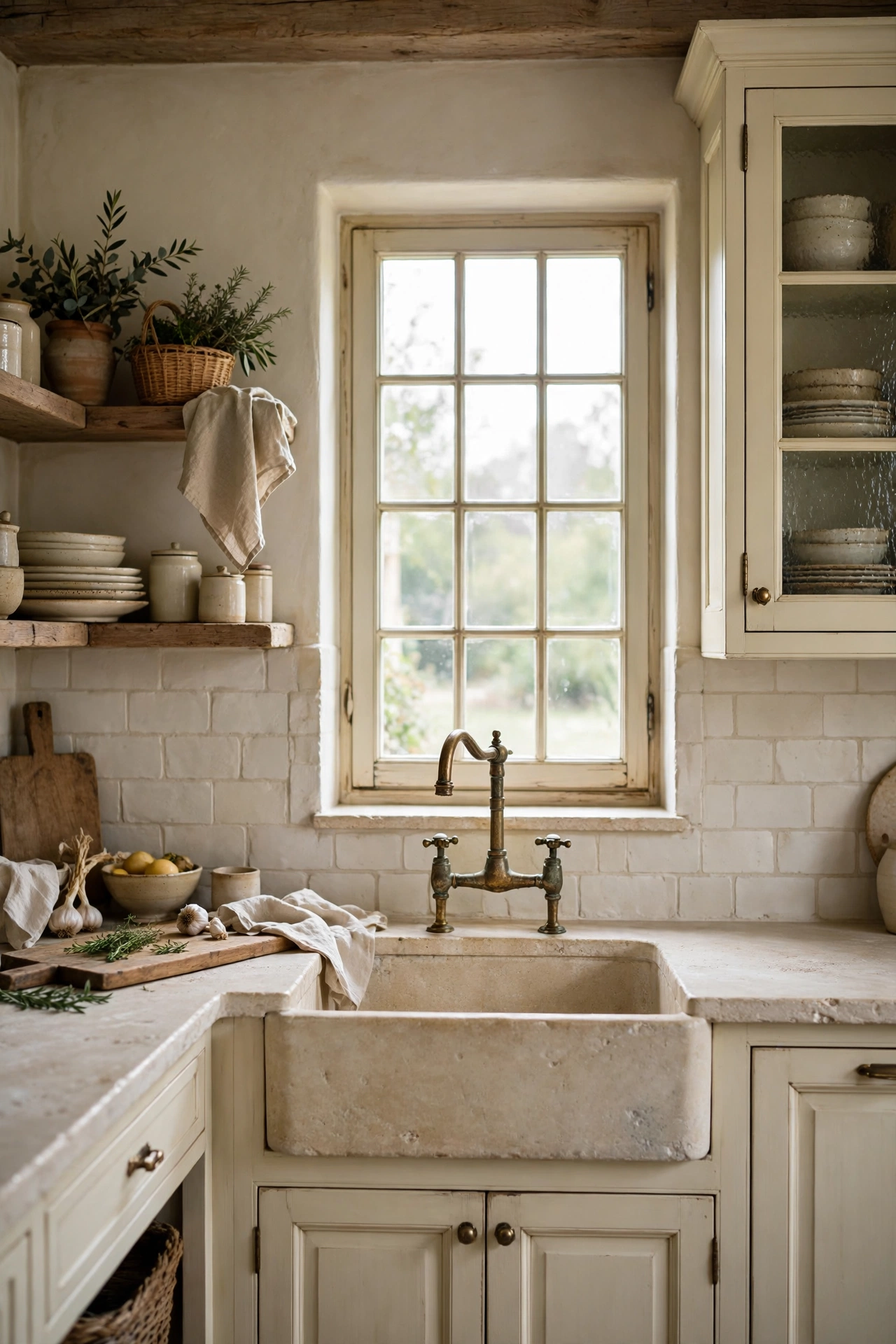
For those who love a vintage or organic feel, unlacquered brass is an exquisite choice. Unlike lacquered finishes, unlacquered brass develops a natural patina over time, changing in color and texture based on use and environment. This ‘living finish’ adds a sense of history and soul to a new kitchen. Because it is so visually rich, it pairs beautifully with other natural materials like reclaimed wood and stone, and it can be mixed with polished nickel for a look that is both aged and refined.
Extending Metal Continuity to the Pantry
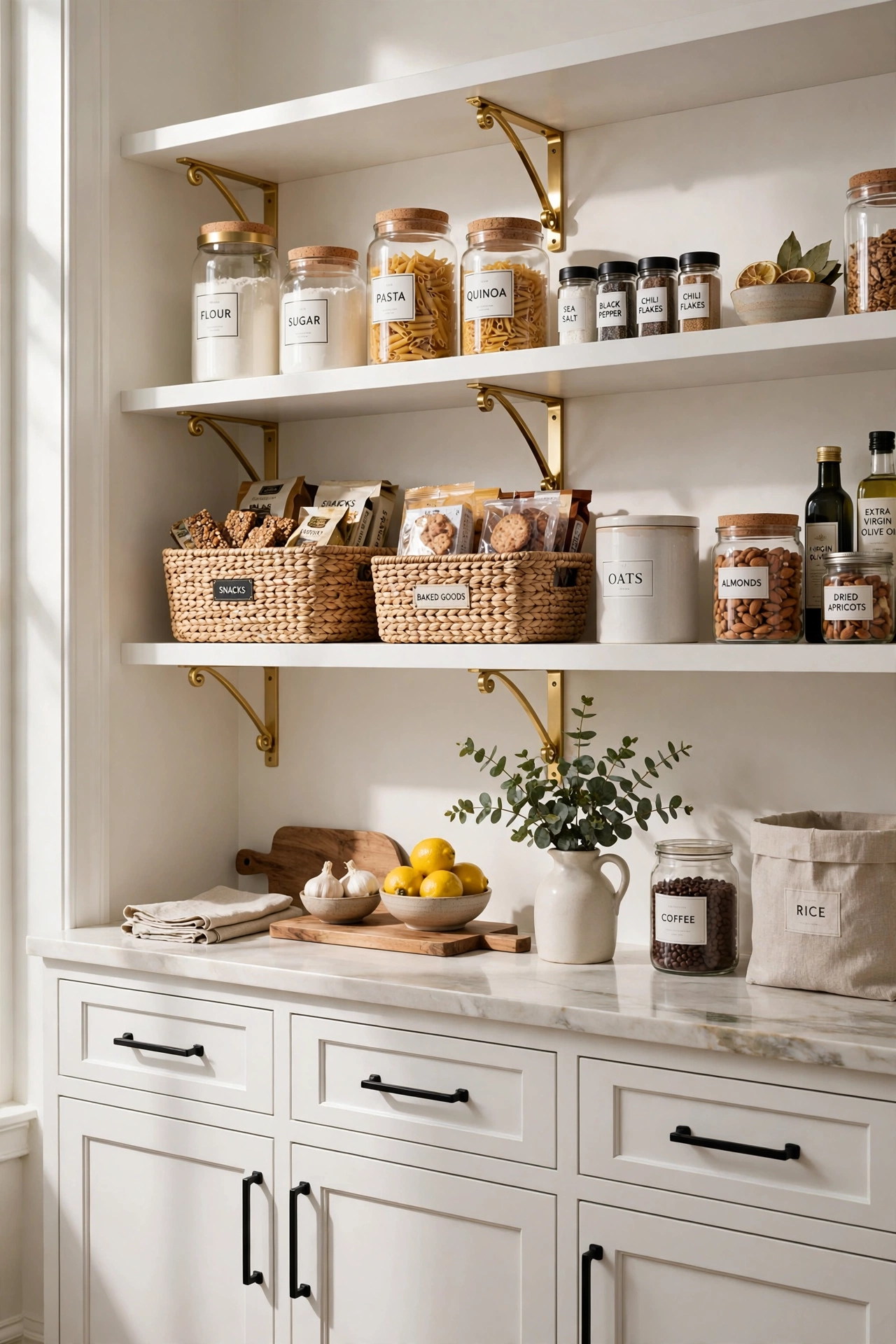
The design journey shouldn’t stop at the kitchen threshold; extending your mixed-metal palette into the pantry creates a seamless transition. If you have used a mix of black and brass in the main kitchen, carry those same finishes into the pantry through the shelving brackets or cabinet knobs. This consistency signals a professional level of planning and ensures that the utility spaces of your home feel just as luxurious and considered as the primary living areas.
Balancing Matte and Polished Sheens
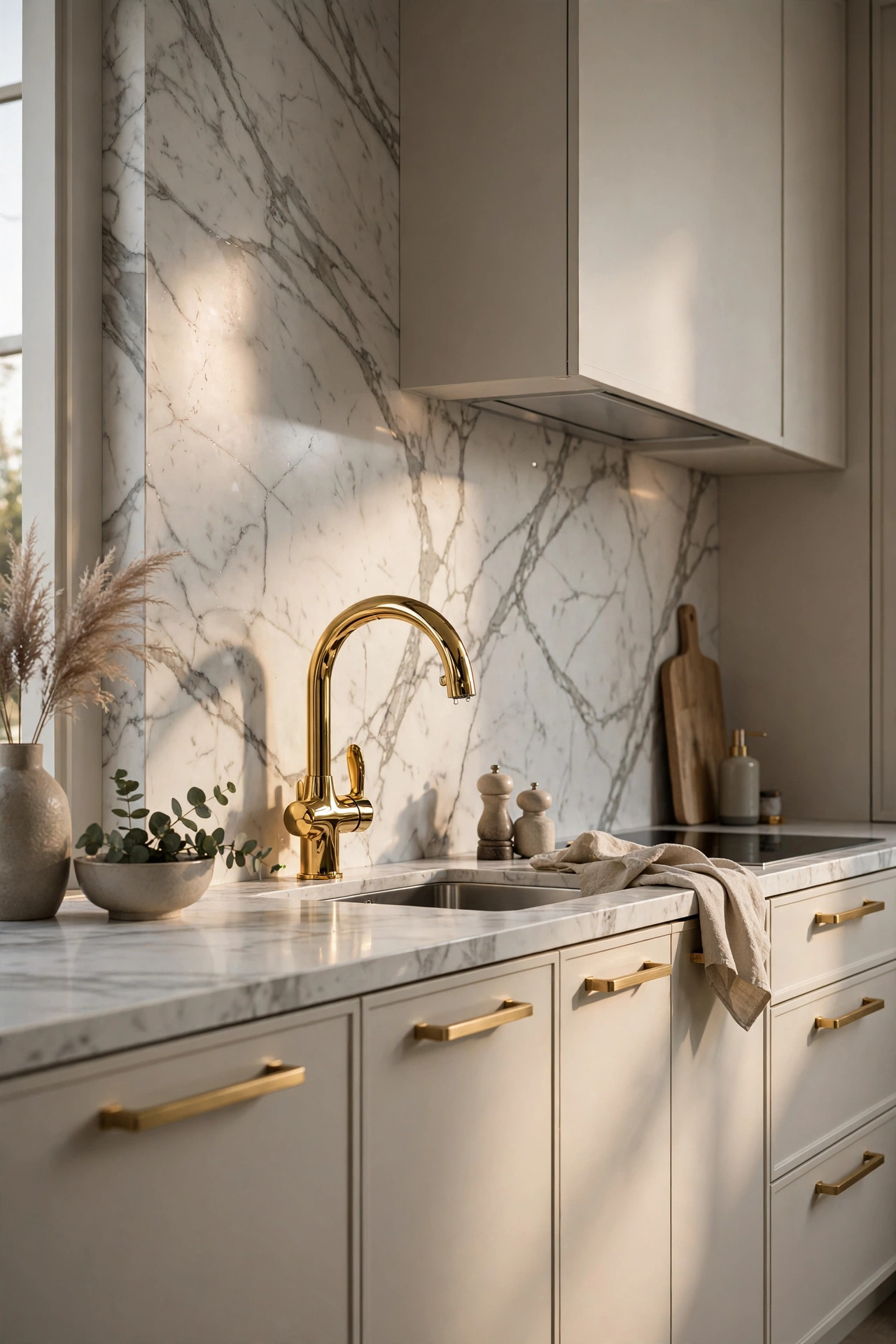
Beyond the color of the metal, the sheen—whether it is matte, polished, or brushed—plays a critical role in the overall mood. Mixing sheens within the same color family can be just as effective as mixing different metals. For example, pairing a polished gold faucet with matte gold hardware adds a subtle layer of sophistication without introducing too many colors. The contrast between the reflective surface of the faucet and the muted look of the hardware creates a sophisticated, multi-dimensional finish.