
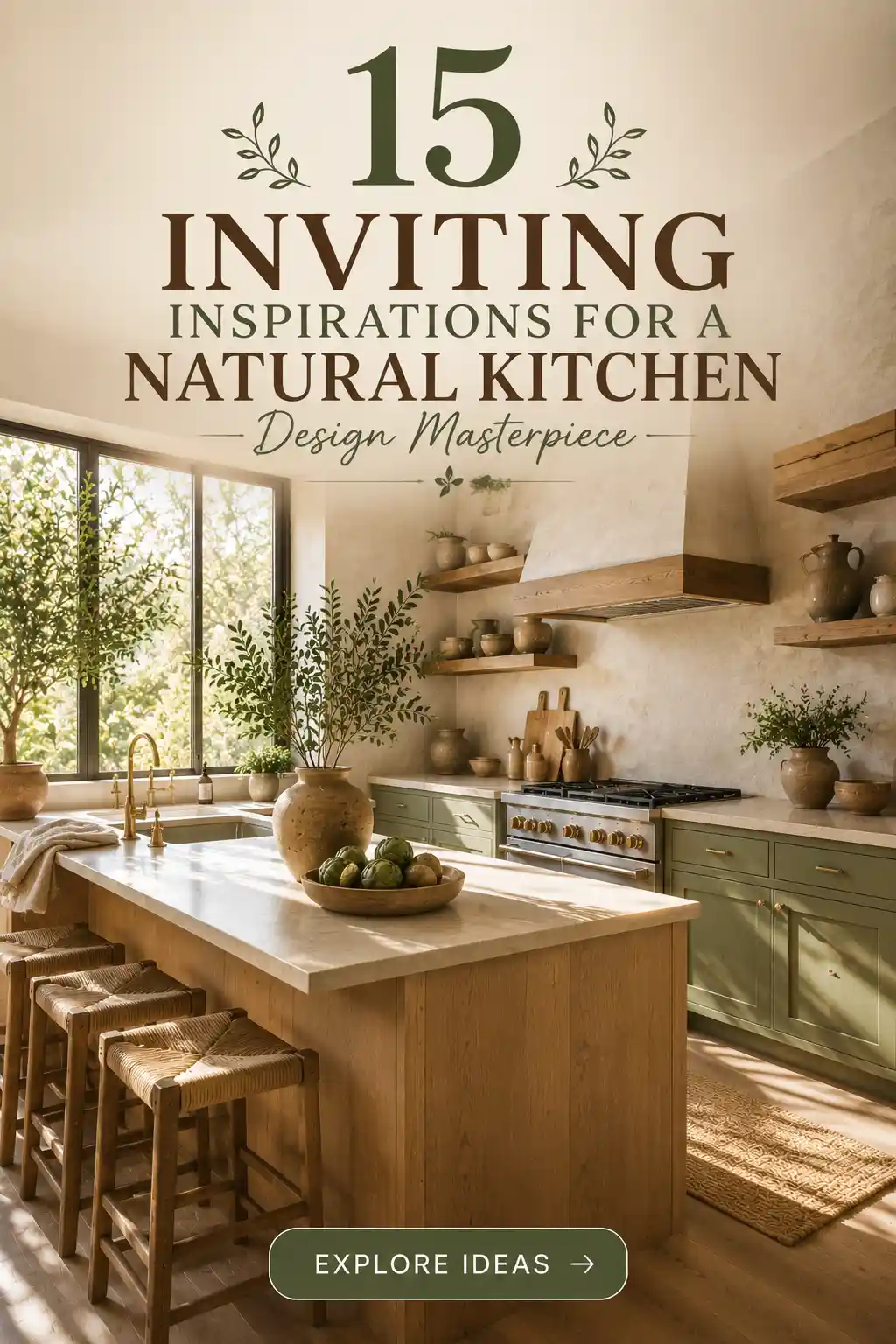
Transforming your kitchen into a nature-inspired sanctuary is about more than just aesthetics; it is about creating a space that fosters tranquility and connection. By blending organic materials, soft earthy palettes, and sustainable choices, you can turn the heart of your home into a serene retreat. Whether you prefer the crisp lines of organic modernism or the cozy embrace of a rustic farmhouse, these curated design directions will help you balance functionality with the timeless beauty of the outdoors.
The Serenity of Timeless Neutrals
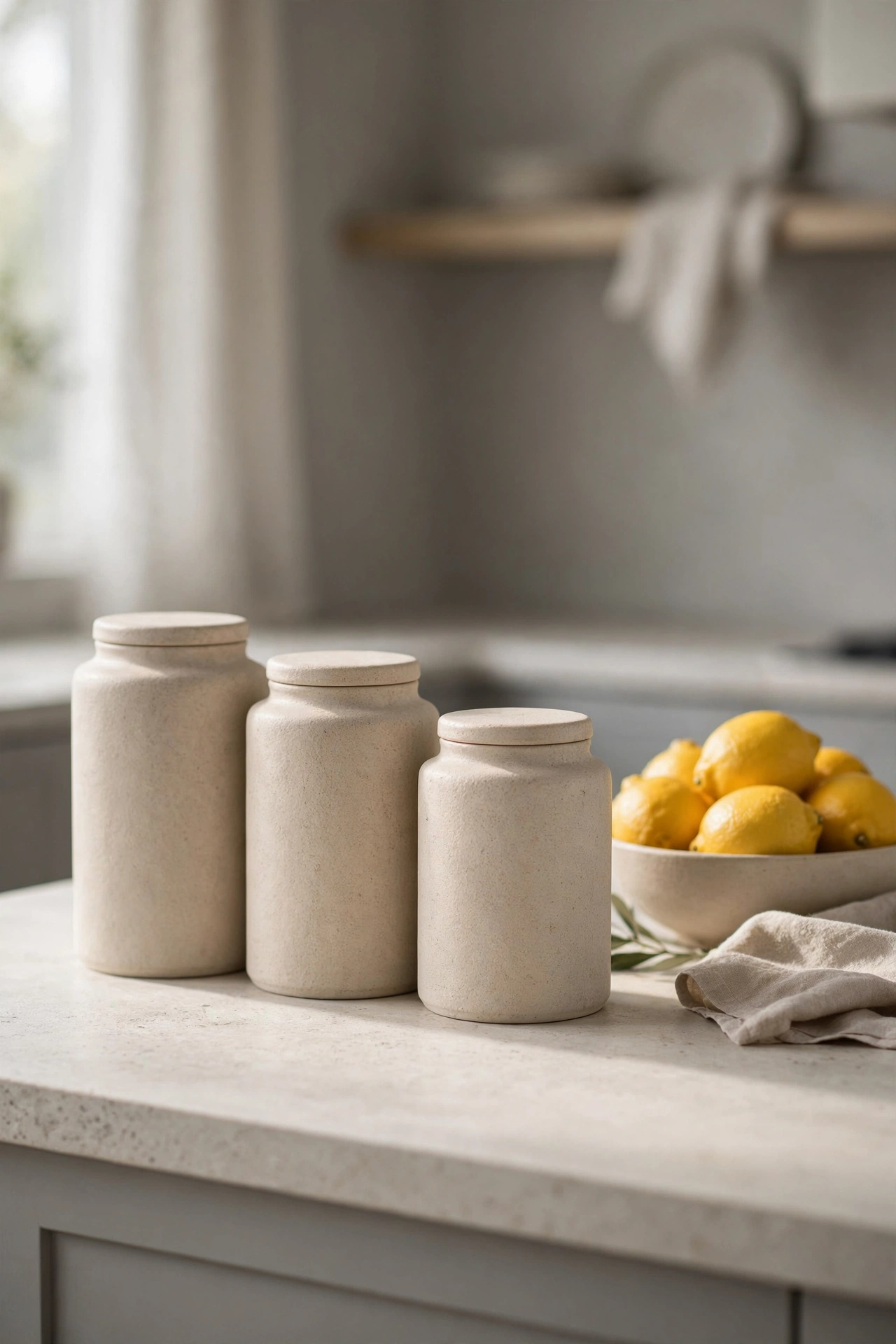
Creating a foundation of neutral tones is the most effective way to instill a sense of peace in your kitchen. By utilizing a palette of soft beiges, warm whites, and gentle greys, you create a versatile canvas that allows the natural textures of your home to shine. Instead of stark whites, opt for creamier hues that feel inviting rather than clinical. Incorporate accessories like matte ceramic storage jars and linen hand towels to add depth. This approach not only makes the space feel larger and more open but also provides a calming backdrop for daily culinary activities.
Blending Organic Modernism
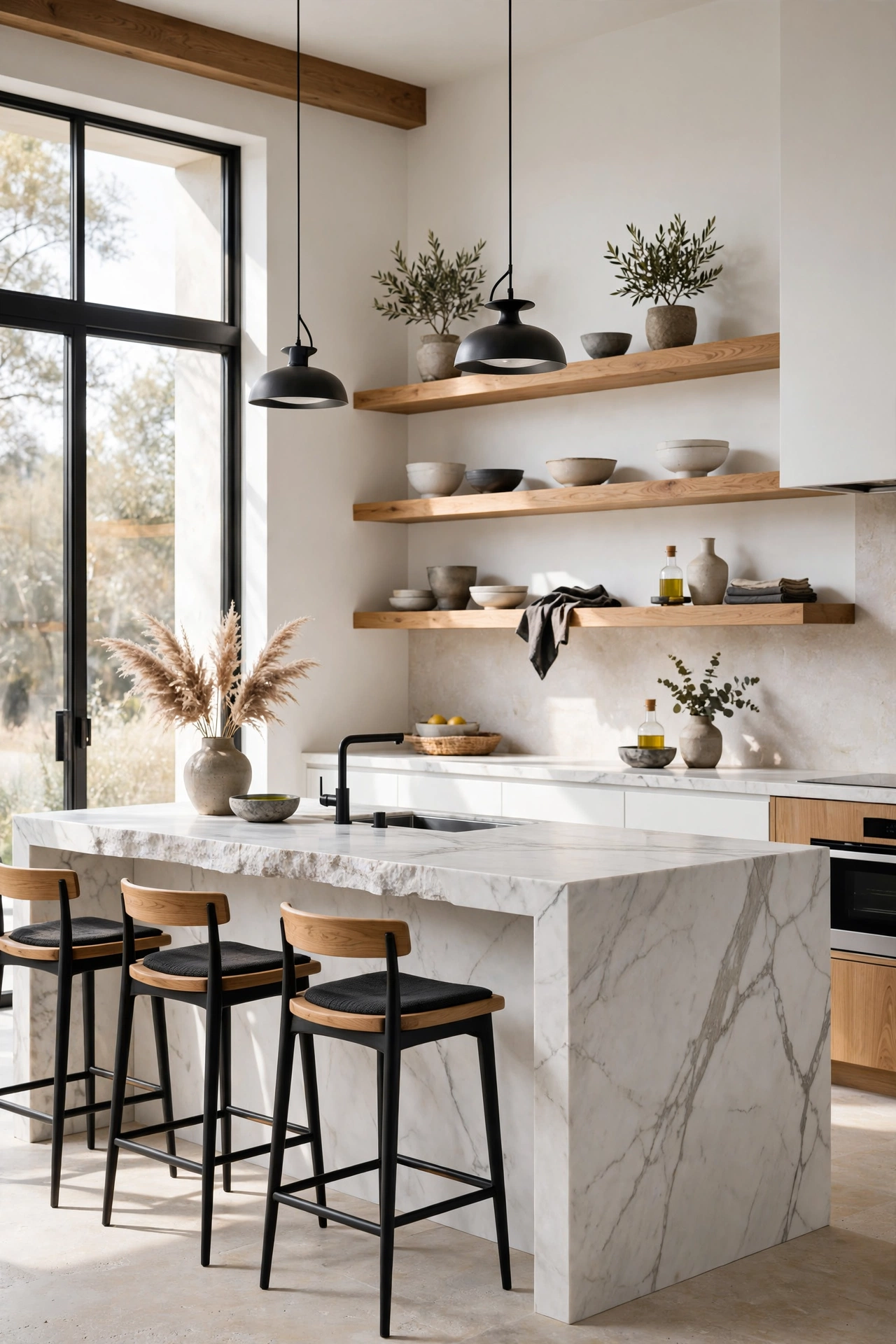
Organic modernism is the perfect marriage between sleek, contemporary architecture and the raw beauty of nature. To achieve this look, pair high-end finishes like polished quartz or marble countertops with the warmth of natural wood accents. Think of a minimalist white kitchen elevated by a massive reclaimed wood island or open shelving made from raw-edge timber. This contrast ensures the room feels sophisticated and current while remaining grounded and welcoming. The key is to keep the lines clean and the clutter minimal, letting the quality of the materials speak for themselves.
Rustic Farmhouse Authenticity
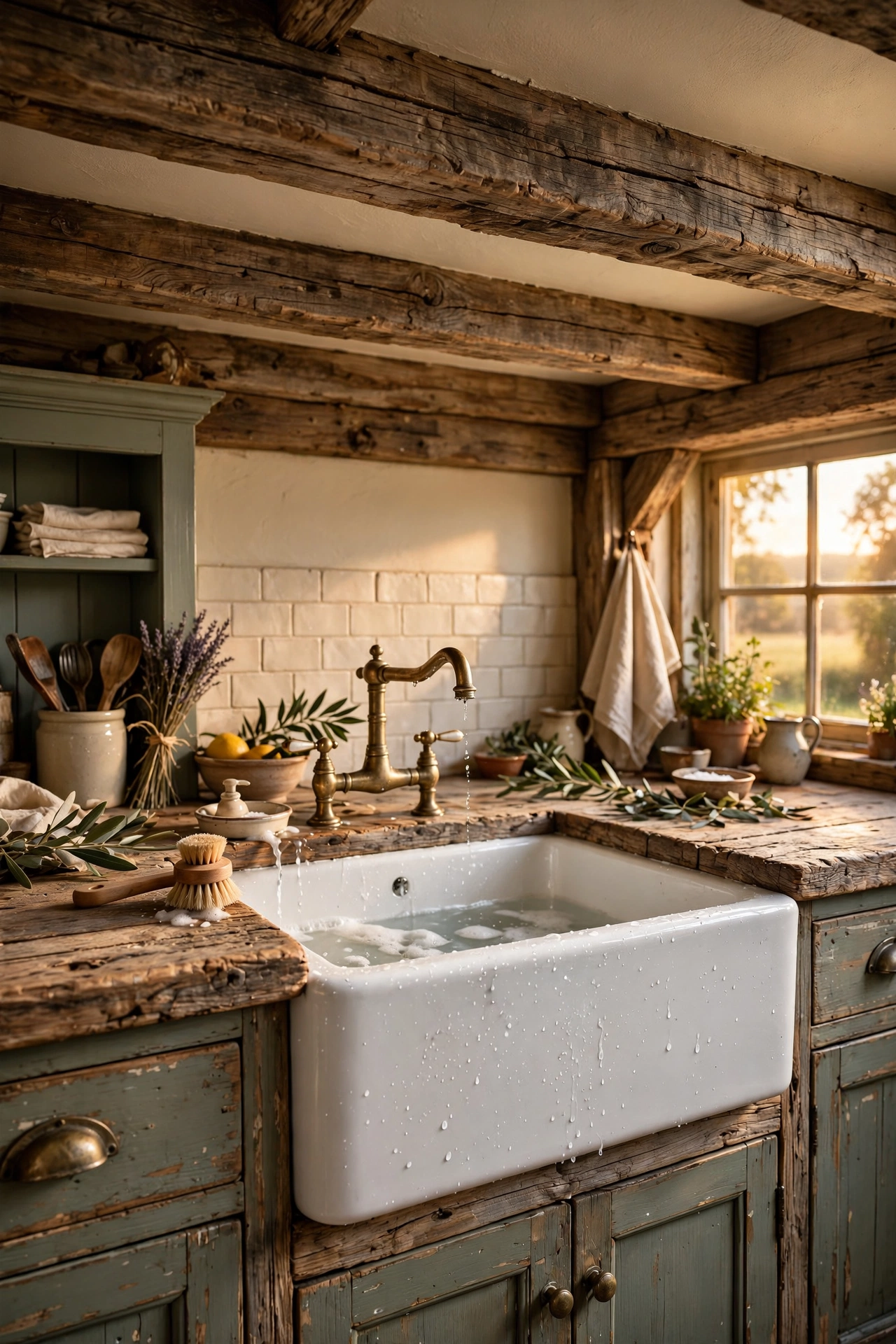
For those who crave a nostalgic and cozy atmosphere, the rustic farmhouse aesthetic is unmatched. This style celebrates the imperfect and the enduring, featuring elements like exposed ceiling beams, distressed wood flooring, and the iconic apron-front sink. To prevent the space from feeling dated, mix in modern energy-efficient appliances that blend seamlessly into the cabinetry. Using a soft sage or muted blue for the lower cabinets can add a touch of color that echoes the countryside, making the kitchen feel like a warm heart of the home where family gathers.
Earthy and Warm Color Palettes
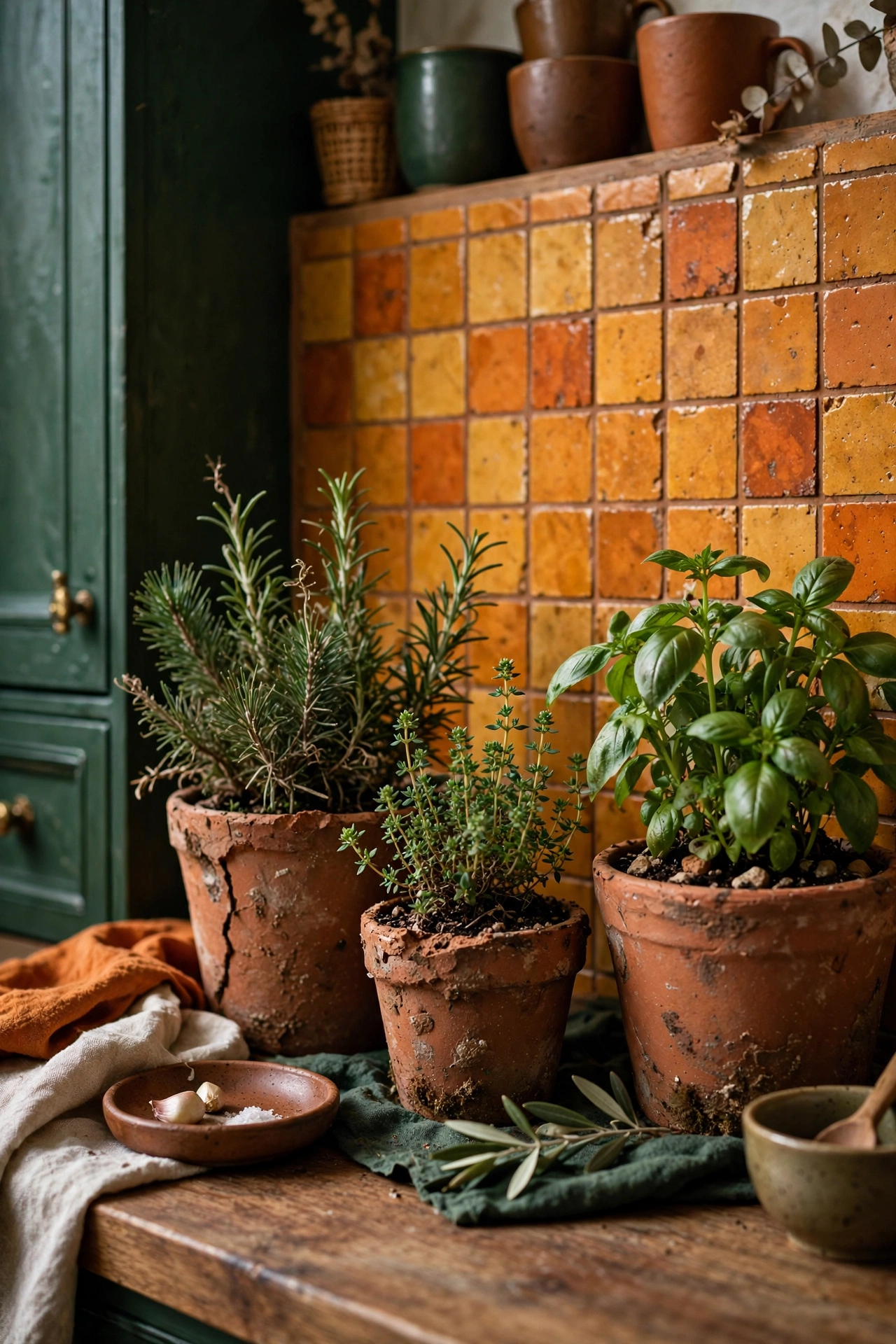
Drawing inspiration from the earth’s own palette can breathe immediate life into a kitchen. Incorporate rich, saturated tones such as deep ochre, terracotta, and forest green to create a grounded and nurturing environment. These colors can be introduced through a stunning tiled backsplash, a statement kitchen island, or even through curated accessories like clay pottery and woven baskets. Earthy tones have a psychological effect of making a space feel more secure and cozy, seamlessly bridging the gap between your indoor living space and the natural world outside.
The Art of Wood Contrast
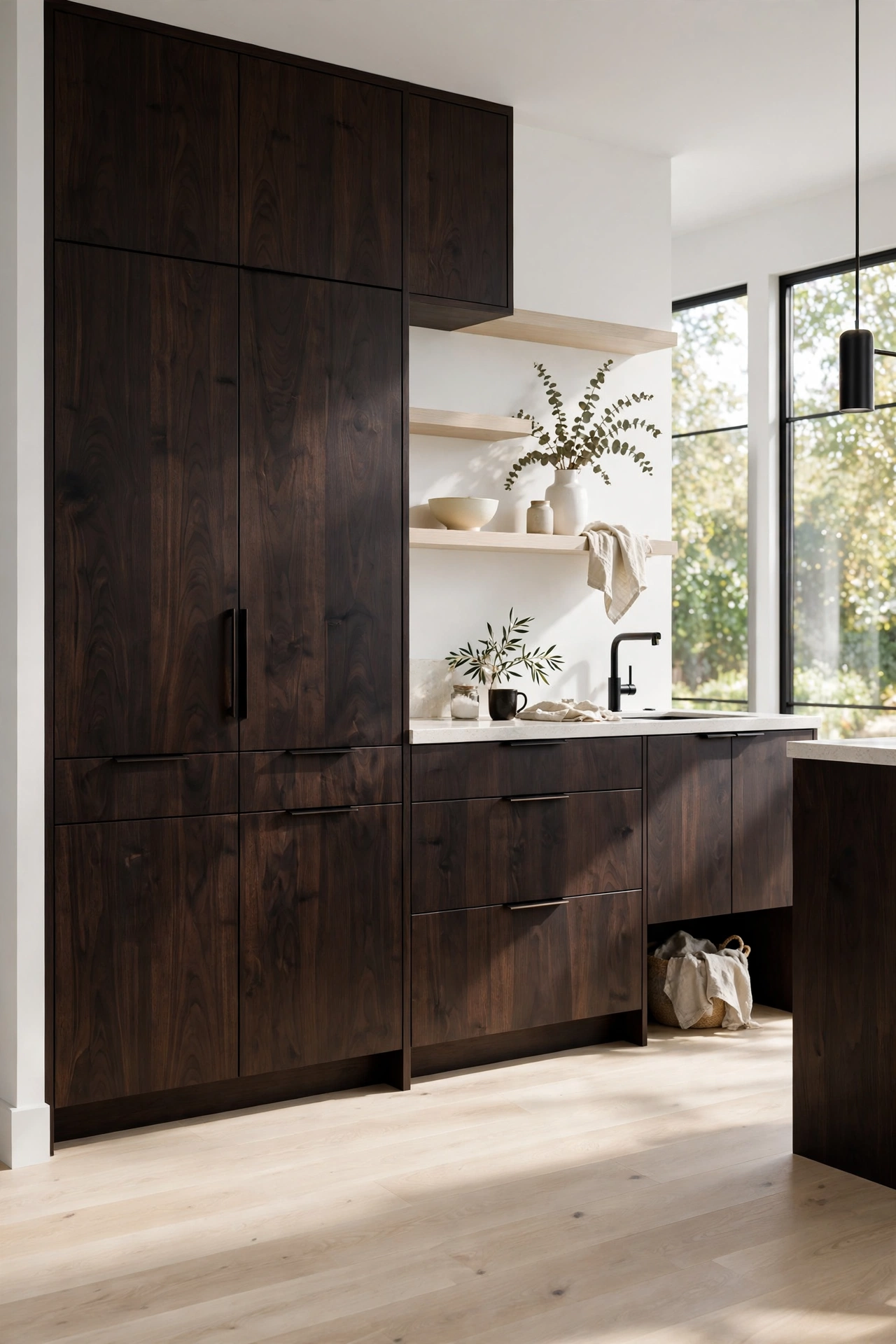
Visual interest is often created through contrast, and pairing different wood tones is a sophisticated way to achieve this in a natural kitchen. Try combining deep, dark woods like walnut or mahogany for the cabinetry with lighter tones like ash, maple, or white oak for the flooring and ceiling. This dynamic prevents the room from feeling too heavy or too washed out, providing a balanced sense of depth. When mixing woods, keep the undertones consistent—either all warm or all cool—to ensure the design feels cohesive rather than chaotic.
Creating a Cozy Culinary Nook
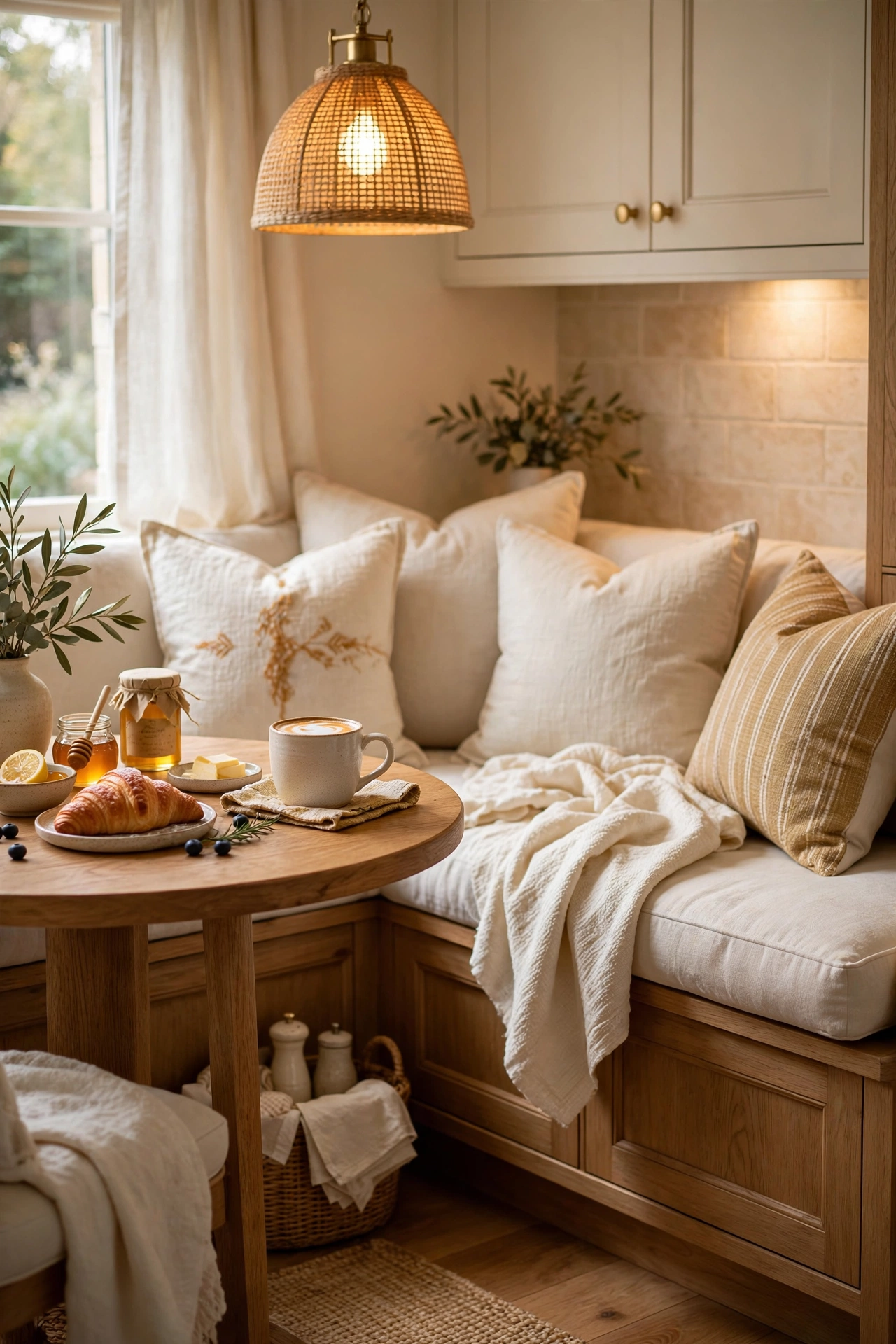
A kitchen should be more than just a place for food preparation; it should be a place of comfort. Incorporate a cozy nook by adding plush textiles, such as linen seat cushions or a soft woven throw over a breakfast bench. Soft, layered lighting—combining under-cabinet LEDs with a warm ambient pendant—can transform the mood of the room instantly. By adding these tactile elements, you shift the kitchen from a utilitarian workspace to a nurturing environment that encourages slow mornings and long conversations over coffee.
Sustainable and Eco-Friendly Choices
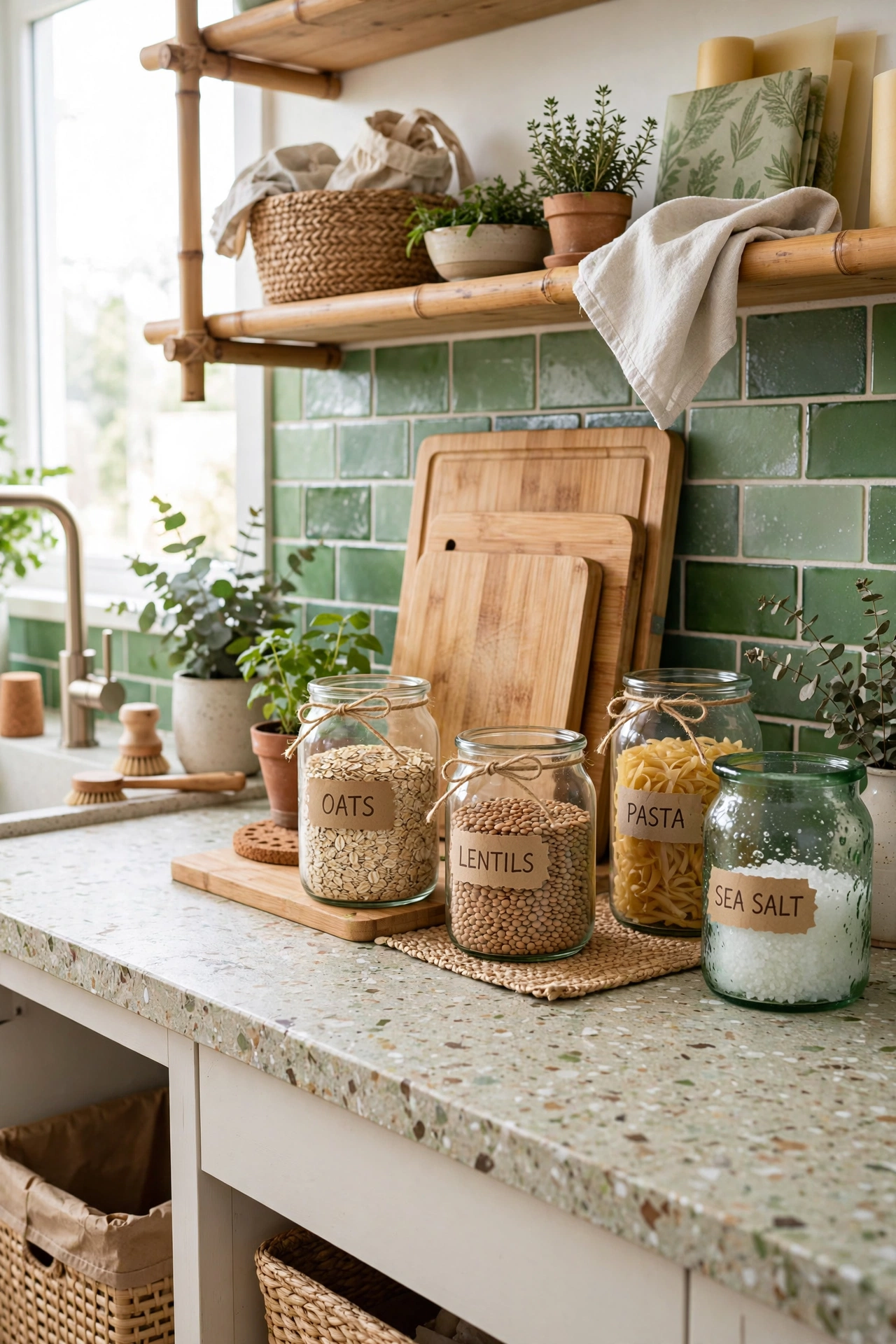
Embracing sustainability is a key component of a truly natural kitchen. Look for materials that have a low environmental impact, such as bamboo for cabinetry or cutting boards, and recycled glass for storage containers. Opting for low-VOC paints and energy-efficient appliances not only helps the planet but also improves the indoor air quality of your home. When choosing finishes, consider natural oils or waxes over synthetic lacquers to keep the look authentic and the environment healthy, ensuring your kitchen is as kind to the earth as it is beautiful.
Minimalist Nature Integration
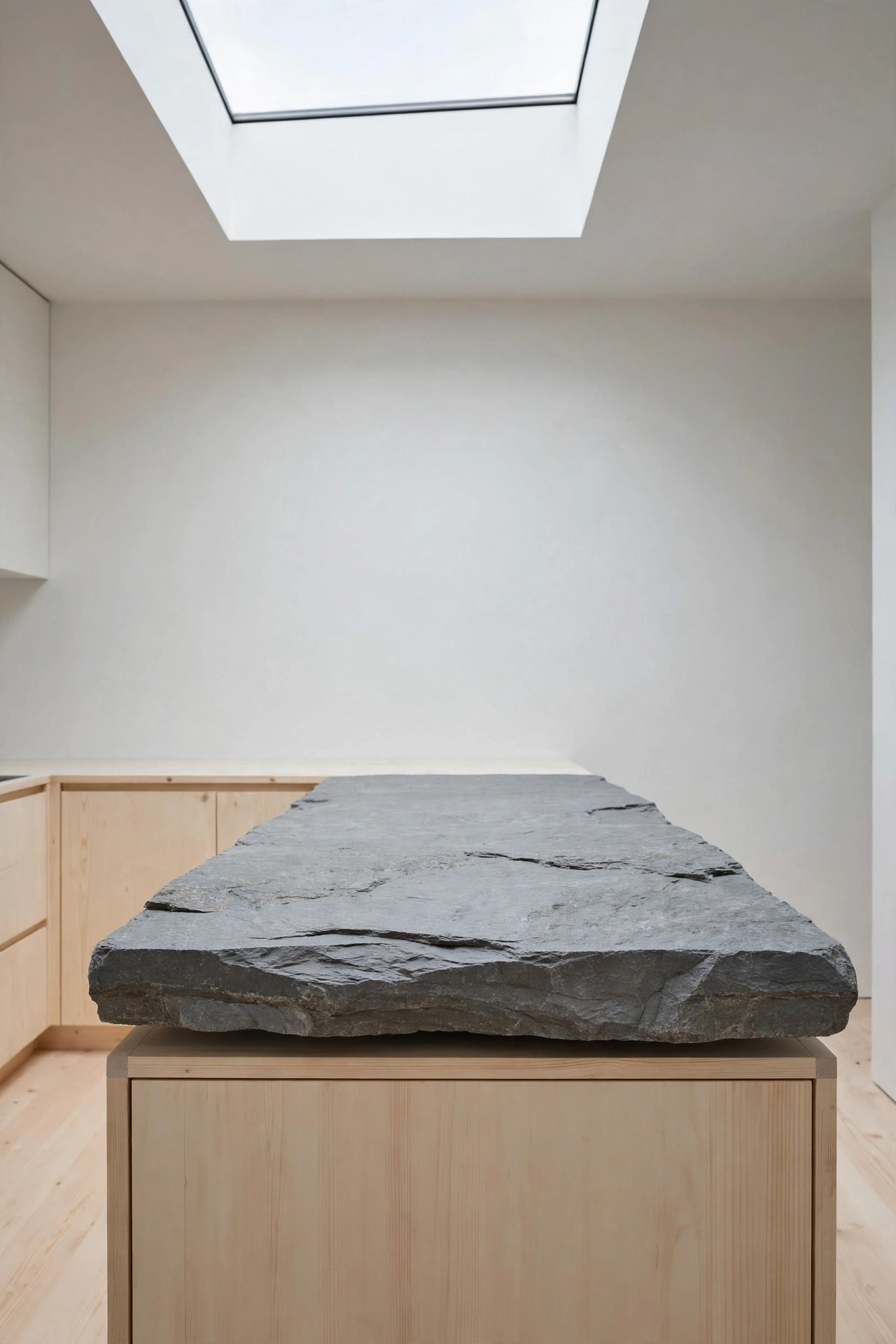
Minimalism meets nature when you strip away the unnecessary and focus on the raw beauty of a few high-quality elements. A minimalist natural kitchen relies on a ‘less is more’ philosophy, utilizing streamlined cabinetry and an absence of ornate decoration. The focal point becomes the material itself—perhaps a single, dramatic slab of raw slate or a seamless concrete floor. By removing visual noise, you allow the natural patterns of the stone and wood to become the art of the room, creating a meditative space that promotes clarity and calm.
The Warmth of Wooden Countertops
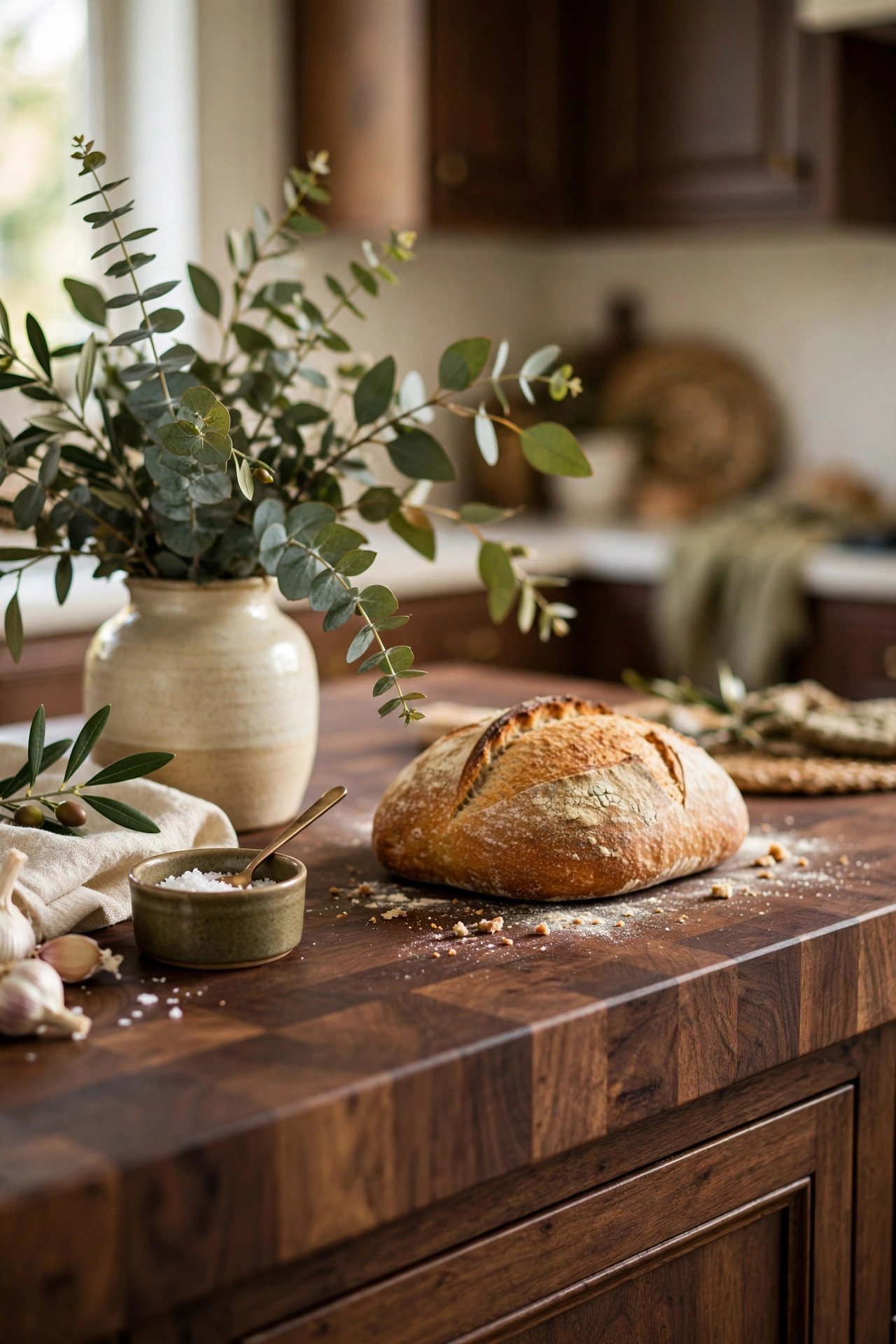
Replacing cold stone or laminate with wooden countertops can instantly change the temperature of a room. Whether you choose the deep richness of walnut, the classic grain of oak, or the brightness of maple, wood adds an organic warmth that is tactile and inviting. Butcher block surfaces are not only functional for food prep but also age beautifully, developing a unique patina over time. To maintain this look, regular oiling keeps the wood vibrant, ensuring that your kitchen remains a warm, living space that feels connected to the forest.
Integrating Living Greenery
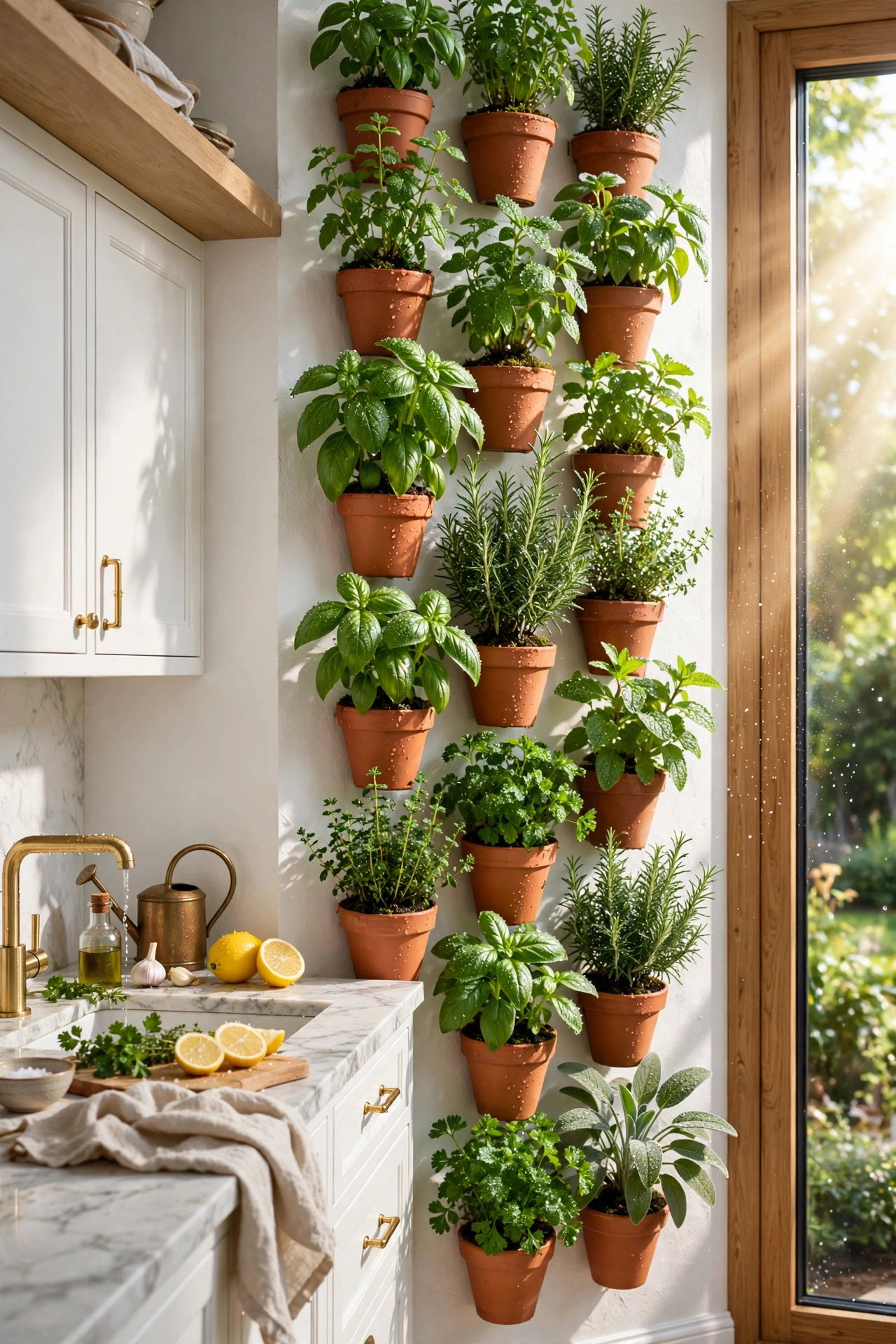
Bringing the outdoors inside is the most literal way to achieve a natural design. Integrate living greenery by installing a vertical herb garden, placing potted ferns on windowsills, or adding a hanging ivy plant from the ceiling. Plants do more than just add a pop of color; they purify the air and create a vibrant, living energy in the room. Pair your greenery with natural materials like wicker baskets or stone pots to reinforce the organic theme, making your kitchen feel like a lush, indoor garden.
Vintage Accents in Modern Spaces
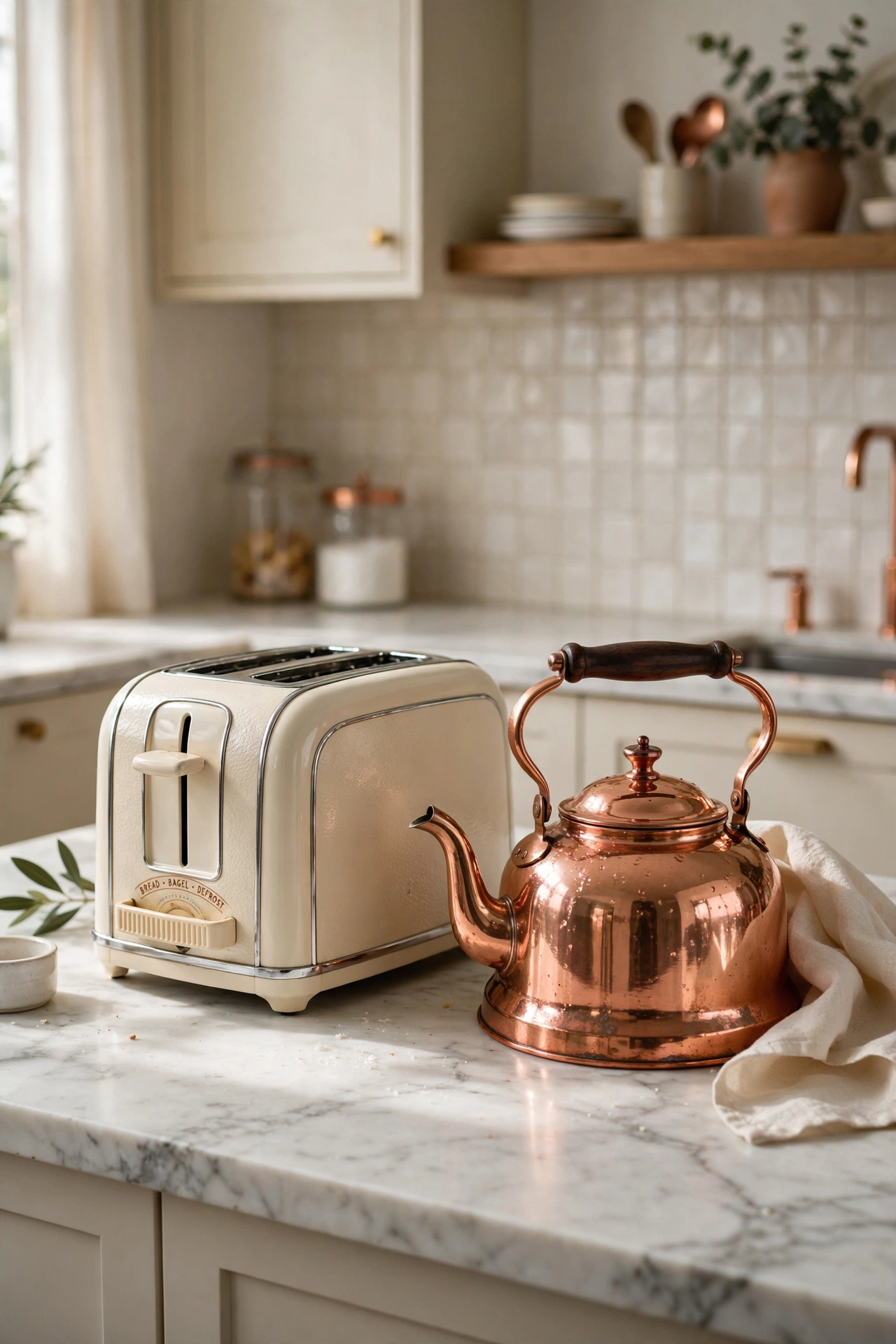
Adding vintage touches to a modern kitchen prevents the space from feeling too sterile or mass-produced. Incorporate high-quality retro appliances, antique brass hardware, or a salvaged vintage table to add a layer of history and character. The secret to this look is the ‘mix and match’ approach—pairing a sleek, modern induction cooktop with a vintage copper pot rack, for example. This blend of old and new creates a curated, collected feel that suggests the kitchen has evolved over time, adding an emotional depth to the design.
Maximizing Natural Luminescence
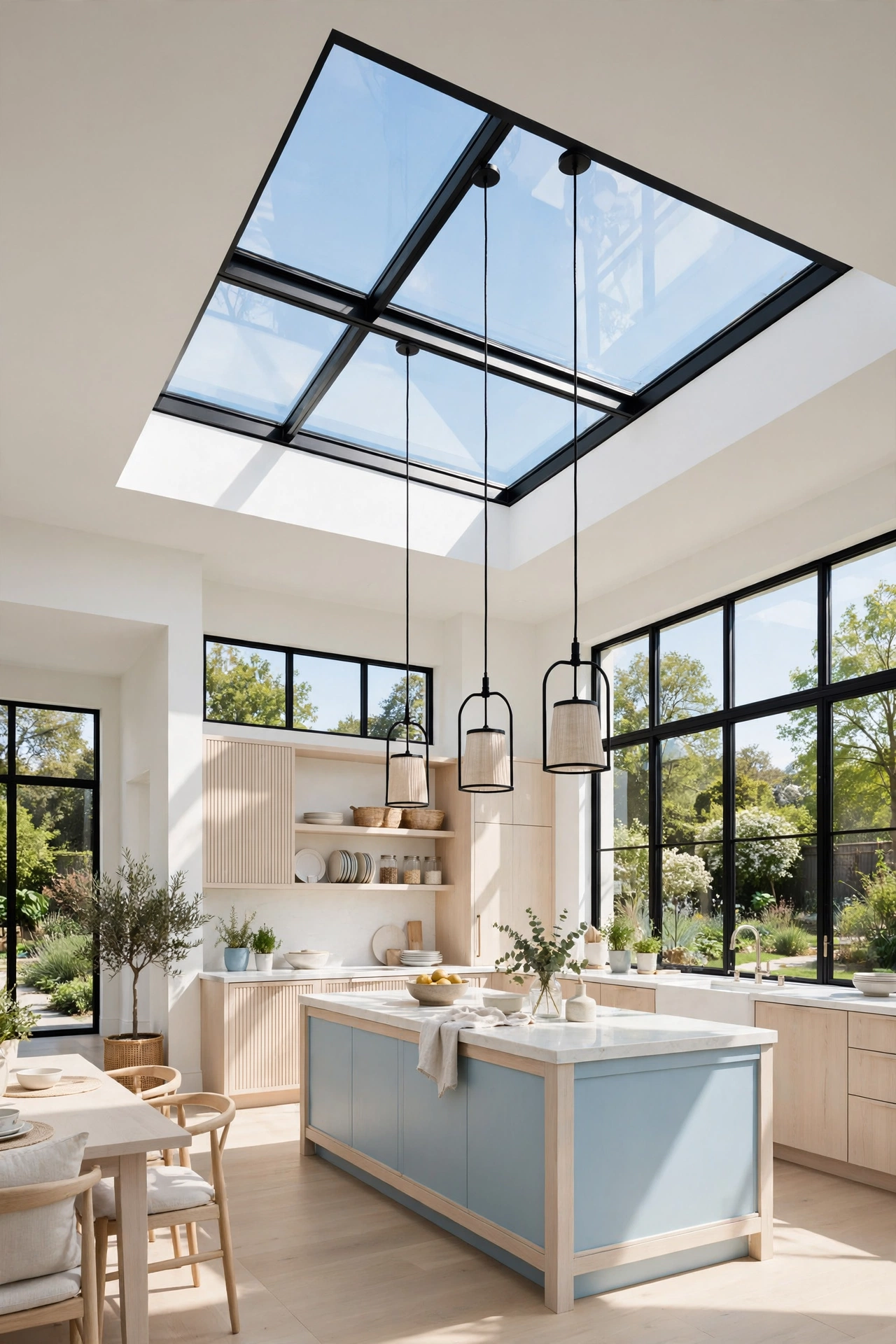
Light is a natural material in its own right. To maximize the natural feel of your kitchen, prioritize the entry of sunlight through large windows, glass doors, or strategically placed skylights. Natural light enhances the true colors of your wood and stone, making the space feel more energetic and open. If your kitchen lacks windows, consider using mirrors or reflective light-colored surfaces to bounce whatever light is available throughout the room. A bright, sun-drenched kitchen not only improves mood but also highlights the organic textures you’ve carefully chosen.
Texture-Rich Natural Backsplashes
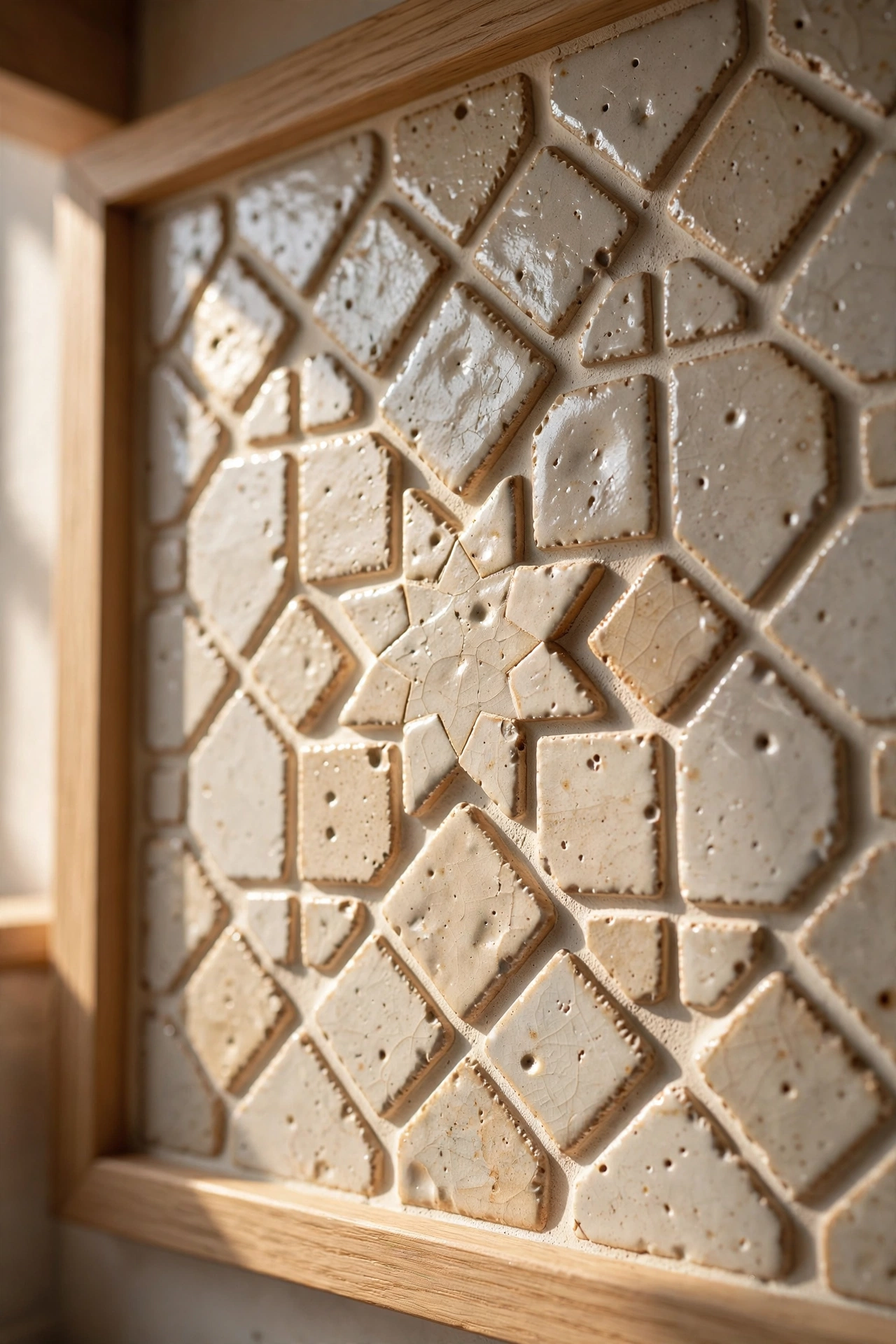
The backsplash is a prime opportunity to introduce tactile interest without overwhelming the room. Instead of flat, uniform tiles, opt for materials with natural variation, such as handmade Zellige tiles, tumbled travertine, or reclaimed brick. These materials possess inherent imperfections—slight color shifts and uneven surfaces—that add a human, artisanal touch to the kitchen. When paired with a simple countertop, a textured backsplash becomes a subtle focal point that adds sophistication and a sense of craftsmanship to the overall design.
The Timeless Appeal of White Oak
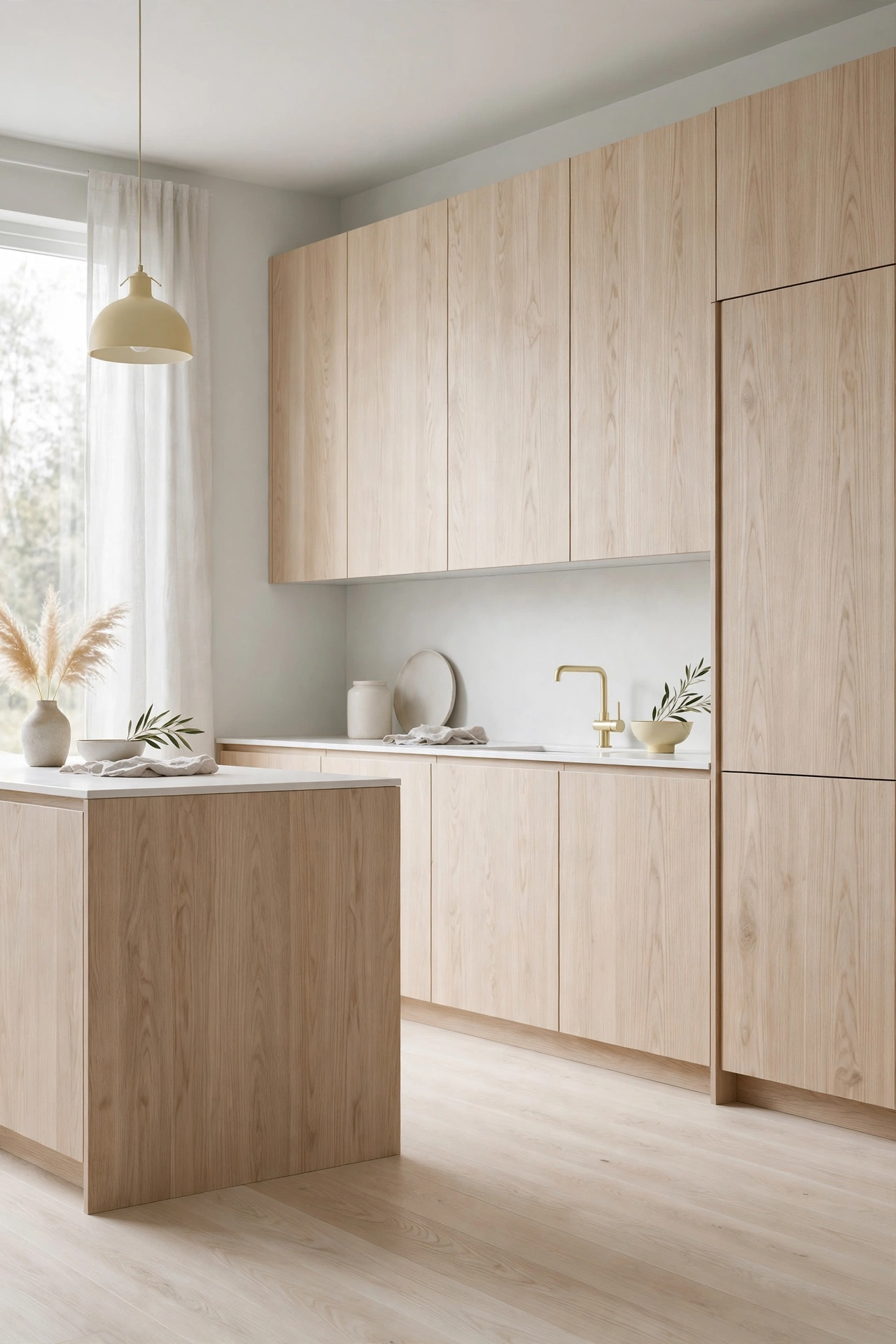
White oak has become a staple of natural design due to its versatility and timeless aesthetic. Its pale, muted gold tones provide a warmth that is more subtle than traditional oak, making it perfect for both Scandinavian and modern farmhouse styles. Use white oak for your main cabinetry, flooring, or even as a statement ceiling treatment to create a cohesive, airy look. Because of its strength and durability, it is as practical as it is beautiful, ensuring that your kitchen remains stylish and functional for decades to come.
Coastal Calm and Driftwood Tones
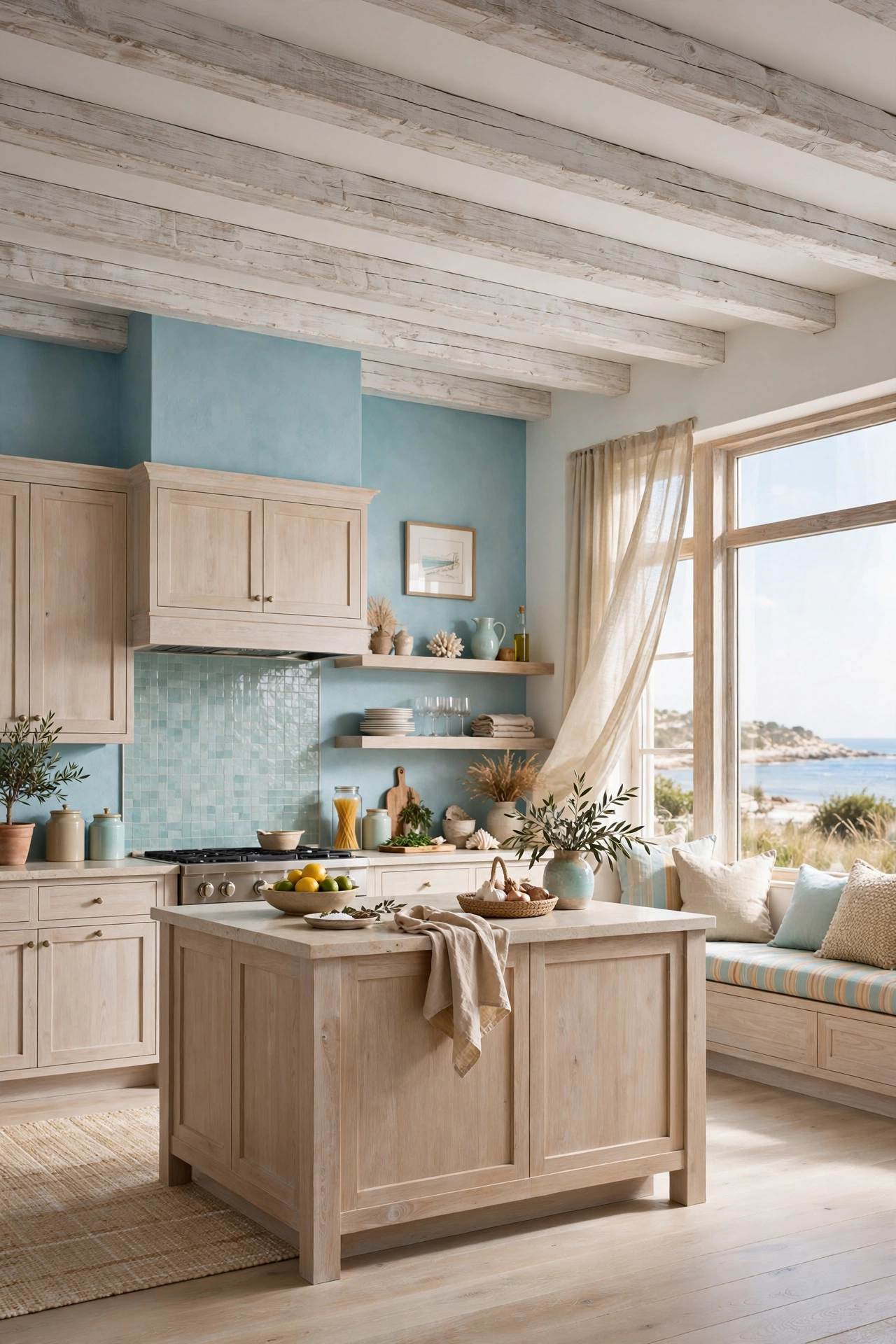
For a kitchen that feels like a permanent vacation, look toward coastal design. This style utilizes whitewashed timbers, sandy beige tones, and soft ocean blues to evoke the serenity of the beach. Incorporate elements like driftwood-inspired shelving, jute runners, and light, airy linen curtains to complete the look. The goal is to create a breezy, relaxed environment that feels open and uncluttered. By focusing on a light, desaturated color palette and natural fibers, you can bring the calming essence of the coast into the heart of your home.