
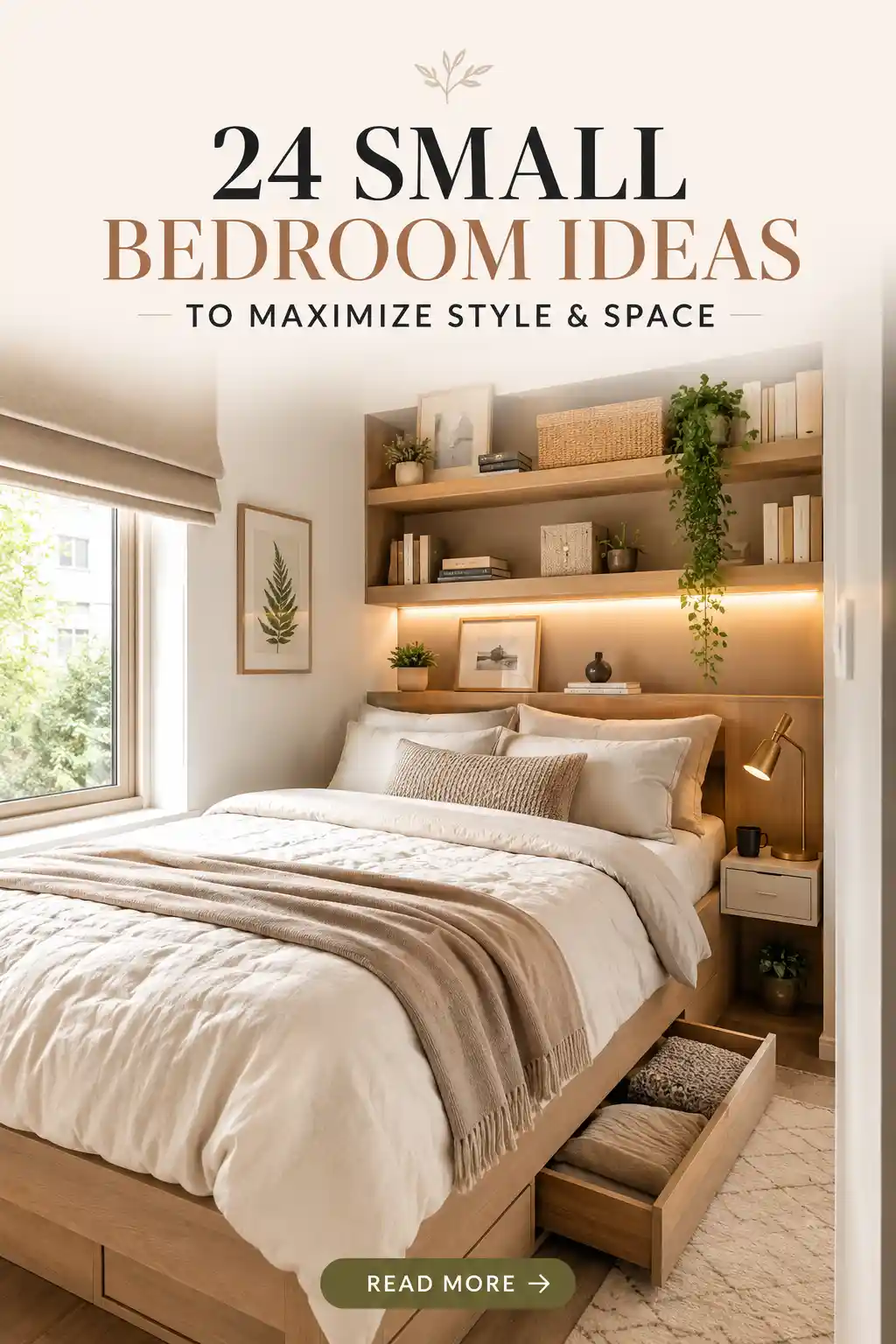
Transforming a compact bedroom into a luxurious sanctuary doesn’t require a massive renovation or a magic wand. While limited square footage can feel restrictive, it actually serves as a catalyst for smarter, more intentional design choices. By rethinking how you use your vertical planes, choosing furniture that serves multiple purposes, and manipulating light and color, you can create a room that feels expansive and high-end. Whether you are dealing with a tiny urban studio or a cozy guest room, these curated strategies will help you reclaim every inch of your space without sacrificing an ounce of style.
Utilize Vertical Wall Space
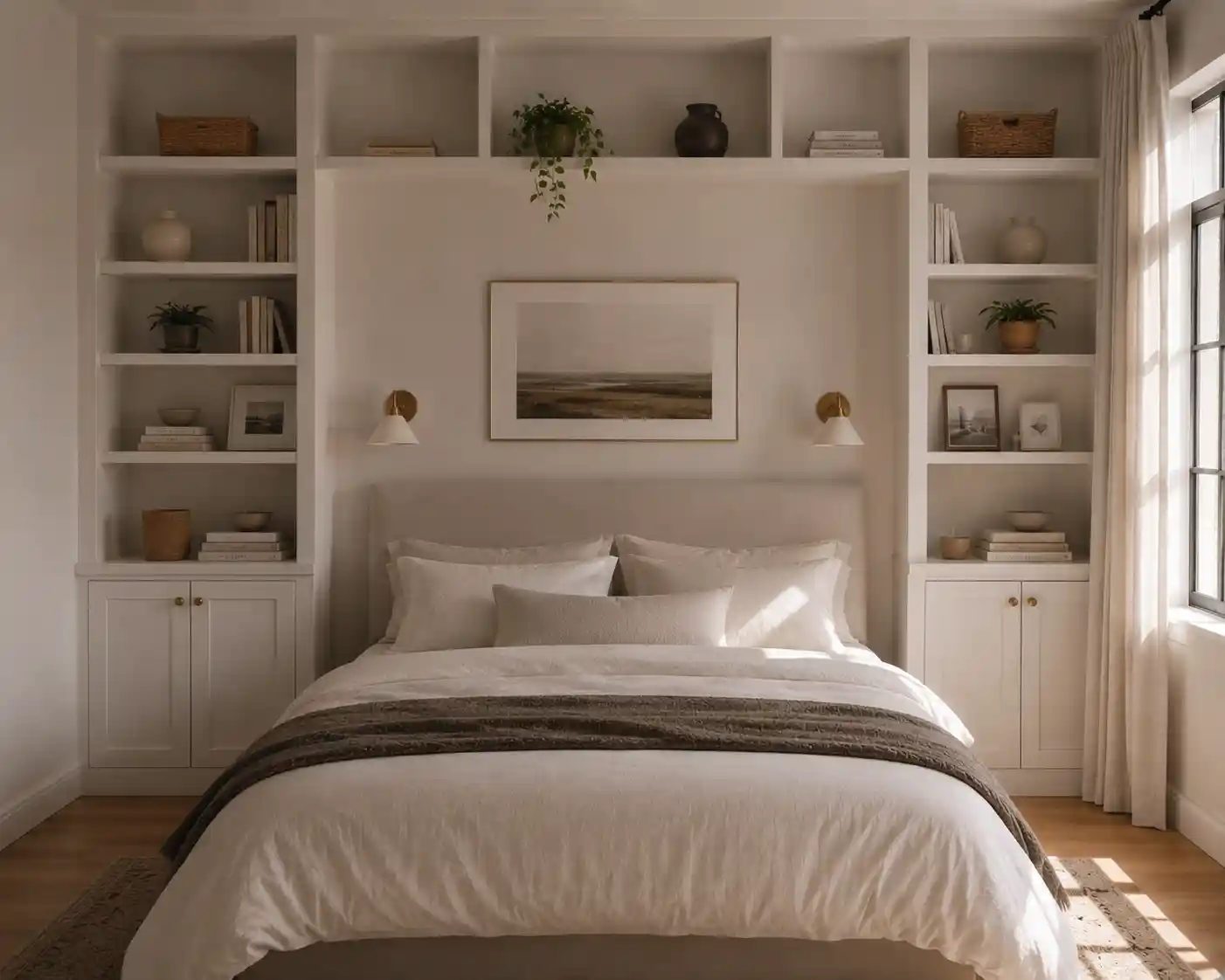
When floor area is limited, the only way to go is up. Most people forget that their walls are essentially unused real estate that can be converted into functional storage. By installing towering shelving units or high-mounted cabinets, you draw the eye toward the ceiling, which creates an immediate psychological illusion of height. This vertical approach keeps the center of the room open and breathable, preventing that claustrophobic feeling often associated with small bedrooms. Try using a monochromatic color scheme for your shelves to make them blend seamlessly into the architecture.
Invest in Multi-Purpose Furniture
In a tight layout, every single piece of furniture must earn its keep by serving more than one function. A bed with integrated storage drawers is a game-changer, eliminating the need for a bulky dresser that would otherwise eat up valuable walking space. Similarly, look for nightstands that double as filing cabinets or ottomans that open up to reveal hidden compartments for extra linens. This strategic approach to furniture selection ensures that your room remains highly functional while maintaining a clean, uncluttered aesthetic that feels sophisticated and intentional.
Apply an Airy Color Palette
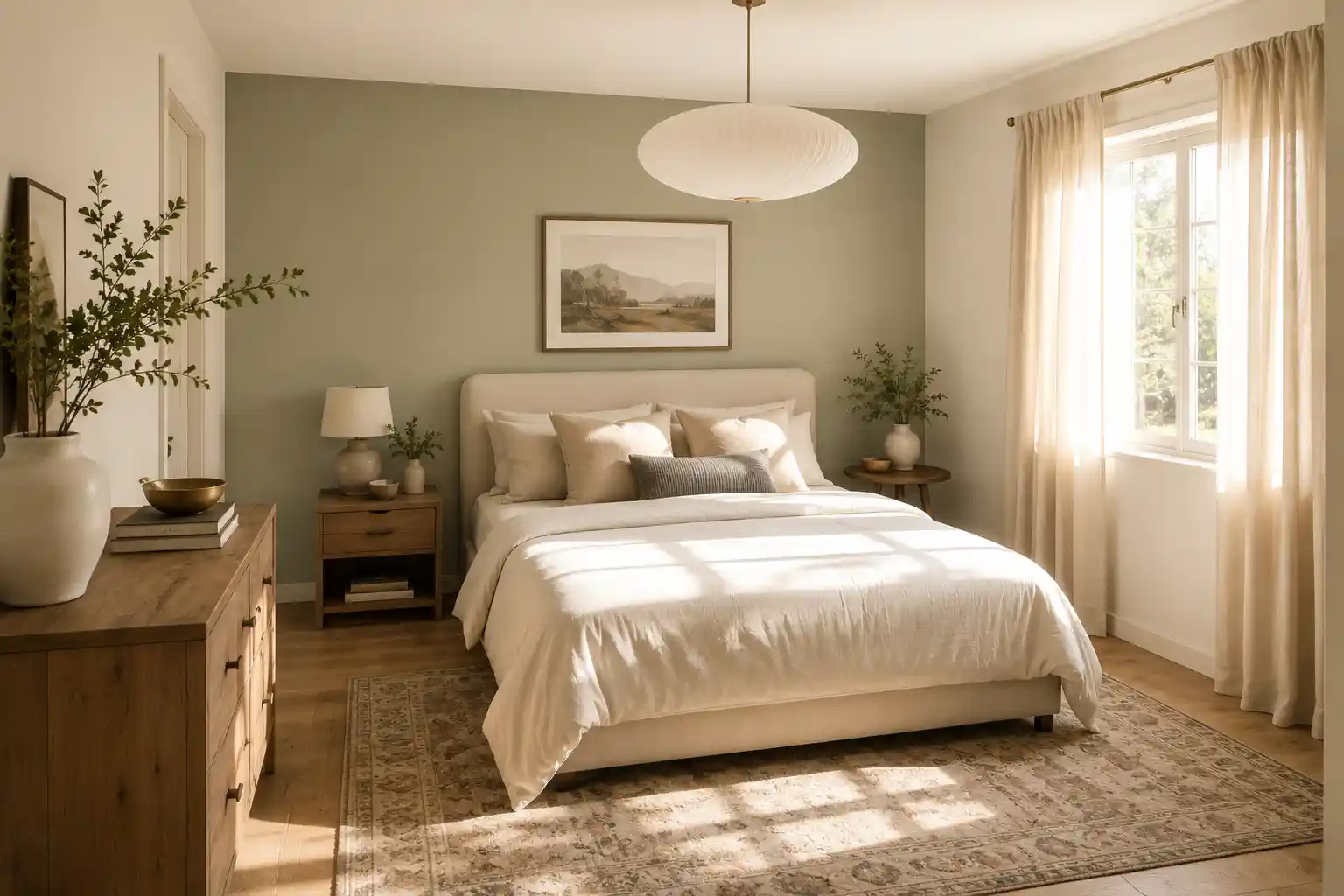
Color plays a pivotal role in how we perceive the dimensions of a room. Deep, dark hues can make a space feel cozy, but light, reflective tones are the secret to making a small bedroom feel expansive. Soft whites, pale beiges, and muted pastels bounce natural light around the room, softening the edges of the walls and blurring the boundaries of the space. To add depth without adding weight, use a light-on-light layering technique, mixing different shades of the same neutral palette across your walls, bedding, and rugs.
Position Mirrors for Visual Depth
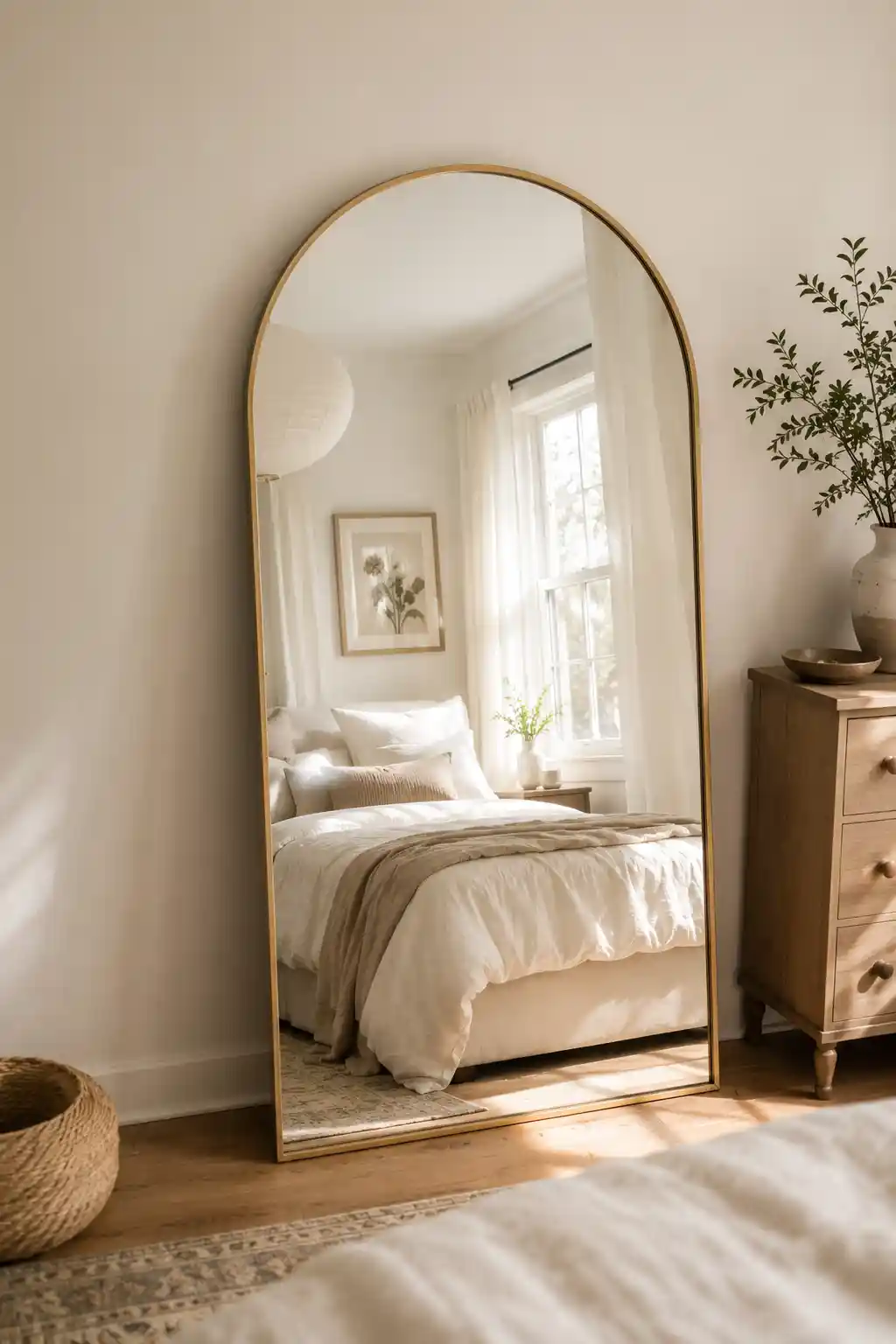
Mirrors are perhaps the most effective tool in an interior designer’s arsenal for manipulating spatial perception. A large, full-length mirror placed strategically opposite a window does more than just provide a place to check your outfit; it effectively doubles the amount of light in the room and creates a virtual window that opens up the space. For a more curated look, consider a gallery of smaller, mismatched vintage mirrors. This creates a rhythmic play of light and reflection that tricks the eye into seeing more depth than actually exists.
Optimize Under-Bed Storage
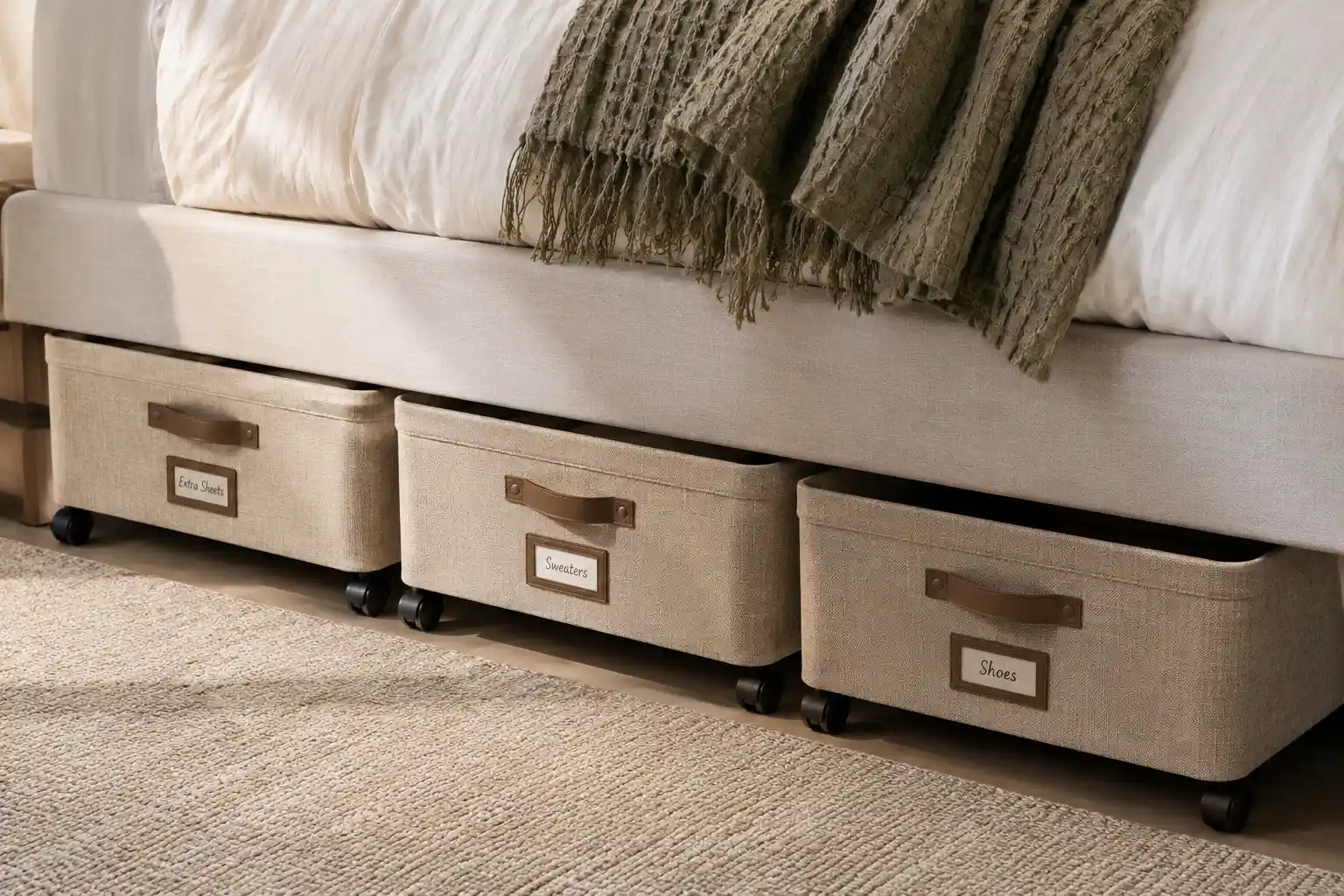
The space beneath your mattress is often a wasted vacuum that collects dust and forgotten items. By transforming this area into a streamlined storage zone, you can remove significant clutter from the rest of your room. Low-profile rolling bins or custom-fitted vacuum-seal bags are perfect for storing off-season clothing, heavy winter blankets, and extra pillows. Using a bed frame with a slightly higher clearance allows for larger bins, ensuring that your daily environment remains serene and organized without requiring additional furniture pieces.
Install Floating Shelves
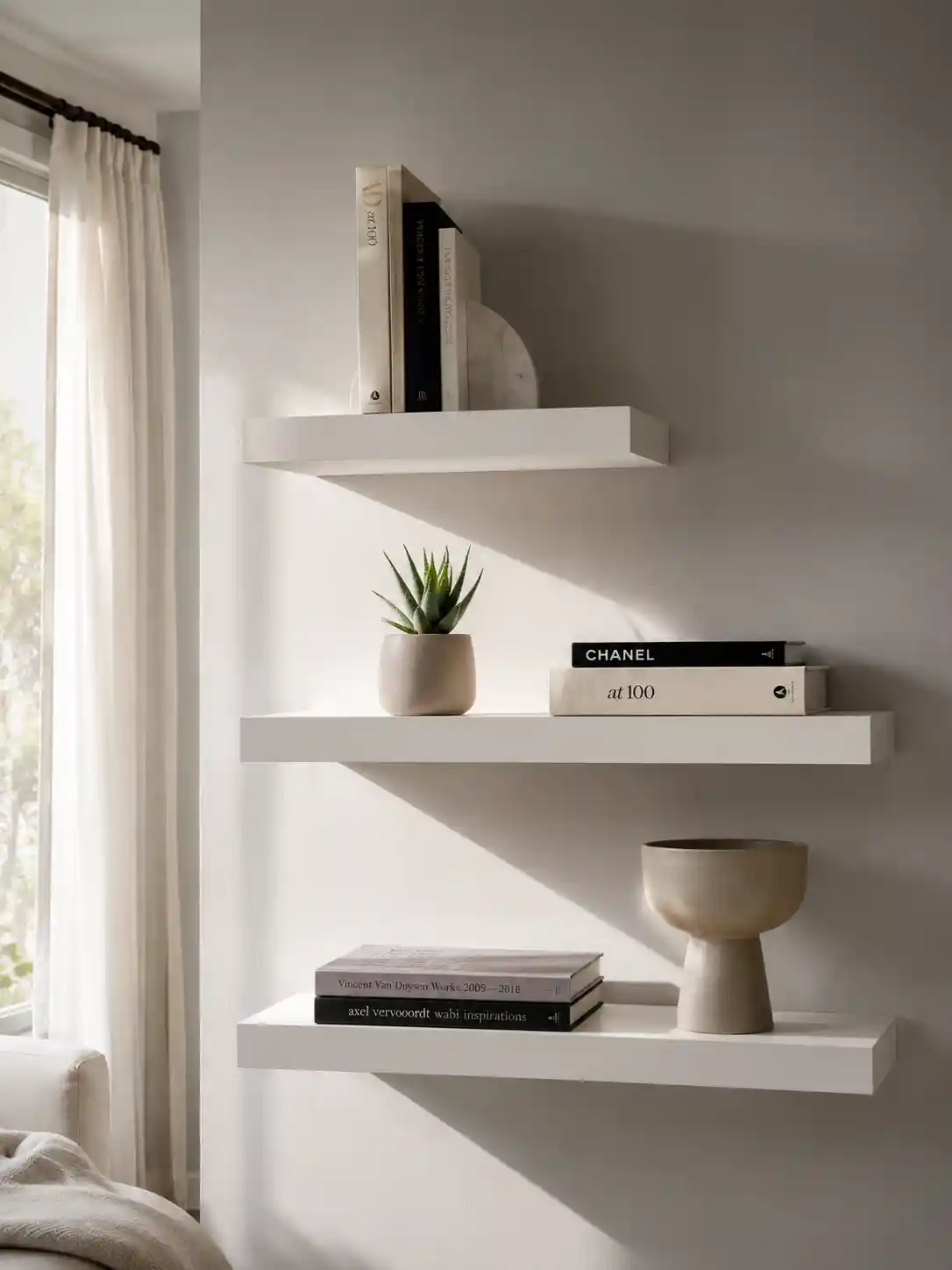
Bulky bookcases often create visual roadblocks in a small room, making the floor plan feel choppy and restricted. Floating shelves offer the same utility without the heavy footprint. By mounting ledges directly to the wall, you maintain a clear line of sight across the floor, which makes the room feel significantly larger. Staggering the shelves at different heights adds a dynamic visual element, allowing you to display personal treasures and books in a way that feels like a curated art installation rather than mere storage.
Incorporate Foldable Workspaces
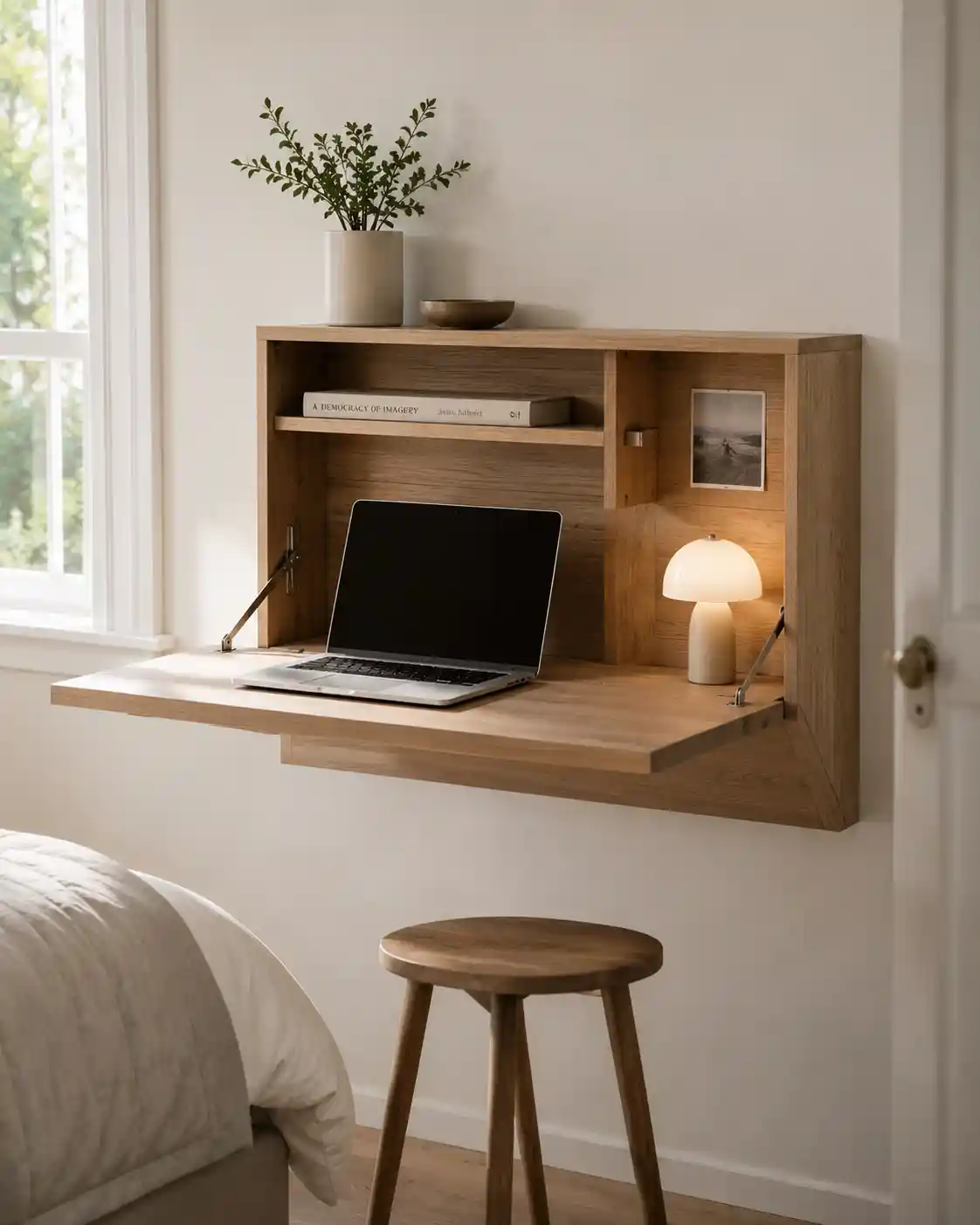
With more people working from home, finding space for a desk in a small bedroom can be a challenge. The solution lies in architectural flexibility. A wall-mounted drop-leaf table or a foldable desk allows you to have a dedicated productive zone during the day that completely disappears when the workday ends. This prevents the bedroom from feeling like an office and preserves the room’s primary purpose as a place of rest. Choose a design that matches your wall color to make the desk blend in when closed.
Create a Cozy Micro-Nook
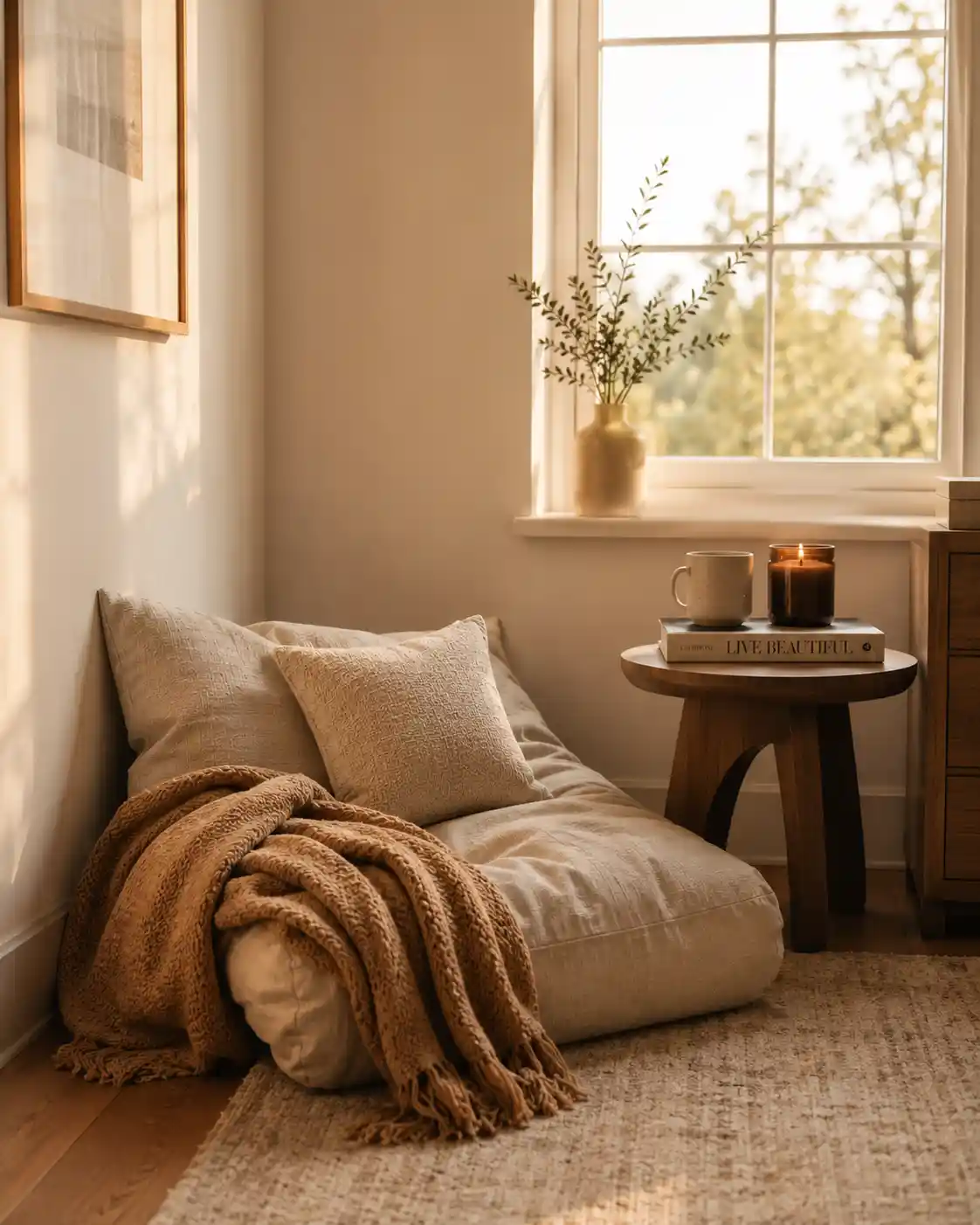
Even the most compact bedrooms can accommodate a dedicated zone for relaxation if you think small. By tucking a single, comfortable accent chair or a few oversized plush floor cushions into an unused corner, you create a psychological separation between the sleeping area and the lounging area. Adding a small task light or a string of warm fairy lights further defines this micro-nook, making the overall room feel like it has multiple ‘rooms’ within one, which paradoxically makes the entire space feel larger and more versatile.
Maximize Corner Real Estate
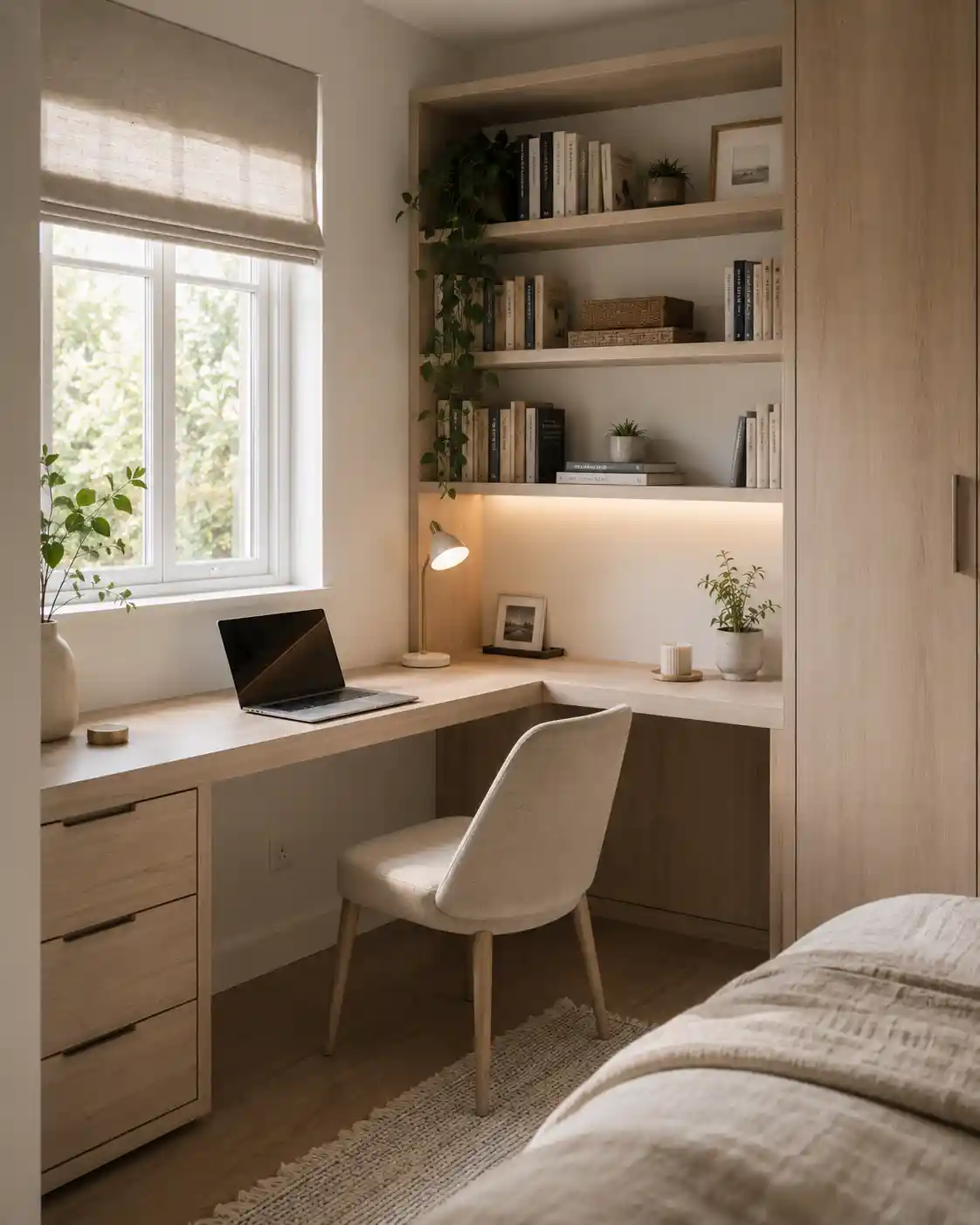
Corners are frequently overlooked in standard room layouts, yet they are some of the most valuable areas for storage and utility. Instead of letting a corner remain an empty void, install a custom triangular shelf or an L-shaped desk. This utilizes the right angles of the room to provide a high-functioning surface without protruding into the main walking path. By tailoring furniture to fit the specific geometry of your walls, you eliminate dead space and create a balanced layout that feels professionally designed.
Use Vertical Hardware Systems
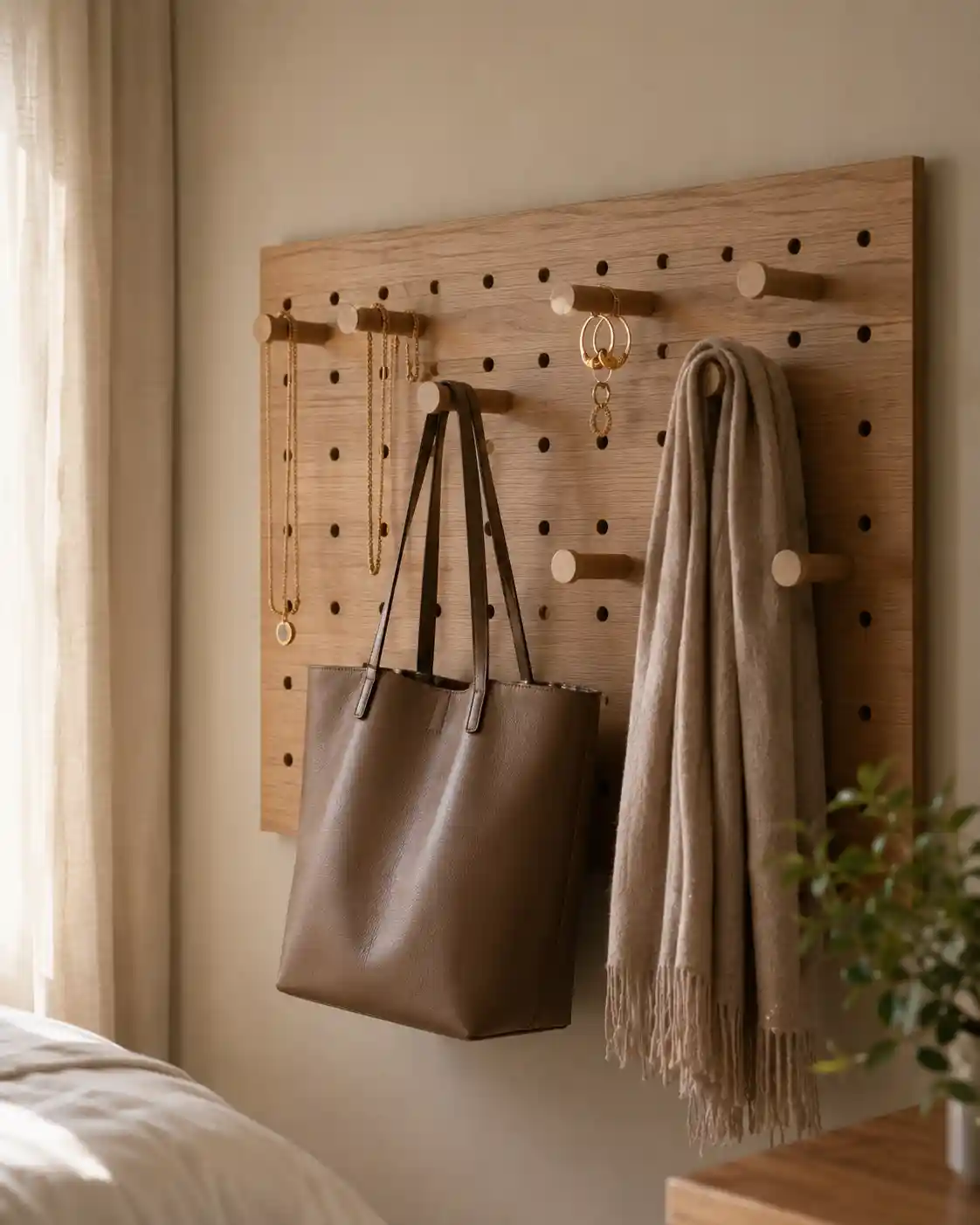
Cluttered flat surfaces, like dresser tops and nightstands, are the primary enemies of a small room. By shifting your storage to vertical hardware, you free up your horizontal surfaces for decorative items. Minimalist hooks, architectural pegs, or a sleek pegboard system provide a permanent and visible home for everyday accessories, bags, and outerwear. This not only keeps the room tidy but also turns your daily essentials into a visual display, adding a layer of personality and texture to the walls.
Switch to Sliding Closet Doors
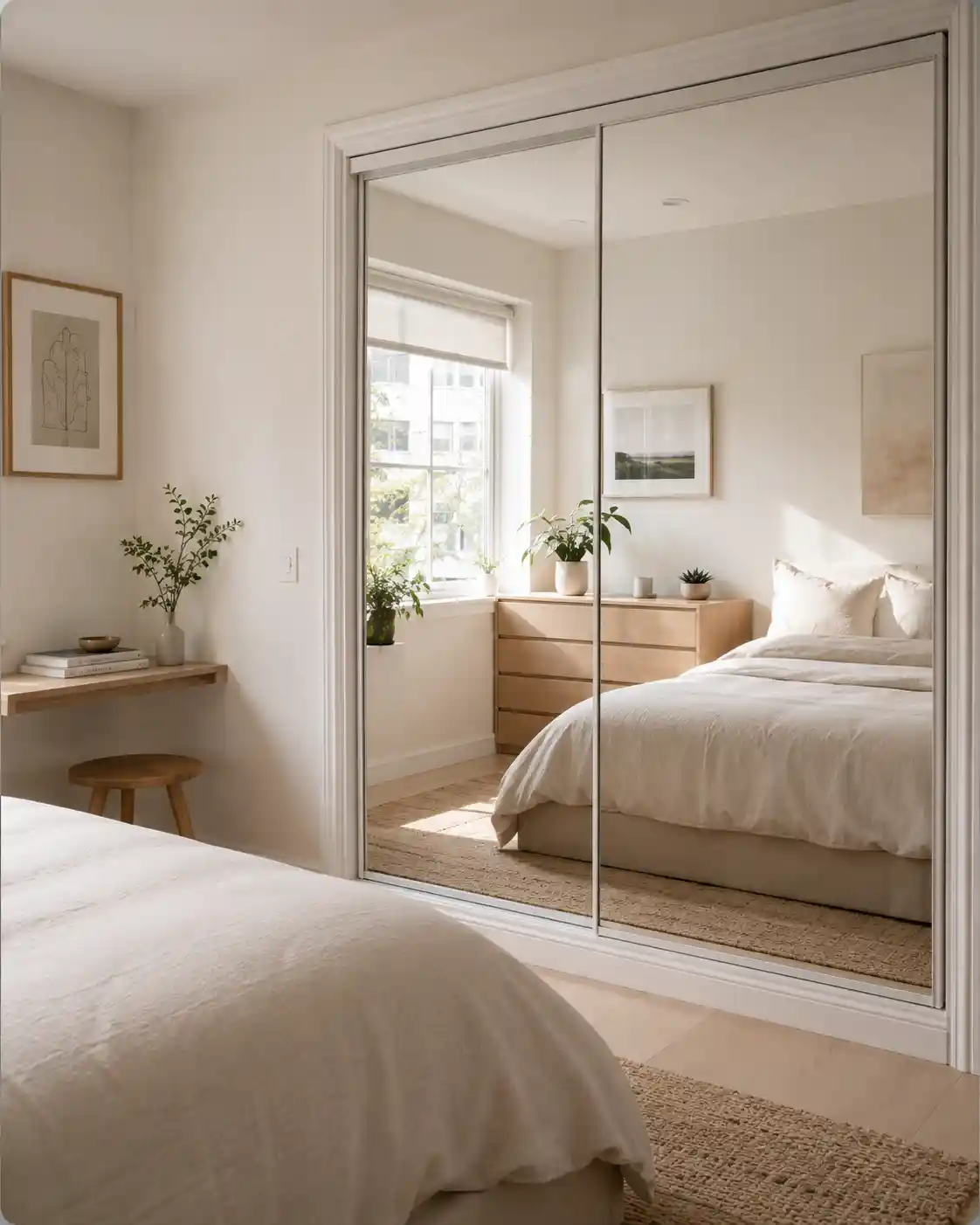
Traditional swinging doors require a significant ‘clearance zone’ in front of them, which often limits where you can place your bed or a chair. Switching to sliding barn doors or recessed pocket panels eliminates this spatial requirement entirely. To further enhance the room, opt for mirrored or frosted glass panels. Mirrored doors act as giant reflectors that bounce light and depth throughout the space, while frosted glass provides a soft, diffused look that feels modern and prevents the closet from feeling like a heavy block of wood.
Layer Textiles for Dimension
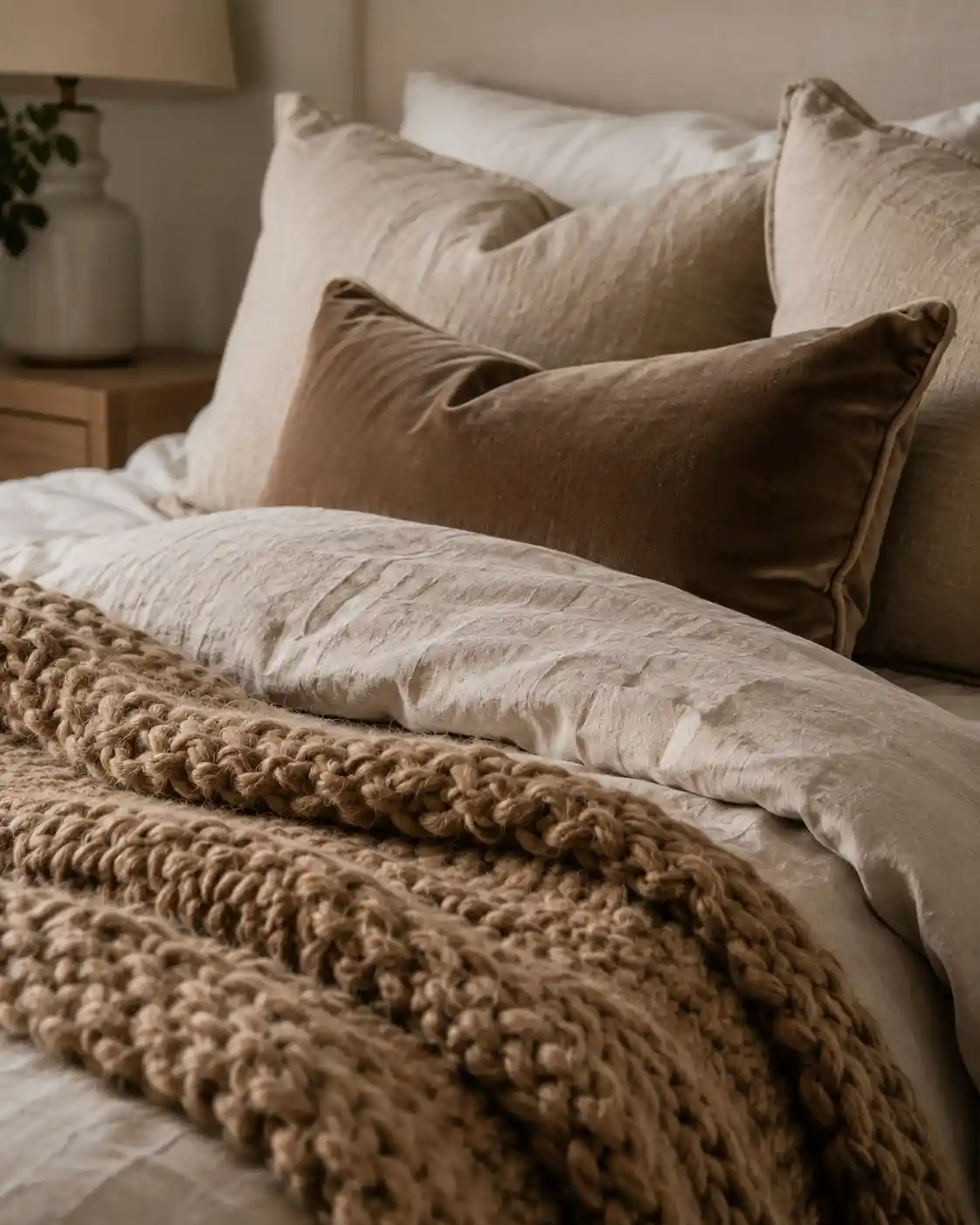
Minimalist rooms often run the risk of feeling cold or sterile. The key to avoiding this is through the strategic layering of tactile fabrics. By mixing textures—such as a plush woven rug beneath the bed, a heavy knit throw blanket, and light linen curtains—you introduce visual warmth and depth without adding physical bulk to the room. This sensory layering makes a small space feel curated and expensive, transforming a simple sleeping area into a rich, multi-dimensional sanctuary that invites relaxation.
Choose Transparent Furniture
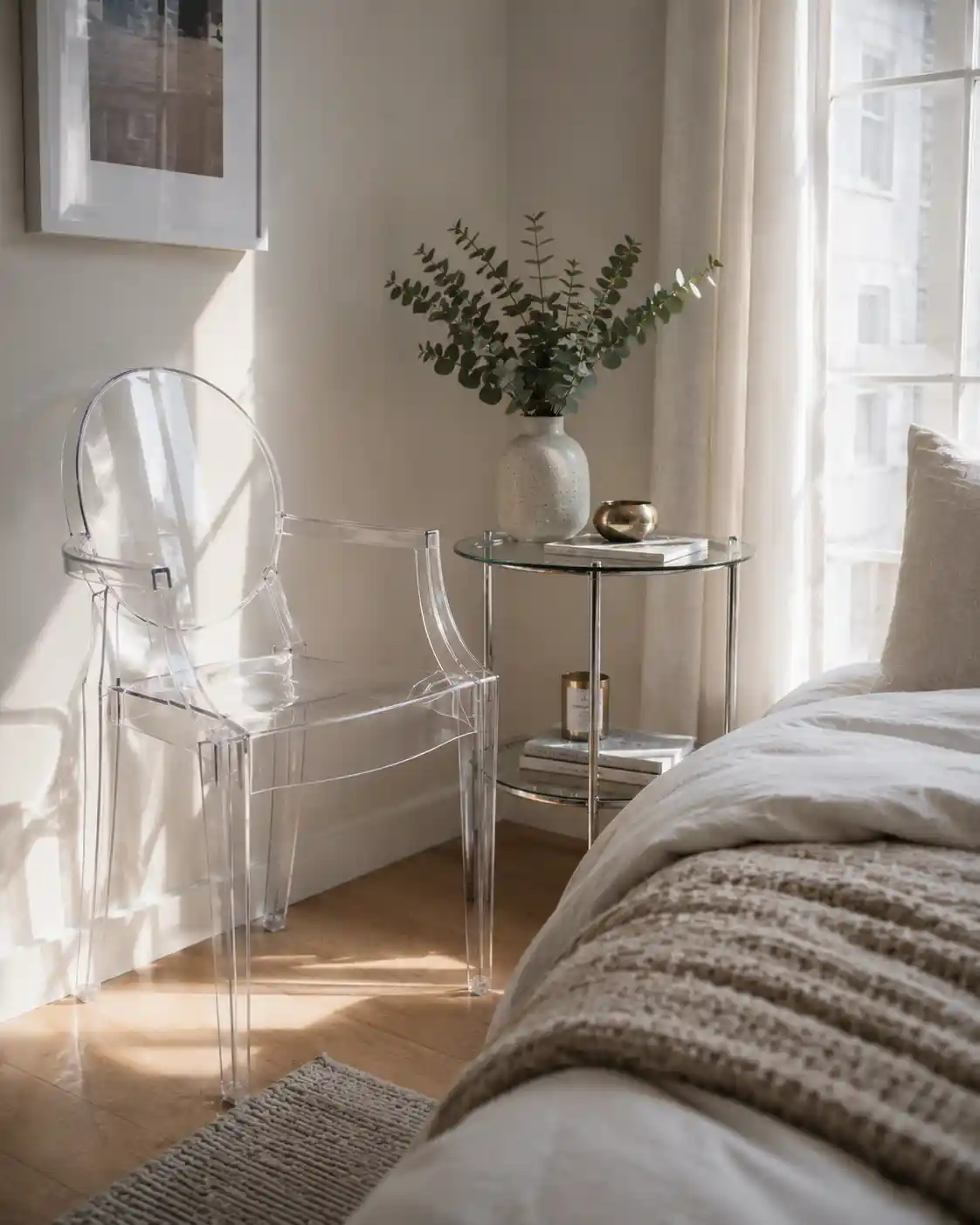
The psychology of ‘visual weight’ is crucial in small-space design. Heavy, solid furniture can make a room feel crowded, even if there is plenty of floor space. Transparent furniture, such as acrylic seating or glass-topped tables, provides the necessary utility while remaining virtually invisible to the eye. Because the sightlines remain uninterrupted, the eye travels straight through the furniture to the walls, preserving an airy and open feeling. This is an elite design trick for adding functionality without adding visual clutter.
Opt for Custom Built-Ins
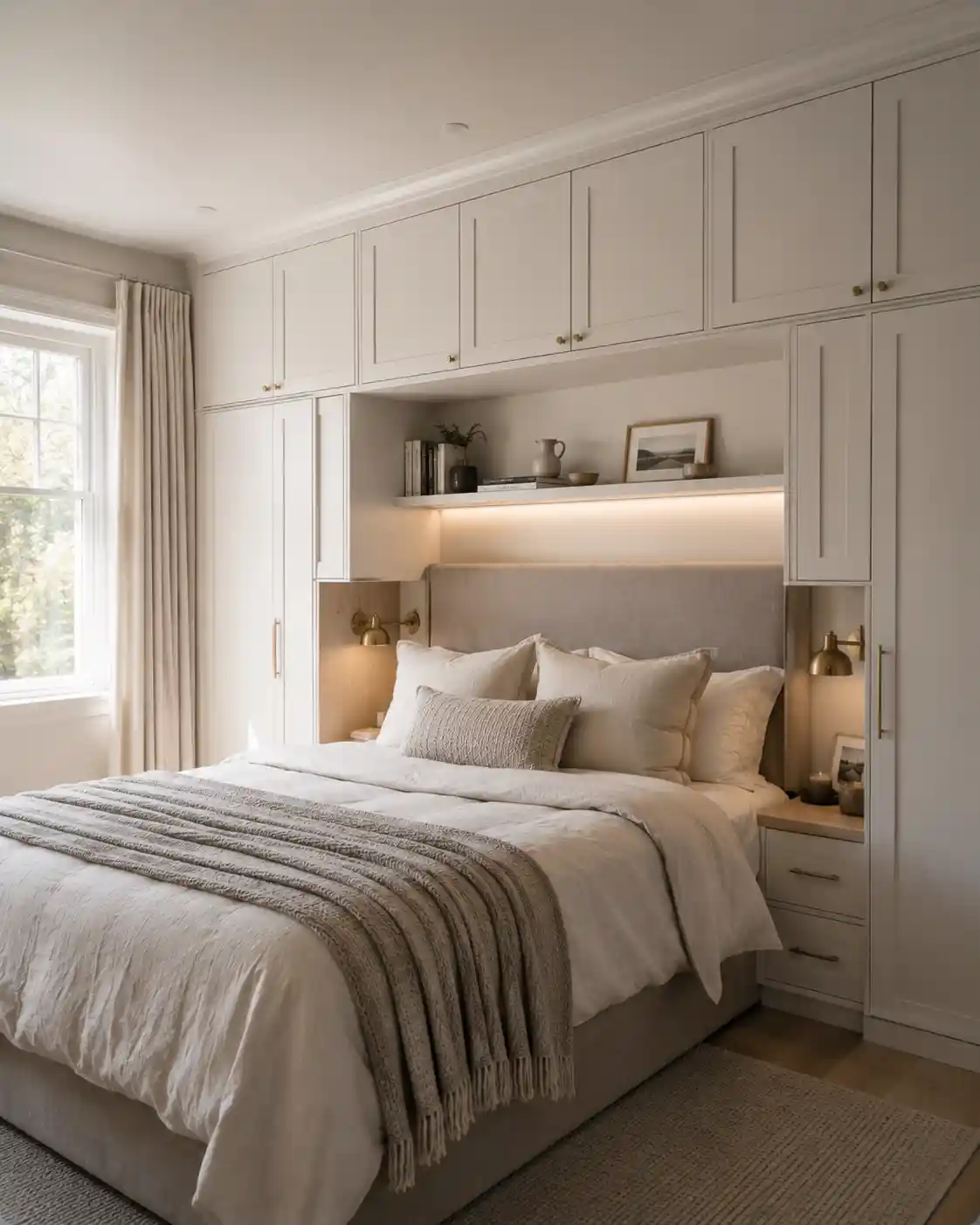
When off-the-shelf furniture doesn’t quite fit the odd dimensions of a small room, custom built-ins are the ultimate solution. By designing cabinetry that spans from the floor to the ceiling or wraps around the bed frame, you eliminate the awkward gaps where dust collects and space is wasted. Built-ins create a streamlined, architectural look that feels like part of the house rather than a collection of separate pieces. This cohesion reduces visual noise and maximizes every single cubic inch of available space.
Create a Controlled Gallery Wall
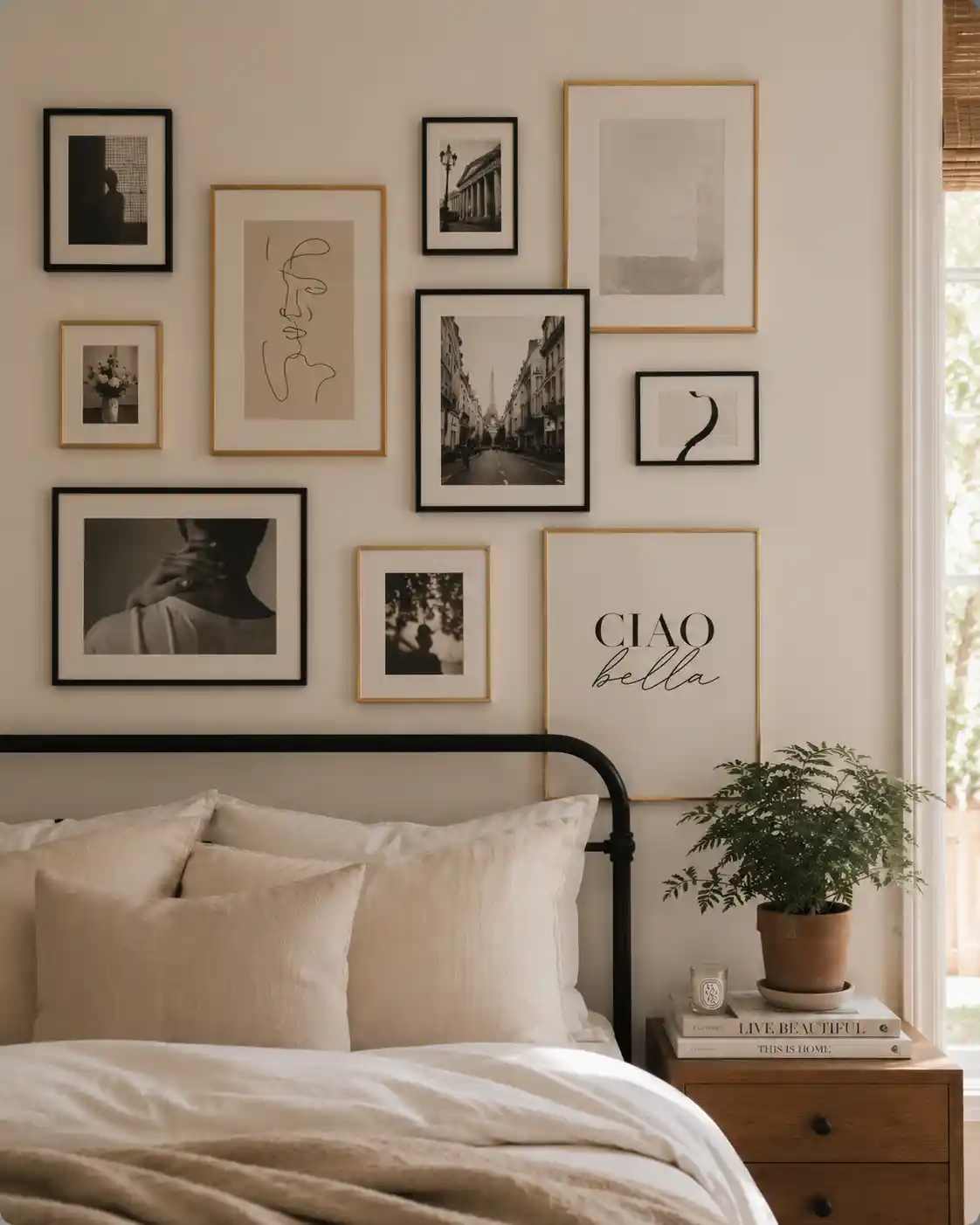
Having a small room doesn’t mean you have to strip away your personality. A carefully curated gallery wall allows you to express your style without occupying any floor space. The secret is to maintain a ‘controlled’ look—either by using a consistent color palette for the art or by keeping the frame styles cohesive. Mixing different sizes of art with a few small floating shelves creates a captivating focal point that draws attention upward and away from the limited square footage, adding character and soul to the space.
Practice Ruthless Spatial Editing
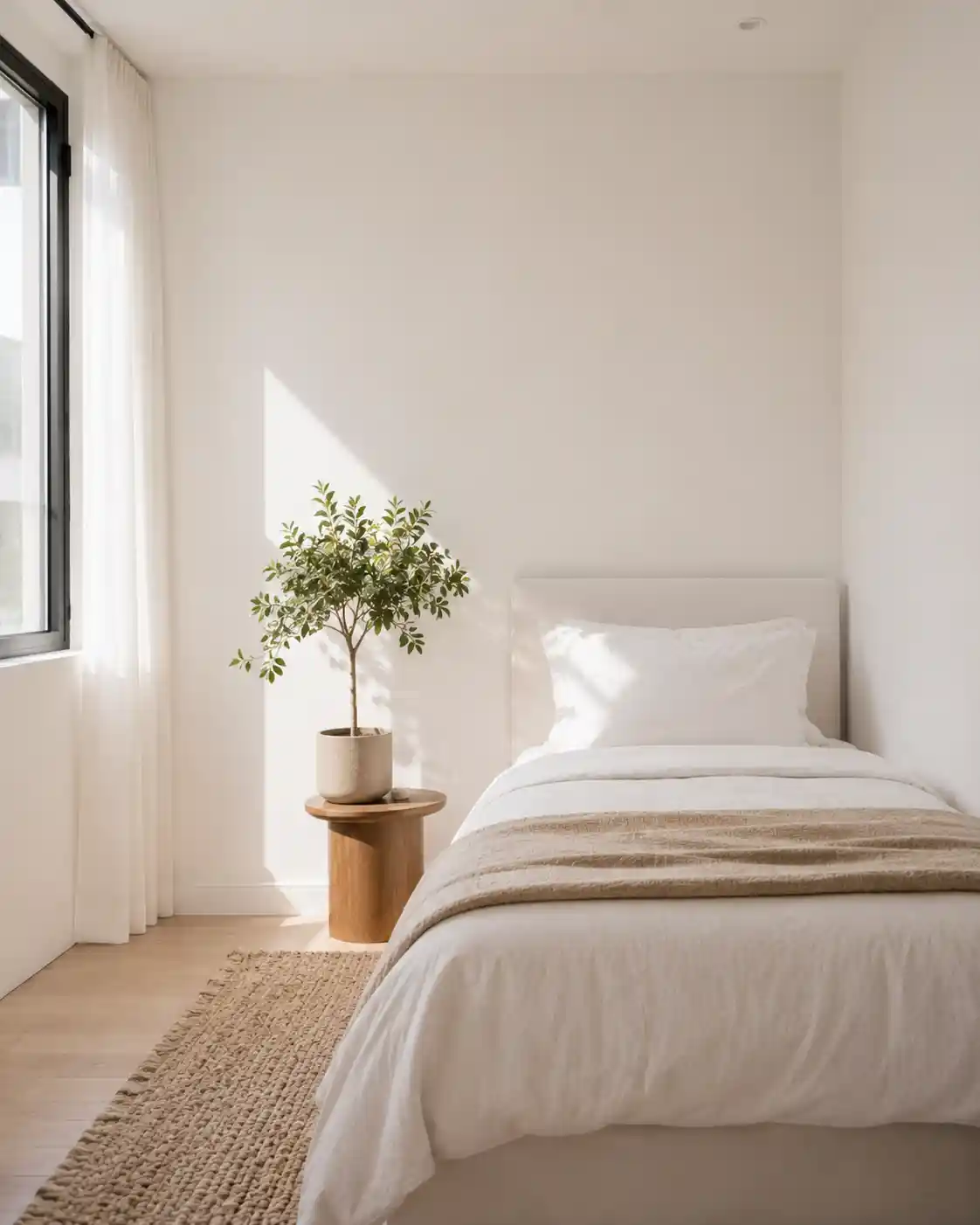
The most powerful tool for maximizing space isn’t something you buy; it’s something you remove. Ruthless editing involves evaluating every item in your room and questioning its utility and emotional value. By stripping away unnecessary decorative objects and prioritizing a few high-quality, functional pieces, you allow the architectural lines of the room to shine. A minimalist approach reduces visual chaos, which in turn lowers stress and makes the physical space feel significantly more open and breathable.
Anchor with One Statement Piece
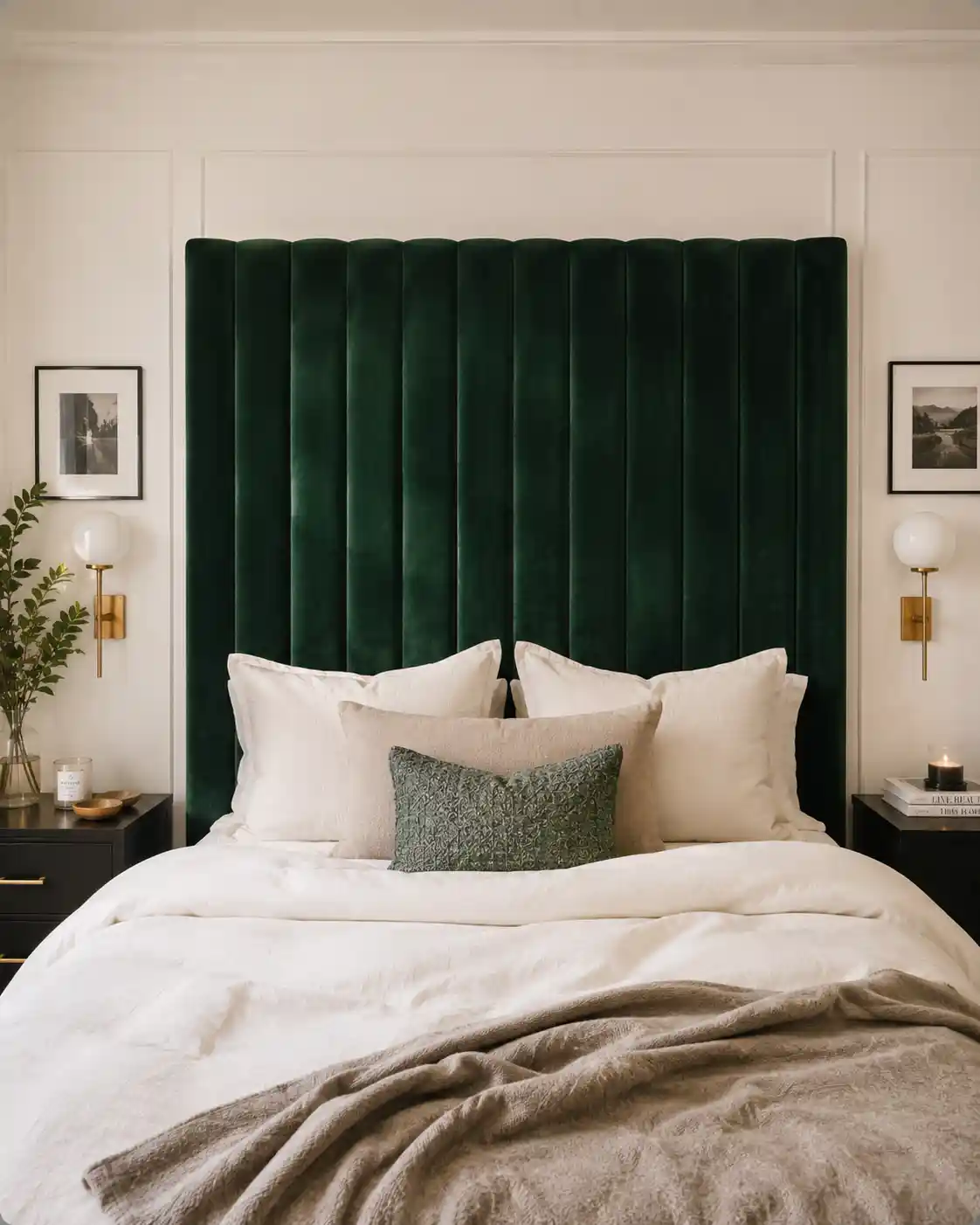
A common mistake in small rooms is filling them with exclusively small furniture, which can actually make the room feel like a dollhouse. Instead, anchor the space with one bold statement piece. Whether it’s a dramatic oversized headboard, a large piece of abstract art, or a uniquely shaped accent chair, a single large item creates a clear focal point. This shifts the viewer’s attention toward the design element and away from the tight dimensions of the room, giving the space a more confident and luxurious feel.
Use Decorative Storage Bins
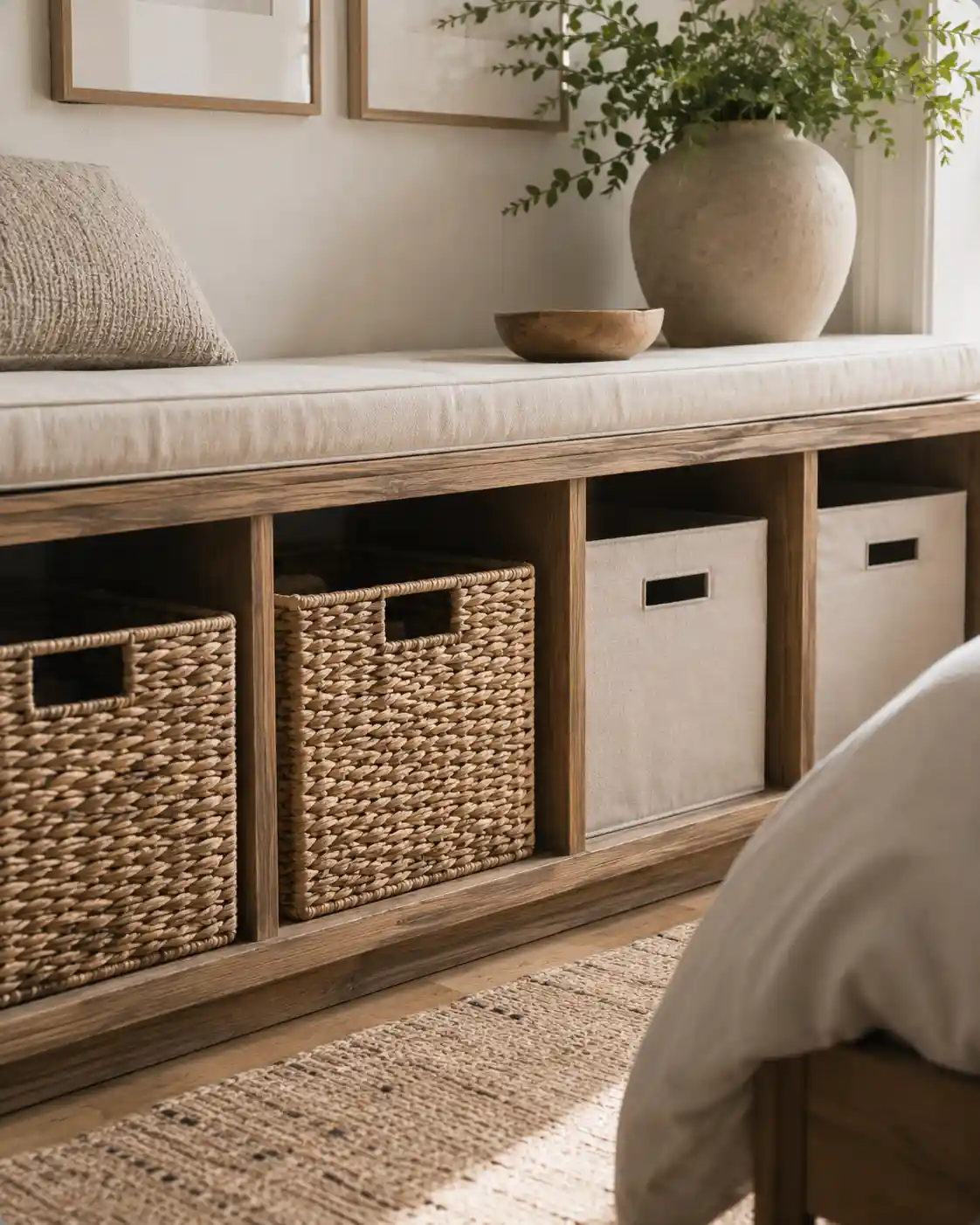
Loose items and small knick-knacks are the quickest way to make a small room feel cluttered. To maintain visual harmony, utilize decorative concealment boxes. Woven seagrass baskets, structured fabric bins, and leather storage boxes keep smaller items organized while adding organic texture to the room. By placing these containers on open shelving or beneath a bench, you keep your essentials accessible but hidden from view, ensuring that the overall aesthetic remains polished and serene.
Introduce Hanging Greenery
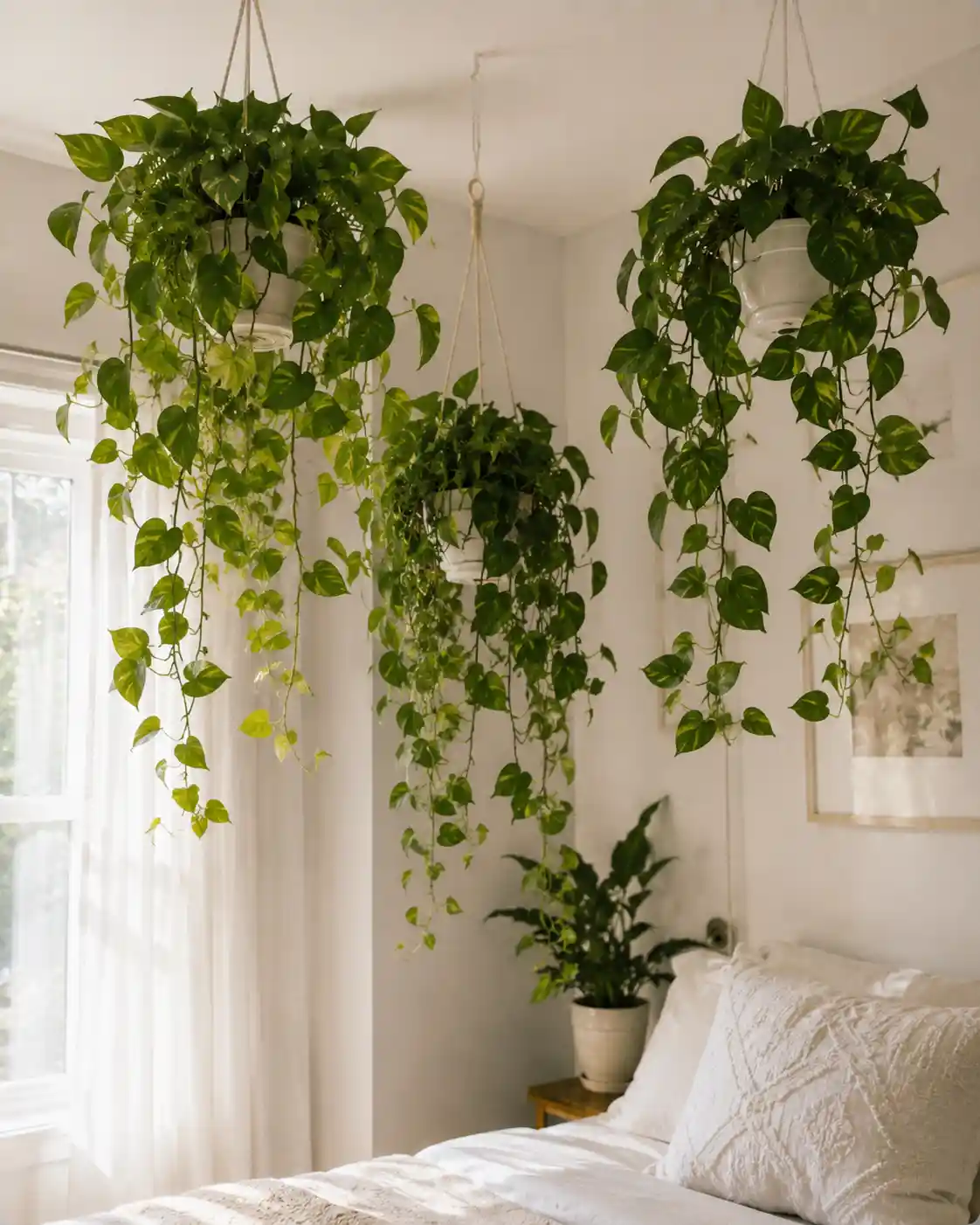
Bringing nature indoors instantly refreshes a room and improves the overall energy. However, floor-standing plants can take up too much precious space in a small bedroom. The solution is to use the ceiling and upper wall areas. Hanging planters with trailing varieties like Pothos or English Ivy add soft, organic lines that contrast with the rigid angles of the walls. This introduces a vibrant pop of color and a sense of life without sacrificing an inch of your walkable floor area.
Embrace the Loft Bed Concept
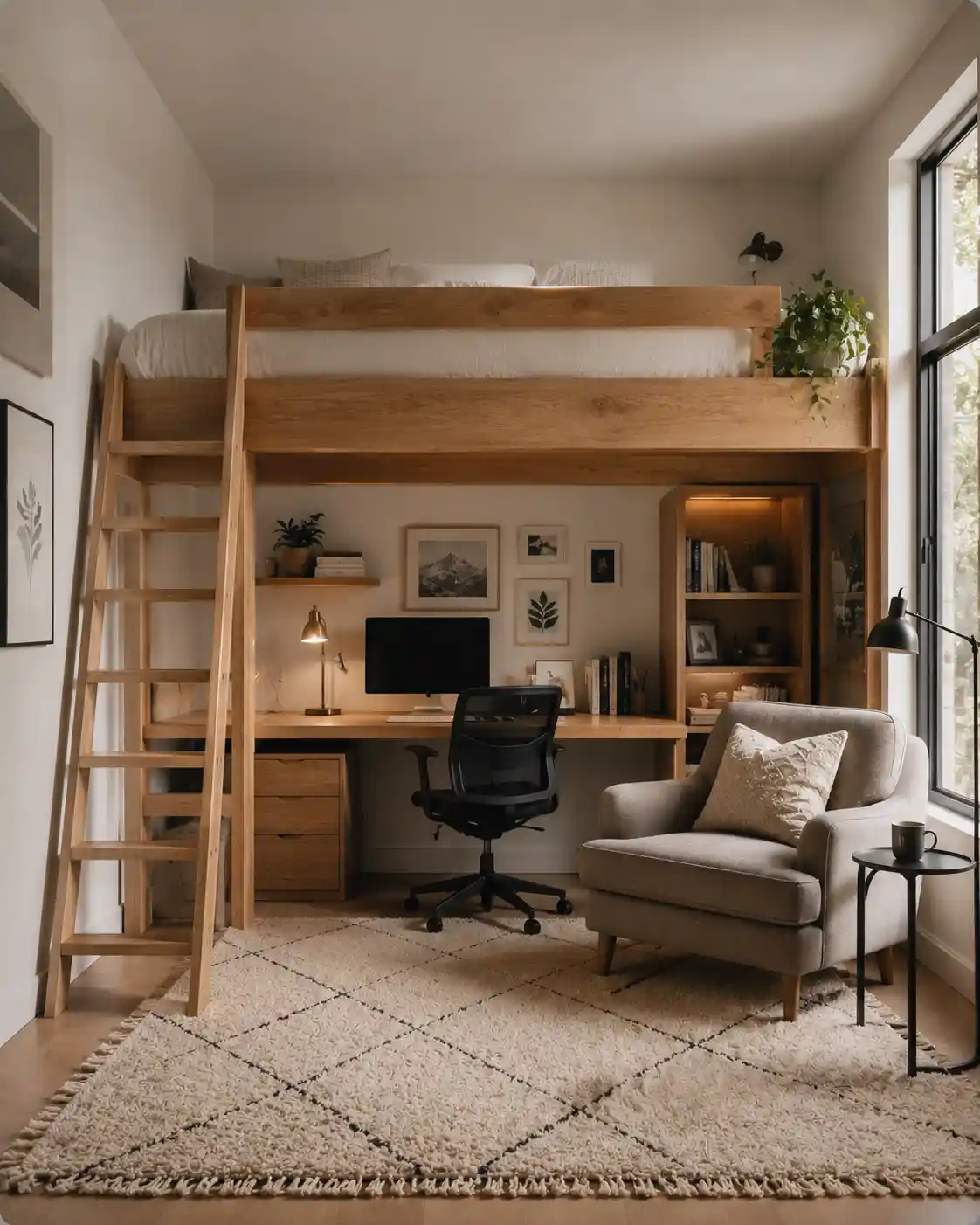
If you are fortunate enough to have high ceilings, a loft bed is the ultimate space-saving hack. By elevating your sleeping area, you effectively double your usable square footage. The space created underneath can be transformed into a full-scale home office, a walk-in closet, or a cozy lounging area. This vertical zoning allows you to fit all the functions of a large bedroom into a tiny footprint, providing a level of structural adaptability that is unmatched in standard bedroom layouts.
Use Fabric Dividers for Zoning
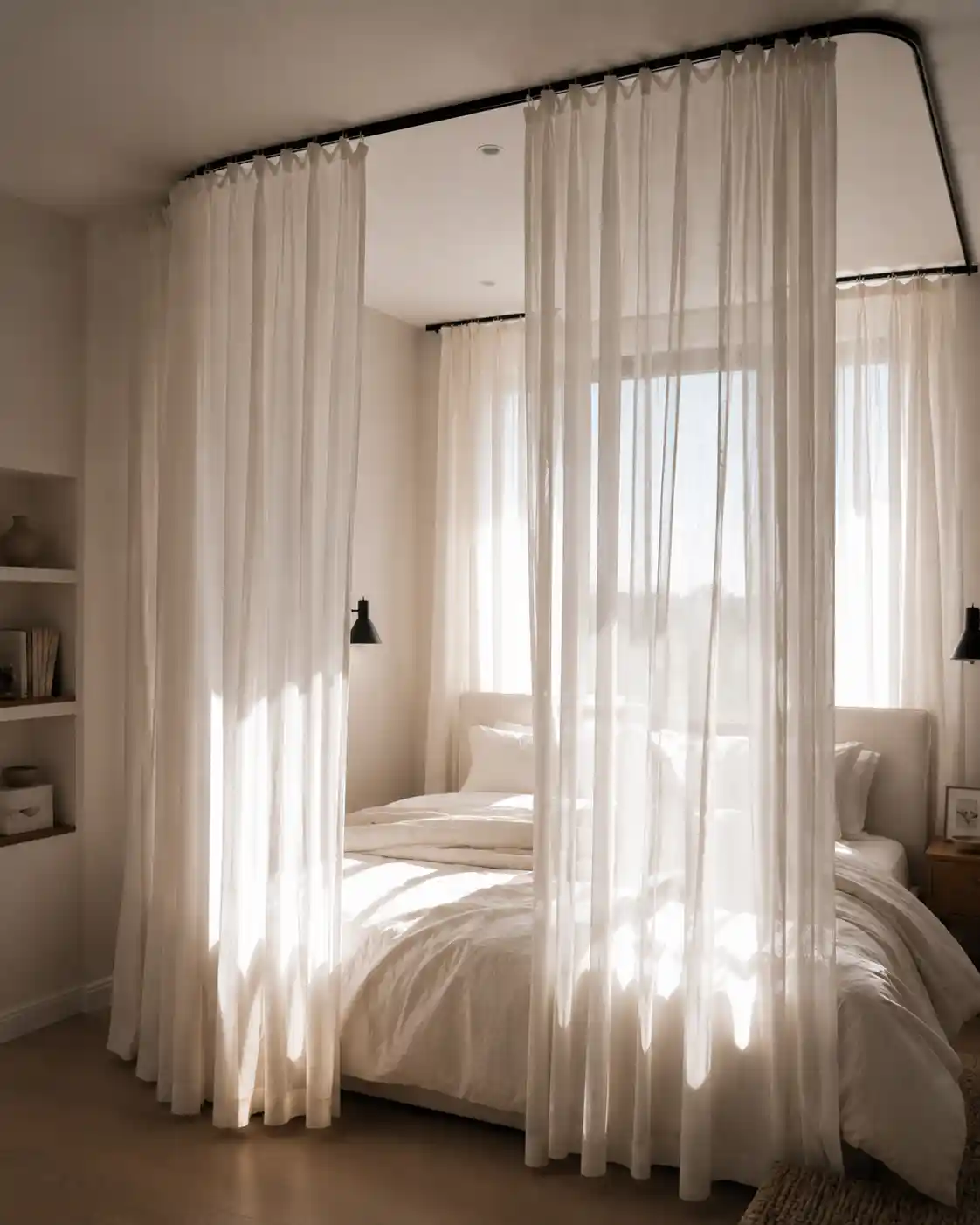
When a small bedroom also serves as a dressing room or office, using fabric dividers can help create a sense of order. Ceiling-mounted tracks with sheer linen panels or heavy velvet drapes allow you to partition the space instantly without the permanence of a wall. This flexible zoning helps define different areas of the room, which makes the overall layout feel more intentional. Extending the curtain rods from the very top of the ceiling also draws the eye upward, making the windows and the room feel taller.
Curate Meaningful Personal History
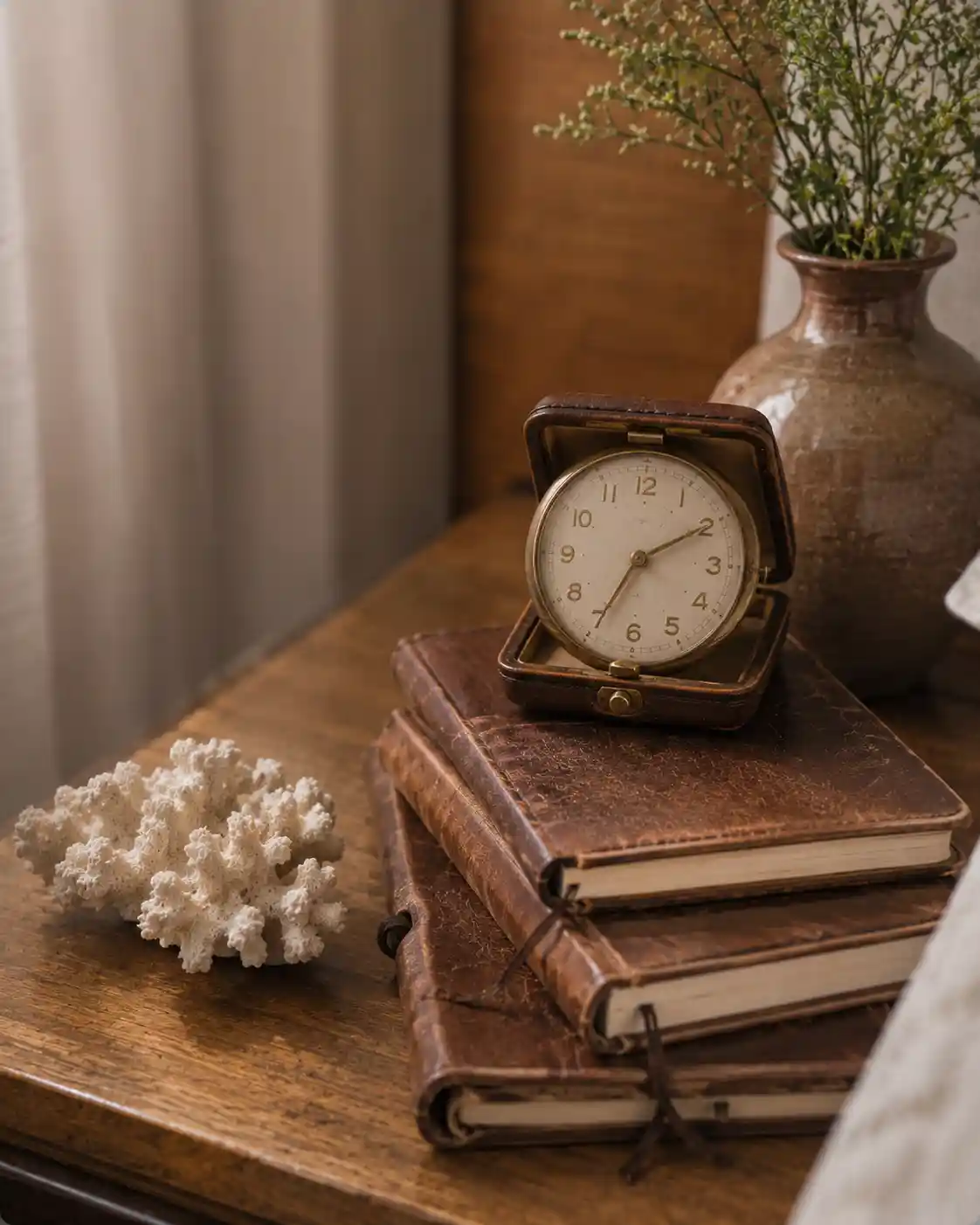
A room only feels like a home when it reflects the person who lives there. In a small space, the key is to be selective. Instead of filling surfaces with generic decor, display a few curated items with deep personal meaning—such as a piece of art from a favorite city or a family heirloom. By thoughtfully arranging these treasures, you create a creative sanctuary that feels authentic and soulful, rather than a cold, uninspired page from a furniture catalog.
Install Wall-Mounted Sconces
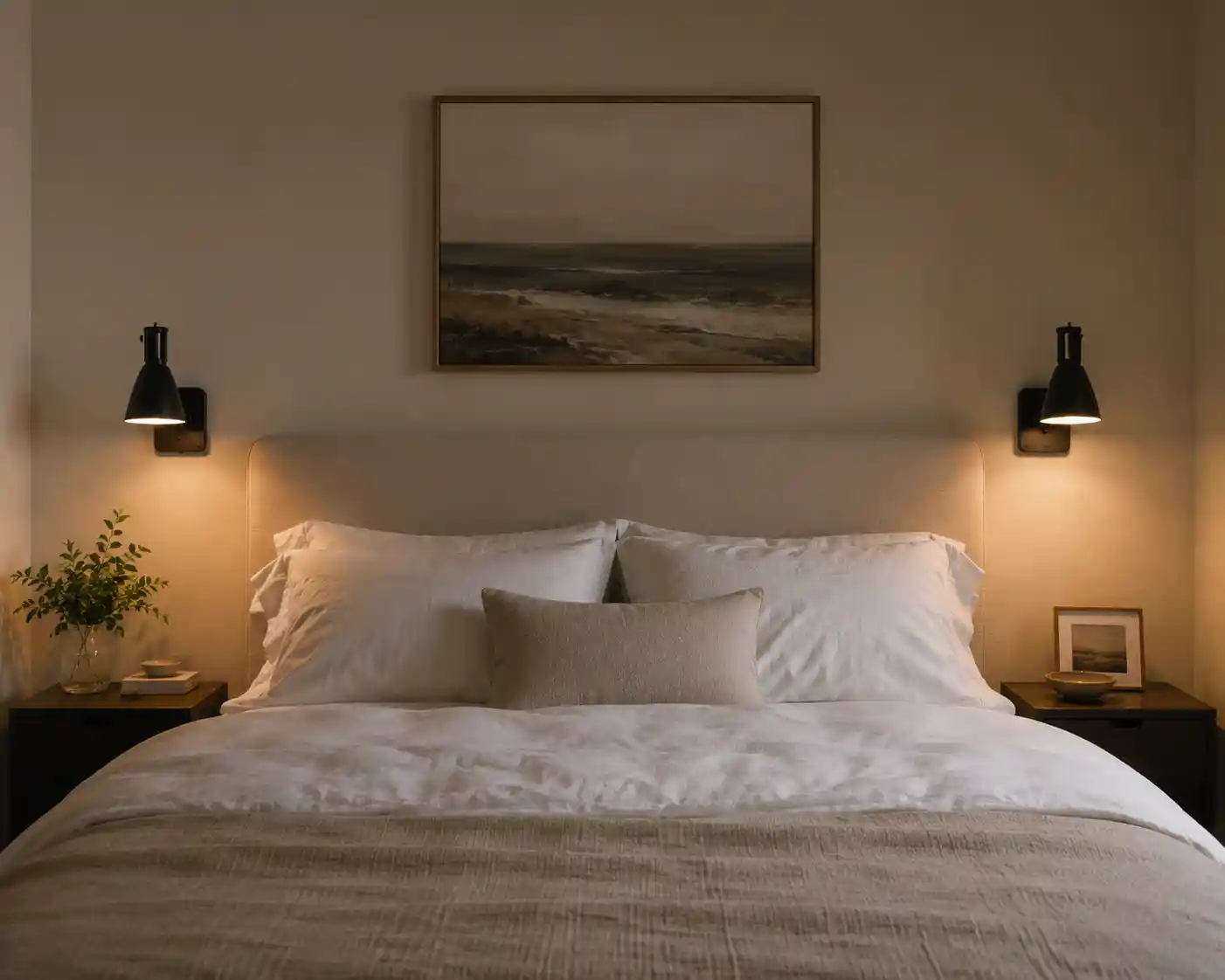
Bedside lamps are a staple, but they require surface space on a nightstand that you might not have. Switching to wall-mounted sconces frees up your bedside table for the things you actually need, like a book or a glass of water. Sconces also provide a more focused, architectural lighting solution that can be used for reading without illuminating the entire room. Choose a design that complements your hardware for a cohesive, high-end look that mimics a luxury boutique hotel.
Create Integrated Headboard Storage
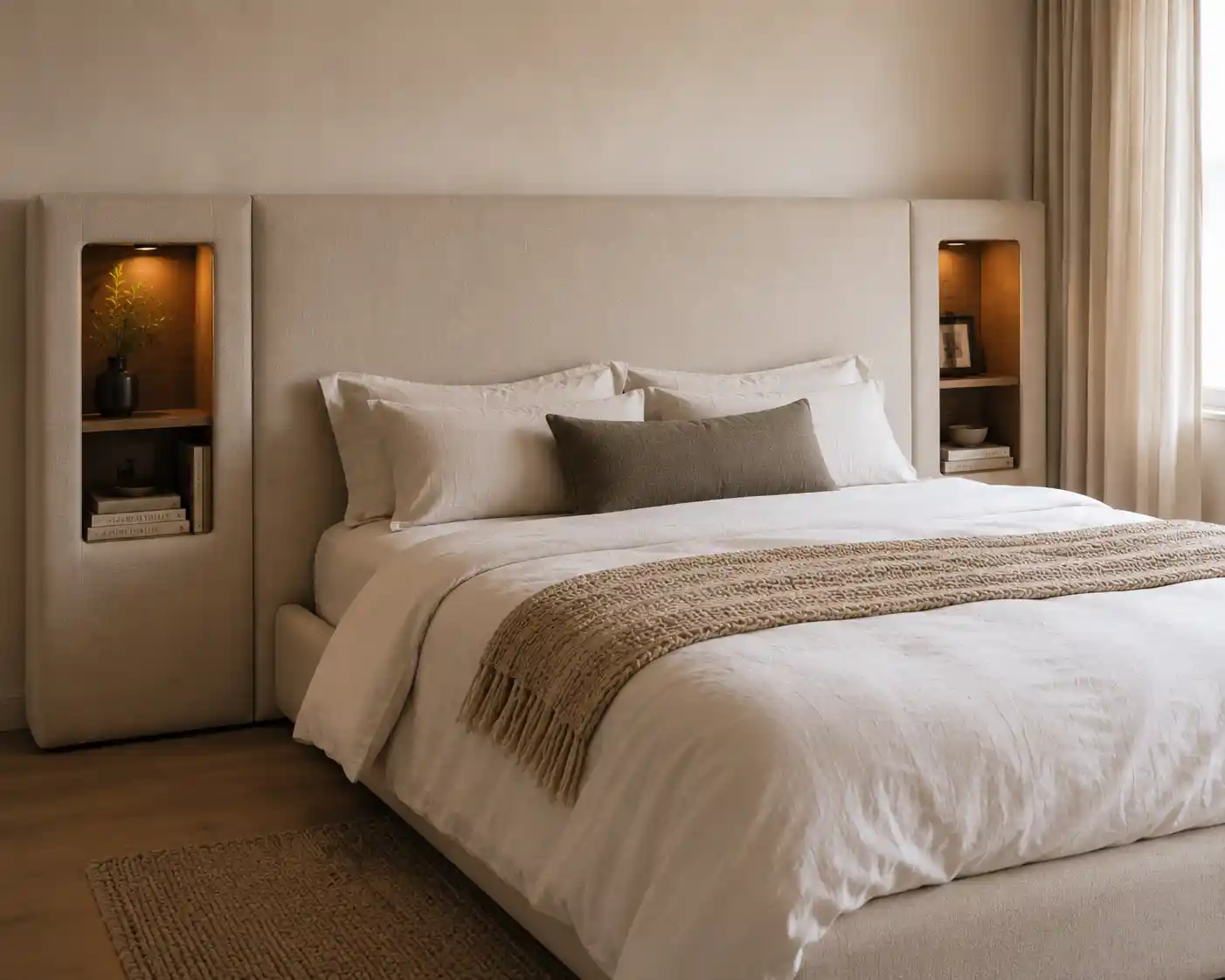
For those who want a truly seamless look, integrated headboard storage is an exceptional choice. By building shelving directly into the headboard structure, you eliminate the need for separate nightstands entirely. These built-in niches provide the perfect spot for a phone, a lamp, and a few personal items while keeping the floor completely clear. This approach blends storage into the furniture’s architecture, creating a streamlined and sophisticated aesthetic that maximizes every single inch of the bed’s footprint.