
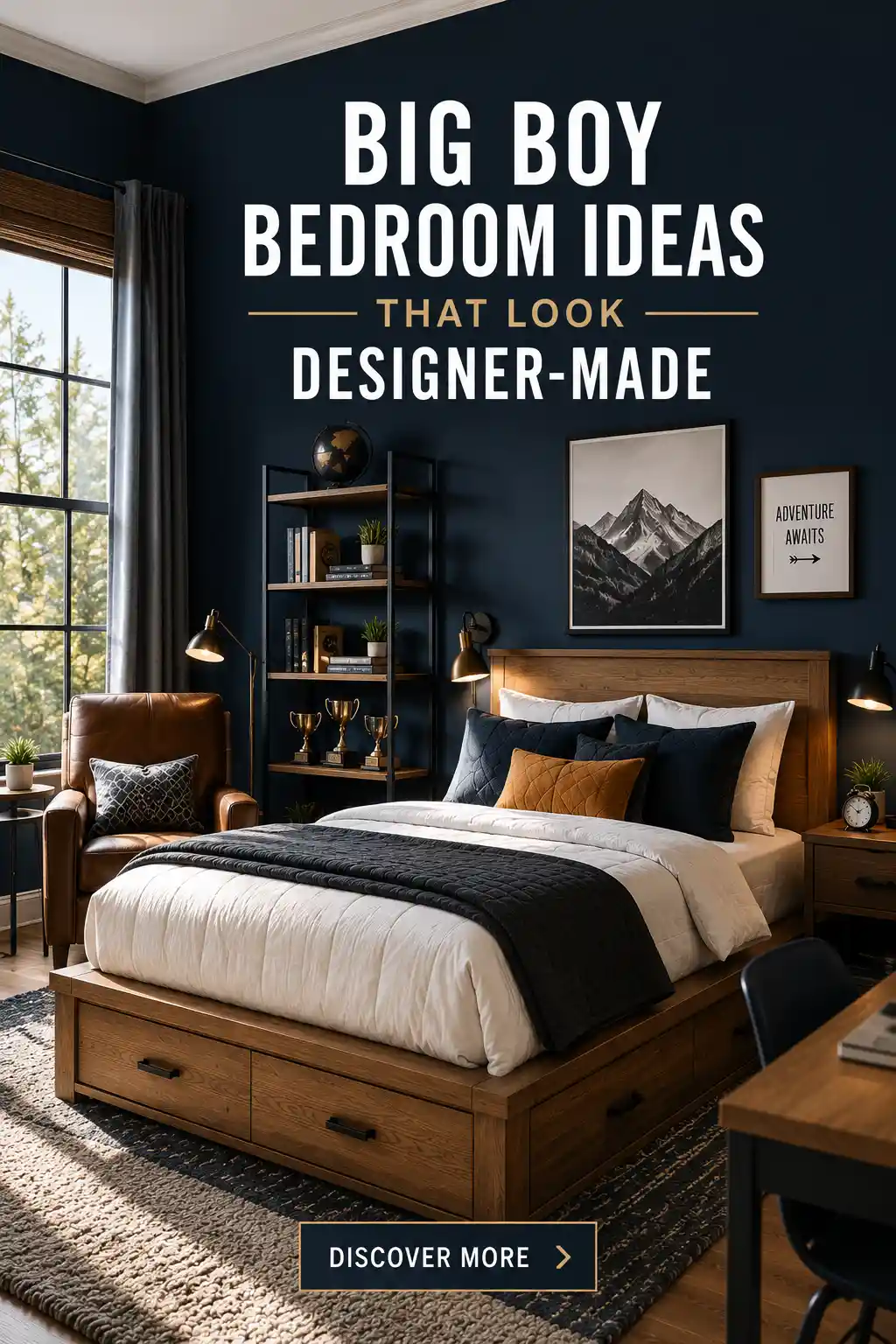
Transitioning from a toddler room to a ‘big boy’ space is about more than just upgrading to a larger bed. It is about creating a sanctuary that evolves alongside your child, balancing their current passions with a timeless design that remains functional for years to come. The goal is to move away from temporary, themed kitsch and toward a sophisticated environment that fosters independence, creativity, and organization. From smart storage solutions to moody color palettes, these 21 ideas will help you design a room that feels grown-up yet playful.
Sophisticated Midnight Blue Accent Walls
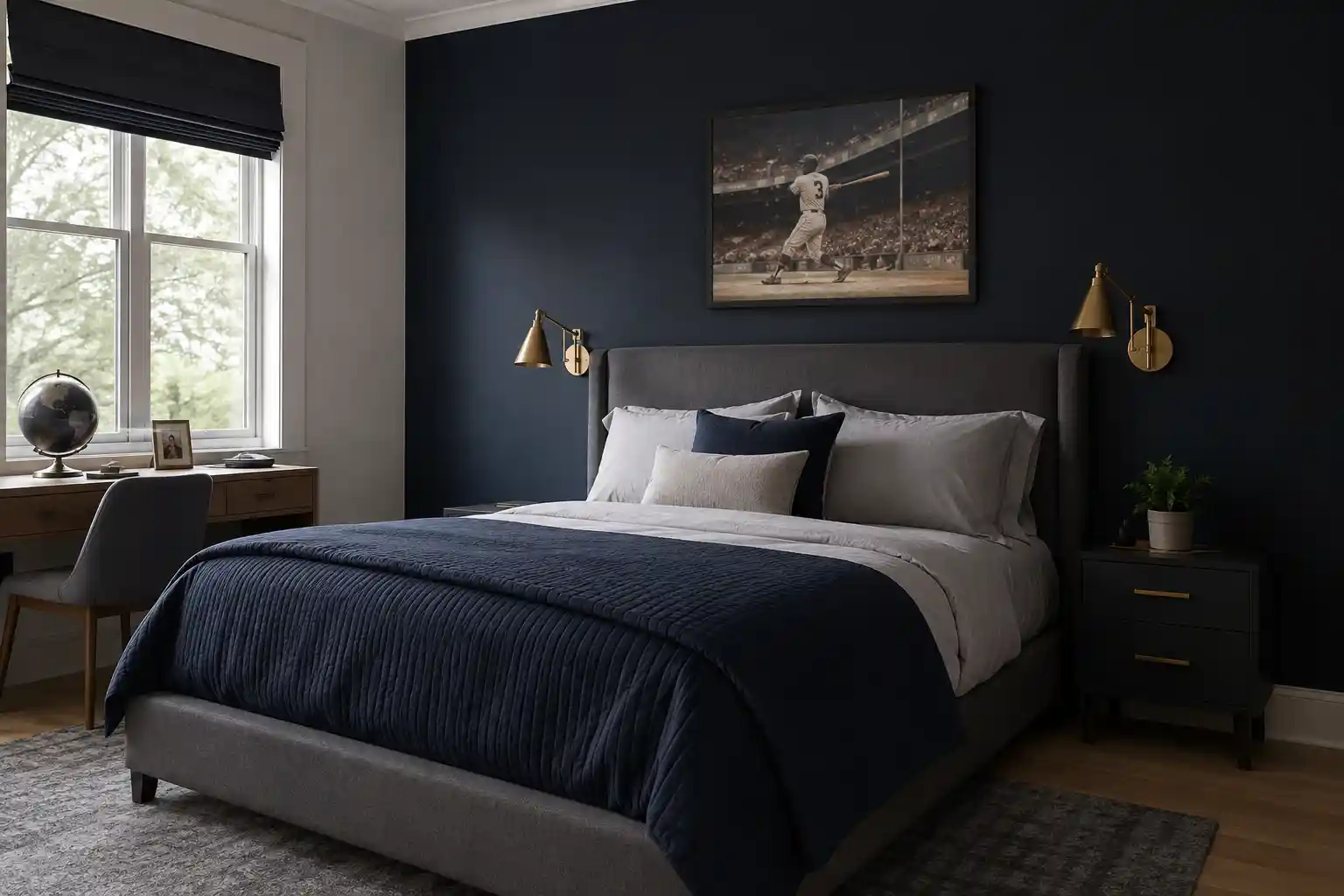
Moving away from bright, primary blue transforms a room from a toddler space into a sophisticated retreat. A deep midnight blue or navy accent wall creates a dramatic focal point that feels mature and calming. To prevent the room from feeling too dark, pair this bold color with light-toned wood furniture, crisp white linens, and metallic accents like brass or brushed gold. This palette provides a neutral yet moody backdrop that can easily accommodate changing tastes as your son grows into his teenage years.
Lofted Beds for Maximum Floor Space
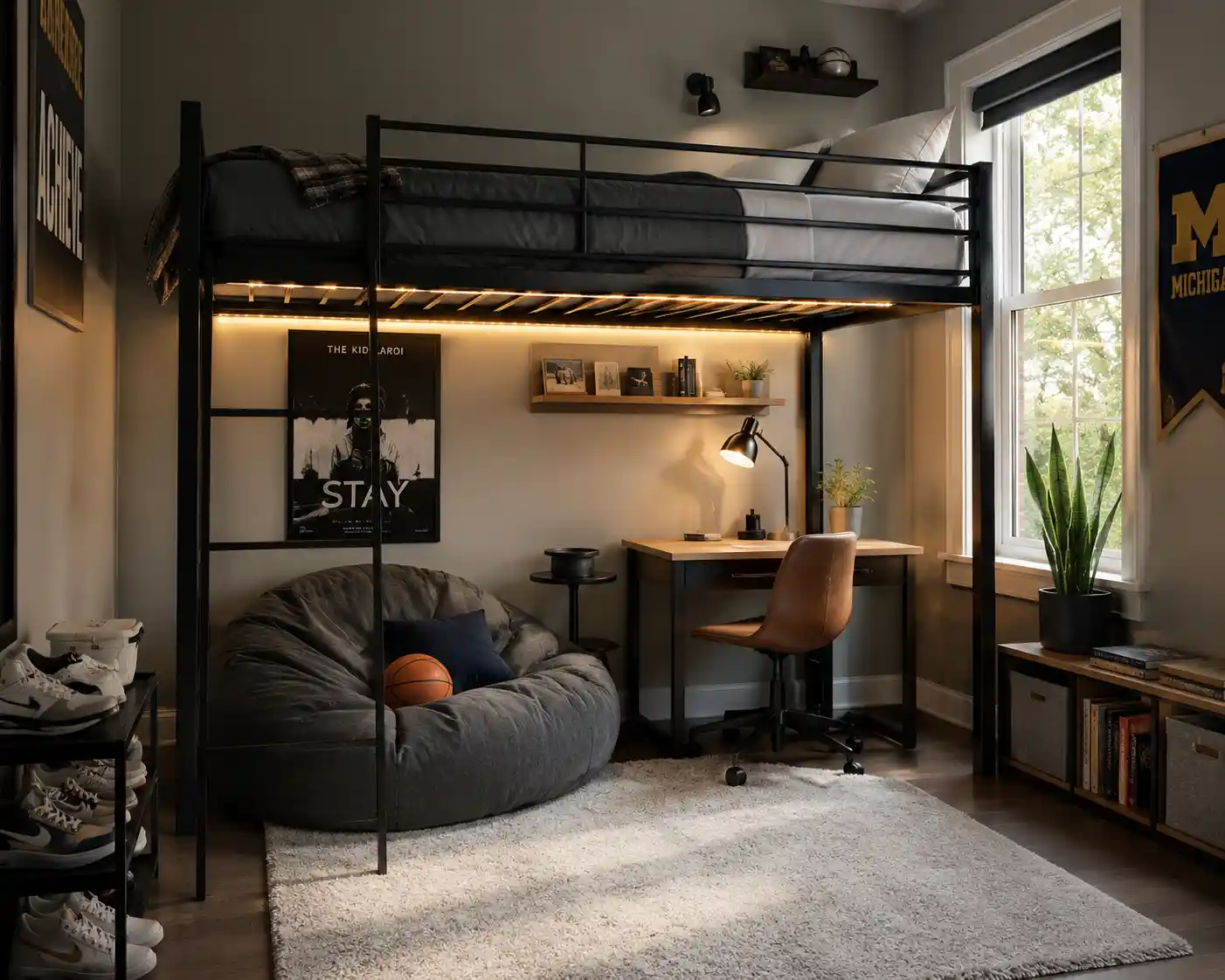
When square footage is limited, thinking vertically is the most effective way to maximize the room’s utility. A lofted bed system lifts the sleeping area, freeing up a significant amount of floor space underneath. This newly created zone can be converted into a private reading lounge, a dedicated gaming station, or a homework hub. By separating the sleep and activity zones, you encourage a more organized mindset and give your child a sense of having their own ‘secret’ hideaway within their bedroom.
Earth-Toned Nature-Inspired Palettes
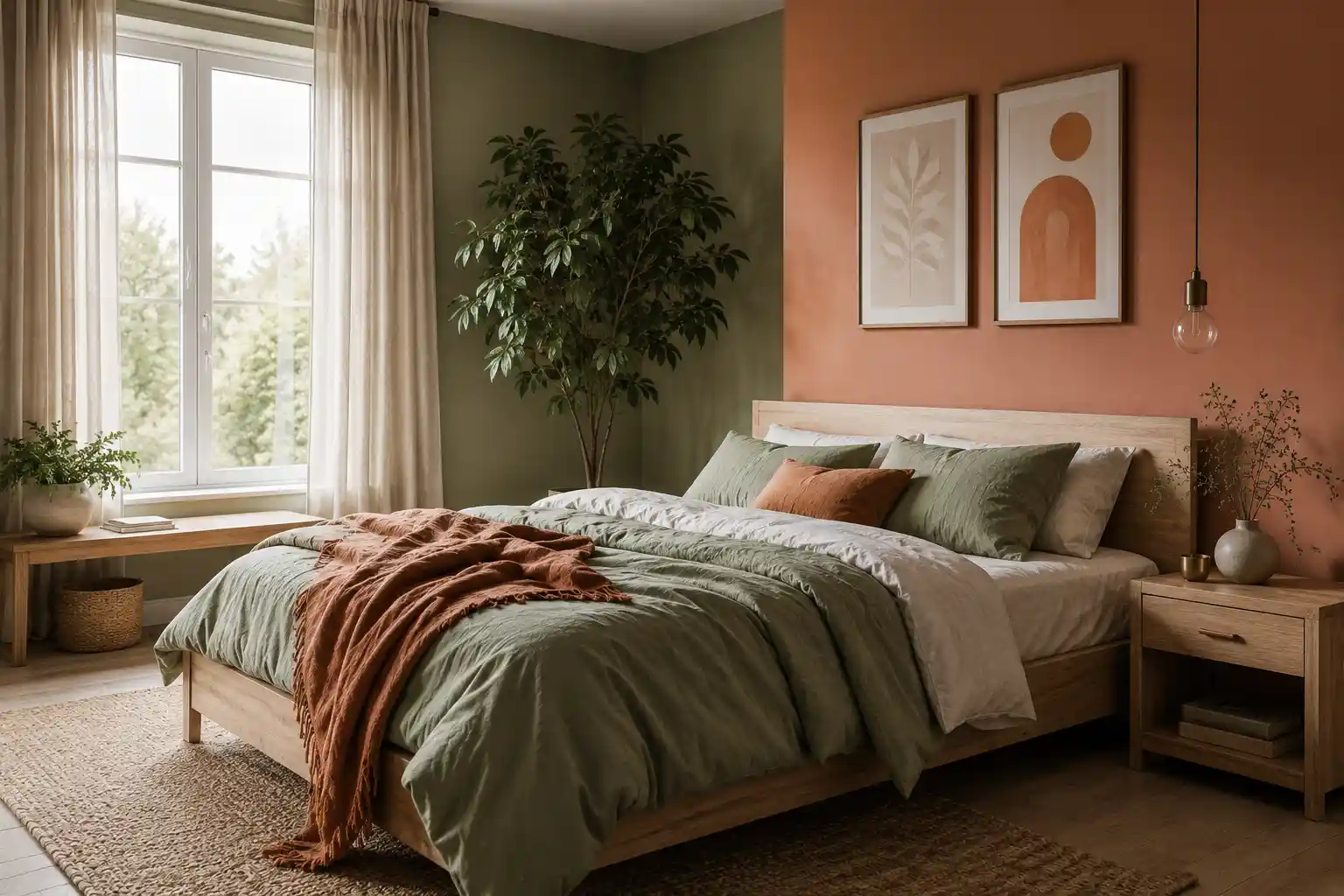
Bringing elements of the outdoors inside has a grounding effect on a child’s energy levels. Instead of literal forest themes, opt for an organic color palette consisting of muted sage greens, warm ochre, and soft terracotta. Combine these hues with natural materials like raw wood, jute, and linen to create a serene, gender-neutral environment. This approach feels timeless and breathable, providing a calming atmosphere that supports both high-energy play and deep, restful sleep at the end of the day.
Integrated Under-Bed Storage Drawers
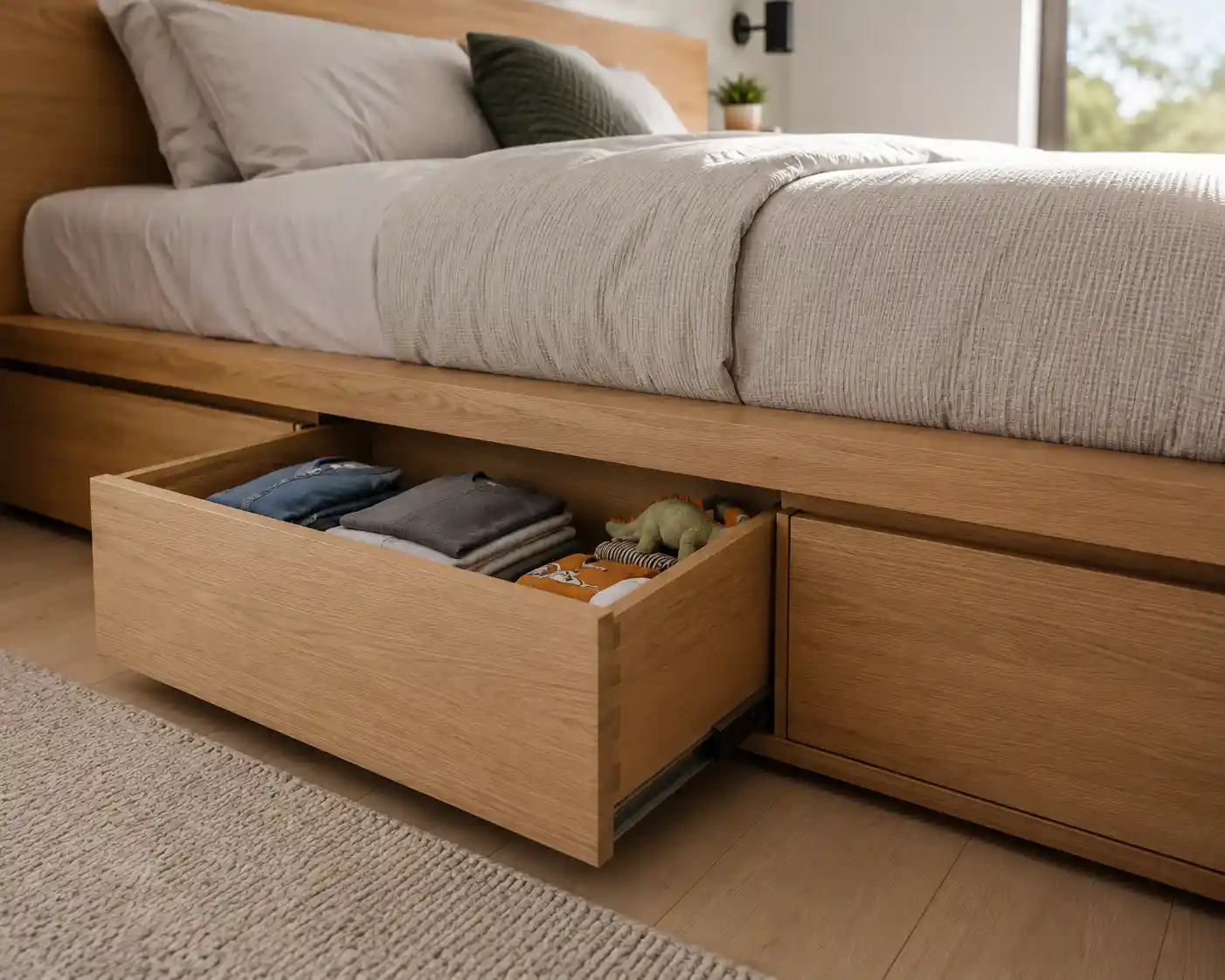
Clutter is the enemy of a peaceful bedroom, especially in a space shared with toys and school gear. Integrated under-bed storage drawers are a game-changer for maintaining a tidy room without needing bulky standalone dressers. These drawers are perfect for storing out-of-season clothing, extra bedding, or large toy collections like building blocks. Choosing a bed frame with a seamless, built-in design keeps the lines of the room clean and prevents the floor from becoming a chaotic obstacle course of plastic bins.
Industrial Style Open Shelving
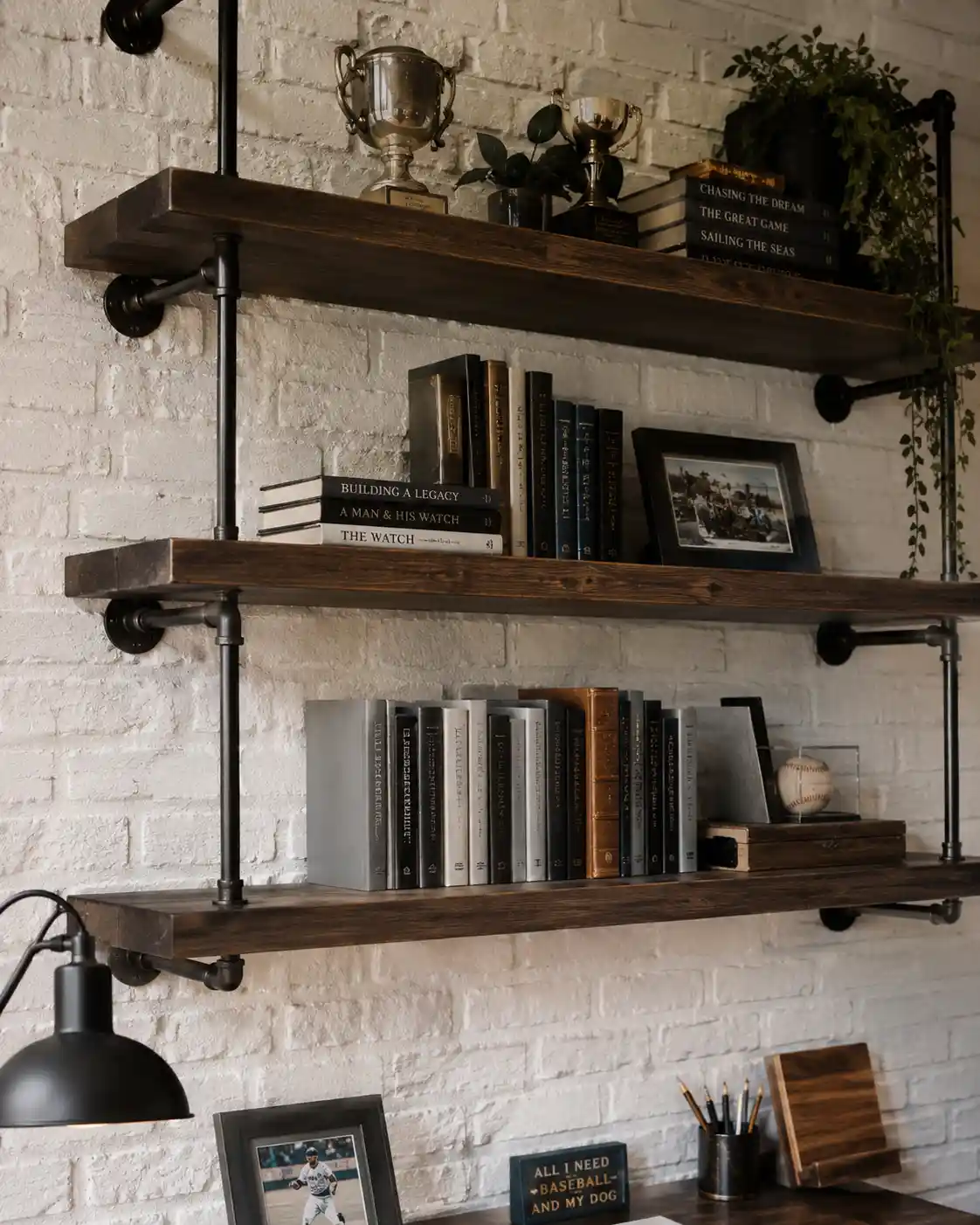
Industrial shelving offers a rugged, mature look that appeals to growing boys while providing essential vertical storage. By using a combination of matte black metal and reclaimed wood, you add architectural interest and a sense of stability to the room. These shelves are ideal for displaying prized possessions, trophies, and favorite books, keeping them off the desk and out of the way. The open design makes it easy for children to access their items and put them back, fostering independence in cleaning.
An Evolving Gallery Wall
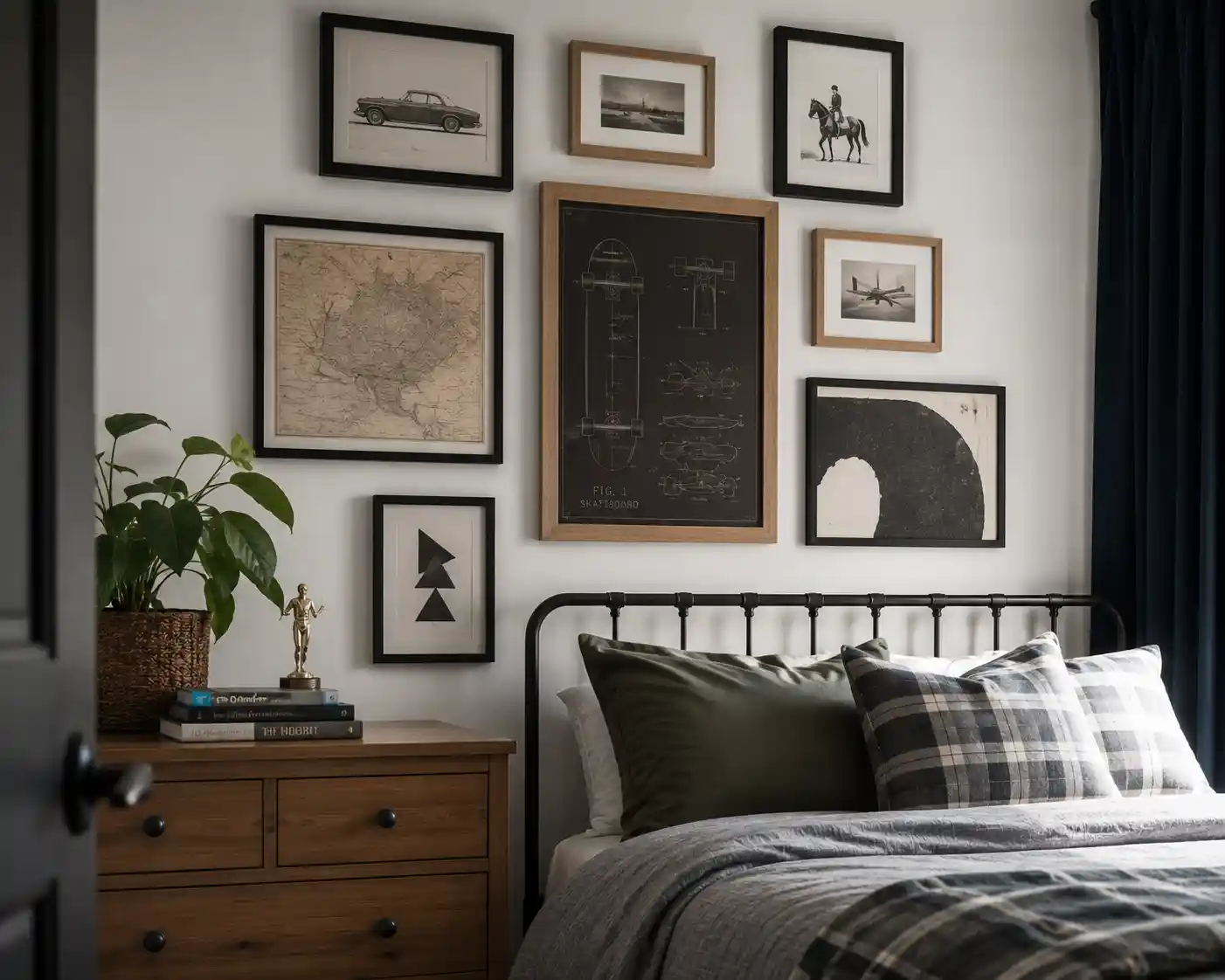
A child’s interests change rapidly, but their walls don’t have to be repainted every time they find a new hobby. An evolving gallery wall using consistent frames allows you to swap out artwork easily. One month the wall might feature dinosaur sketches and space prints; the next, it could be skateboards and sports photography. By keeping the frames uniform in color or style, the wall remains visually cohesive regardless of the content, allowing the room to grow alongside the child’s evolving personality.
Dedicated Cozy Reading Nooks
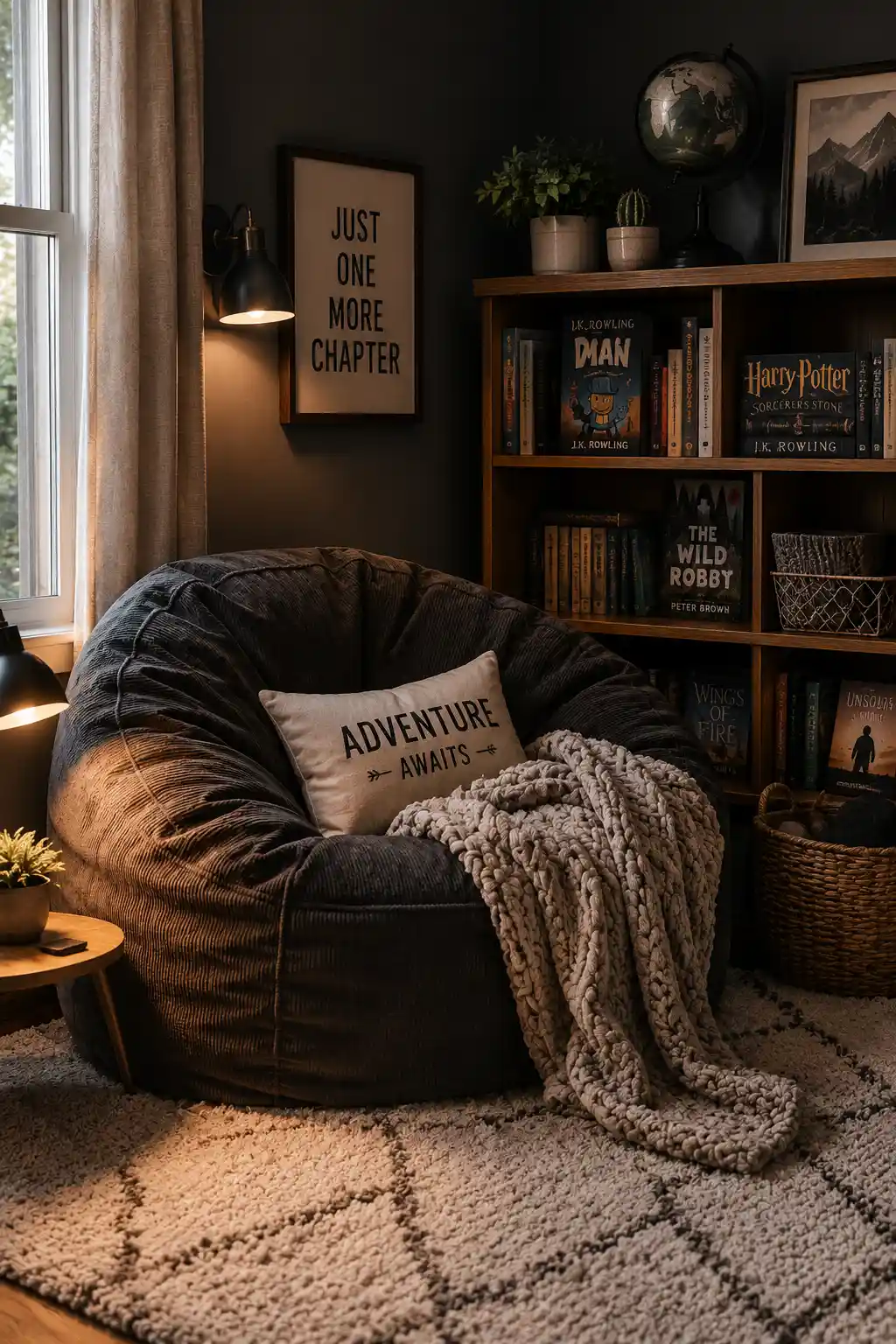
Encouraging a love for reading starts with creating a space that feels inviting and separate from the distractions of the rest of the room. A dedicated reading nook can be as simple as an oversized bean bag chair or a plush upholstered armchair tucked into a quiet corner. Add a soft throw blanket and a small side table for a lamp to create a warm, cocoon-like atmosphere. This sanctuary provides a necessary mental break and a quiet place for decompression after a long day at school.
Ergonomic and Minimalist Study Zones
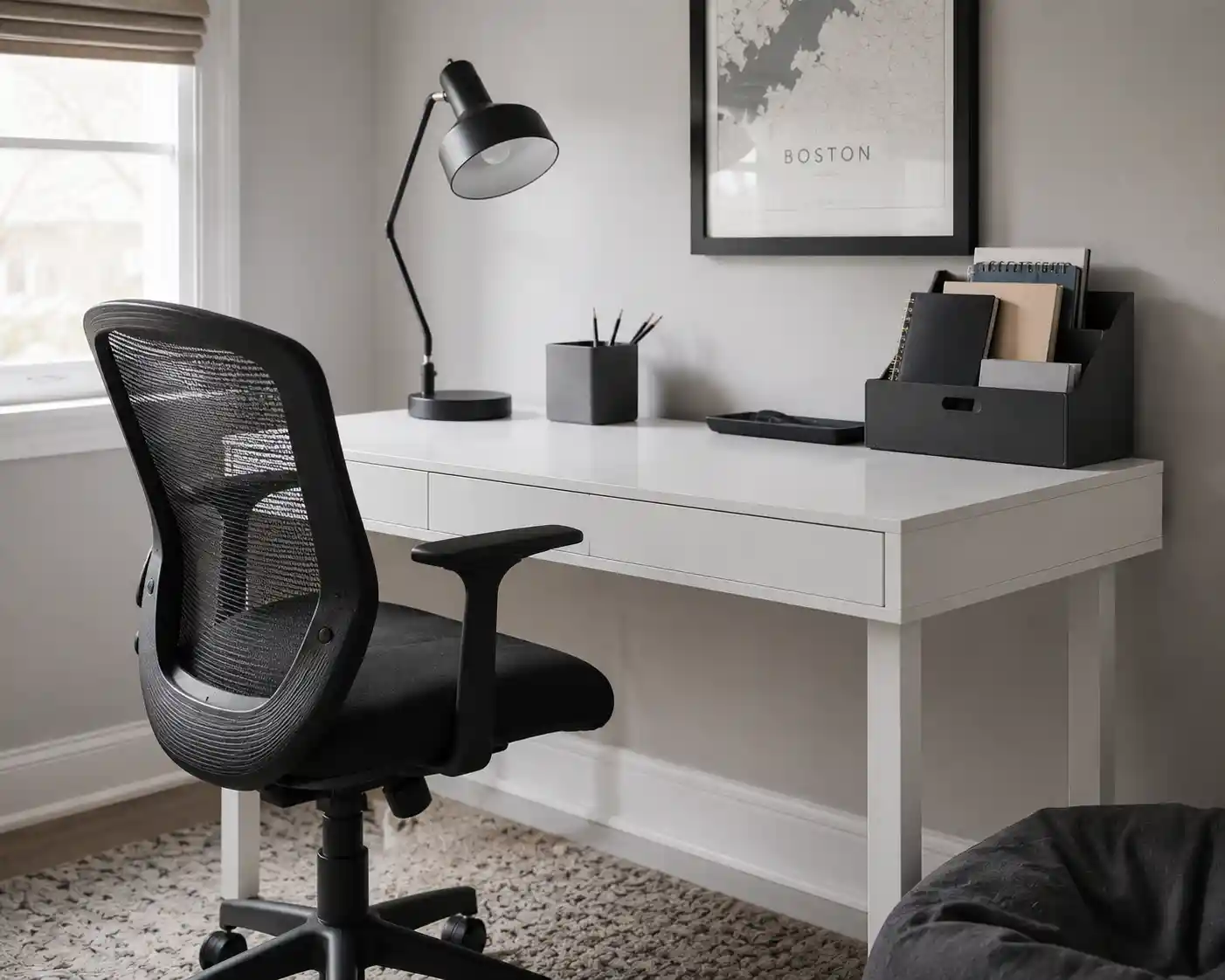
The environment heavily influences focus and productivity. A dedicated study zone helps a child mentally transition from playtime to homework time. Opt for a minimalist desk with a clean surface to reduce visual distractions and pair it with an ergonomic chair that supports good posture as they grow. By keeping the desk area organized with small trays and a dedicated task lamp, you create a professional-feeling workspace that teaches the importance of organization and disciplined study habits.
Layered High-Pile Textured Rugs
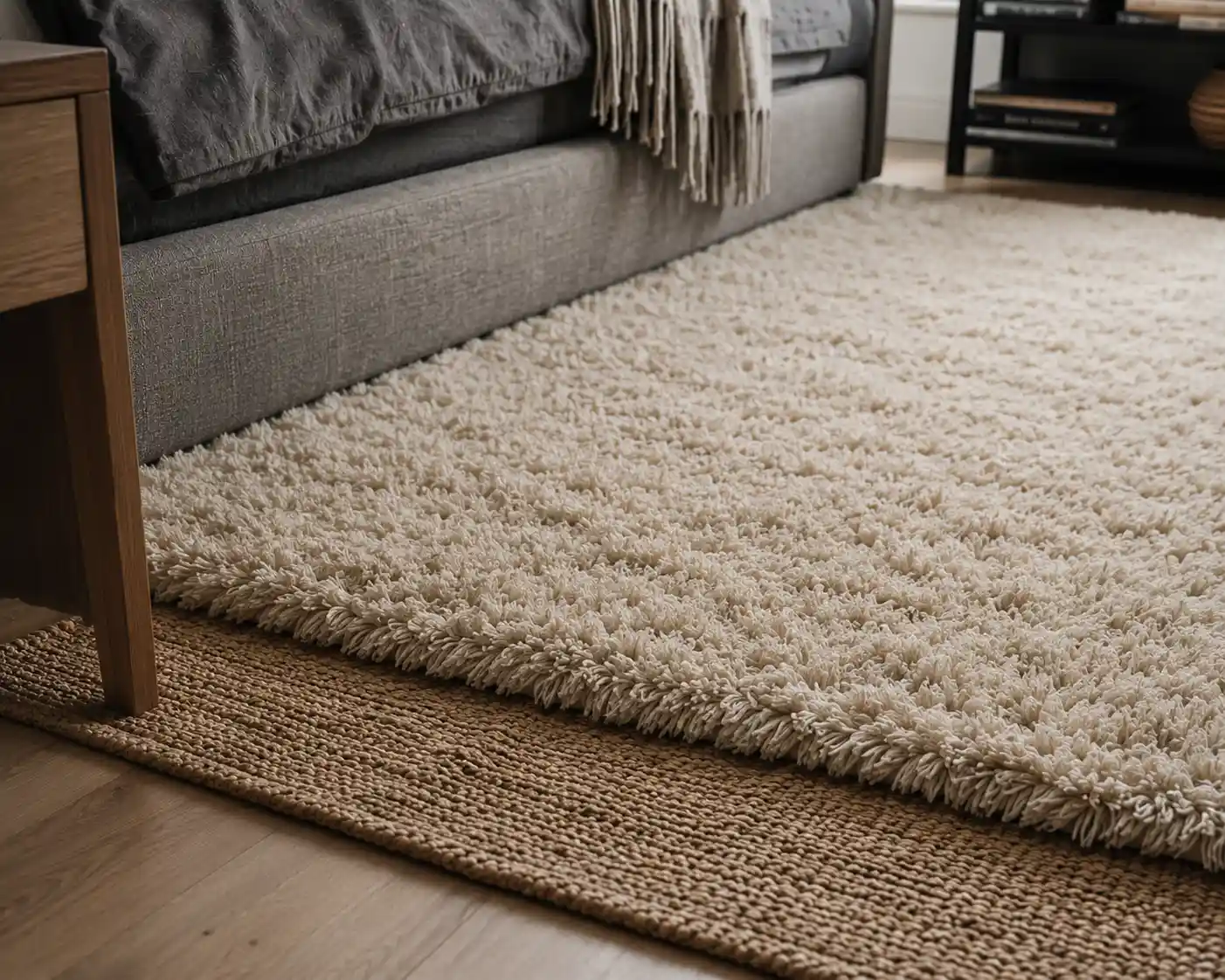
Since much of a child’s play happens on the floor, the rug should be as functional as it is stylish. Layering a high-pile plush rug over a larger, durable jute or sisal rug provides both comfort and stability. A thicker rug acts as a sound dampener and provides a soft landing for building LEGO sets or playing games. Choosing neutral colors with subtle patterns helps mask the occasional dirt track while adding a layer of warmth and luxury to the overall room design.
Interactive Magnetic Display Walls
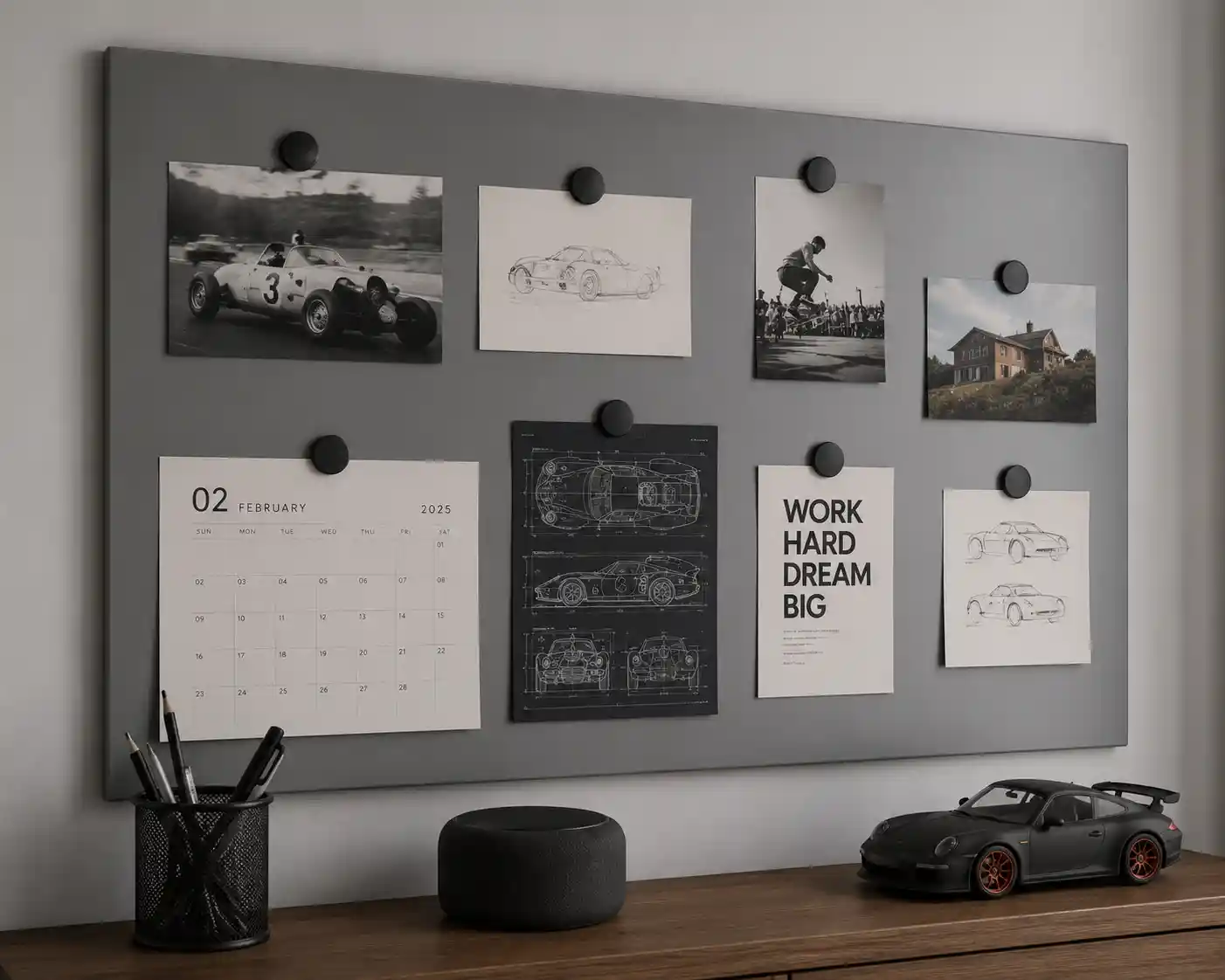
Giving a child a designated space for creative expression prevents the rest of the walls from becoming covered in tape and glue. A magnetic wall panel or a large magnetic whiteboard offers a dynamic way to display art, school schedules, and photographs. This interactive element encourages organization and allows the child to curate their own space. It serves as a functional mood board where they can pin inspirations and ideas, making the room feel truly personalized and interactive.
Custom Neon LED Accent Lighting
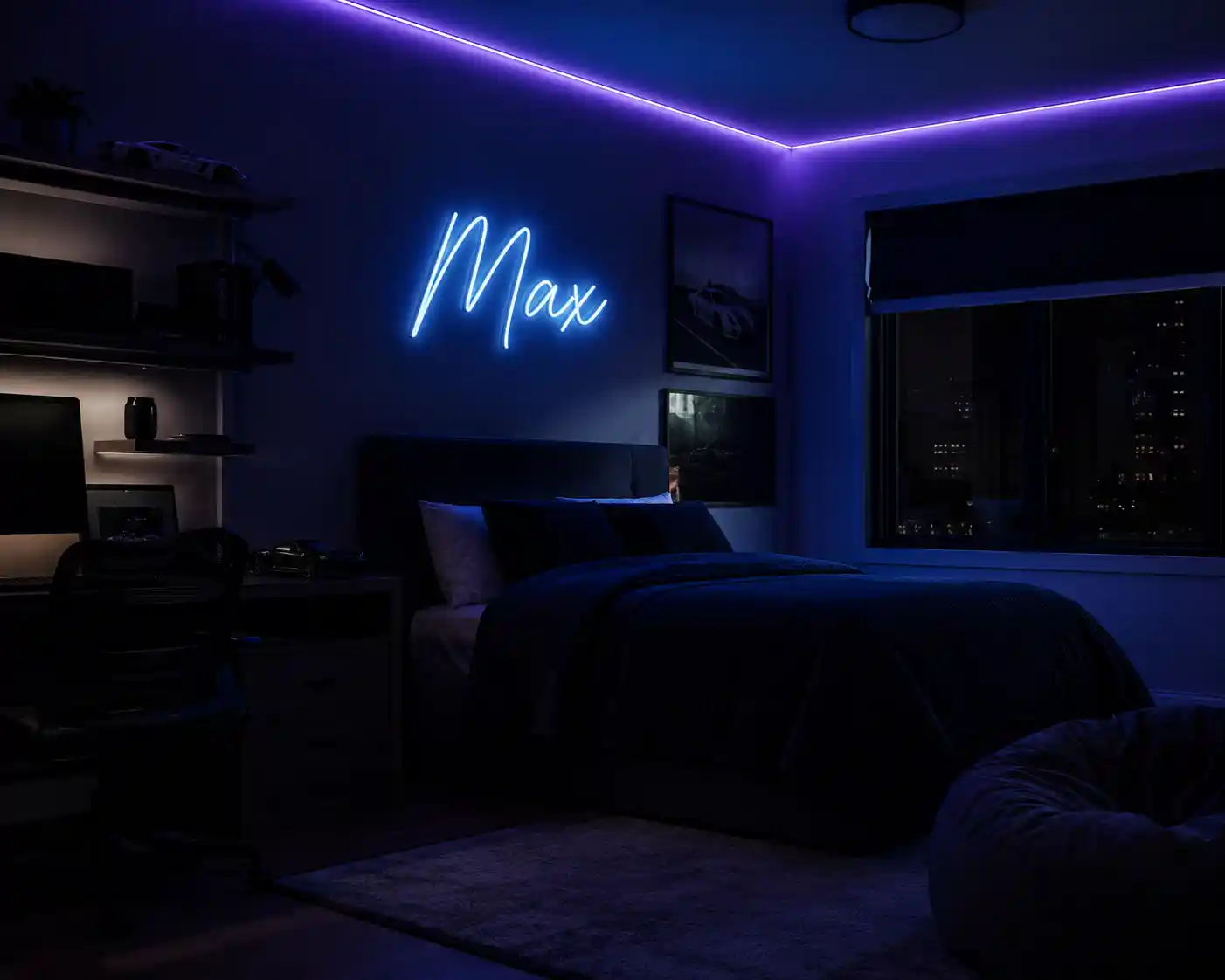
Lighting is the fastest way to change the mood of a room. While overhead lighting is necessary for tasks, adding a custom neon LED sign or smart LED strips creates a ‘cool’ factor that boys love. A neon sign with their name or a favorite word adds a personalized touch and serves as a gentle nightlight. By using smart bulbs that can change color, the room can shift from a bright, energizing white for morning routines to a calming amber or blue for evening wind-down.
Classic Platform Captain’s Beds
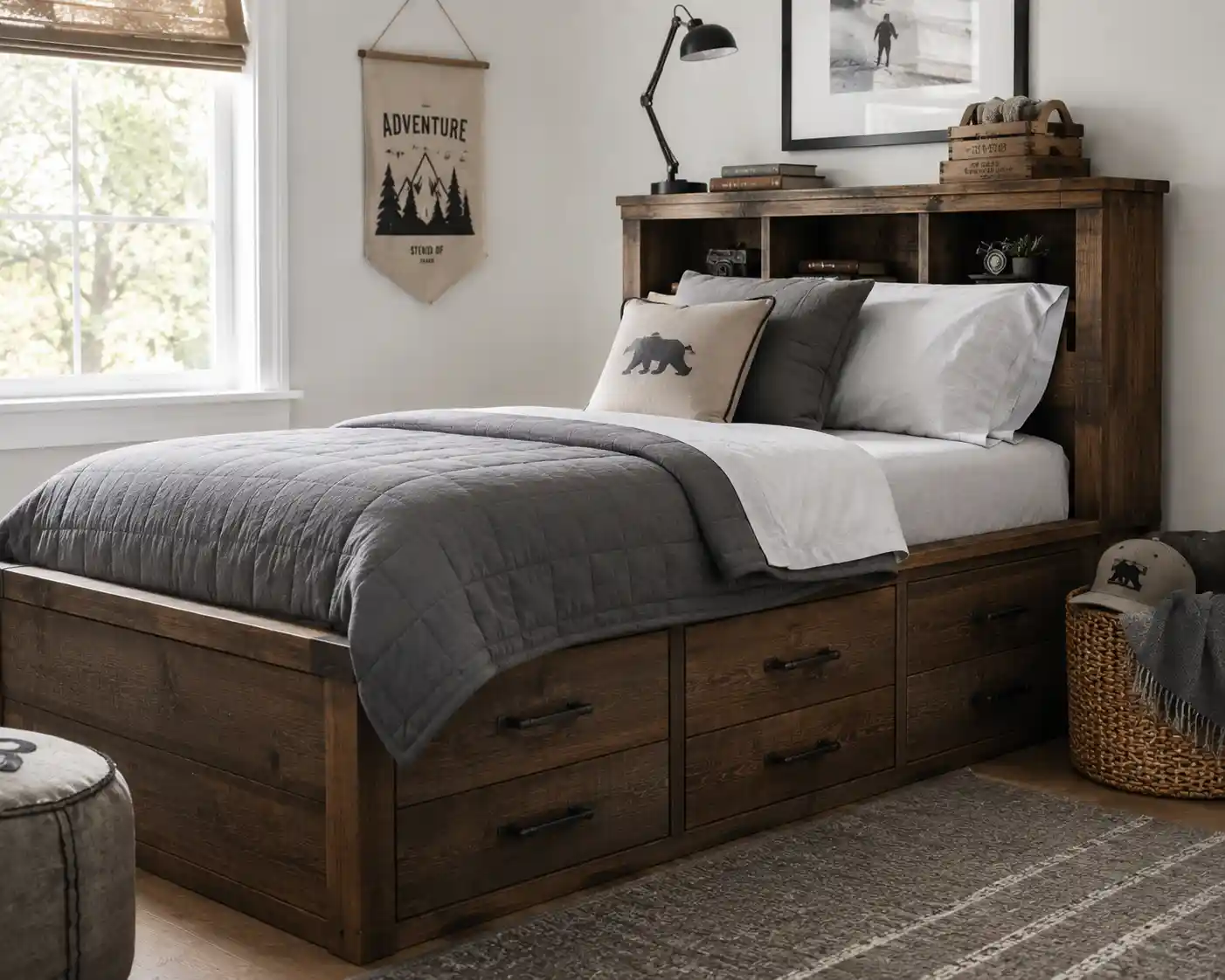
Captain’s beds are a timeless choice for a big boy bedroom because they combine sleeping and storage into one architectural piece. The built-in drawers eliminate the need for a separate dresser, which opens up more floor space for activities. These beds are typically sturdier than standard frames, making them ideal for active children. Choosing a classic wood finish ensures the piece remains stylish for years, while the integrated storage encourages the child to take ownership of their belongings.
Natural Woven Storage Baskets
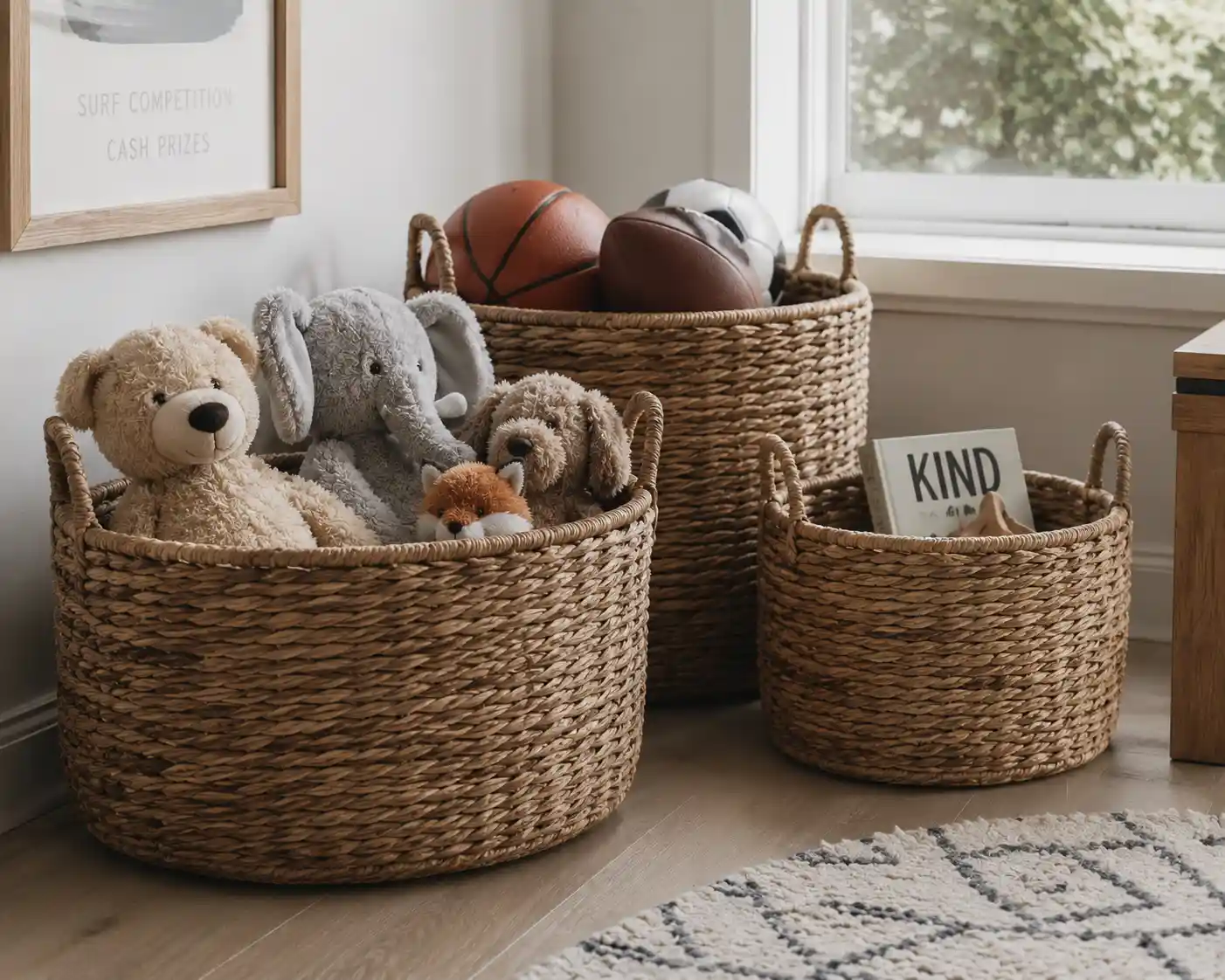
Plastic bins often feel too juvenile for a growing boy. Replacing them with woven rattan or seagrass baskets adds an organic, high-end feel to the room while performing the same function. Baskets are perfect for ‘quick-sweep’ cleanups, allowing toys to be tossed in quickly without needing meticulous sorting. The natural texture of the wicker complements earth-toned palettes and adds a tactile element to the room, making the storage feel like a part of the decor rather than an eyesore.
Double-Hanging Closet Organization
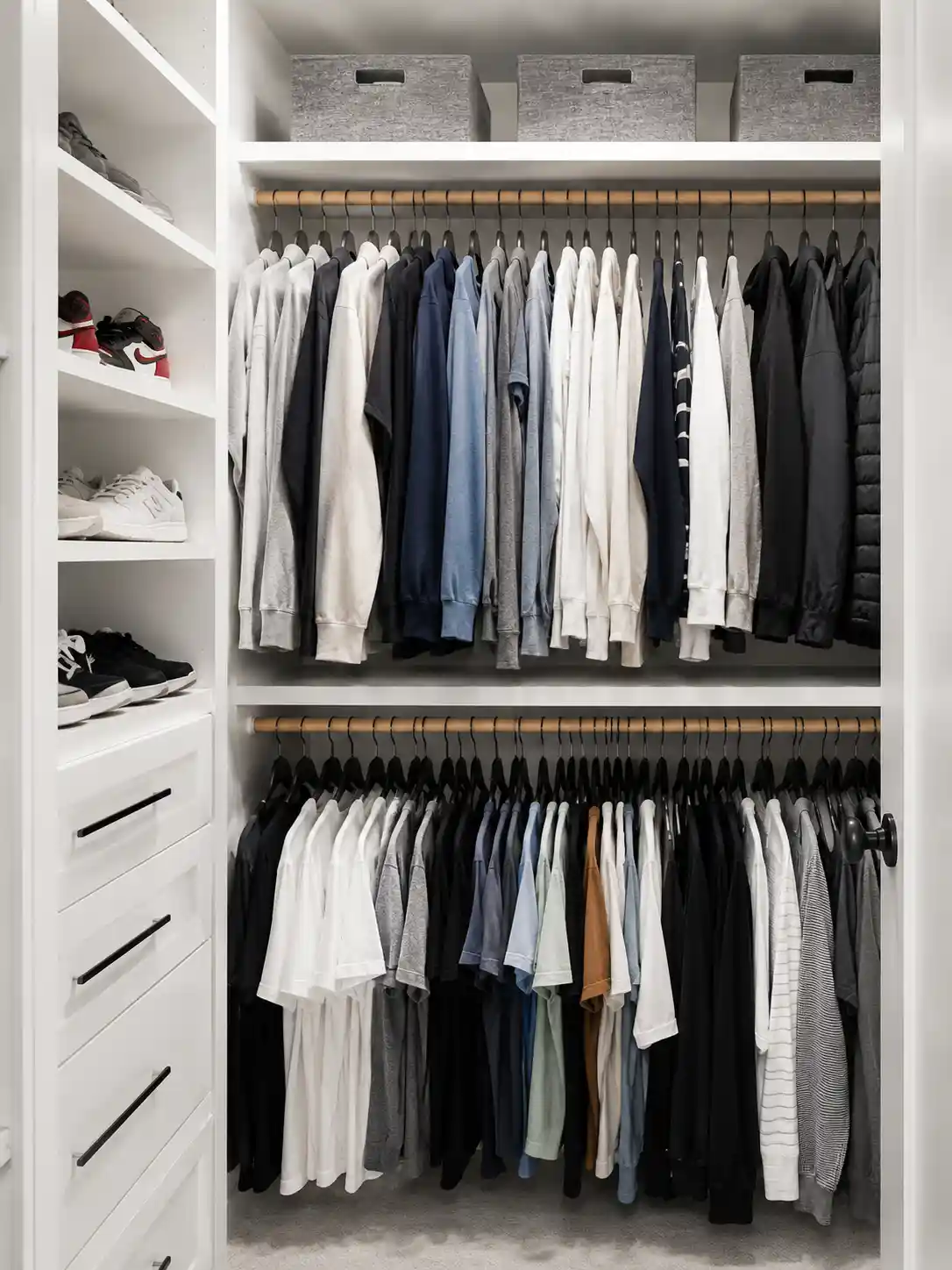
Closet chaos can make an entire room feel cluttered. Since children’s clothes are shorter than adult garments, a single hanging rod wastes half of the vertical space. Installing a second, lower hanging rod instantly doubles the storage capacity and puts clothes within the child’s reach, promoting independence in getting dressed. Pairing this with matching slim velvet hangers prevents clothes from slipping and creates a visually streamlined look that reduces the perceived clutter inside the closet.
Matte Black Chalkboard Walls
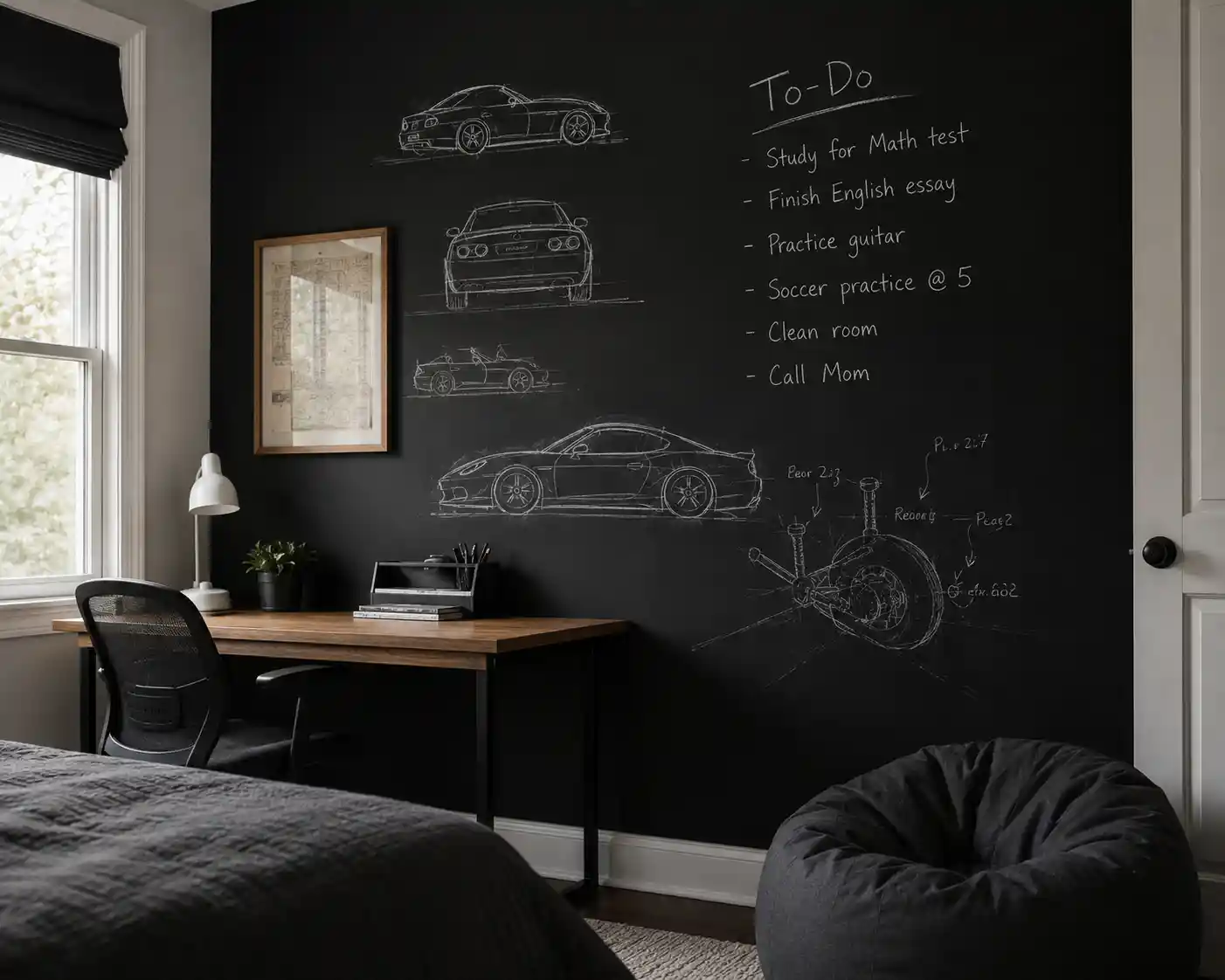
A chalkboard wall is a fantastic way to integrate art and utility into a bedroom. By painting one section of a wall with high-quality matte black chalkboard paint, you provide a designated area for sketching, brainstorming, or keeping track of a weekly schedule. It transforms a static wall into a living piece of art. This feature is especially useful for boys who love to draw or those who need a visual way to organize their school responsibilities and goals.
Timeless Neutral Linen Bedding
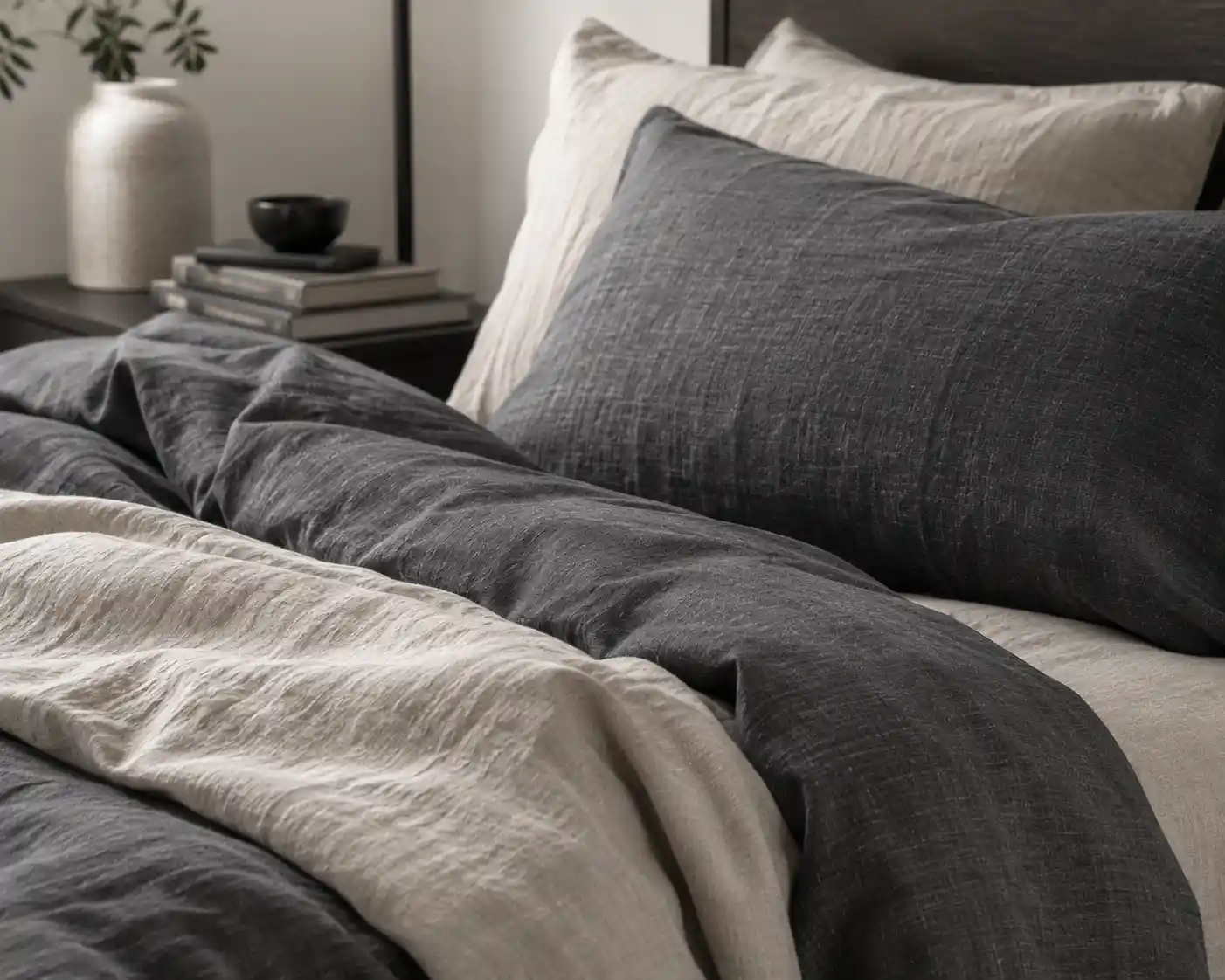
Avoid branded character sheets, which are outgrown almost instantly. Instead, invest in high-quality linen bedding in neutral tones like slate grey, oatmeal, or olive green. Linen is breathable, durable, and has a relaxed, lived-in look that feels sophisticated. Layering a neutral duvet with a textured throw blanket adds depth and warmth to the bed, making it the centerpiece of the room. This approach ensures the bed looks curated and adult, regardless of the toys surrounding it.
Versatile Wall-Mounted Pegboards
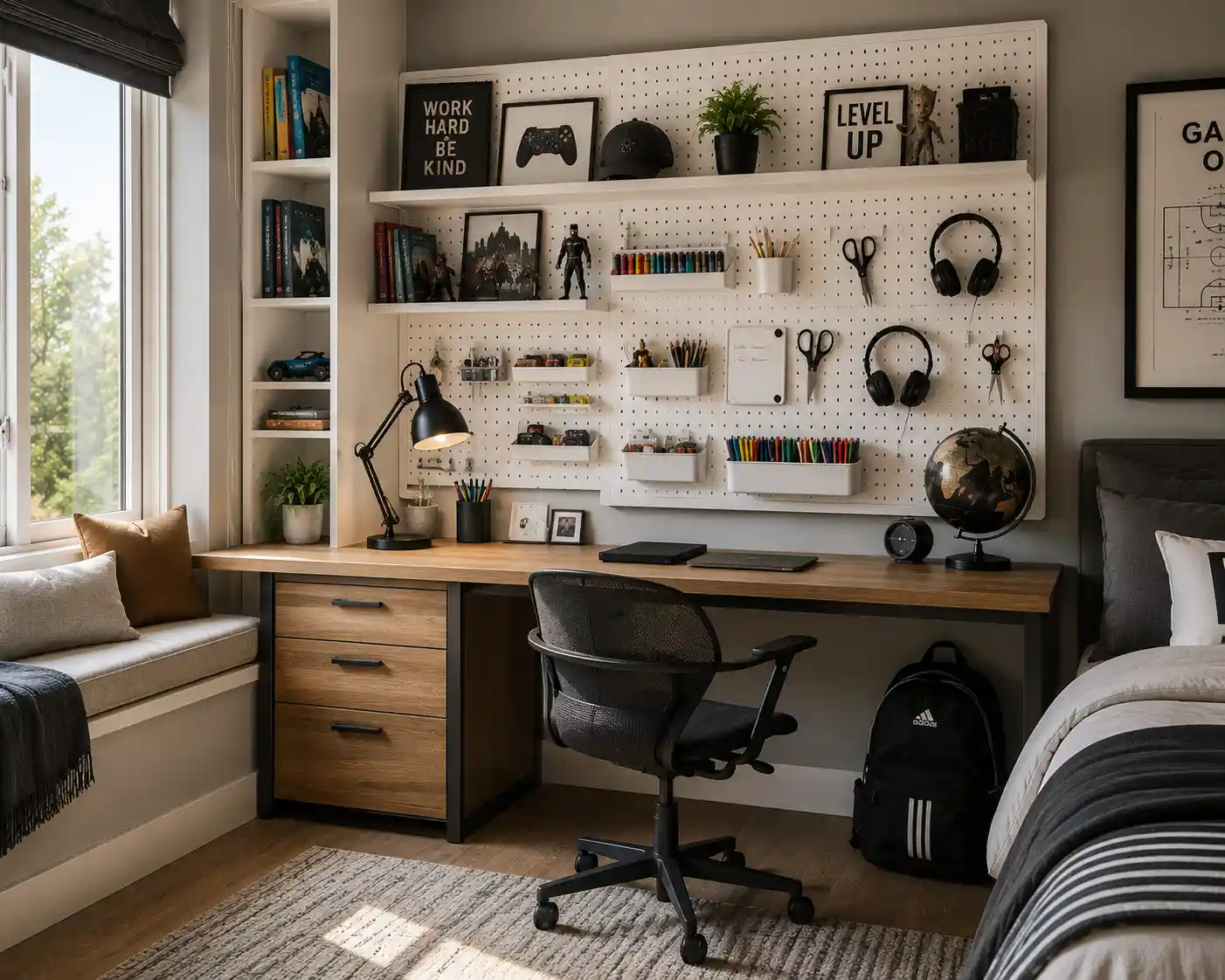
Pegboards are an incredibly versatile tool for organizing a creative workspace. By mounting a large pegboard above a desk, you move supplies off the desktop and onto the wall, maximizing the available work surface. Whether it’s used for art supplies, gaming accessories, or school tools, the modular nature of pegboards means the layout can be changed as needs evolve. This system teaches children how to organize their tools logically and keeps their creative materials within easy reach.
Forward-Facing Book Ledges
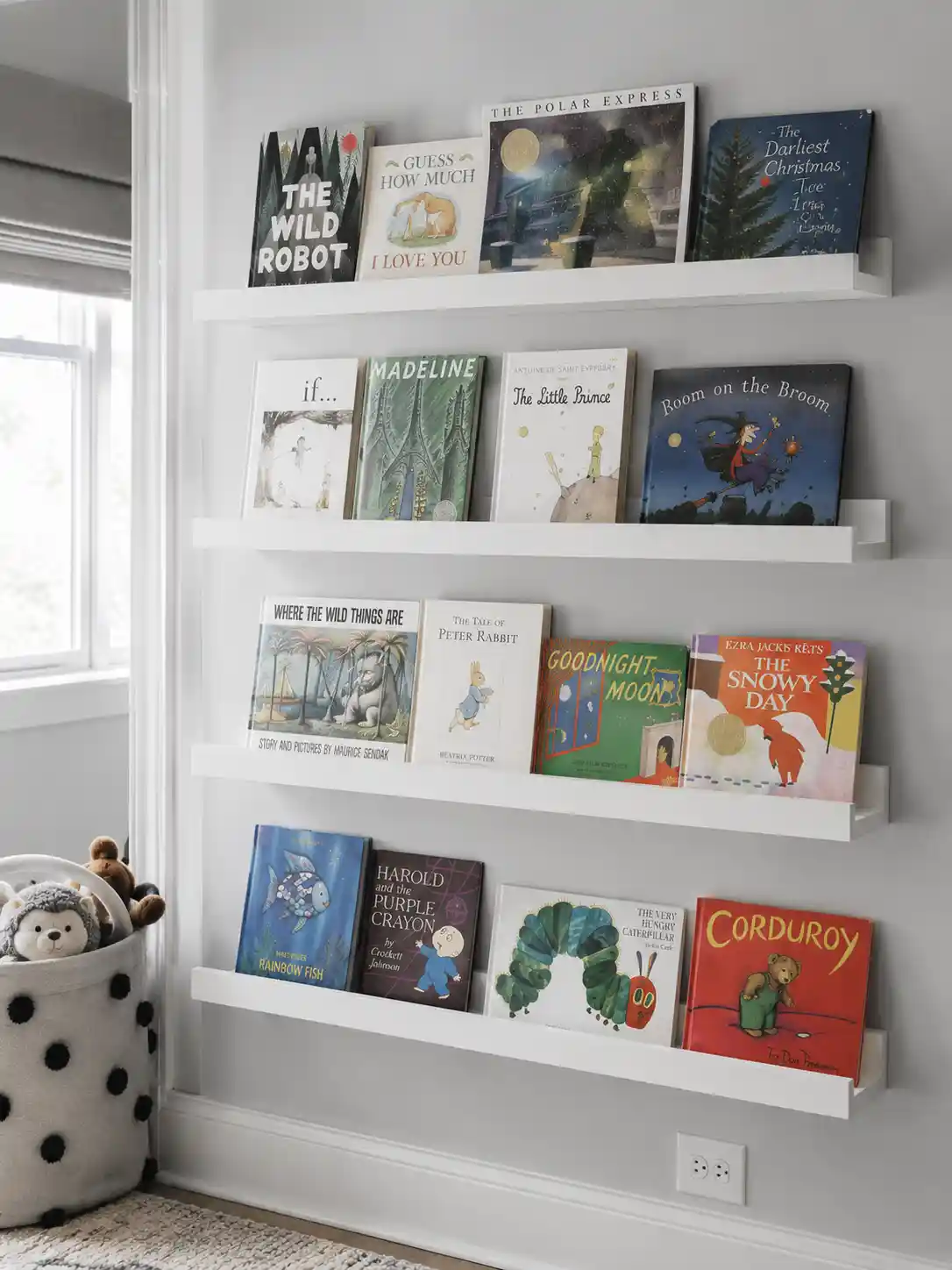
Traditional bookshelves often hide the most interesting part of a book: the cover. Forward-facing book ledges turn a collection of stories into a piece of wall art. This boutique-style display makes it much more intuitive for a child to choose a book, as they can see the artwork immediately. By installing these ledges at different heights, you utilize empty wall space and create a visually stimulating environment that encourages literacy and a love for reading.
Modular Furniture for Flexible Layouts
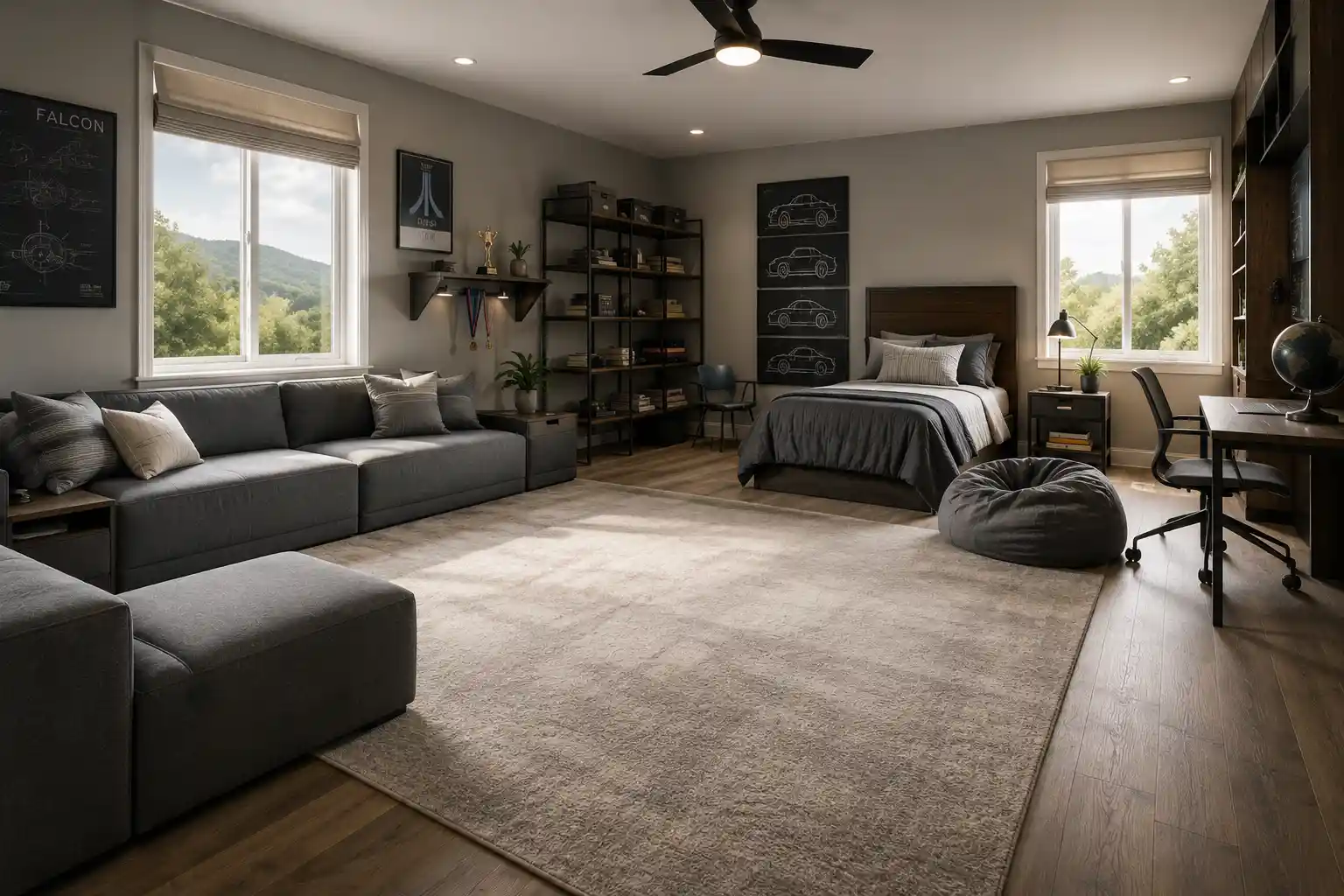
The needs of a child change rapidly between the ages of six and sixteen. To avoid constant redesigns, choose modular furniture that can be easily rearranged. Moveable desks, modular shelving units, and lightweight seating allow the room to morph from a play-centric space into a teenager’s lounge. Keeping the center of the room open maintains a sense of flow and provides a flexible area for different activities, ensuring the room remains functional through multiple growth spurts.
Warm Ochre and Charcoal Accents
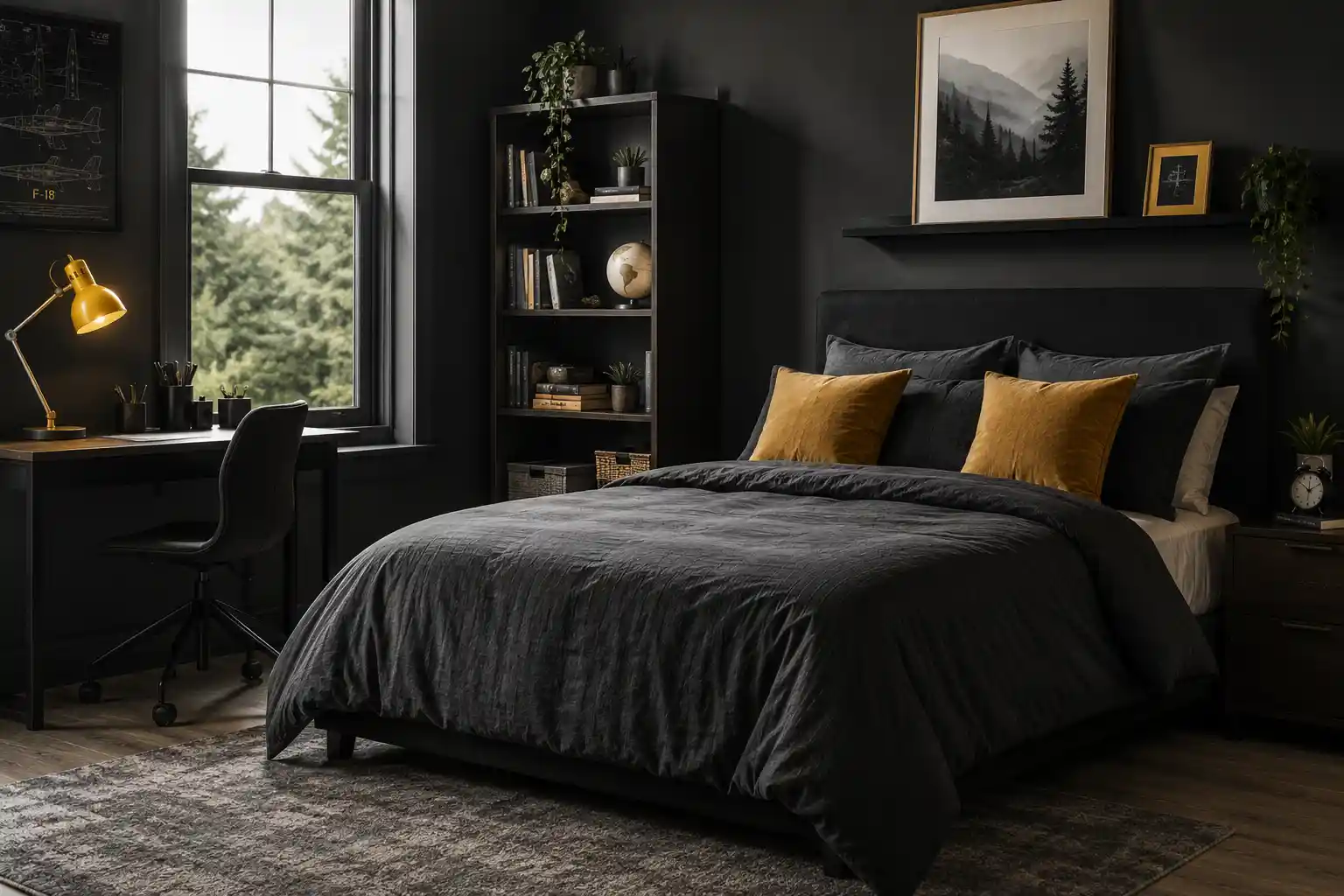
For those who want a pop of color without the childishness of primary yellow, ochre is a perfect alternative. This warm, earthy yellow pairs beautifully with charcoal grey or deep navy, creating a high-contrast look that is both modern and energetic. Use ochre in small doses—such as a throw pillow, a desk lamp, or a piece of art—to add warmth to the room. This color combination feels intentional and designed, providing a sophisticated energy that stimulates creativity while remaining grounded.
Integrated Indoor Active Play Zones
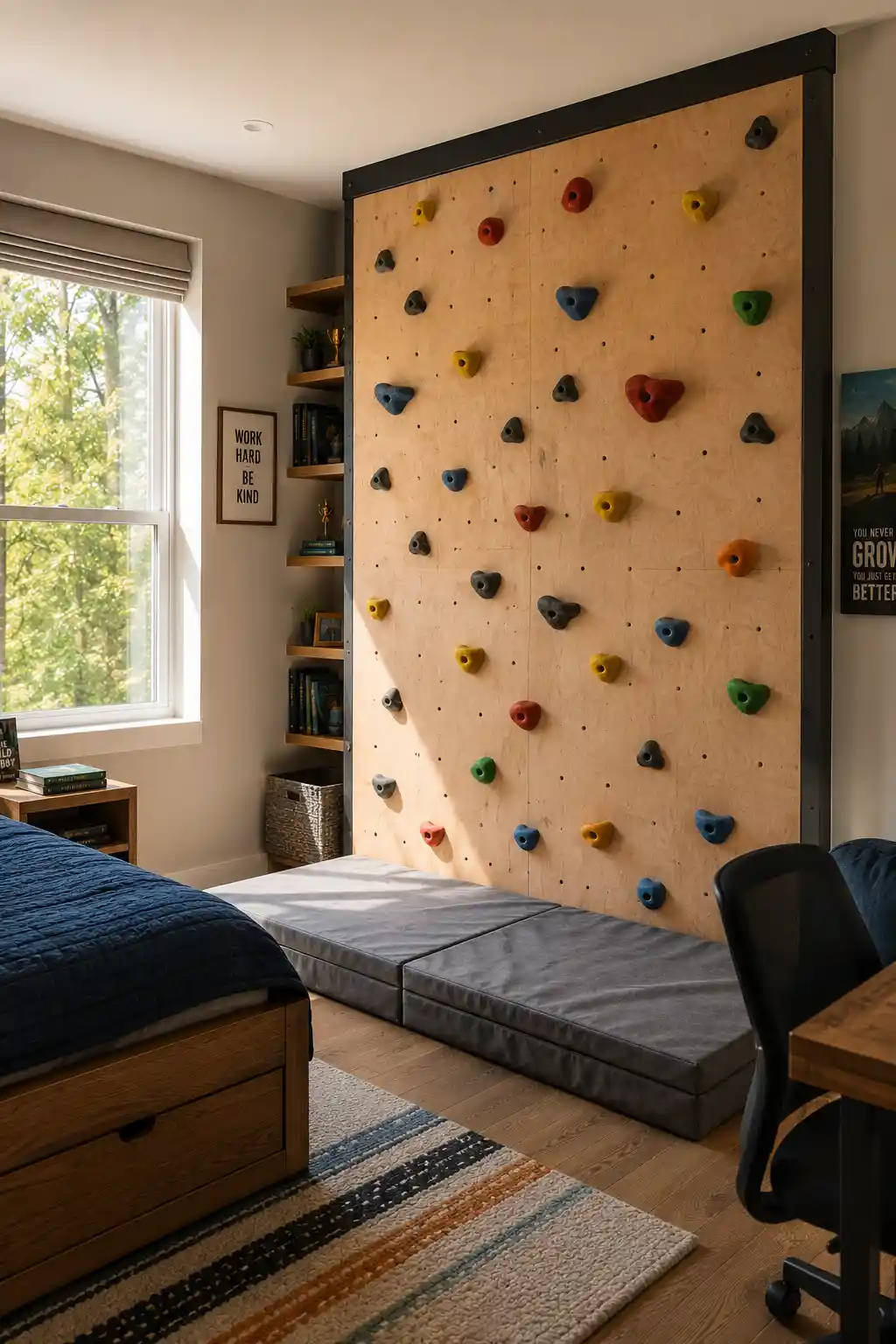
For children with high physical energy, integrating an active play zone into the bedroom can be a great way to channel that movement. A small, professionally installed climbing wall with safety holds and a thick crash mat provides a physical challenge and a sense of adventure. This feature turns a dormant wall into a functional gym, encouraging physical fitness and coordination. When designed with a clean, modern aesthetic, it becomes a unique architectural feature of the room rather than just a toy.