
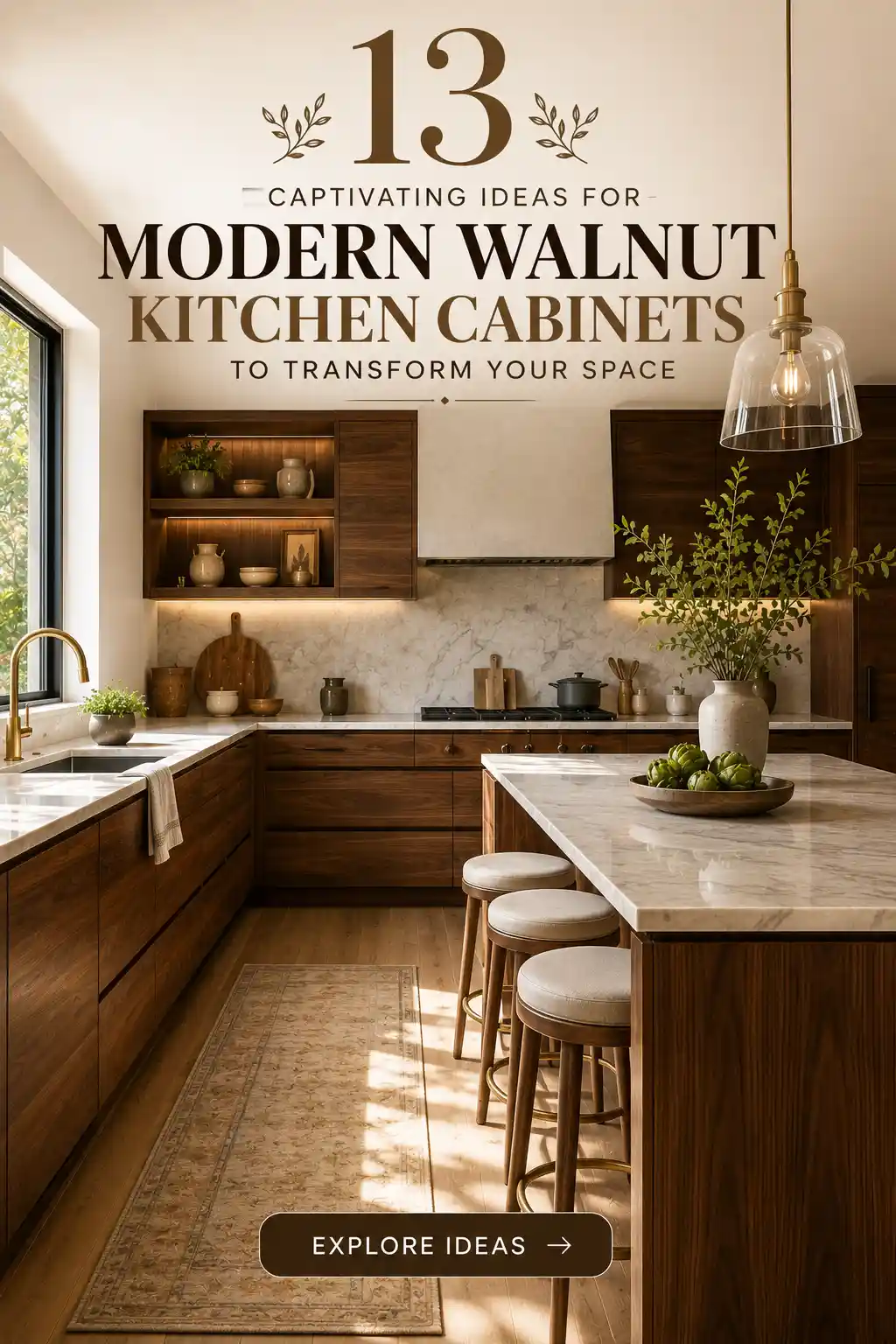
Bringing the rich, organic warmth of walnut into your kitchen is one of the most effective ways to instantly elevate your home’s interior. Known for its deep tones and intricate grain patterns, walnut offers a sophisticated balance between timeless luxury and contemporary minimalism. Whether you are planning a full-scale renovation or a targeted refresh, incorporating this premium hardwood can transform a utilitarian cooking space into a breathtaking architectural focal point that feels both cozy and high-end.
The Minimalist Appeal of Flat-Panel Walnut Slab Cabinets
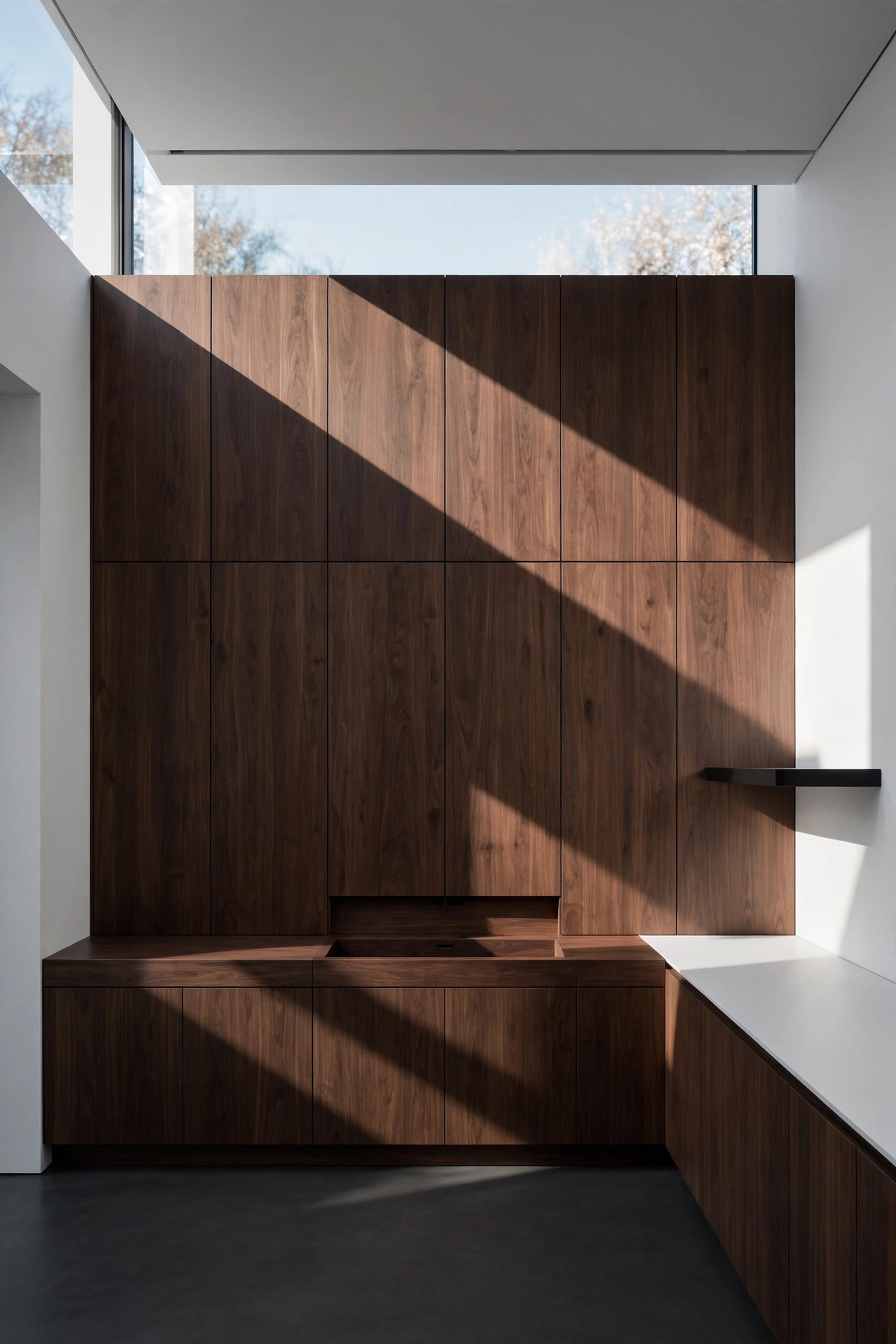
For those who lean toward a sleek, architectural look, flat-panel walnut slab cabinets are an unmatched choice. By removing the traditional frames and recessed panels, the natural beauty of the wood grain becomes the primary design element. This approach creates a seamless flow throughout the kitchen, making the space feel larger and more organized. To maintain the modern aesthetic, consider handle-less designs or integrated finger pulls that keep the surfaces uninterrupted. This style works exceptionally well in open-concept homes where the kitchen serves as a visual extension of the living area.
Modernized Walnut Shaker Cabinets for Timeless Charm
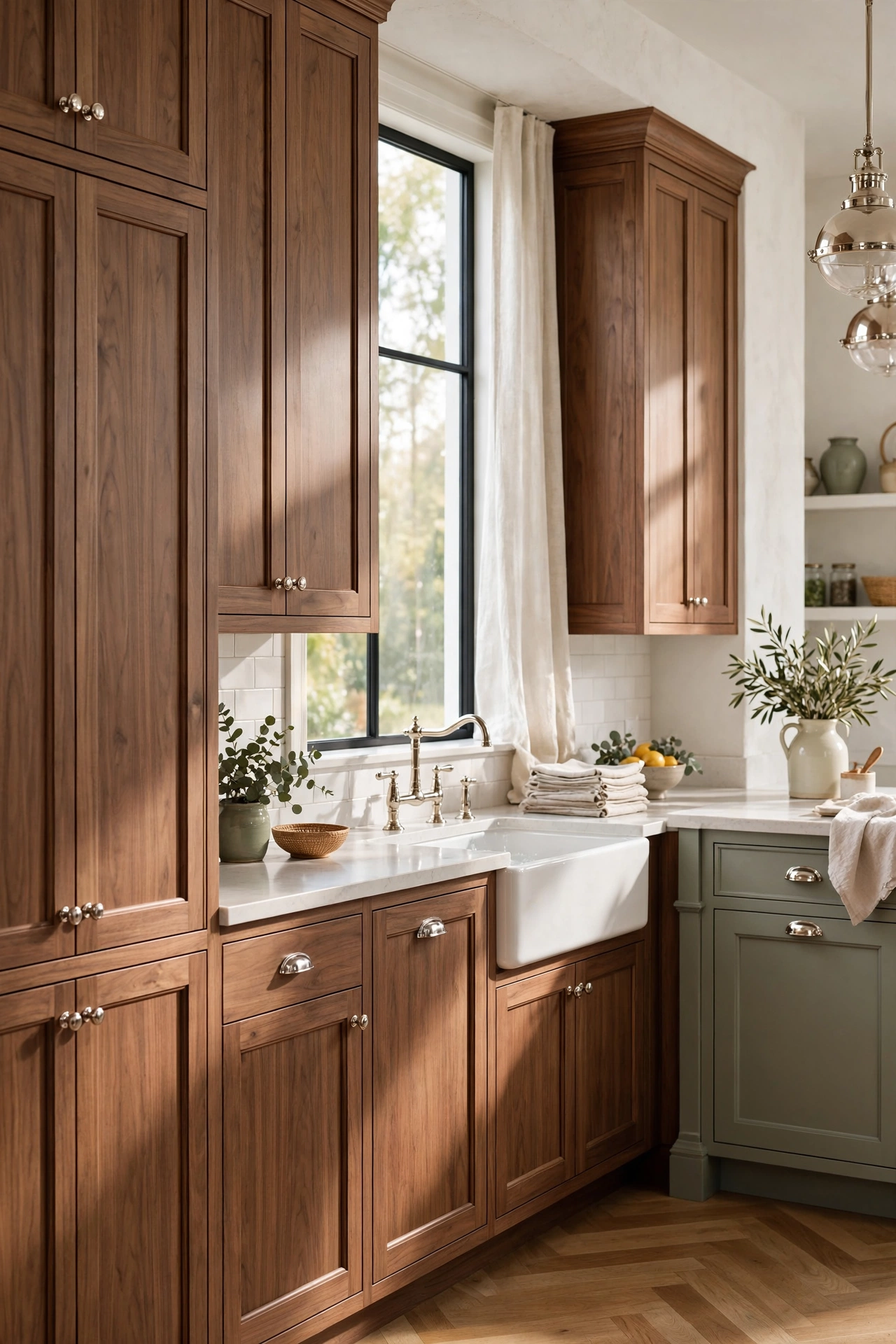
Shaker cabinets are a staple in home design, but when executed in rich walnut, they take on a new level of sophistication. The recessed center panel provides a subtle shadow line that adds depth without feeling cluttered. To keep this look modern rather than rustic, opt for slimmer frames and a satin finish that highlights the wood’s organic patterns. Pairing walnut shaker cabinets with light-colored walls or a neutral backsplash prevents the wood from overwhelming the room, ensuring a balanced environment that feels both traditional and fresh.
Striking Contrast: Walnut Wood and Crisp White Elements
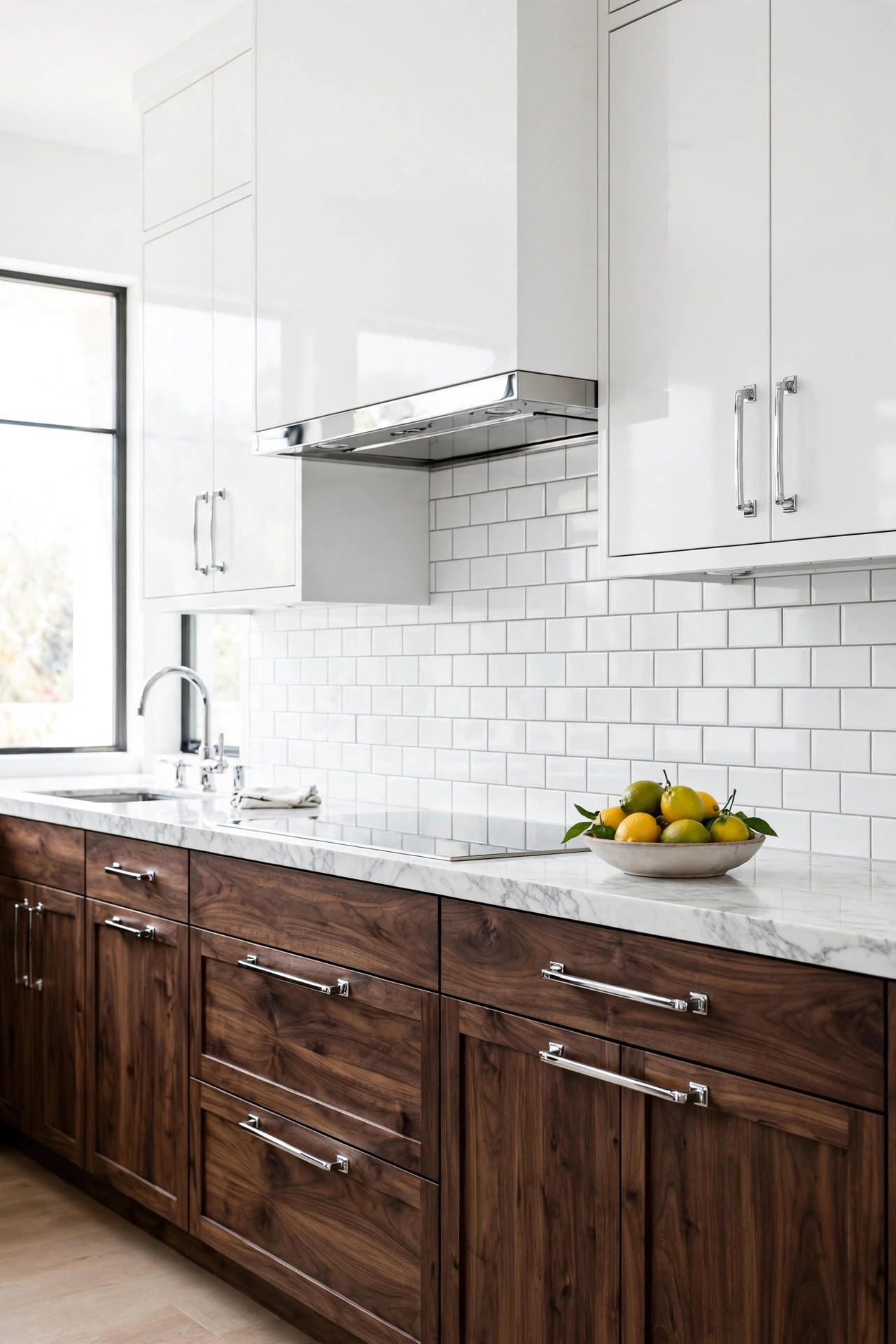
One of the most effective ways to utilize walnut is by pairing it with a high-contrast white palette. By using walnut for the lower cabinetry and a crisp white for the upper cabinets or walls, you can ground the space while maintaining an airy, open feel. This duality prevents the rich brown tones of the walnut from making the kitchen feel too dark or enclosed. This combination is particularly ideal for kitchens with limited natural light, as the white elements reflect brightness while the wood adds the necessary warmth.
Moody Sophistication with Dark Walnut and Matte Black
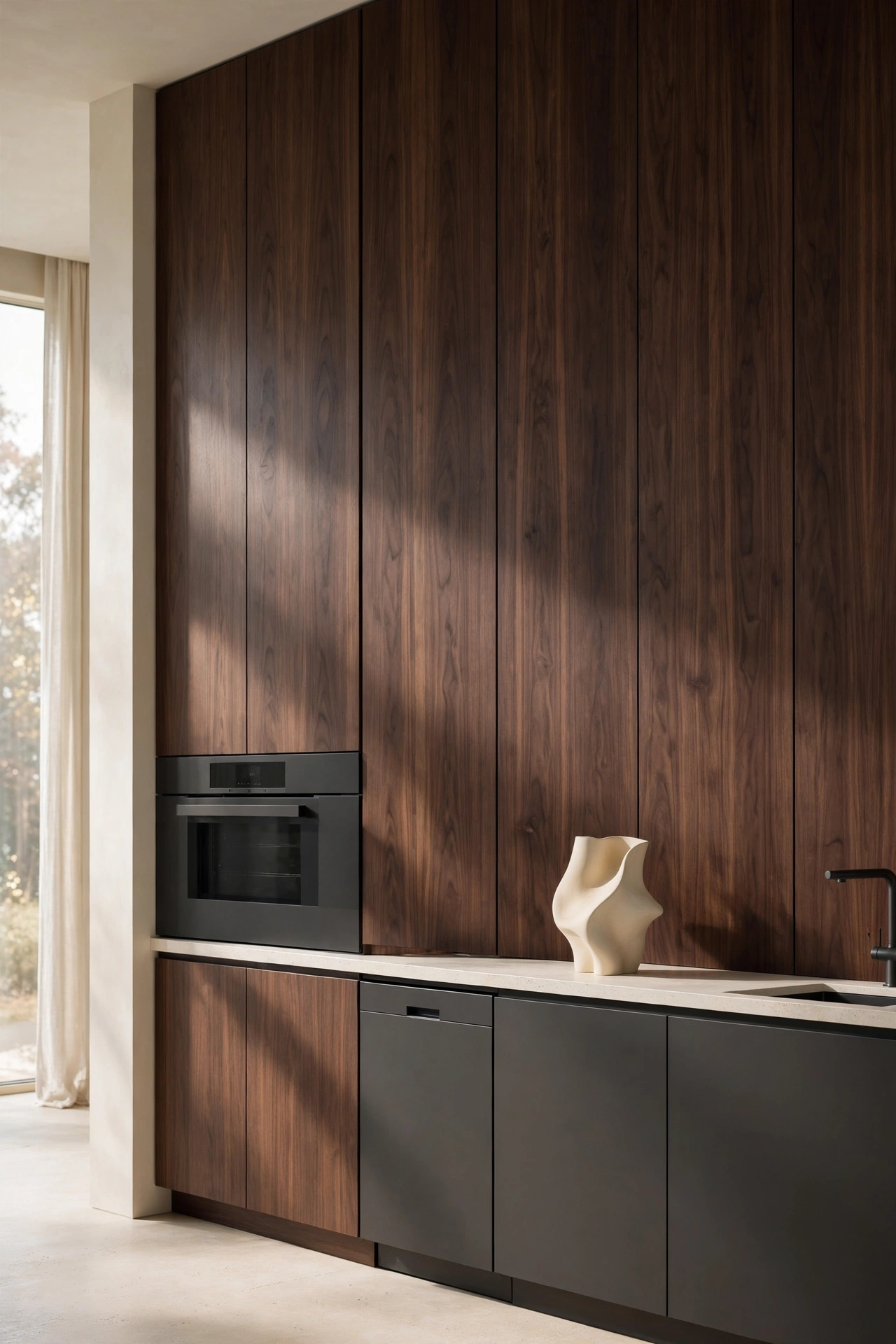
If you want to create a space that exudes confidence and luxury, lean into a moody color palette. Dark-stained walnut cabinets paired with matte black accents create a sophisticated, almost masculine energy. The key to making this look work is layering different textures—such as combining the organic grain of the wood with the cold, smooth surface of black granite or slate. To keep the space from feeling like a cave, incorporate strategic lighting, such as recessed ceiling spots or glowing under-cabinet LEDs, to highlight the richness of the wood.
The Japandi Fusion: Walnut Meets Scandinavian Simplicity
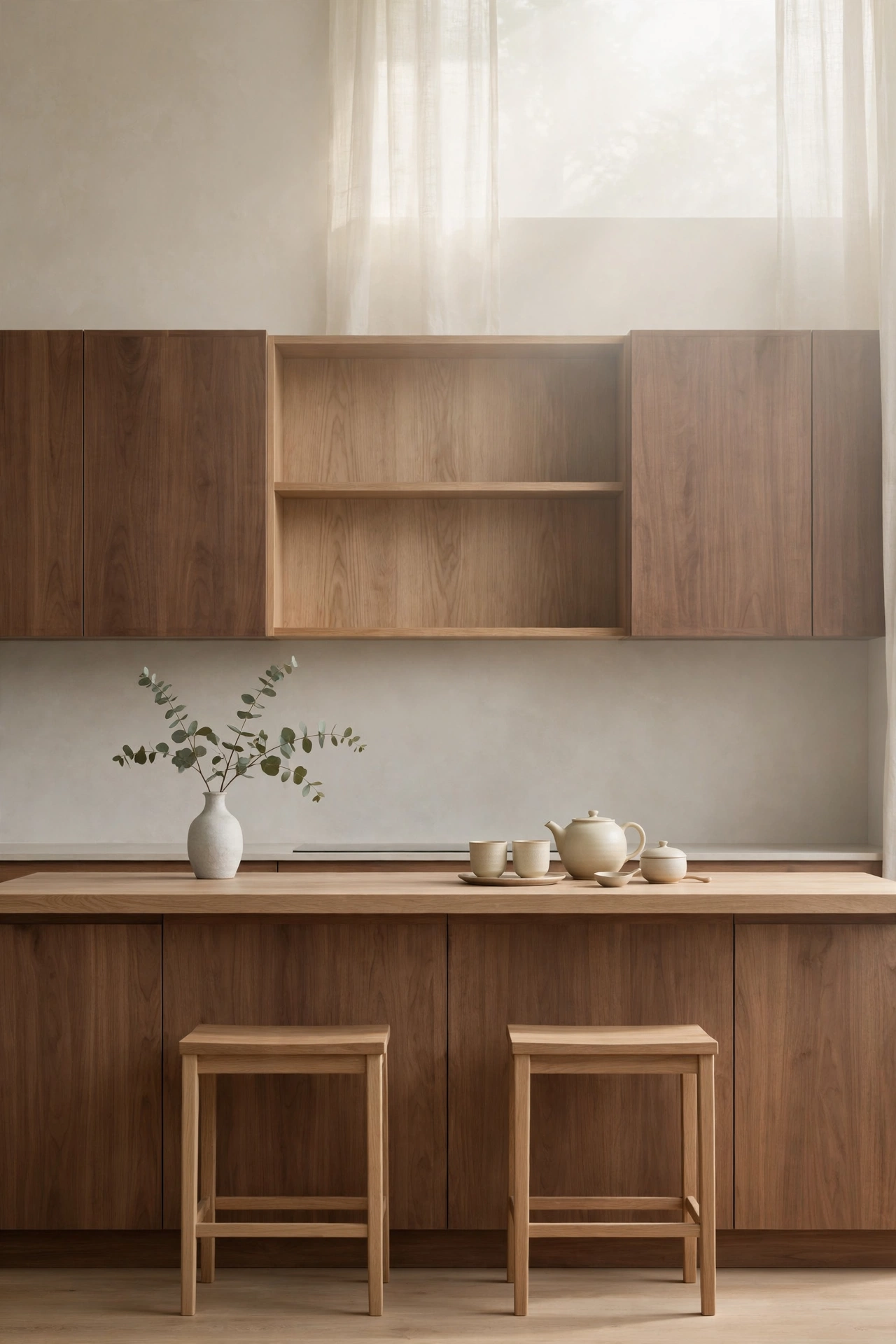
Japandi design blends the rustic warmth of Scandinavian style with the refined minimalism of Japanese aesthetics. In the kitchen, this translates to a mix of walnut and lighter woods like ash or oak. The contrast between the deep walnut and the pale neutrals creates a serene environment that feels balanced and intentional. Focus on clean lines, clutter-free countertops, and the use of natural materials. This approach emphasizes quality over quantity, making the walnut cabinetry feel like a piece of functional art within a peaceful sanctuary.
Timeless Luxury: Walnut Cabinets and White Marble
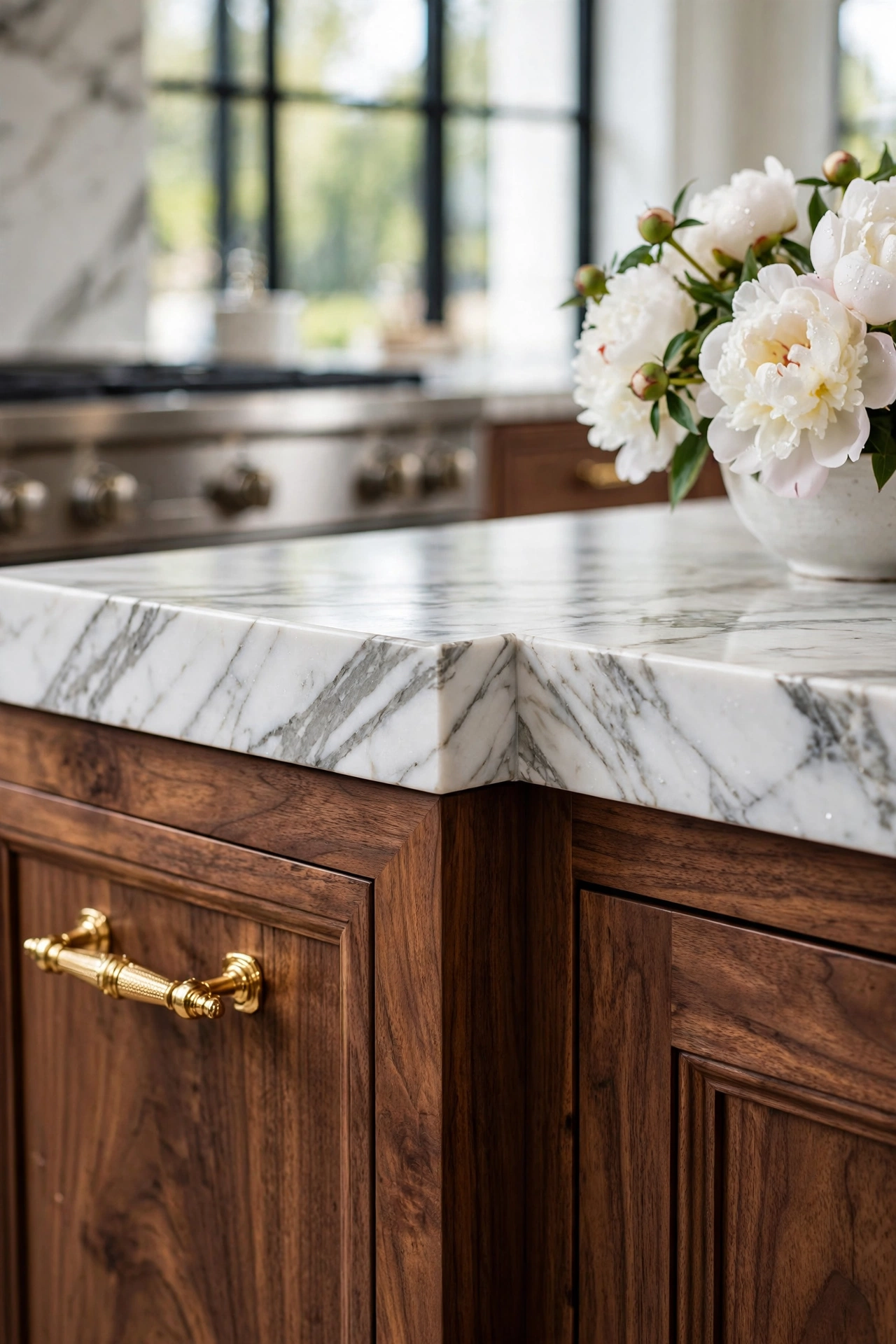
There is perhaps no pairing more iconic in high-end design than walnut and white marble. The organic, earthy nature of the wood perfectly complements the cool, polished elegance of the stone. The grey veining found in marble often mirrors the linear patterns of the walnut grain, creating a visual harmony that feels effortless. This combination is perfect for those who want a kitchen that feels expensive and permanent, avoiding fleeting trends in favor of a look that will remain stylish for decades to come.
Adding Radiance with Walnut and Brushed Brass Accents
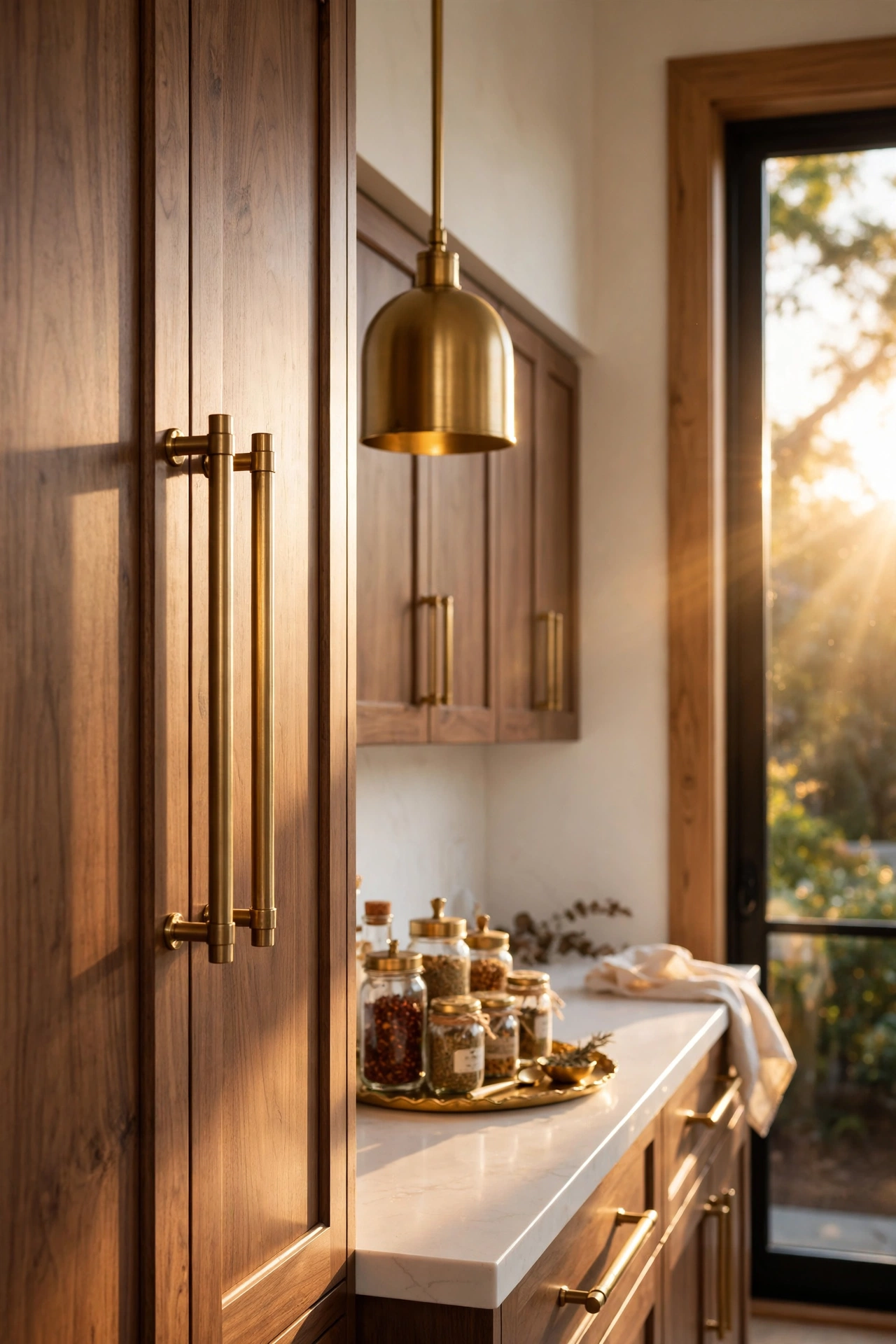
To add a touch of glamour to your walnut cabinetry, look no further than brushed brass hardware. The warm, golden tones of the brass pull out the hidden amber highlights within the walnut wood, creating a glow that feels inviting and upscale. Whether you choose slim T-bars, round knobs, or integrated pulls, brass adds a jewelry-like finish to the kitchen. To avoid overdoing it, keep other metallic elements minimal, allowing the interplay between the gold and the brown to be the star of the show.
Sleek Frameless Walnut for a Seamless Architectural Look
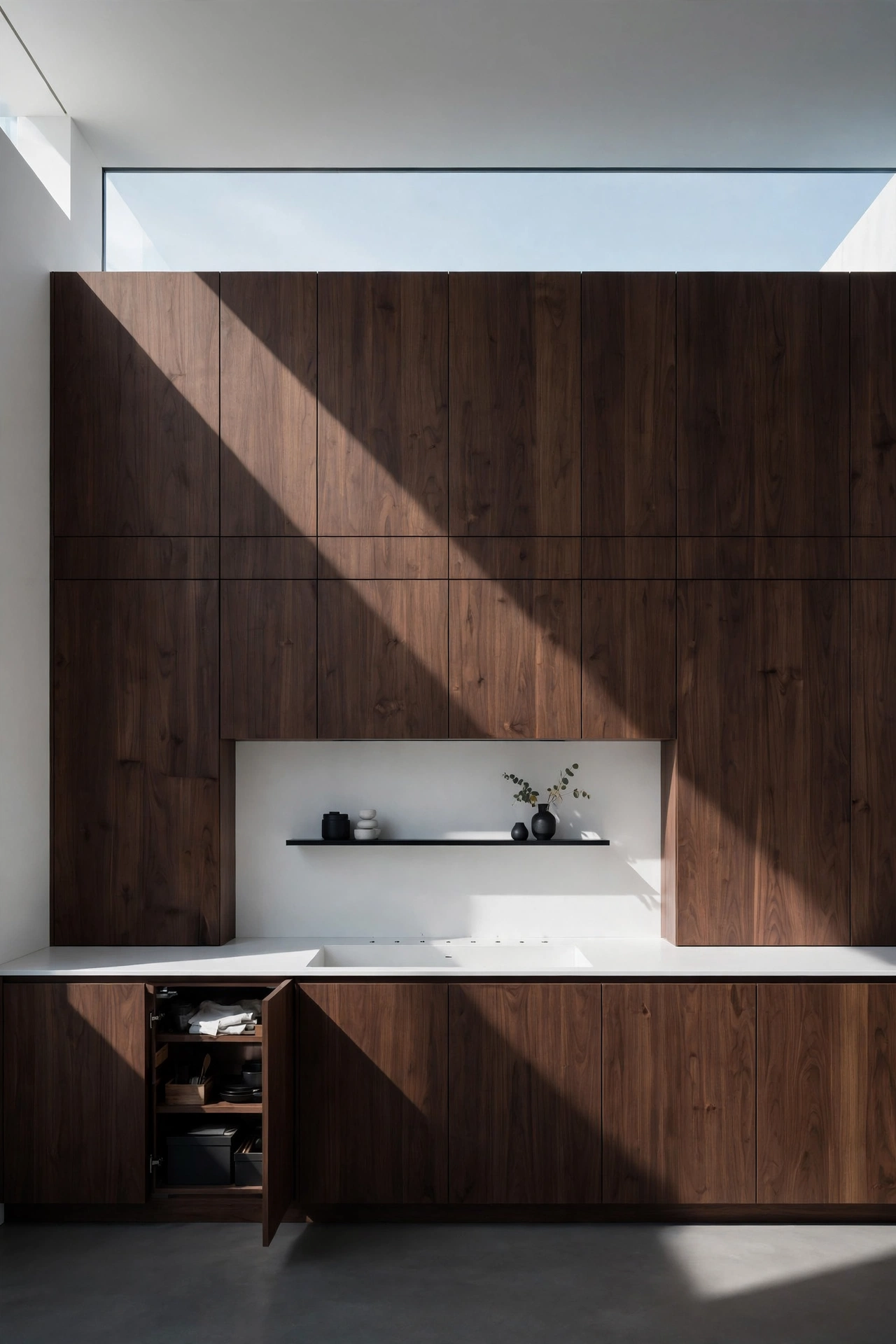
Frameless cabinetry, often referred to as European-style, is the gold standard for modern kitchen design. By eliminating the face frame, you gain more storage space and achieve a flush, wall-to-wall look that feels incredibly streamlined. When executed in walnut, this style emphasizes the continuity of the wood grain across multiple doors, creating a stunning visual rhythm. This is an ideal choice for urban apartments or contemporary homes where the goal is to minimize visual noise and maximize geometric precision.
Organic Warmth: Pairing Walnut with Quartz Surfaces
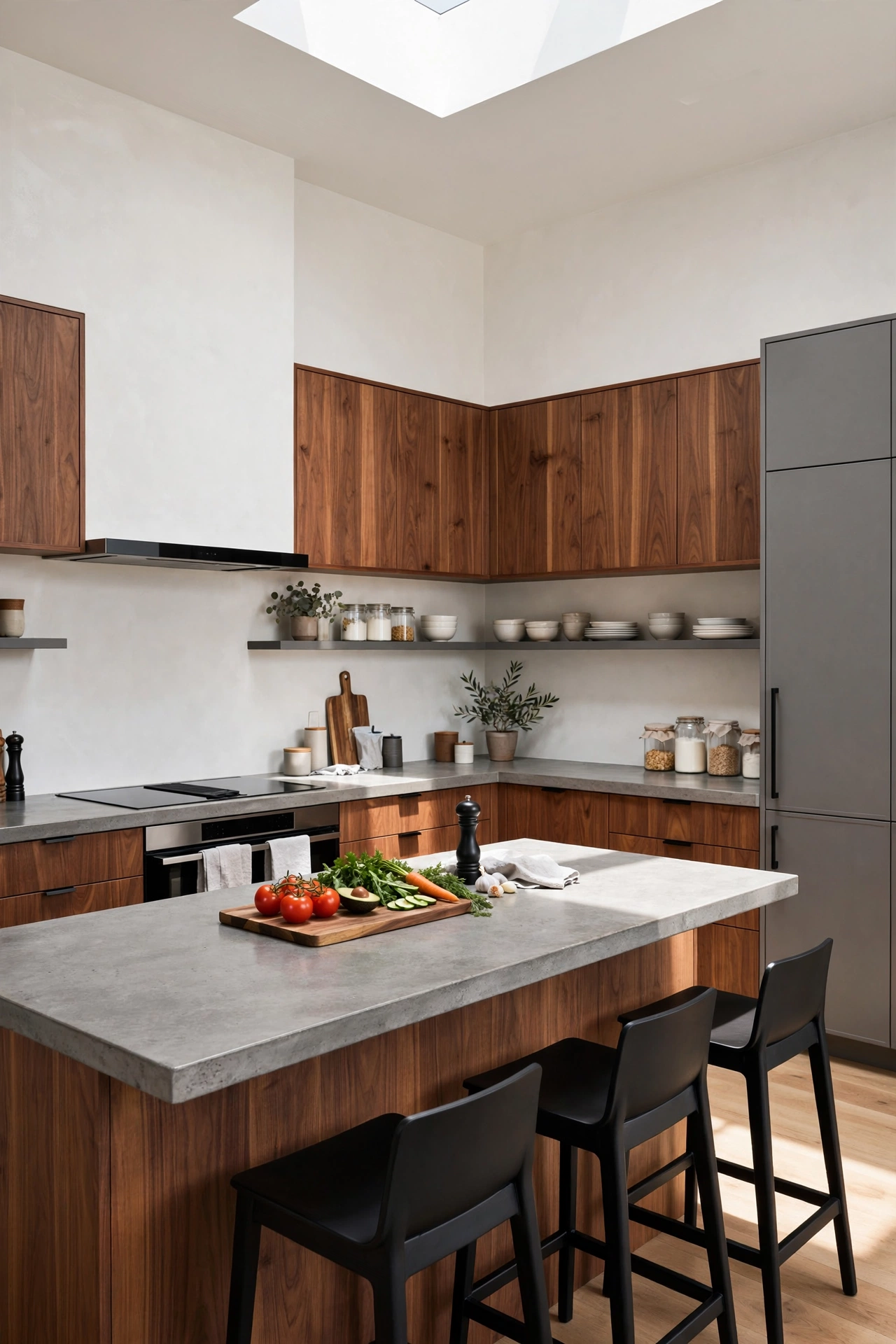
While marble is a classic, quartz offers a more durable and versatile alternative for pairing with walnut. A concrete-grey or soft-white quartz countertop provides a neutral base that allows the rich texture of the walnut to stand out. Quartz is non-porous and resists staining, making it a practical choice for busy kitchens without sacrificing the high-end aesthetic. The juxtaposition of the cold, engineered stone against the warm, natural wood creates a tactile contrast that makes the kitchen feel grounded and lived-in.
Mid-Century Modern Influence in Walnut Design
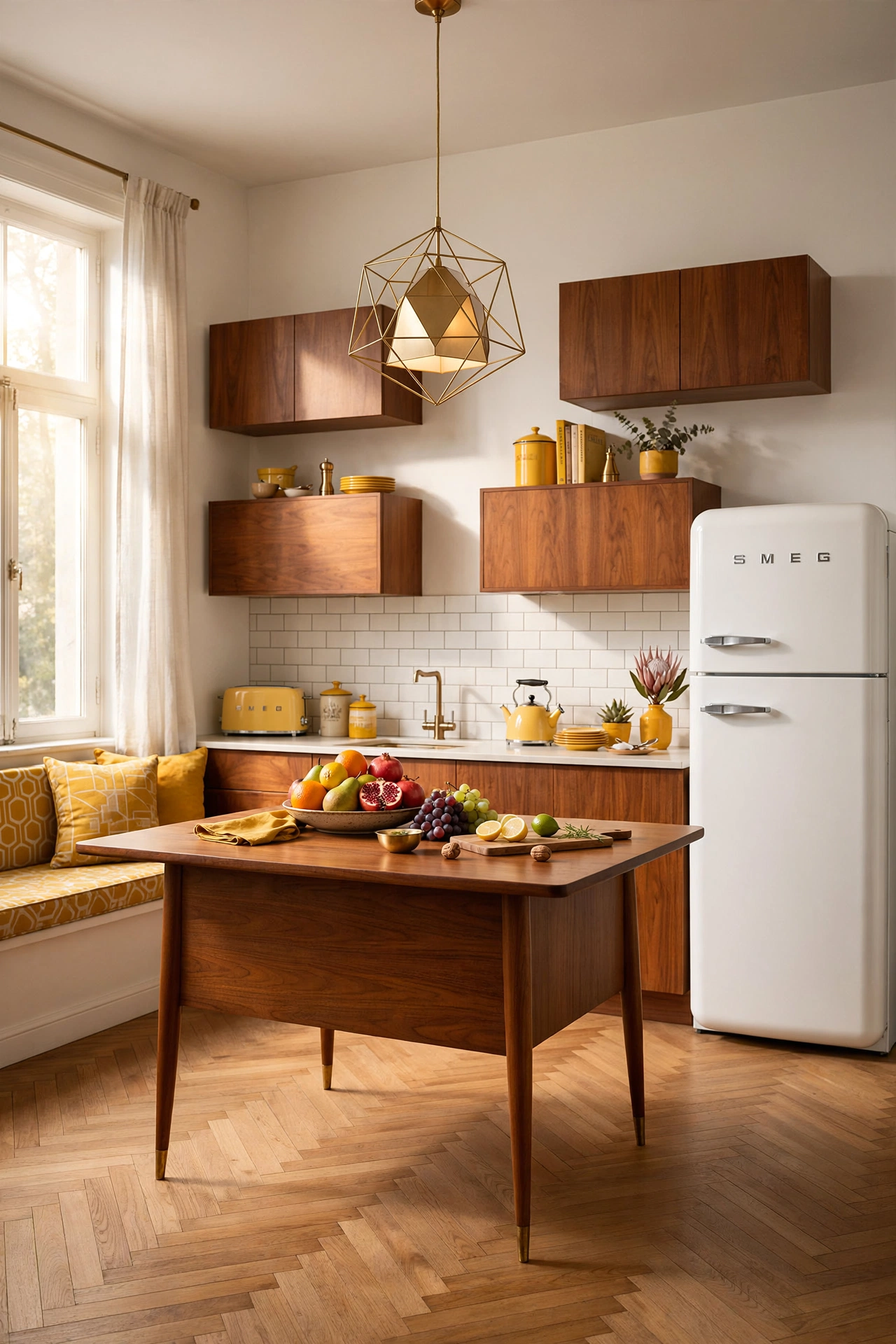
Mid-century modern design is synonymous with walnut. To achieve this look, focus on clean, horizontal lines and the inclusion of tapered legs on islands or freestanding cabinets. This style celebrates the honesty of the material, often using a clear coat to let the natural honey-brown tones shine. Incorporating a few pops of color—like a mustard yellow chair or a teal accessory—can enhance the retro vibe while keeping the space feeling contemporary. It is a perfect blend of 1950s optimism and modern luxury.
Contemporary Edge: Integrating Grey Tones with Walnut
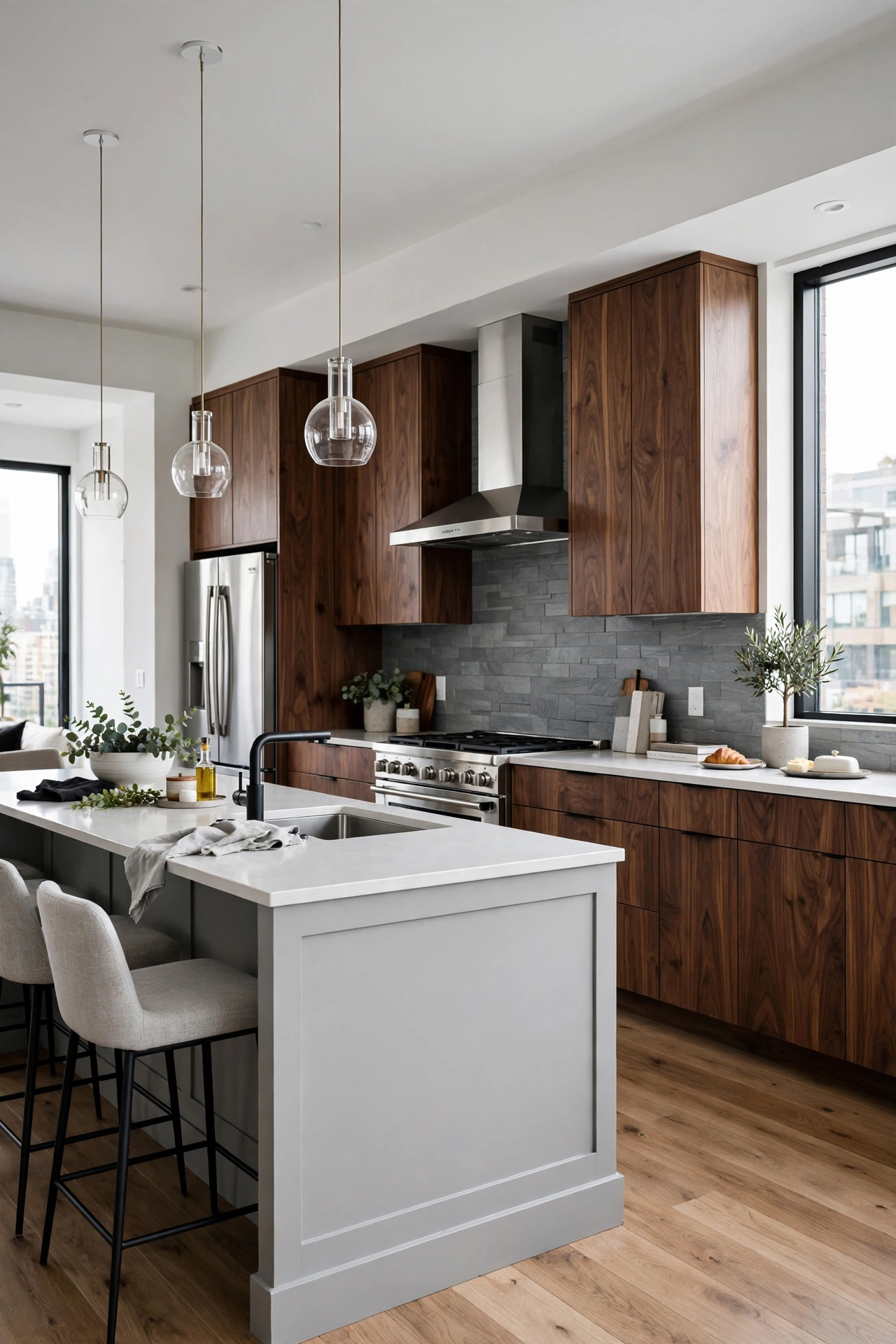
For a look that feels current and tailored, try integrating grey tones with your walnut cabinetry. Grey acts as a bridge between the warmth of the wood and the coolness of stainless steel appliances. Whether you choose a light dove grey for a kitchen island or a deep charcoal for the walls, grey adds a layer of neutrality that prevents the walnut from feeling too traditional. This combination creates a sophisticated, urban atmosphere that is both professional and welcoming, ideal for modern city living.
The Statement Piece: A Bold Walnut Kitchen Island
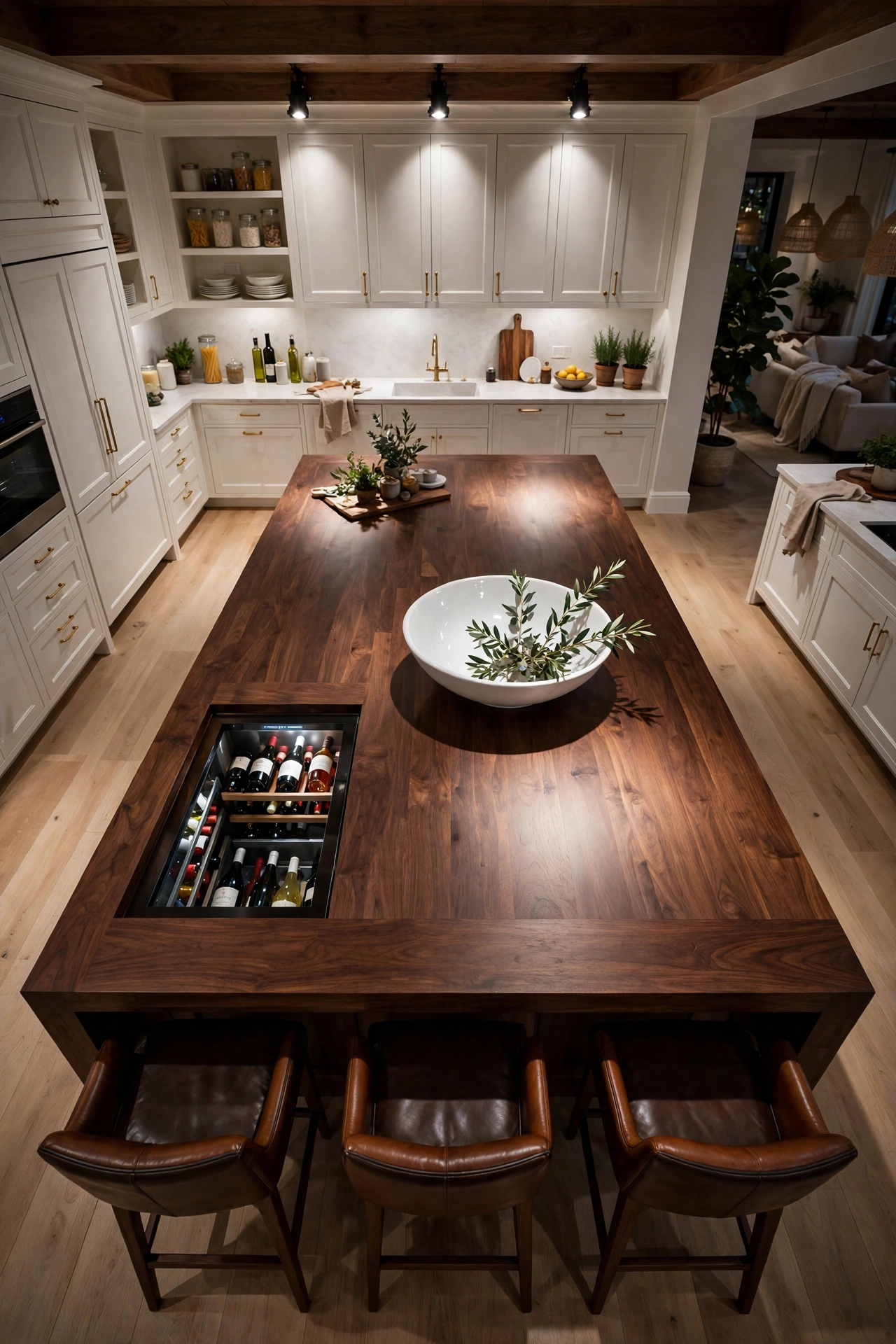
If you aren’t ready to commit to a full set of walnut cabinets, a walnut kitchen island can serve as a stunning standalone statement piece. By surrounding a rich wood island with white or light-grey perimeter cabinets, you create a visual anchor in the room. The island becomes the heart of the home, drawing the eye and providing a warm gathering spot for guests. This design choice allows you to enjoy the luxury of walnut while keeping the overall feel of the kitchen light and airy.
Airy Elegance: Light Walnut for Small Kitchen Spaces
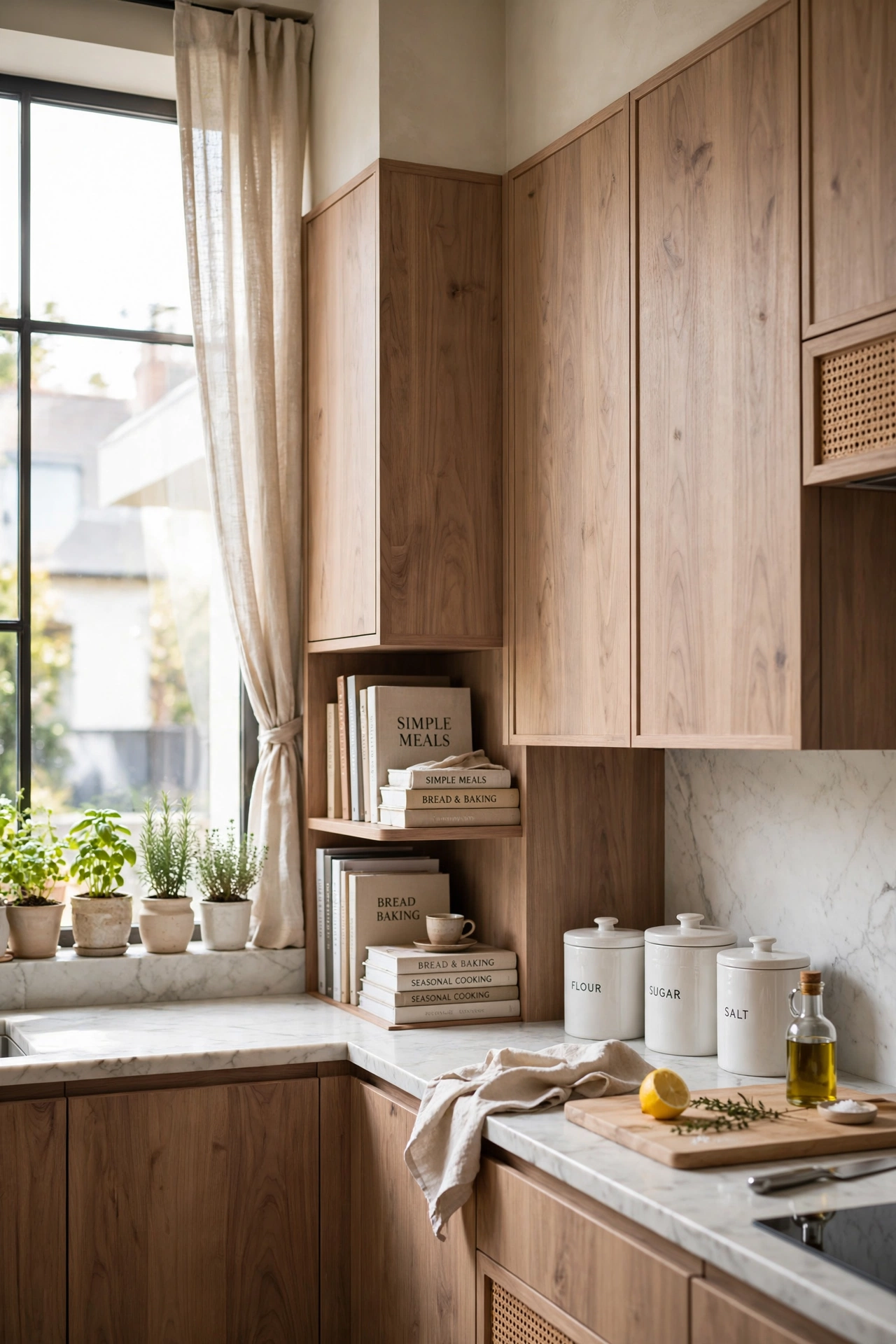
Many believe that dark wood is too heavy for small kitchens, but light-toned walnut is the perfect solution. By choosing a lighter stain or a naturally pale cut of walnut, you can introduce the prestige of the wood without shrinking the room visually. Combine this with white countertops and open shelving to keep the sightlines clear. The result is a compact kitchen that feels curated and expensive rather than cramped, proving that luxury isn’t about the amount of space, but the quality of the materials used.