
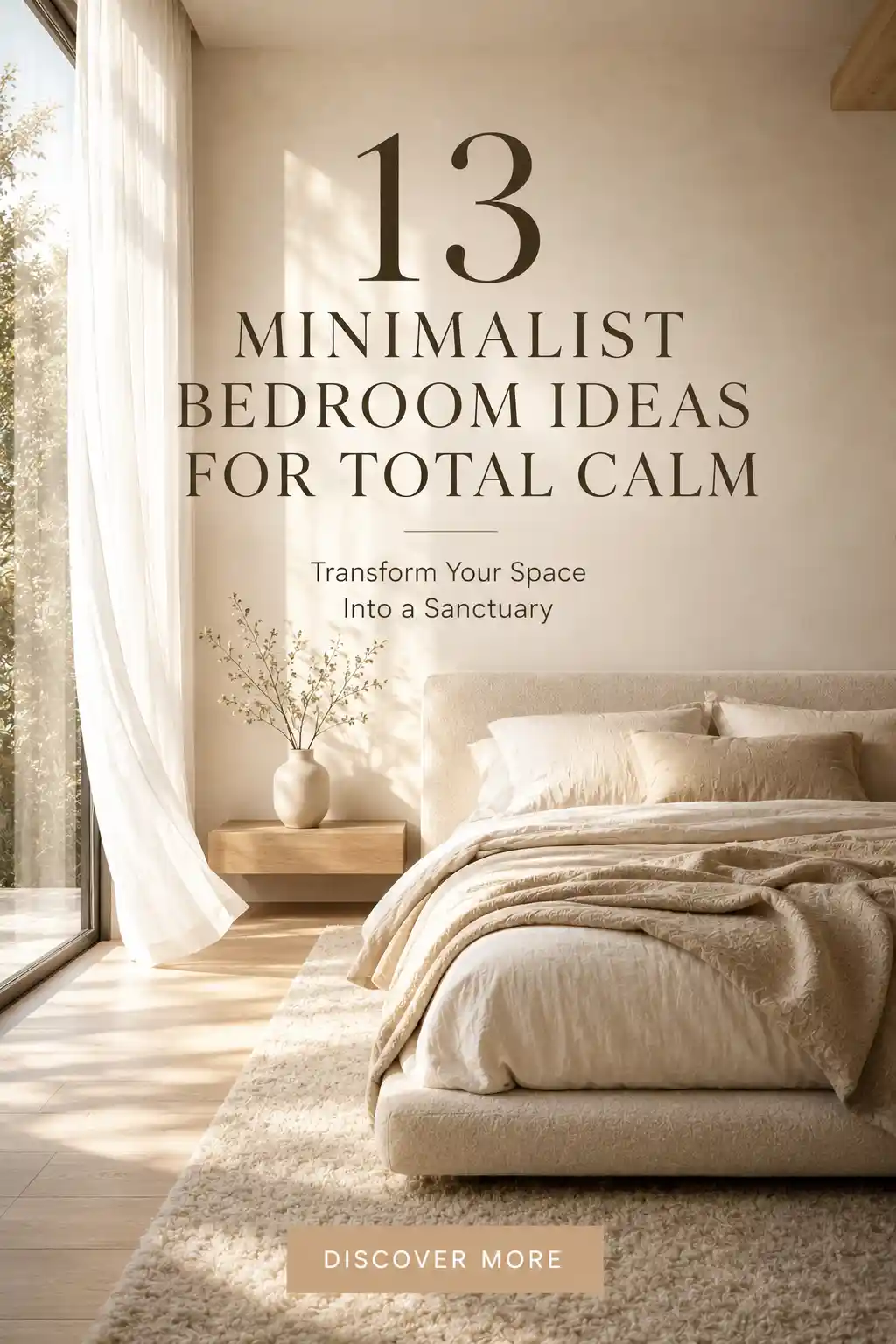
Is your bedroom a place of true restoration or just another room filled with the noise of daily life? Transforming your sleeping sanctuary into a minimalist retreat is about more than just removing furniture; it is about creating a visual silence that allows your mind to quiet down. By focusing on intentional choices, soothing palettes, and a commitment to decluttering, you can turn your bedroom into a peaceful haven. In this guide, we explore 13 distinct minimalist directions to help you reclaim your space and your peace of mind.
The Ethereal All-White Sanctuary
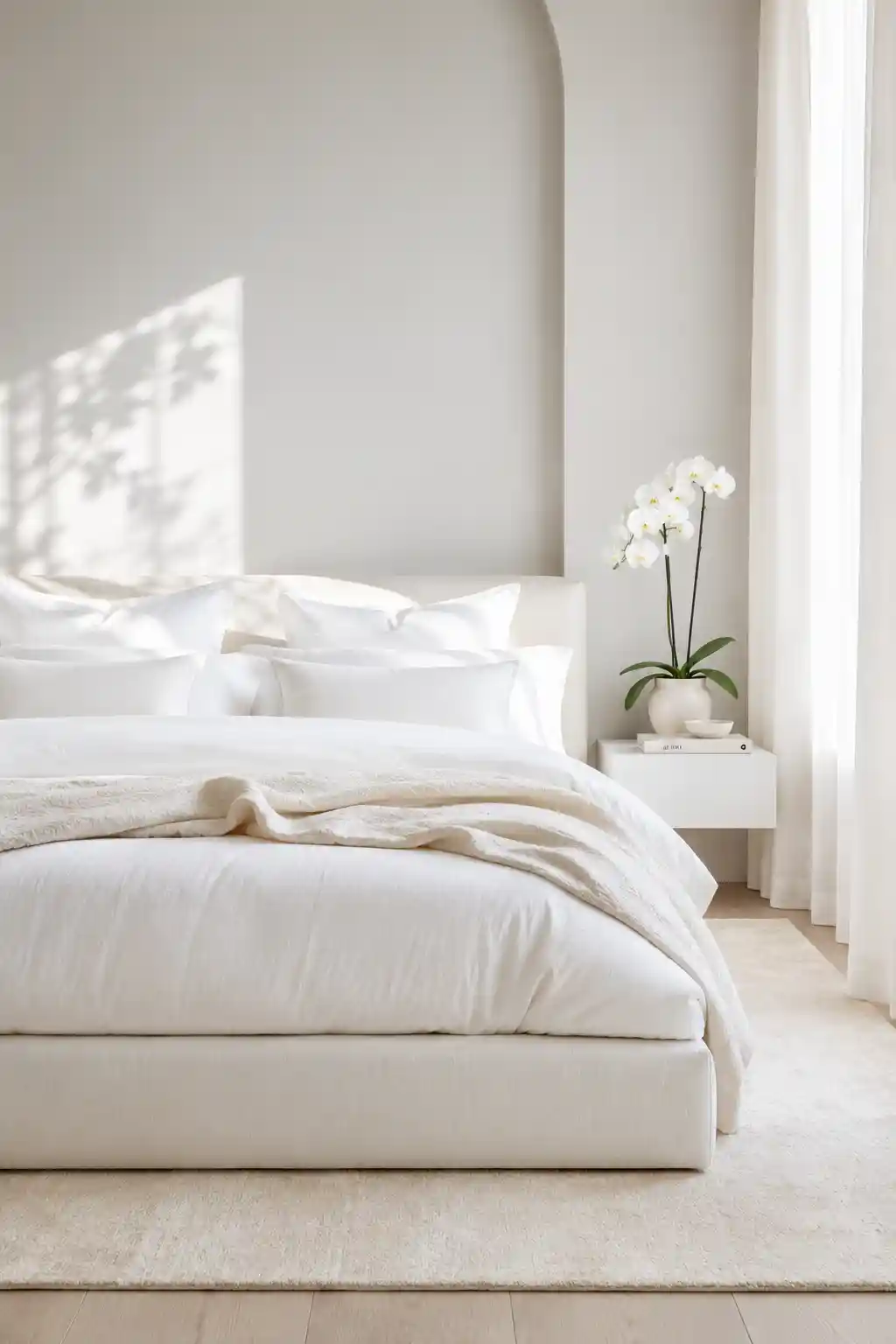
Creating an all-white bedroom is about mastering the art of texture rather than color. When you strip away the hues, the tactile elements of your home decor take center stage. To prevent the room from feeling like a clinical space, layer different fabrics such as a chunky knit wool throw over crisp percale sheets and a linen duvet cover. Incorporating various shades of white—from stark snow to warm cream—adds a subtle depth that makes the room feel inviting and cozy. This approach clears the visual clutter, allowing your mind to reset the moment you enter the room.
High-Contrast Monochrome Elegance
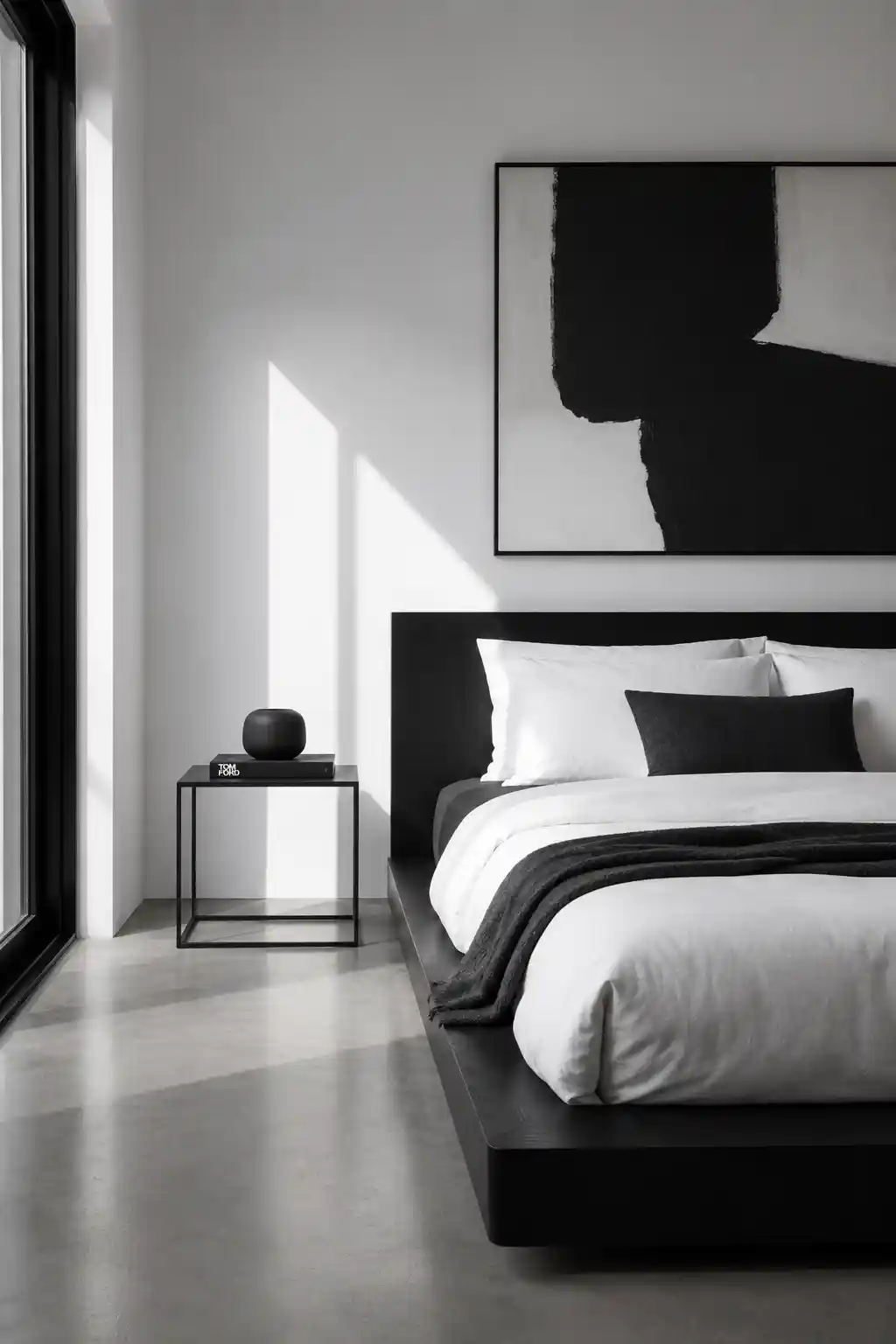
For those who prefer a more structured and sophisticated vibe, a monochrome palette offers a timeless appeal. The secret to a successful black-and-white minimalist bedroom is maintaining a strict balance so that neither color overwhelms the other. Use a bold black bed frame as the anchor and surround it with expansive white walls to maintain a sense of openness. Instead of adding multiple small accessories, choose one oversized piece of art to create a singular focal point. This discipline in design eliminates distractions, fostering a sense of order and mental clarity that is perfect for a restful night.
The Organic Zen Retreat
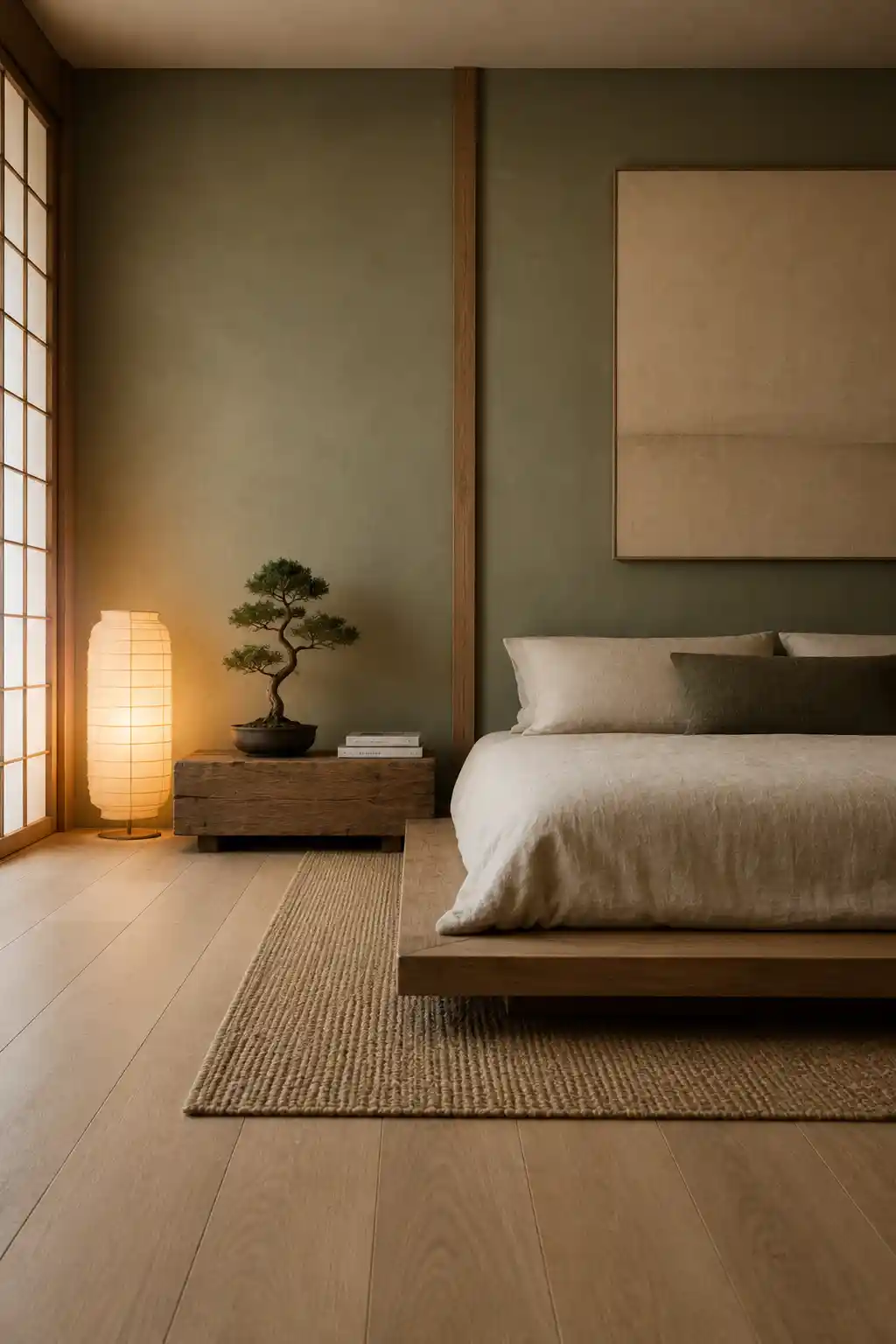
A Zen-inspired bedroom brings the calming influence of nature indoors, blending minimalism with organic warmth. Focus on low-profile furniture to keep the center of gravity close to the earth, which instinctively promotes a feeling of stability and relaxation. Incorporate natural materials like bamboo, jute, and unfinished light woods to create a tactile connection to the outdoors. By keeping surfaces entirely clear and utilizing hidden storage, you remove the visual noise that often triggers stress. This design philosophy transforms your bedroom into a meditative sanctuary where the focus is entirely on mindfulness and rest.
Scandinavian Functional Simplicity
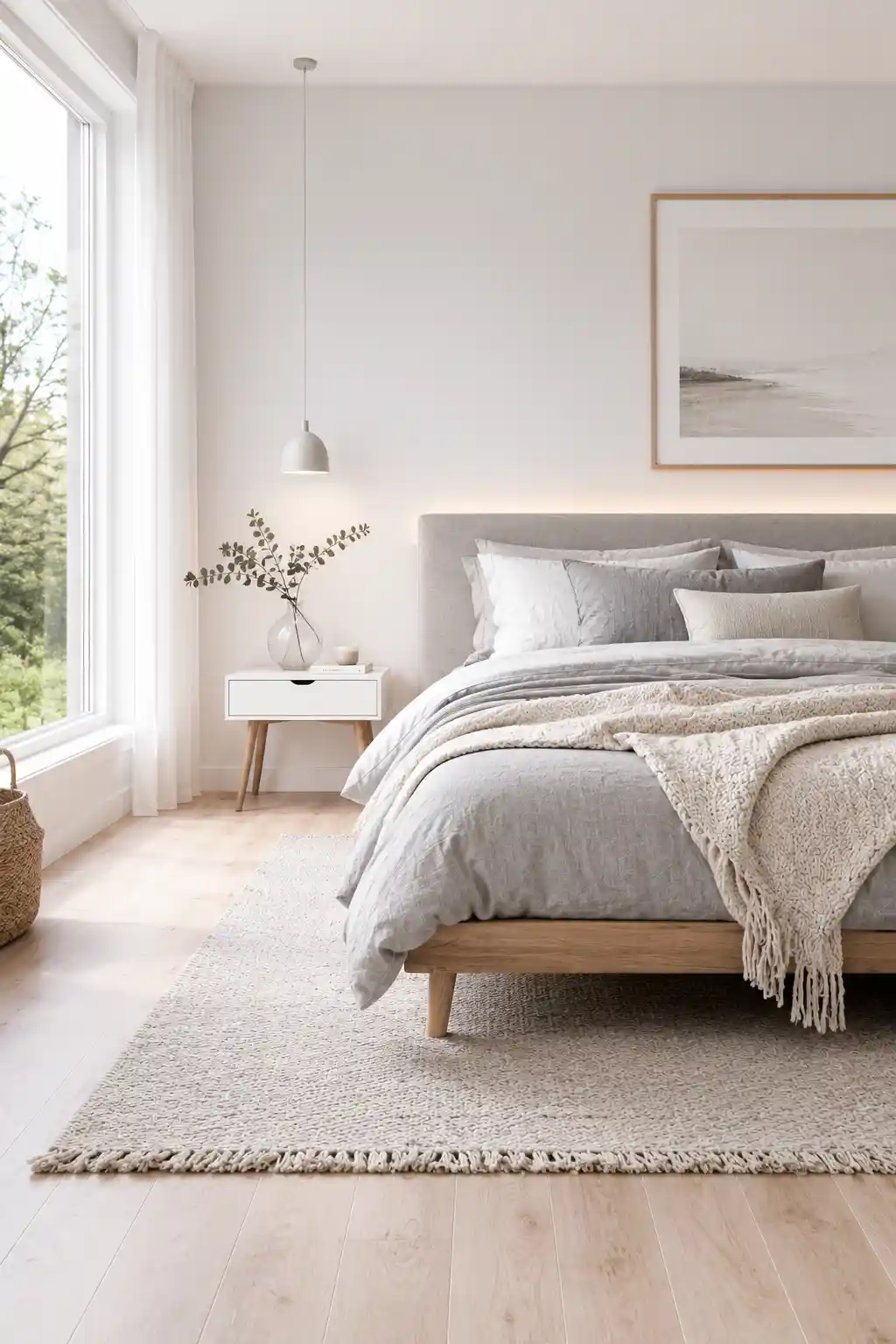
Scandinavian design is the gold standard for combining minimalism with comfort, often referred to as hygge. The goal is to maximize natural light and maintain a bright, airy feel throughout the space. Choose furniture with slim, tapered legs to create a floating effect, which makes the room feel larger and less congested. A neutral palette of soft greys and whites, accented by pale woods, keeps the energy light and positive. By prioritizing function over ornament, you ensure that every item in the room serves a purpose, leaving you with a clutter-free environment that supports a healthy sleep cycle.
Urban Industrial Minimalism
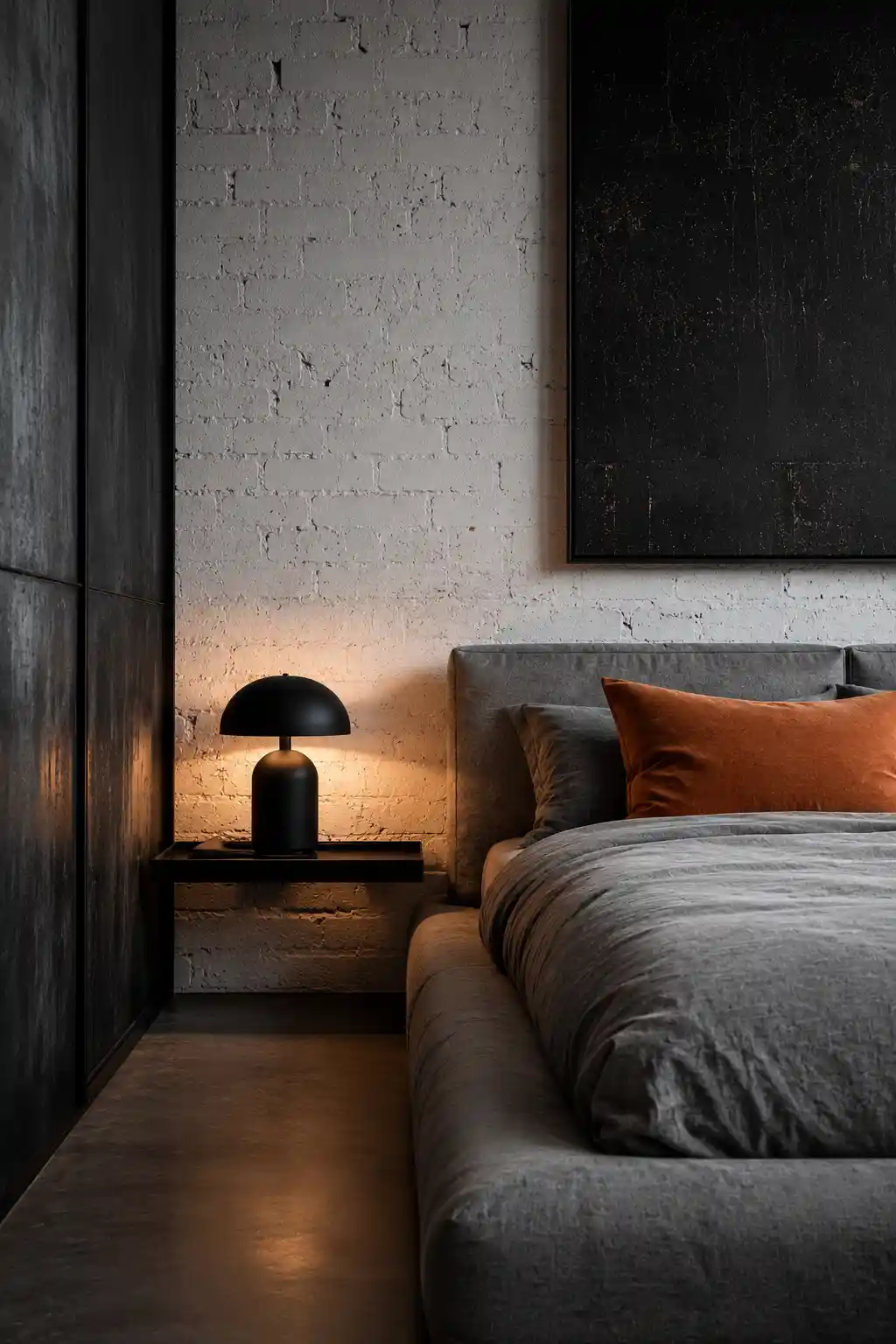
Urban minimalism is perfect for city dwellers who want a sophisticated escape from the chaotic energy of the streets. This style blends the raw elements of industrial design—such as steel and concrete—with the softness of minimalist luxury. To keep the space from feeling too cold, introduce a single warm accent color, like a muted terracotta or burnt orange, through a throw pillow or a small piece of art. Focus on sleek, linear furniture and avoid bulky headboards that eat up precious square footage. The result is a streamlined, high-end space that feels like a private gallery for relaxation.
The Sun-Drenched Airy Haven
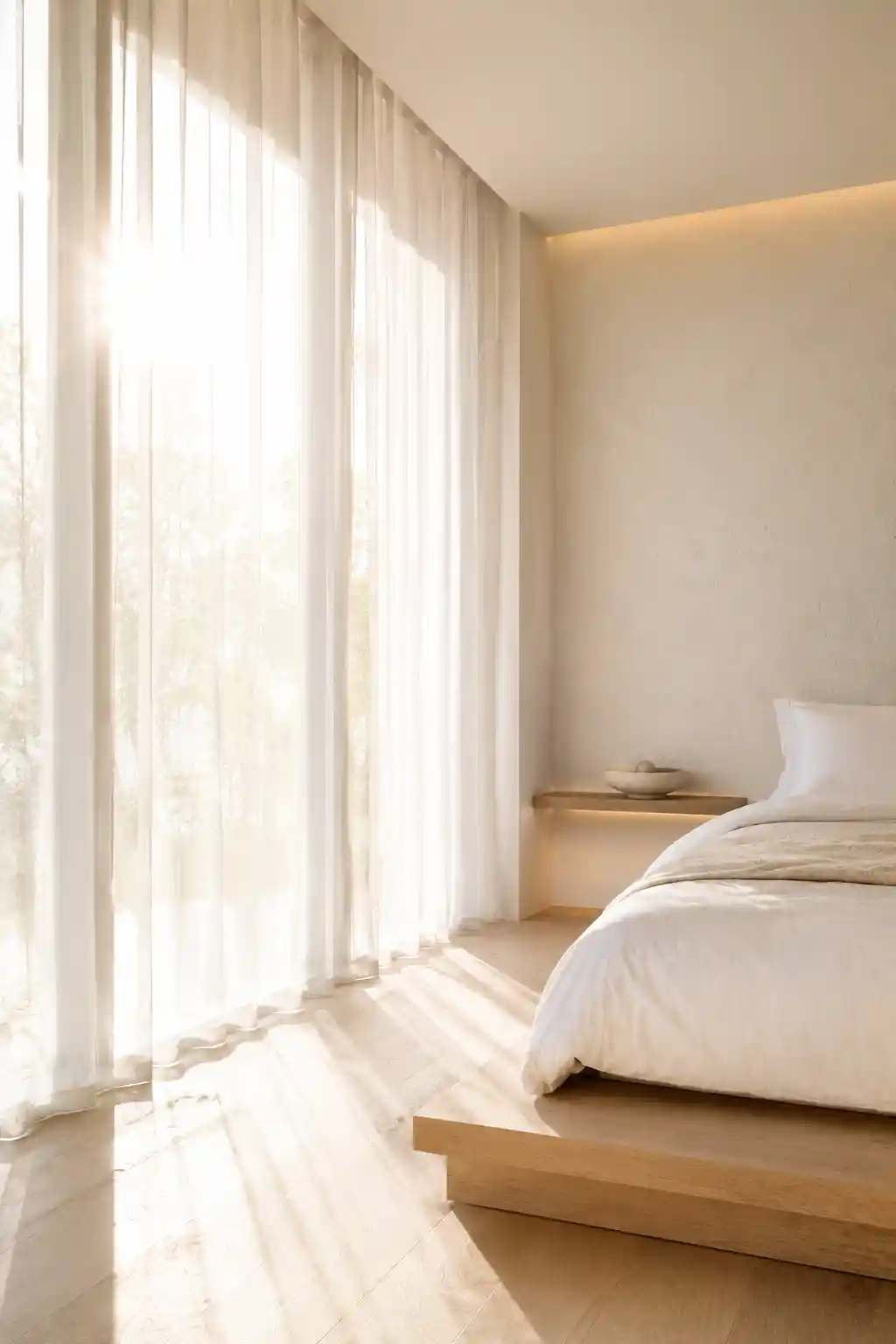
When natural light is your primary design element, the rest of your home decor should simply support that brilliance. A light-focused minimalist bedroom utilizes sheer fabrics and reflective surfaces to bounce sunlight into every corner, creating an uplifting and energizing atmosphere. Avoid heavy drapery or dark furniture that could absorb the light; instead, opt for bleached woods and white linens. By keeping the window area completely unobstructed, you create a seamless connection with the outside world, making the room feel expansive and breathable. This layout is ideal for those who want to wake up feeling refreshed and inspired.
Warm Greige Comfort
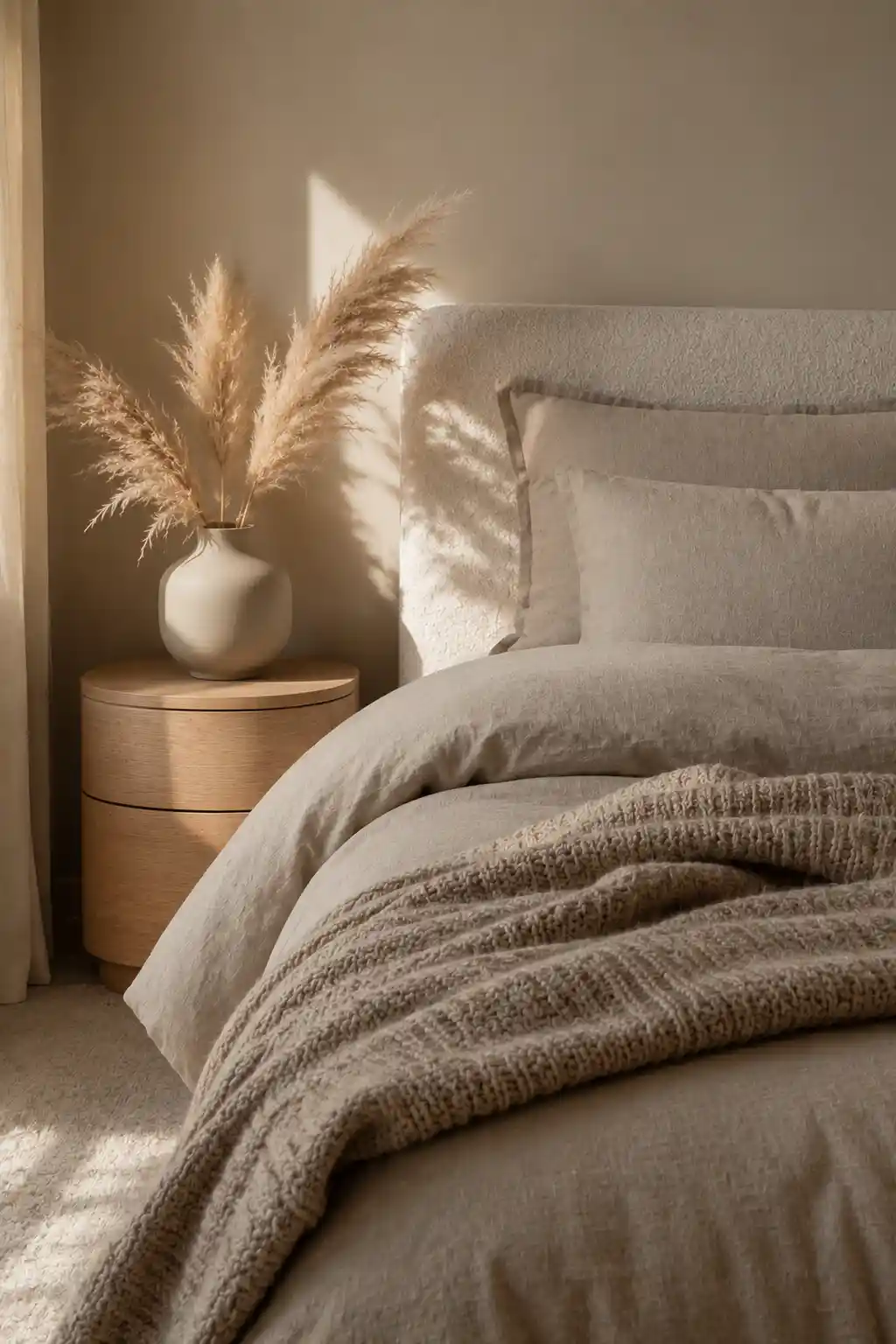
If pure white feels too stark, ‘greige’—a blend of grey and beige—is the perfect middle ground for a minimalist bedroom. This palette provides a warmth that feels like a hug, making the room feel cozy without sacrificing the clean lines of minimalist design. To add visual interest, layer different tones of the same neutral family, such as a sandy taupe rug paired with warm grey walls. Incorporate soft, touchable fabrics like boucle or chunky wool to add a sense of luxury. This approach proves that minimalism doesn’t have to be cold; it can be deeply comforting and restorative.
The Bare Essentials Concept
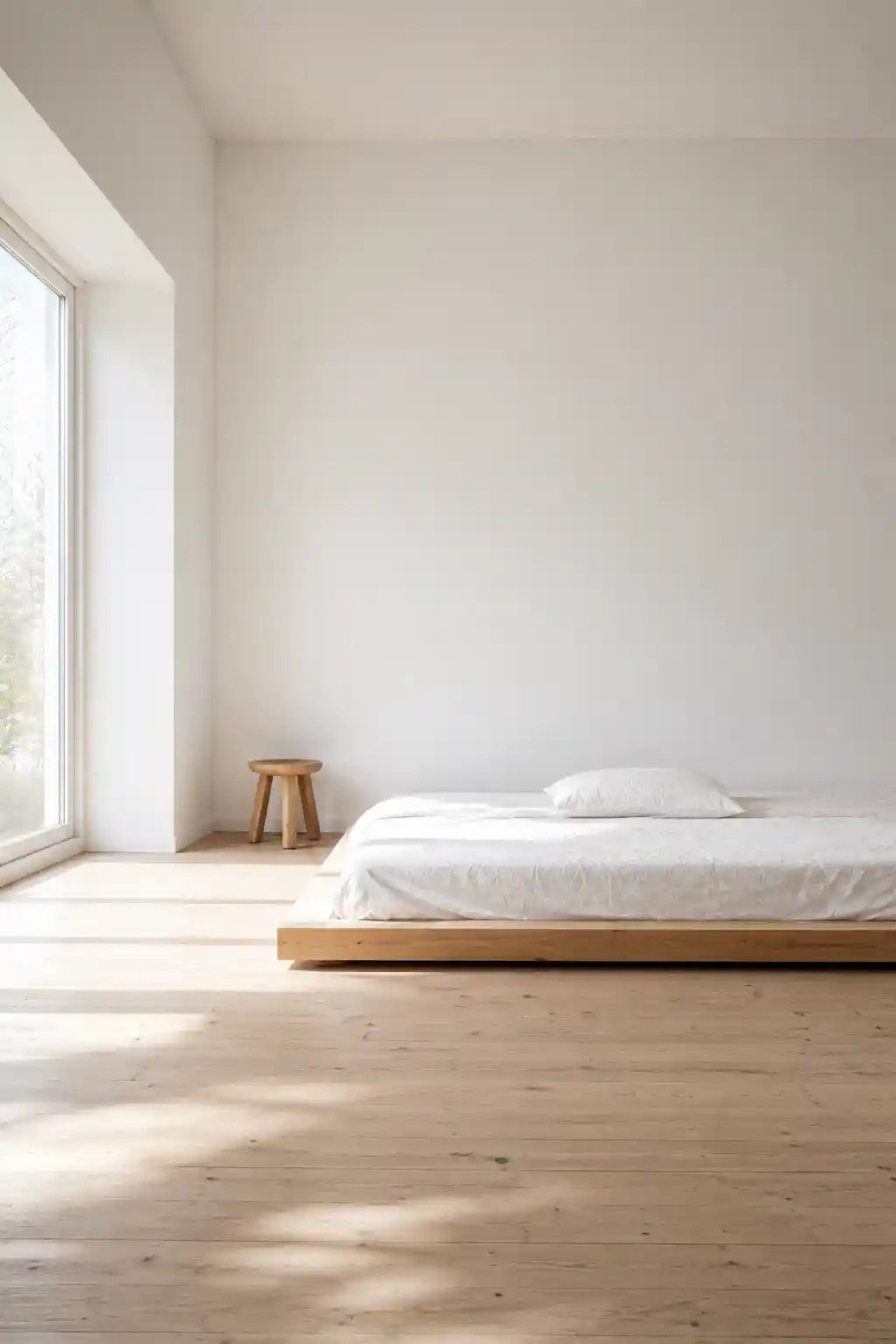
The bare essentials approach is a bold commitment to the philosophy that less is truly more. By stripping the room down to only the most necessary items—a bed, a light source, and a place for a glass of water—you remove every possible source of visual stress. This style is not about deprivation, but about liberation. When you stop managing a collection of objects, you free up mental energy for actual rest. Focus on the quality of the few pieces you do own, choosing a high-quality mattress and organic linens that make the simplicity feel like a luxury choice rather than a compromise.
Sustainable Eco-Minimalism
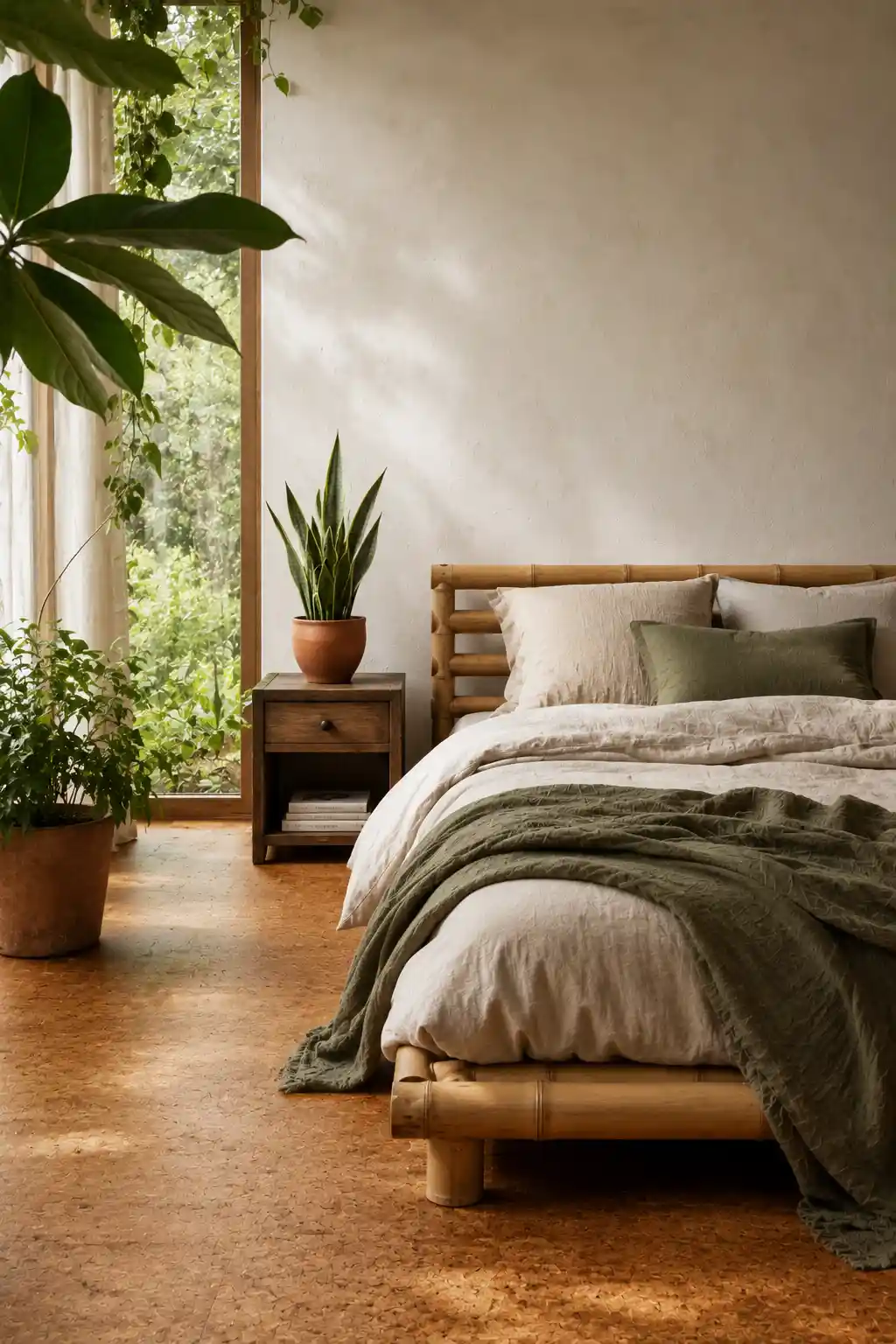
Eco-minimalism blends a sustainable lifestyle with a clean aesthetic, proving that you can have a beautiful home while respecting the planet. This design focuses on ethically sourced materials such as GOTS-certified organic cotton, bamboo, and reclaimed timber. The color palette is inspired by the earth, utilizing muted olives, sandy beiges, and soft clay tones. Incorporating a few air-purifying plants adds a touch of life and color without cluttering the space. By choosing timeless, durable pieces over fast-furniture trends, you create a bedroom that is as kind to the environment as it is to your nervous system.
Coastal Calm Minimalism
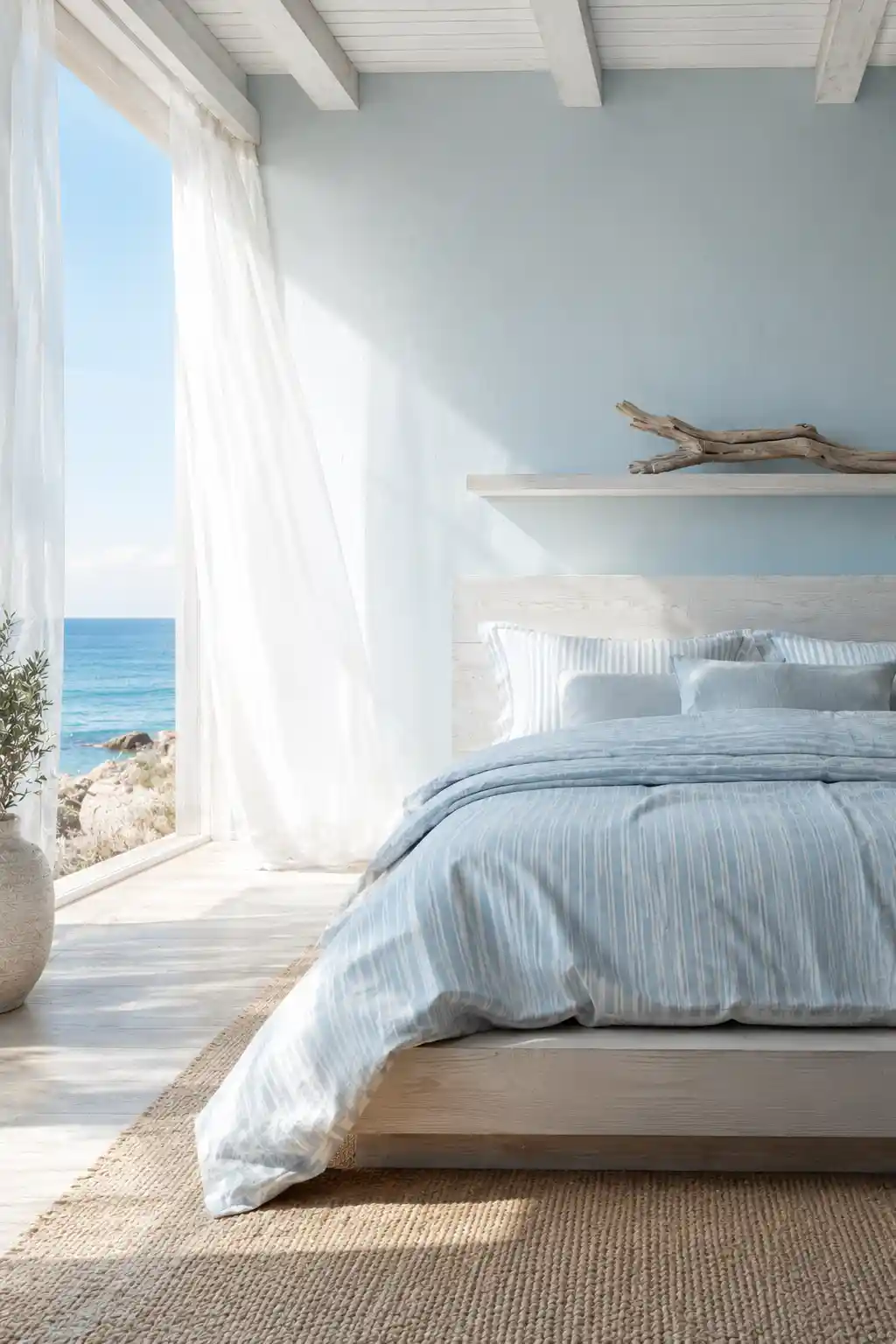
Coastal minimalism captures the serene essence of the seaside without relying on kitschy beach decor. Instead of anchors and shells, this style uses a palette of soft blues, crisp whites, and sandy textures to evoke the ocean. Use light-washed woods and breathable fabrics like linen to keep the room feeling cool and airy. The goal is to mimic the feeling of a quiet morning at the beach, where the only sounds are the waves and the wind. By keeping the furniture streamlined and the colors muted, you create a refreshing retreat that feels like a permanent vacation.
Japandi Fusion Sanctuary
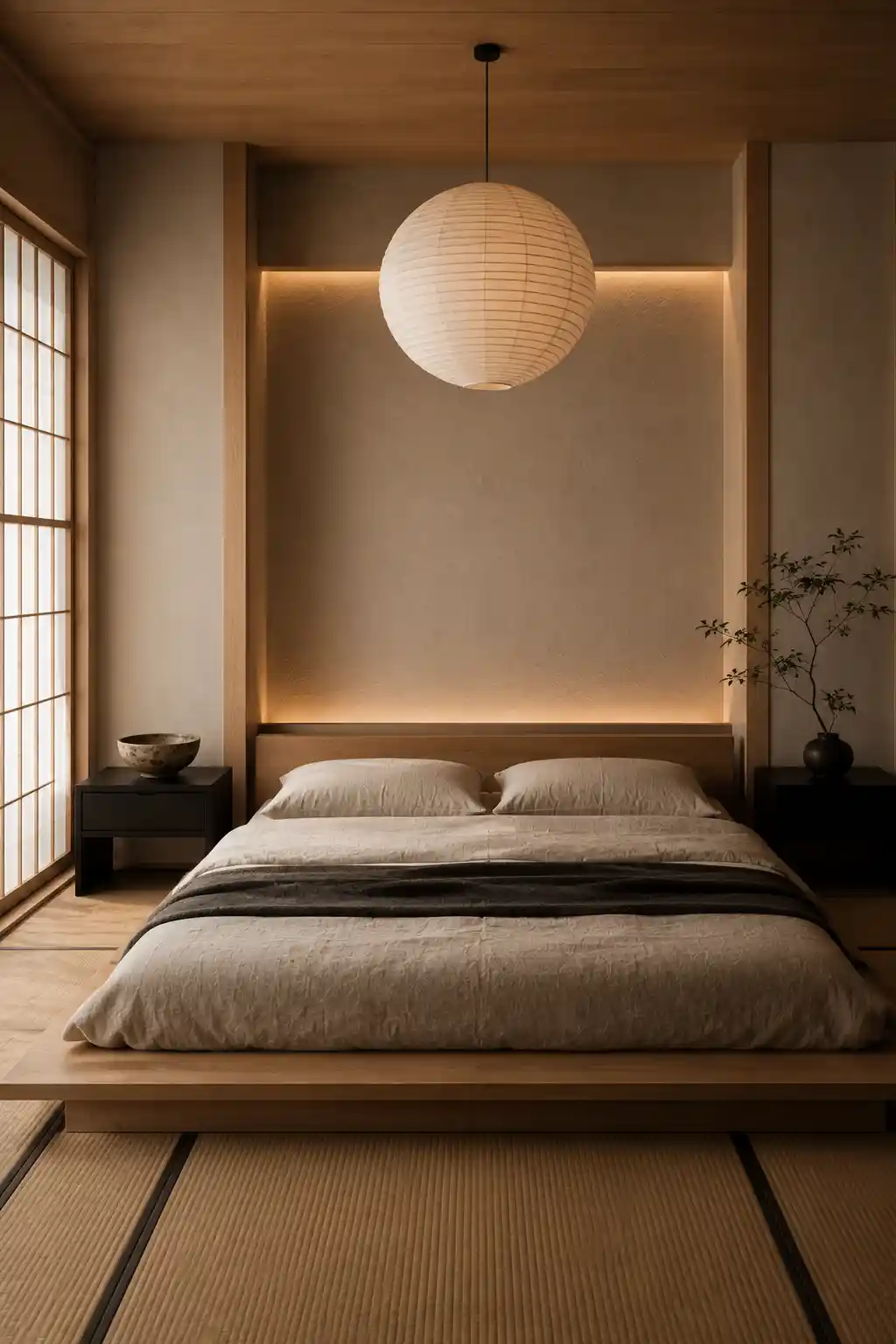
Japandi is the perfect marriage of Japanese minimalism and Scandinavian functionality. It emphasizes a deep respect for craftsmanship and the beauty of imperfection. In the bedroom, this manifests as a blend of low-slung furniture and a cozy, neutral palette. The focus is on balance and symmetry, creating a space that feels intentionally curated. Use materials like light oak mixed with darker accents—such as a charcoal grey throw—to create a sophisticated contrast. This style encourages a slower pace of life, making the bedroom a place for genuine decompression and quiet reflection.
Muted Pastel Dreamscape
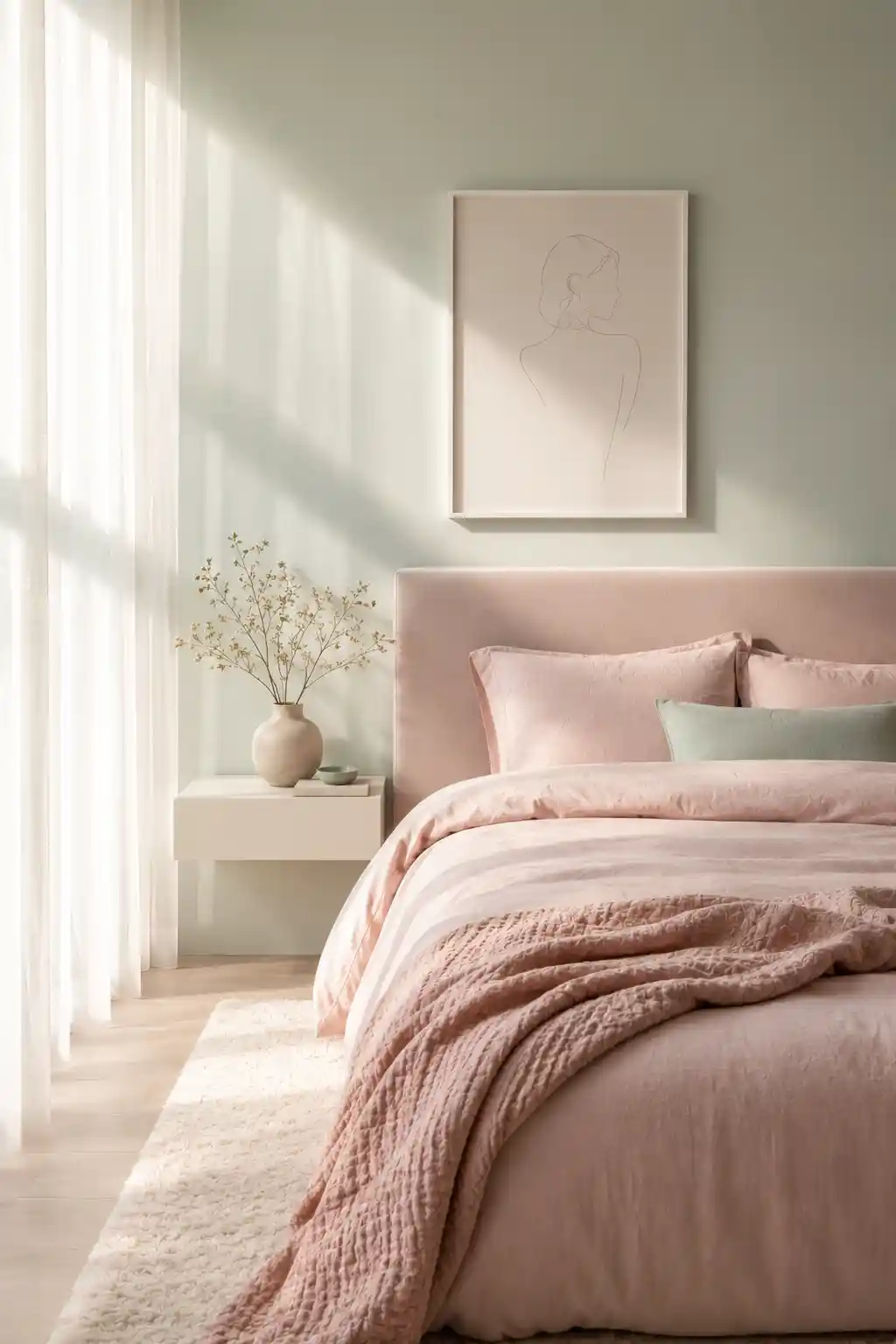
Minimalism doesn’t have to mean a total absence of color; it just means using color with intention. A pastel minimalist bedroom uses soft, desaturated hues like blush, sage, or pale lavender to create a dreamy, ethereal atmosphere. The key is to keep the colors ‘dusty’ or muted so they don’t become overstimulating. Pair these soft tones with clean, white furniture and an abundance of negative space to ensure the room still feels light and open. This approach is ideal for those who want a space that feels feminine, youthful, and incredibly soothing.
Dark Moody Minimalism
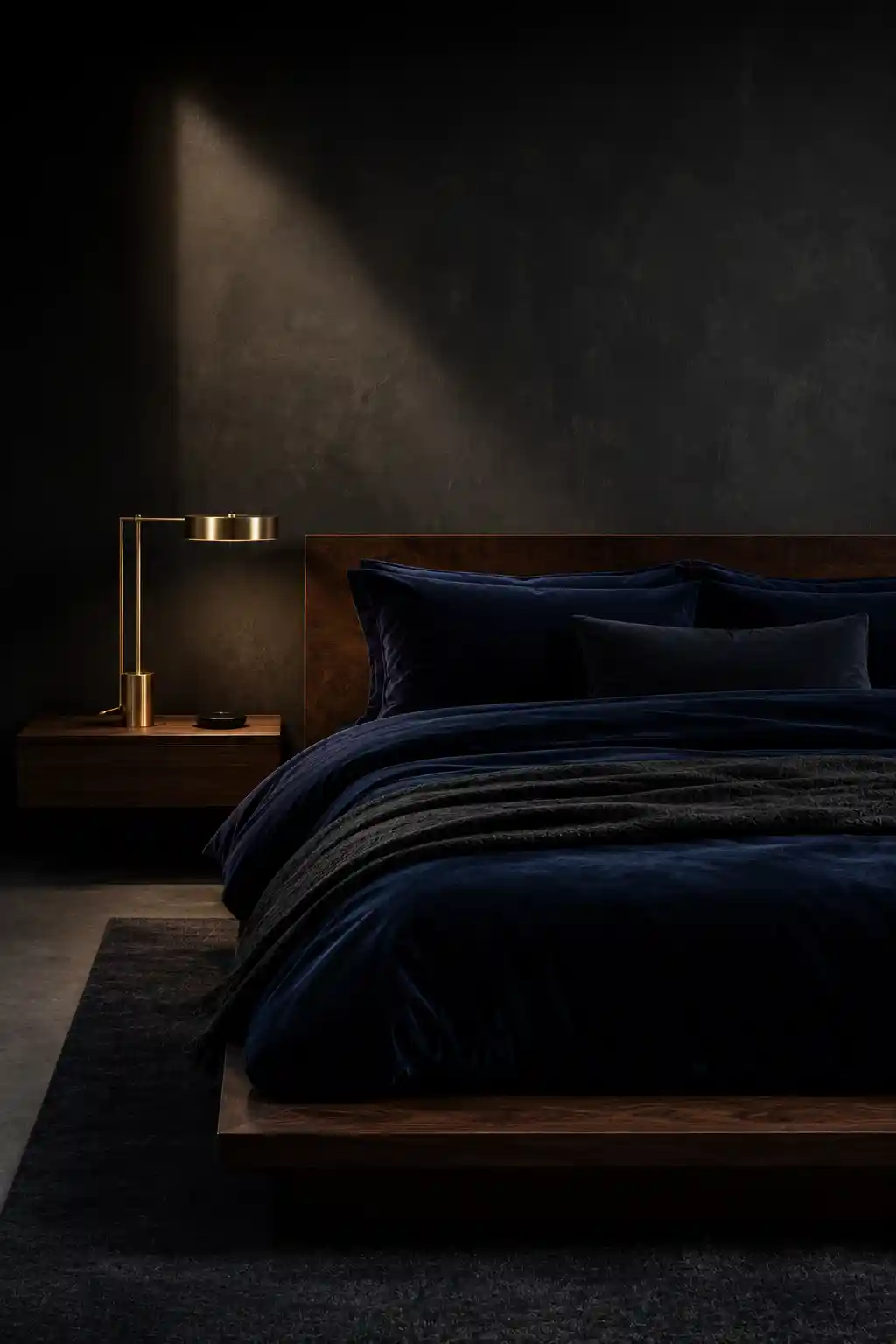
For those who find light colors too distracting, dark moody minimalism offers a cocoon-like experience. By using deep tones like midnight blue, charcoal, or forest green, you create a sense of intimacy and security. The trick to keeping a dark room minimalist is to avoid heavy patterns and overly ornate furniture. Stick to matte finishes and clean lines so the color does the talking. A single metallic accent, such as a brass lamp or a gold picture frame, can add a touch of luxury without breaking the minimalist ethos. This design turns the bedroom into a sophisticated sanctuary for deep, uninterrupted sleep.