

Creating a neutral sanctuary is a popular design choice, but there is a fine line between a serene retreat and a room that feels sterile or visually empty. When you surround yourself with beige walls, cream linens, and taupe accents, the space often lacks the contrast necessary to feel cozy. The most effective way to breathe life back into a monochromatic neutral palette is by introducing the organic warmth of natural wood, which acts as a visual anchor and adds essential depth to the room.
The Instant Glow of Honey Oak Nightstands
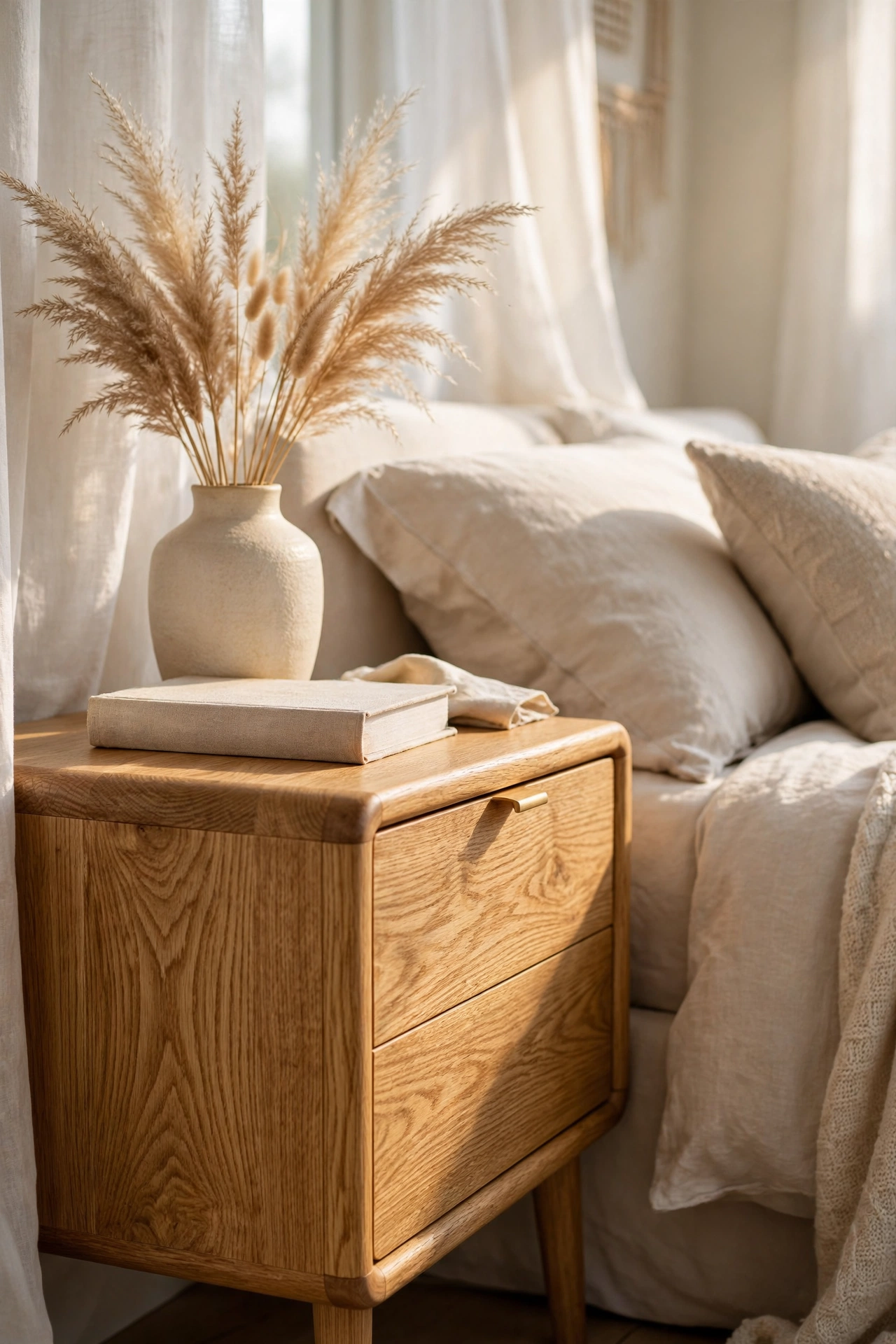
When a bedroom is dominated by cool beiges and creams, it can often feel devoid of energy. Introducing honey oak nightstands is one of the fastest ways to inject warmth into the space. The golden undertones of oak create a striking contrast against muted walls, preventing the room from looking like a sterile hotel suite. By placing these warm timber pieces directly beside the bed, you create a cozy focal point that draws the eye and makes the entire sleeping area feel more inviting and lived-in.
Rustic Character with Weathered Pine Chests
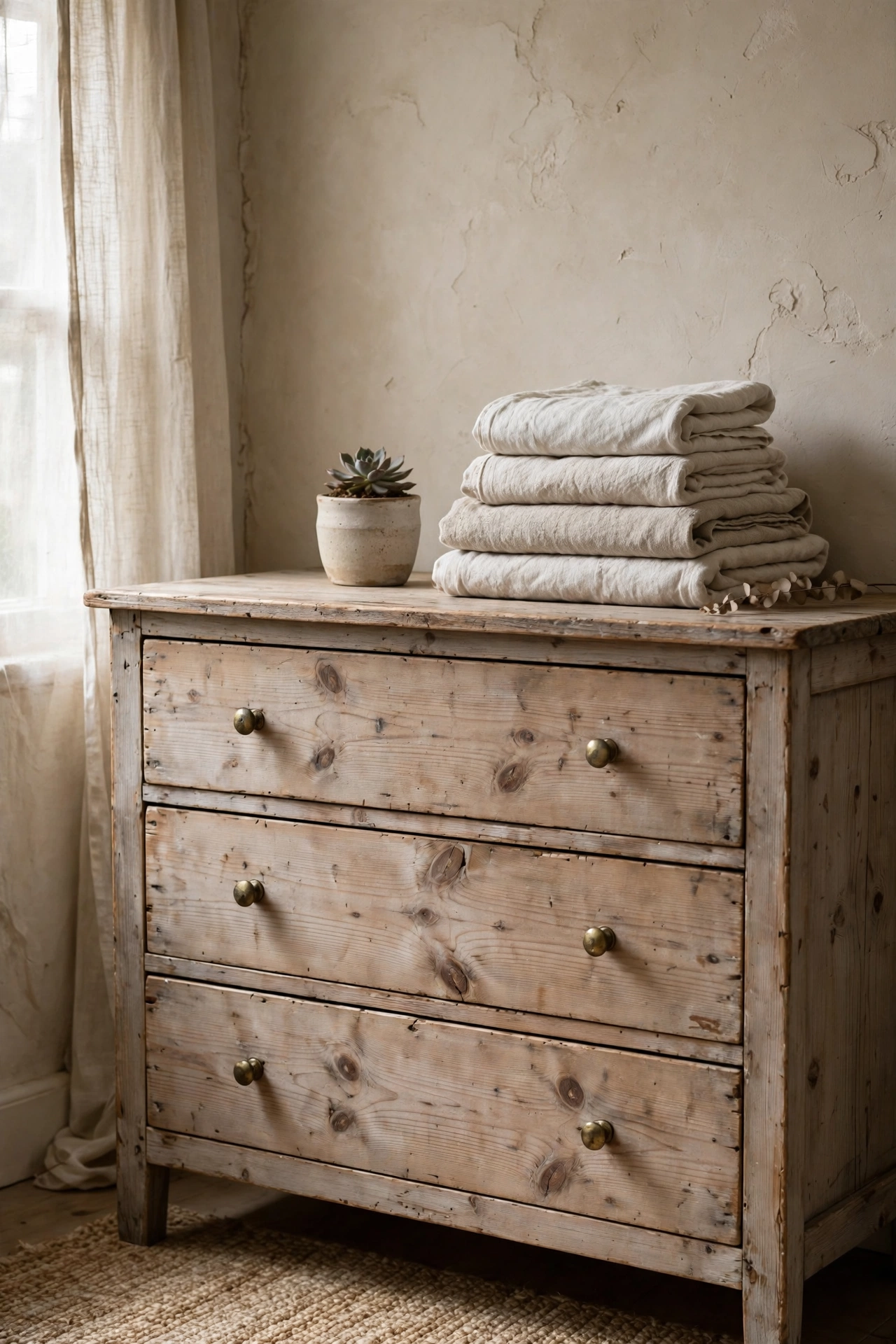
For those who find beige too polished or formal, weathered pine offers a grounding, rustic element. The raw, organic texture of pine breaks up the smoothness of neutral paint and soft fabrics. A pine chest or dresser introduces a tactile quality that suggests comfort and timelessness. This contrast in texture—the roughness of the wood against the softness of a beige duvet—is exactly what stops a neutral room from feeling flat, adding a layer of architectural interest and homeliness.
Modern Luxury via Walnut Slat Walls
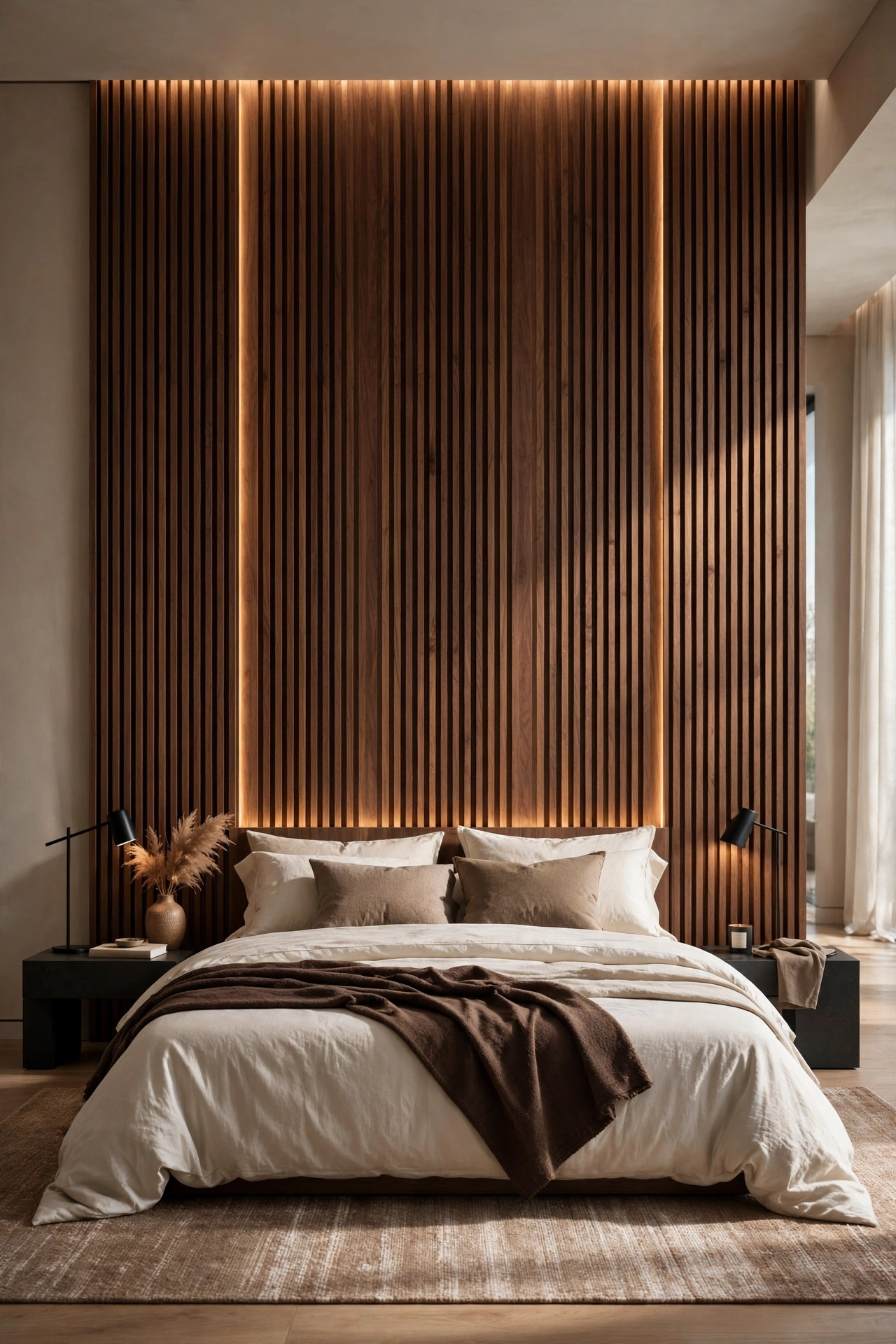
If you want to elevate a beige room to a high-end, designer level, consider a walnut slat wall. Walnut is prized for its deep, rich tones and sophisticated grain, which provides a heavy visual weight to balance out airy neutral colors. Instead of a small piece of furniture, a full wood wall transforms the entire atmosphere, turning a plain beige box into a luxurious sanctuary. The vertical lines of the slats also add height to the room, making the space feel more expansive and curated.
Scandinavian Serenity with Light Oak Bed Frames
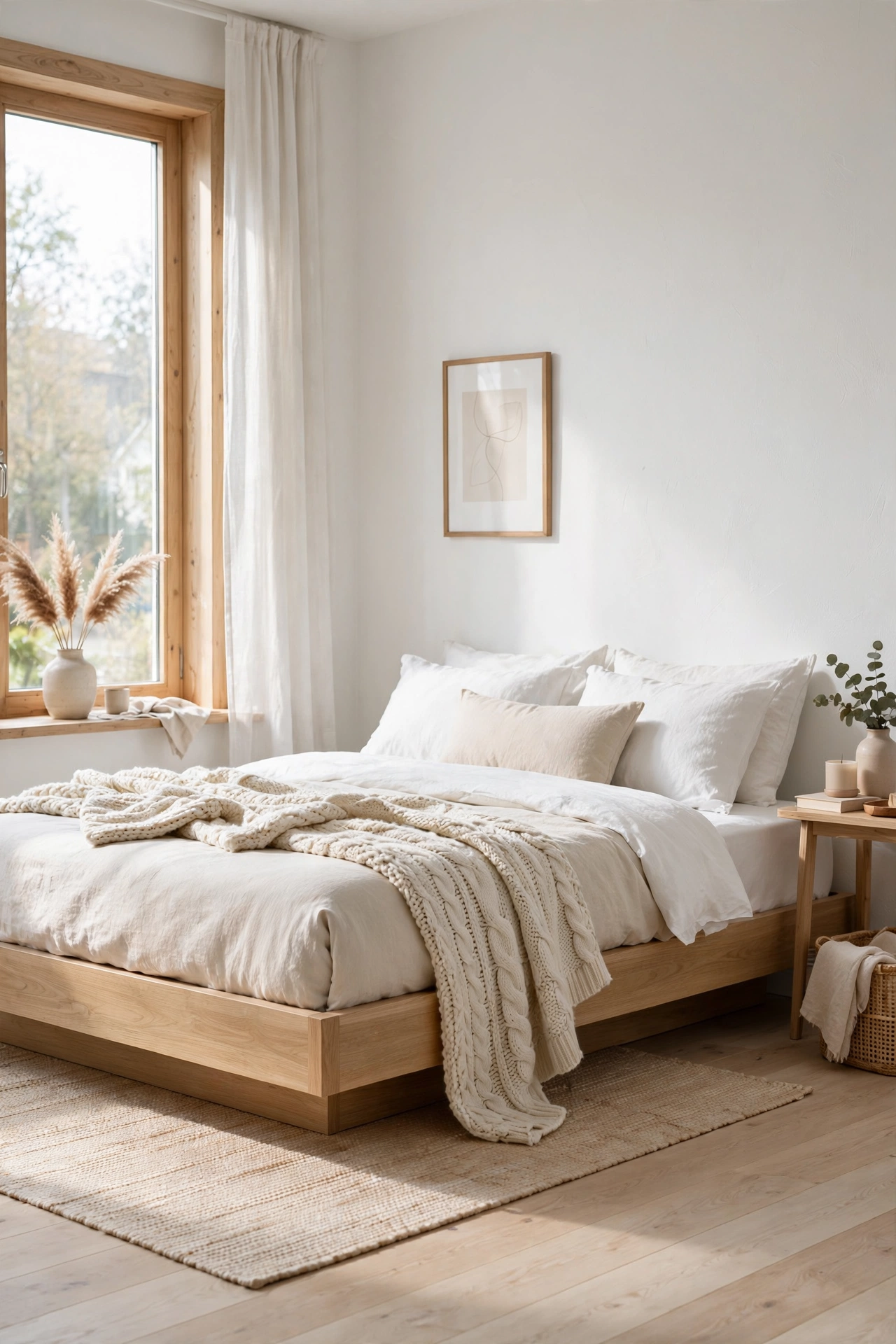
A light oak bed frame is the perfect solution for those who want warmth without introducing dark, heavy colors. In a beige-on-beige room, a pale wood frame provides just enough distinction to separate the bed from the floor and walls. This approach maintains the minimalist aesthetic while ensuring the room doesn’t feel cold. The subtle yellow and tan hues found in light oak harmonize beautifully with neutral tones, creating a seamless yet visually interesting transition that feels organic and intentional.
Adding Texture with a Reclaimed Wood Bench
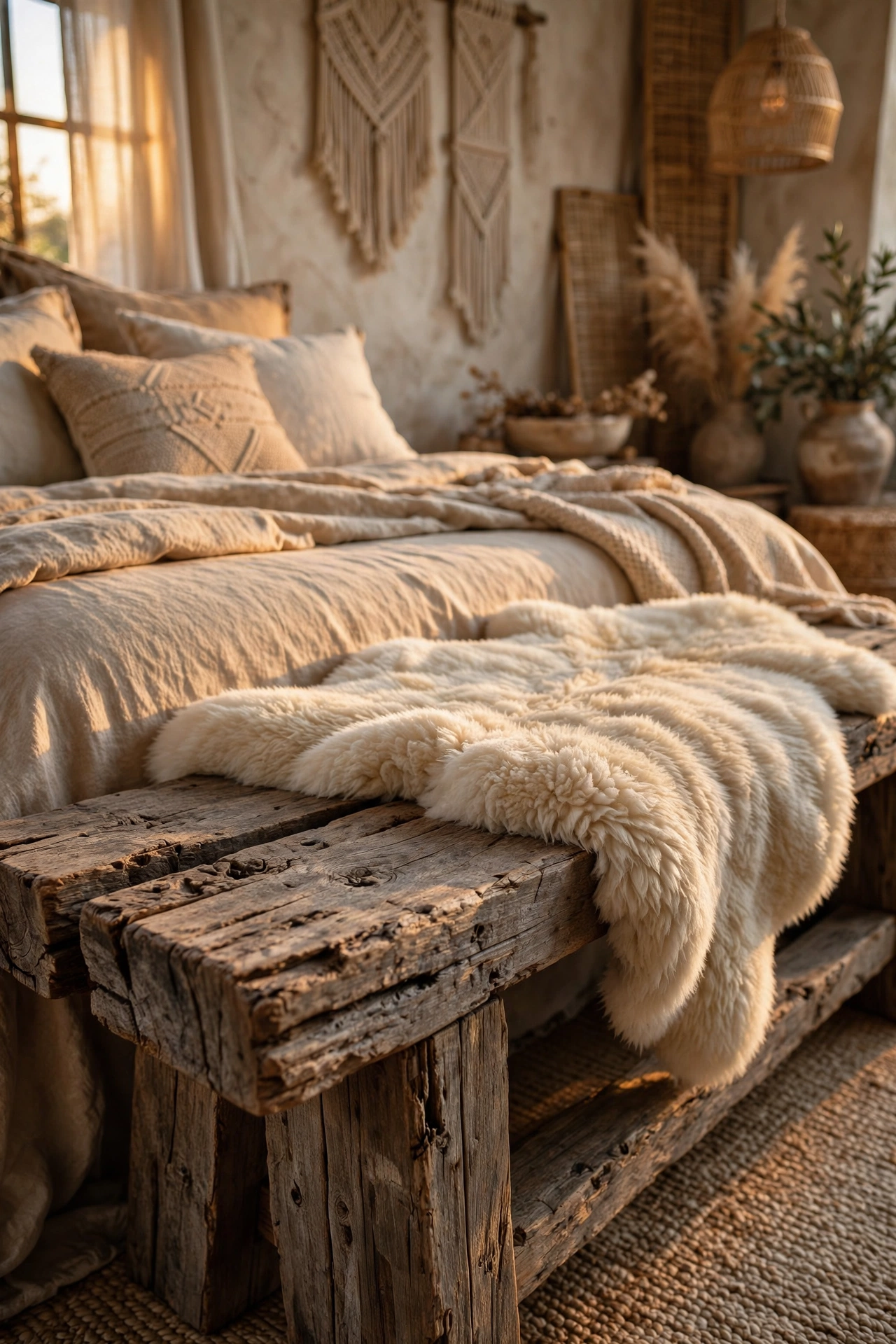
Sometimes the missing piece in a neutral bedroom isn’t a nightstand, but a grounding element at the foot of the bed. A reclaimed wood bench introduces a sense of history and ruggedness that offsets the softness of beige upholstery and linens. The varied tones and natural imperfections of reclaimed timber add a layer of complexity to the room. This strategic placement of wood creates a visual bridge between the bed and the rest of the room, preventing the center of the space from feeling adrift.
Organic Softness with Cane and Rattan Accents
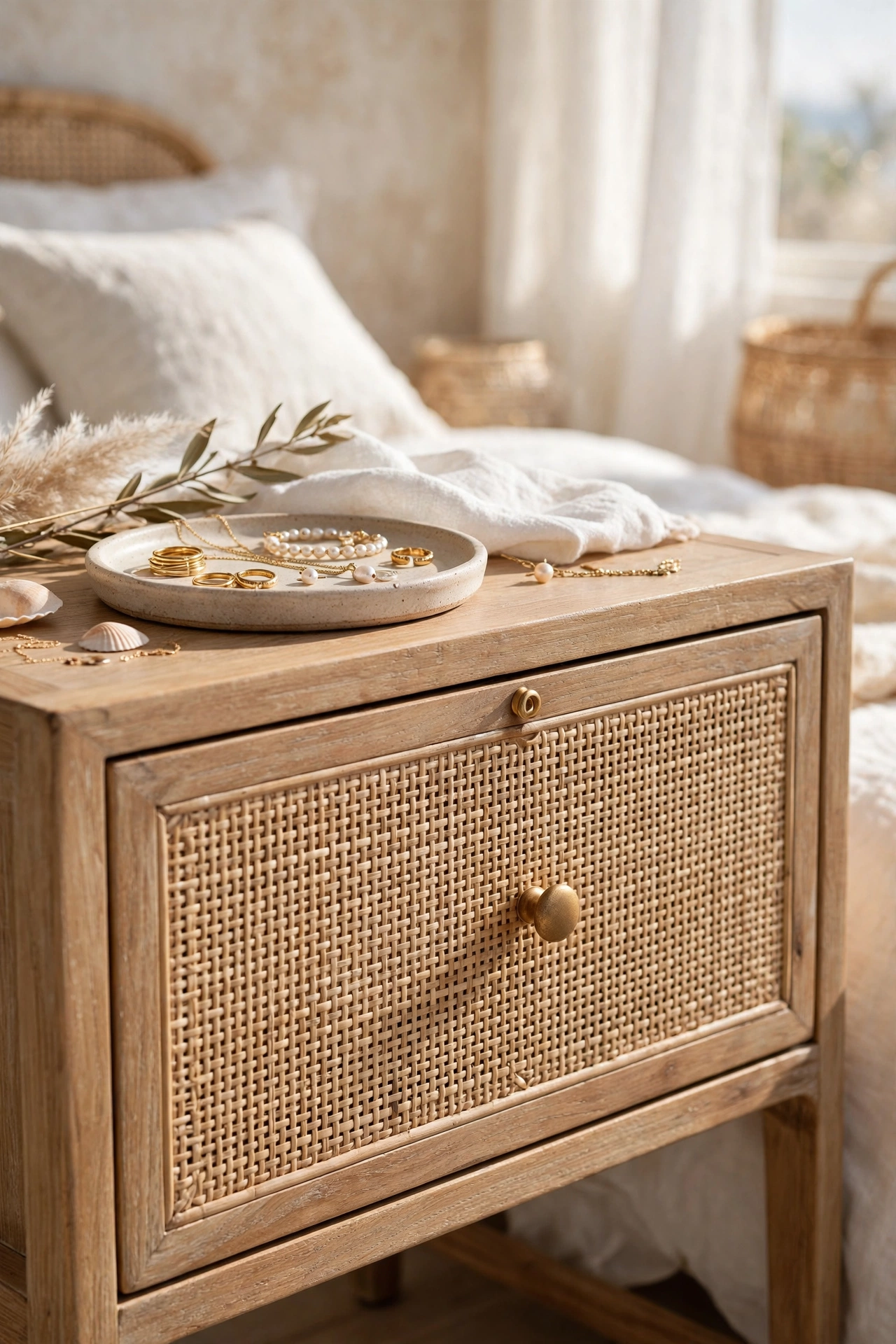
Combining solid wood with woven elements like cane or rattan is a brilliant way to double the warmth in a neutral room. The intricate patterns of caning add visual movement, which is essential in a room where the colors are static. A cane-fronted dresser or a rattan accent chair introduces an organic, artisanal feel that makes a beige room feel curated rather than empty. These materials bring a breezy, natural vibe that softens the hard edges of the room and enhances the overall sense of relaxation.
Creating Depth with Dark Walnut Floating Shelves
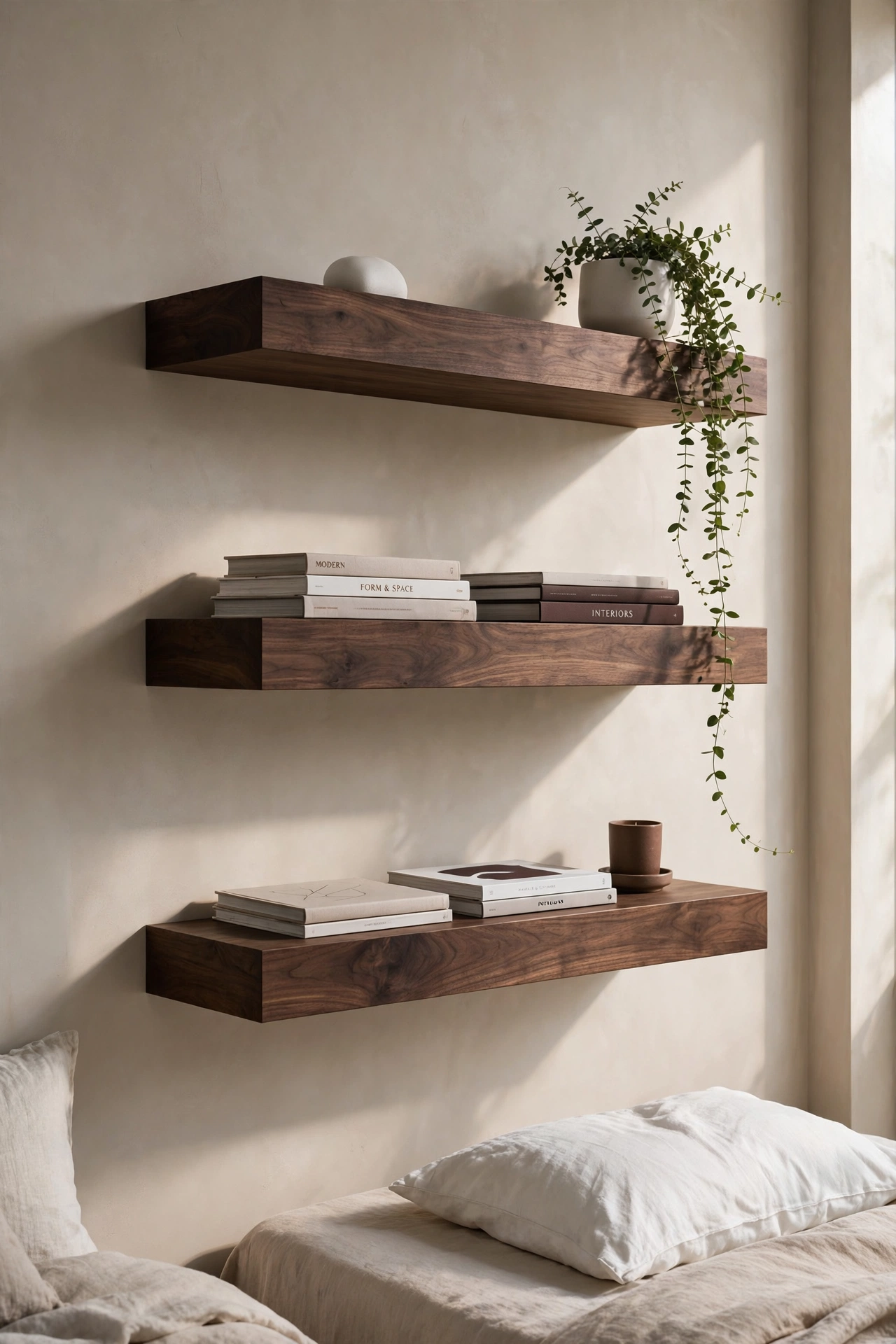
Floating shelves in a dark walnut finish act as a bold graphic element against a pale beige backdrop. Because they are wall-mounted, they provide the warmth of wood without taking up valuable floor space. The deep contrast between the dark timber and the light walls creates a sophisticated focal point that anchors the room. By styling these shelves with a few carefully chosen objects, you can introduce further textures and colors, effectively breaking the monotony of an all-neutral color scheme.
Earthiness Through Natural Cedar Headboards
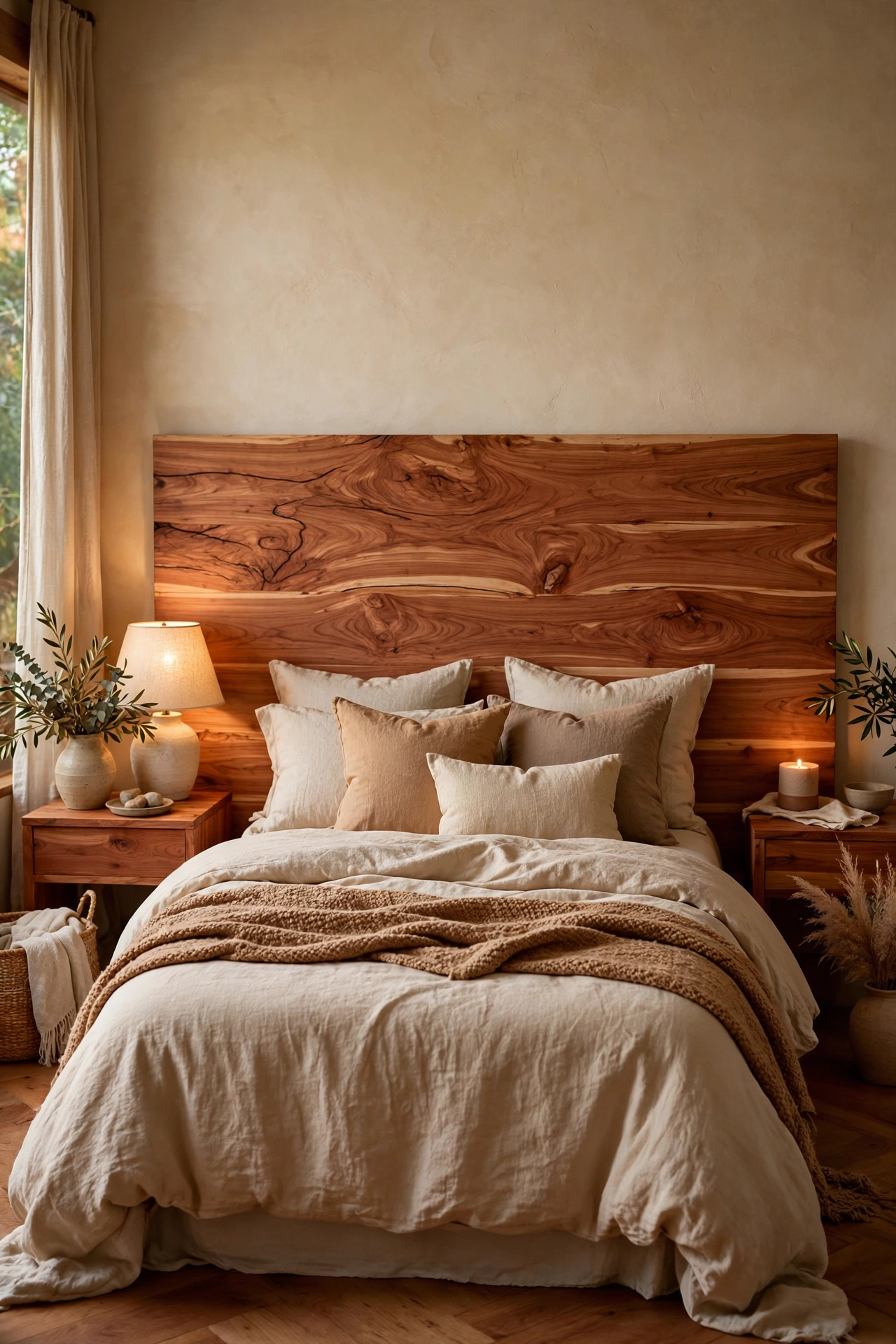
The headboard is the most prominent piece of furniture in the room, making it the ideal place to introduce a warm wood fix. A natural cedar headboard brings a distinct earthiness and a subtle reddish hue that instantly warms up a cool beige palette. Cedar’s rich color and scent contribute to a sensory experience that makes the bedroom feel like a cozy cabin retreat. This large-scale wooden element ensures that the room feels complete and balanced, providing a strong visual anchor.
Subtle Contrast with Bleached Ash Side Tables
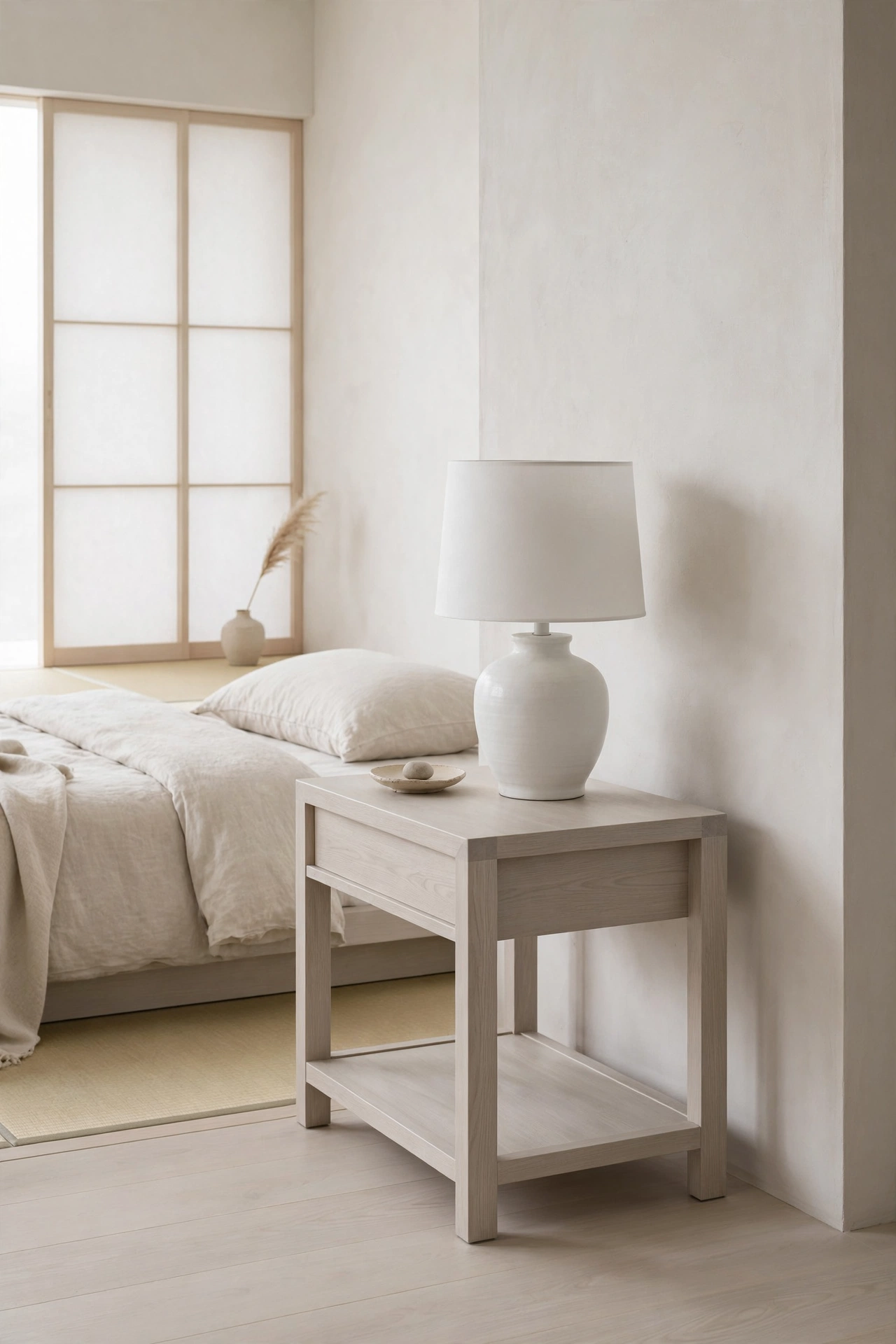
For those who prefer a very light and airy aesthetic, bleached ash is a wonderful alternative to darker woods. While it is pale, it still possesses the organic warmth and grain that paint simply cannot replicate. In an all-beige room, bleached ash creates a sophisticated, tone-on-tone look that adds depth without introducing high contrast. It is a subtle way to move away from a ‘flat’ look by layering different shades of neutral and natural materials together for a refined finish.
Vintage Flair with Mid-Century Teak Seating
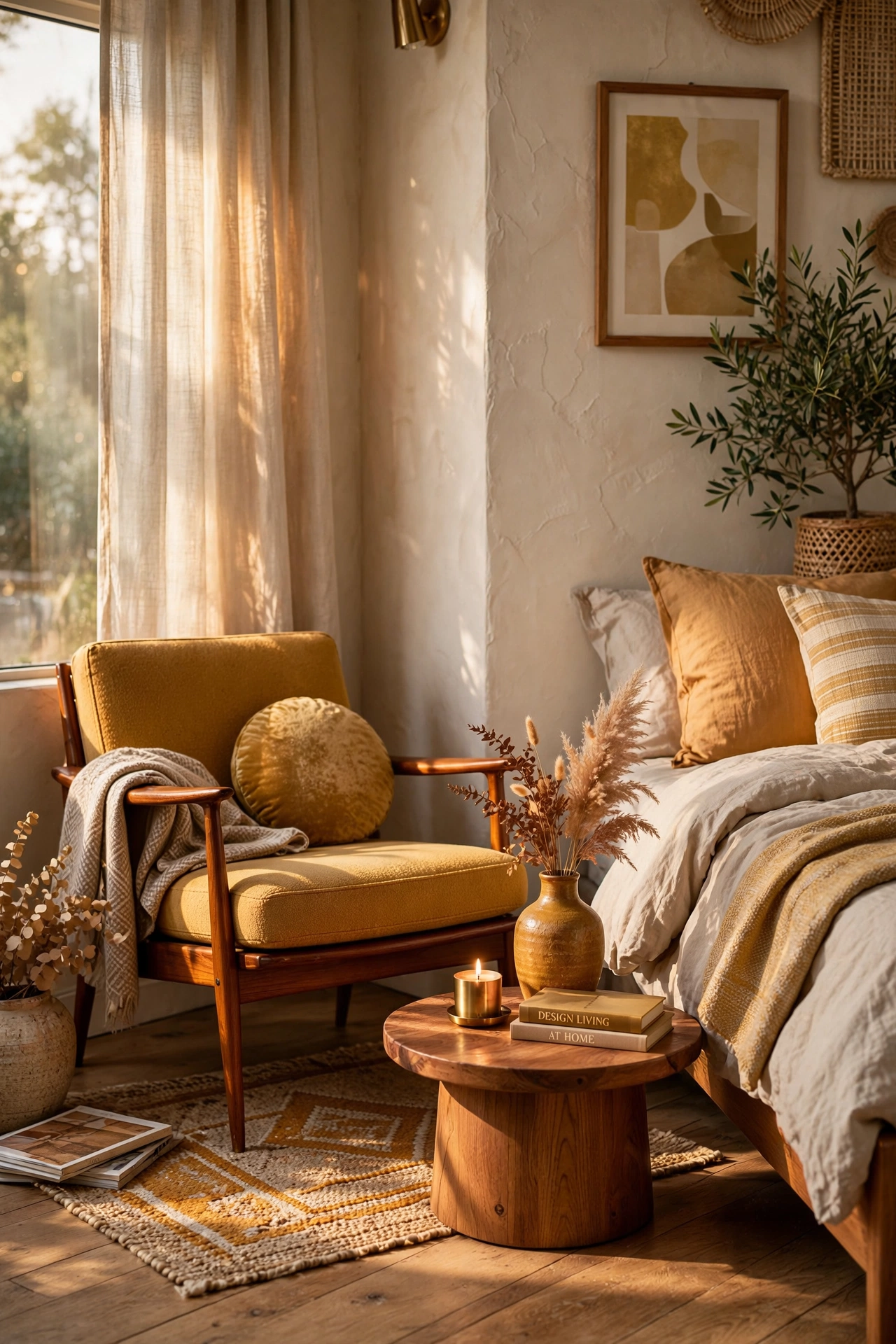
Introducing a piece of vintage teak furniture can add both warmth and personality to a neutral bedroom. Teak has a characteristic orange-gold glow that cuts through the flatness of beige effortlessly. A mid-century modern chair or a small accent table provides a sculptural element that serves as a piece of art. The combination of timeless design and warm timber ensures the room feels intentionally styled, bridging the gap between modern minimalism and cozy traditionalism.
Traditional Richness with Polished Mahogany Pieces
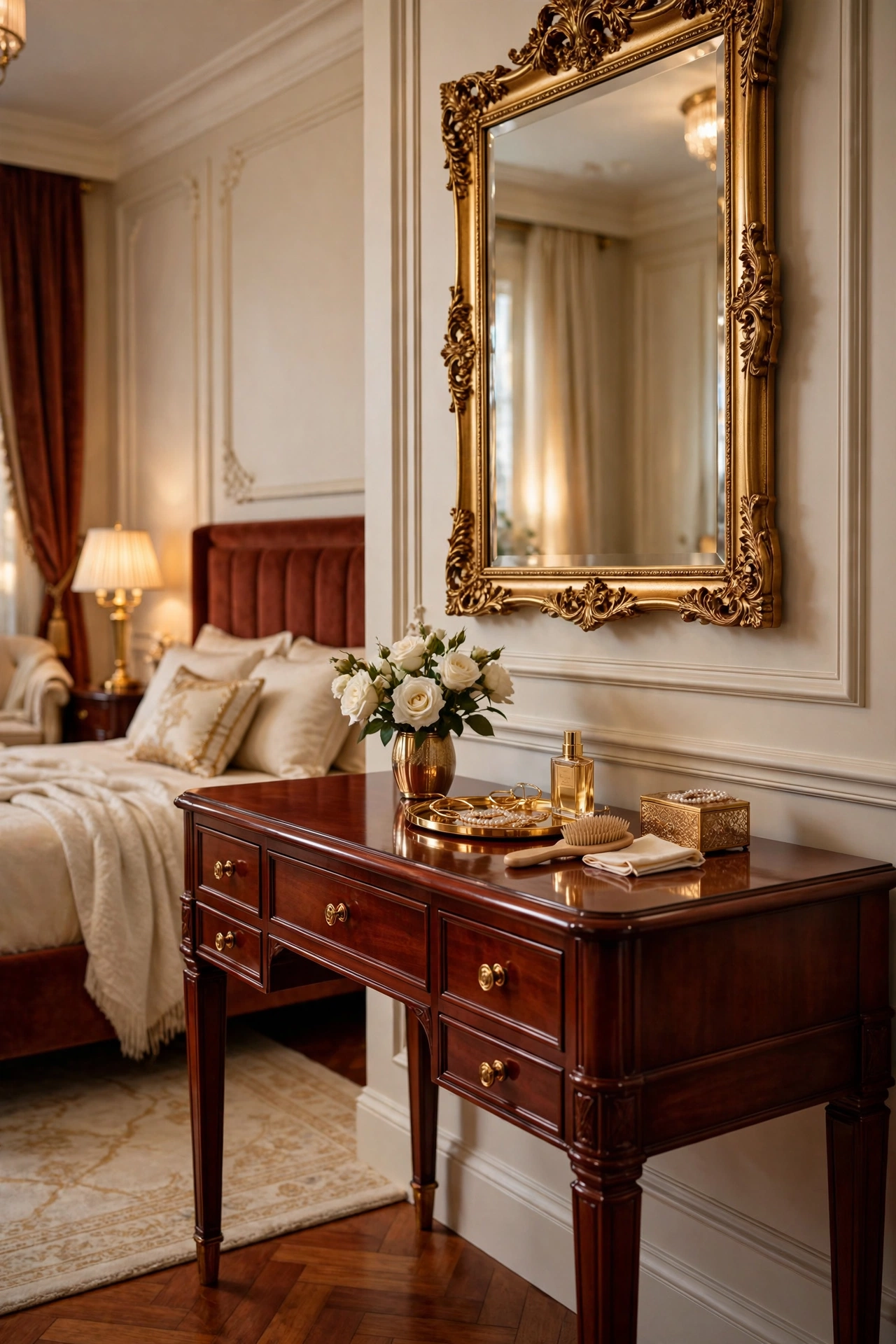
Mahogany brings a sense of tradition and formality that can ground a floating, airy beige room. The deep, reddish-brown tones of polished mahogany create a dramatic contrast that feels expensive and timeless. Using a mahogany vanity or a small chest of drawers introduces a weightiness to the space, preventing the light colors from feeling too ethereal or disconnected. This high-contrast approach is ideal for larger bedrooms where a single small piece of wood might get lost in the beige.
Bright Minimalism via Raw Maple Surfaces
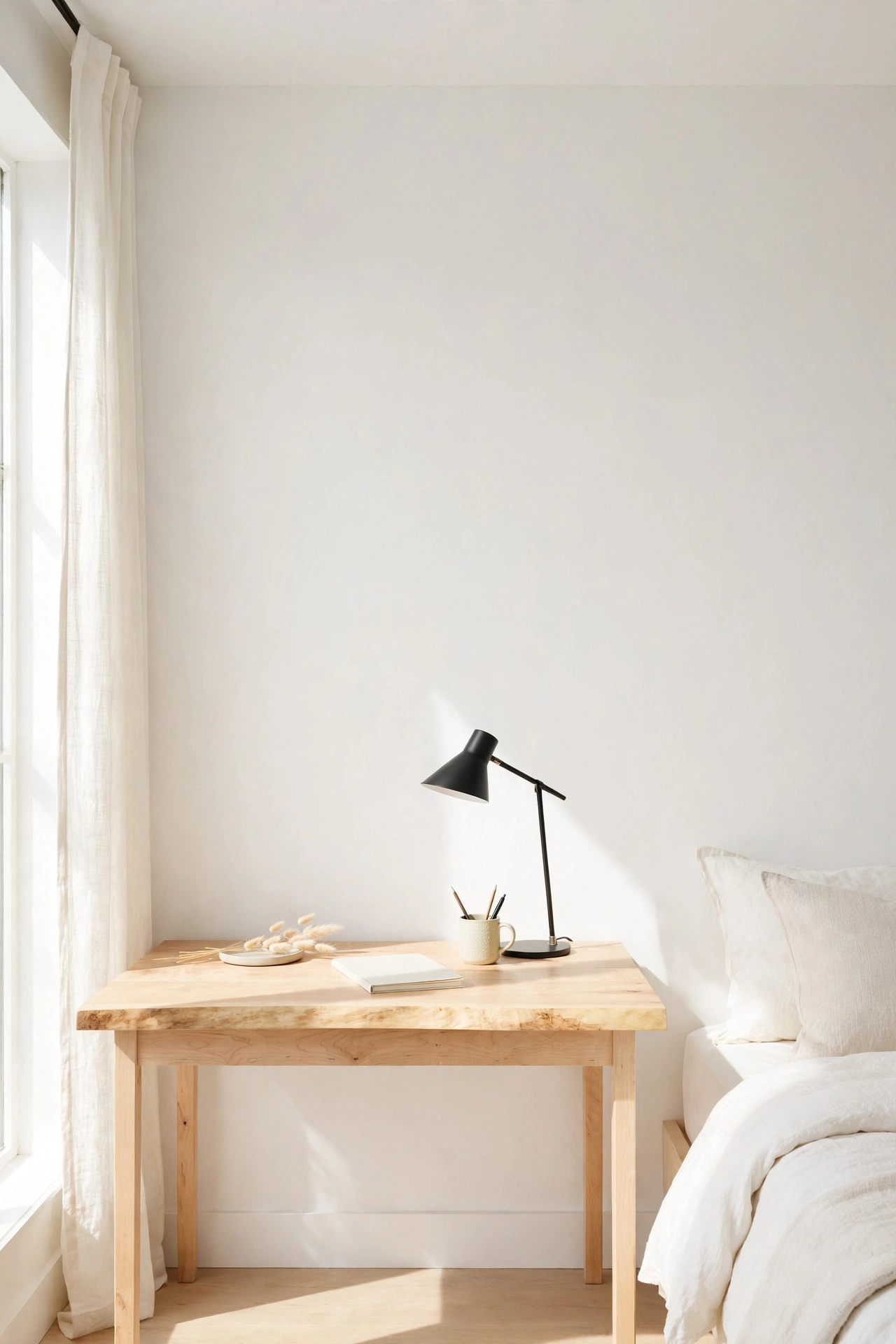
Raw maple is an excellent choice for those who want a clean, bright look but still need the emotional warmth of wood. Its pale, consistent color blends seamlessly with beige and white while providing a necessary break in the texture of the room. A maple console table or desk adds a touch of organic vitality to a workspace within the bedroom, ensuring the functional area feels as cozy as the sleeping area. It is the ultimate ‘quiet’ wood fix for minimalists.
Architectural Warmth with Exposed Wood Beams
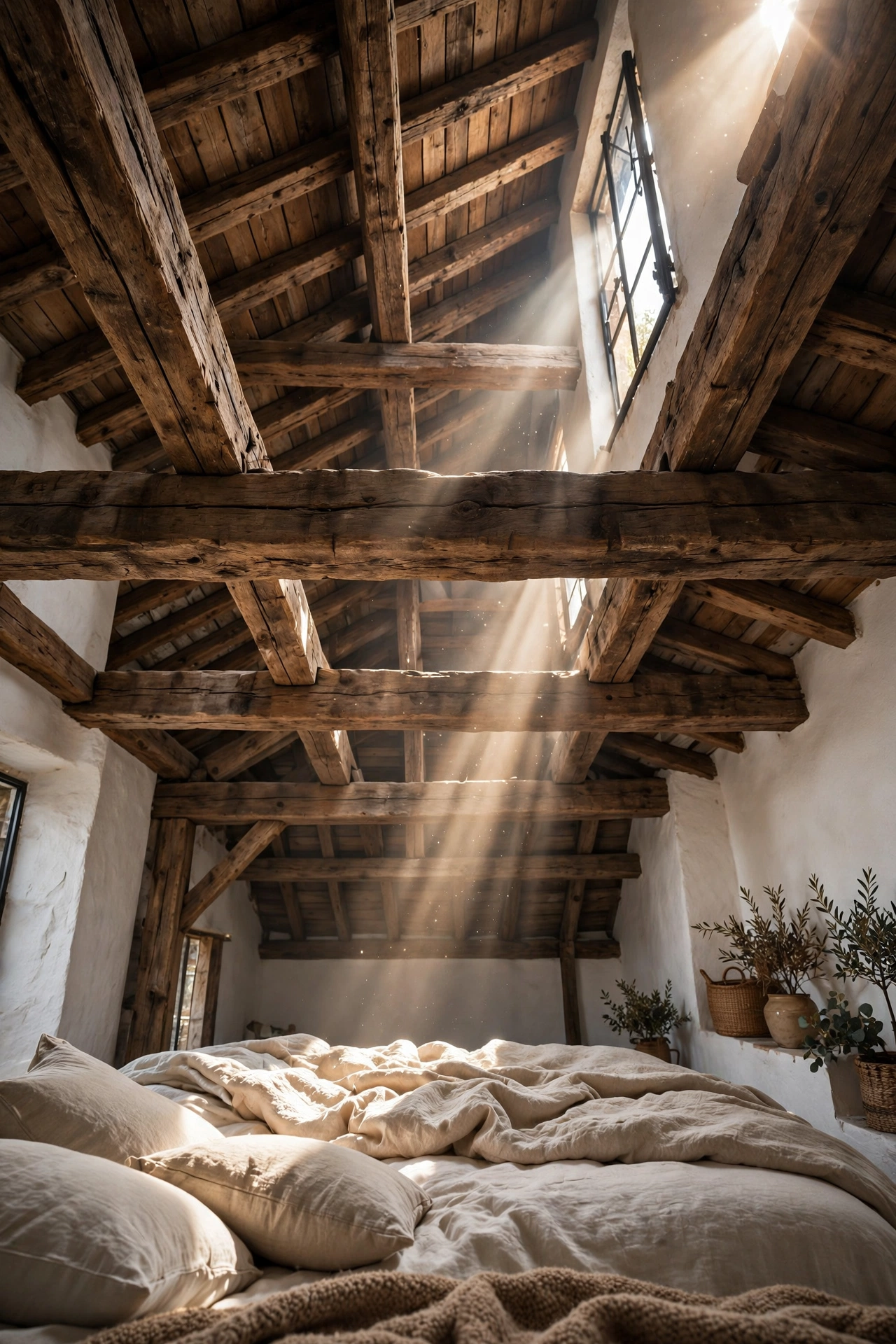
When the furniture isn’t enough to fix a flat room, look upward. Exposed wooden ceiling beams provide architectural warmth that envelops the entire space. By drawing the eye upward, the beams break the monotony of beige walls and create a sense of enclosure and security. The raw, structural nature of the wood adds a masculine edge to an otherwise soft, feminine neutral palette, resulting in a perfectly balanced room that feels curated from the ground up.
The Layered Approach with Mixed Wood Tones
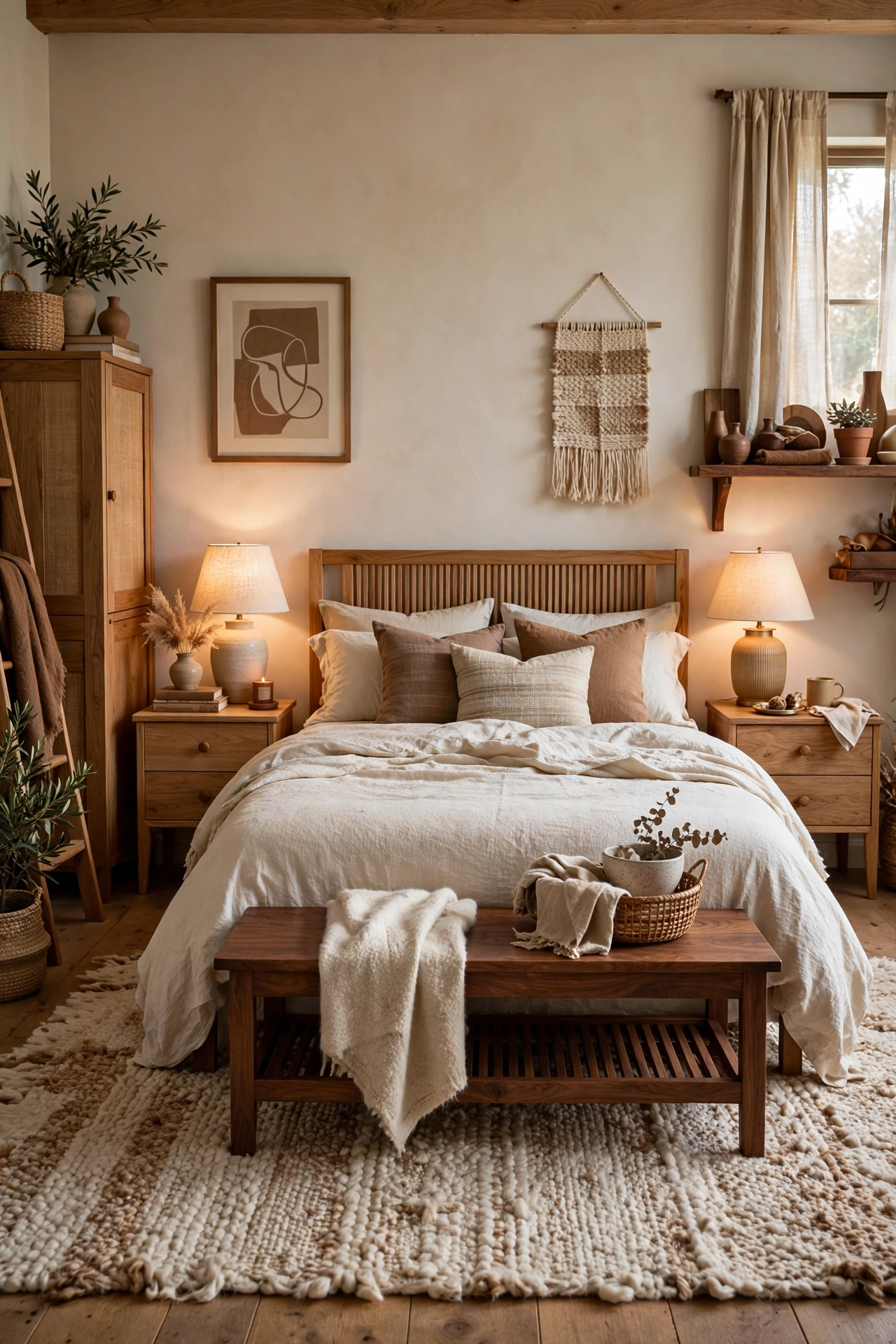
You don’t have to stick to just one type of wood to achieve warmth. In fact, mixing different wood tones—such as pairing a light oak bed frame with walnut nightstands—can make a beige room feel more dynamic and less staged. The key is to keep the undertones consistent; for example, mixing different warm-toned woods. This layering technique mimics the way a home evolves over time, adding a sense of authenticity and depth that a perfectly matched set of furniture often lacks.
Airy Depth with Floating Oak Tables
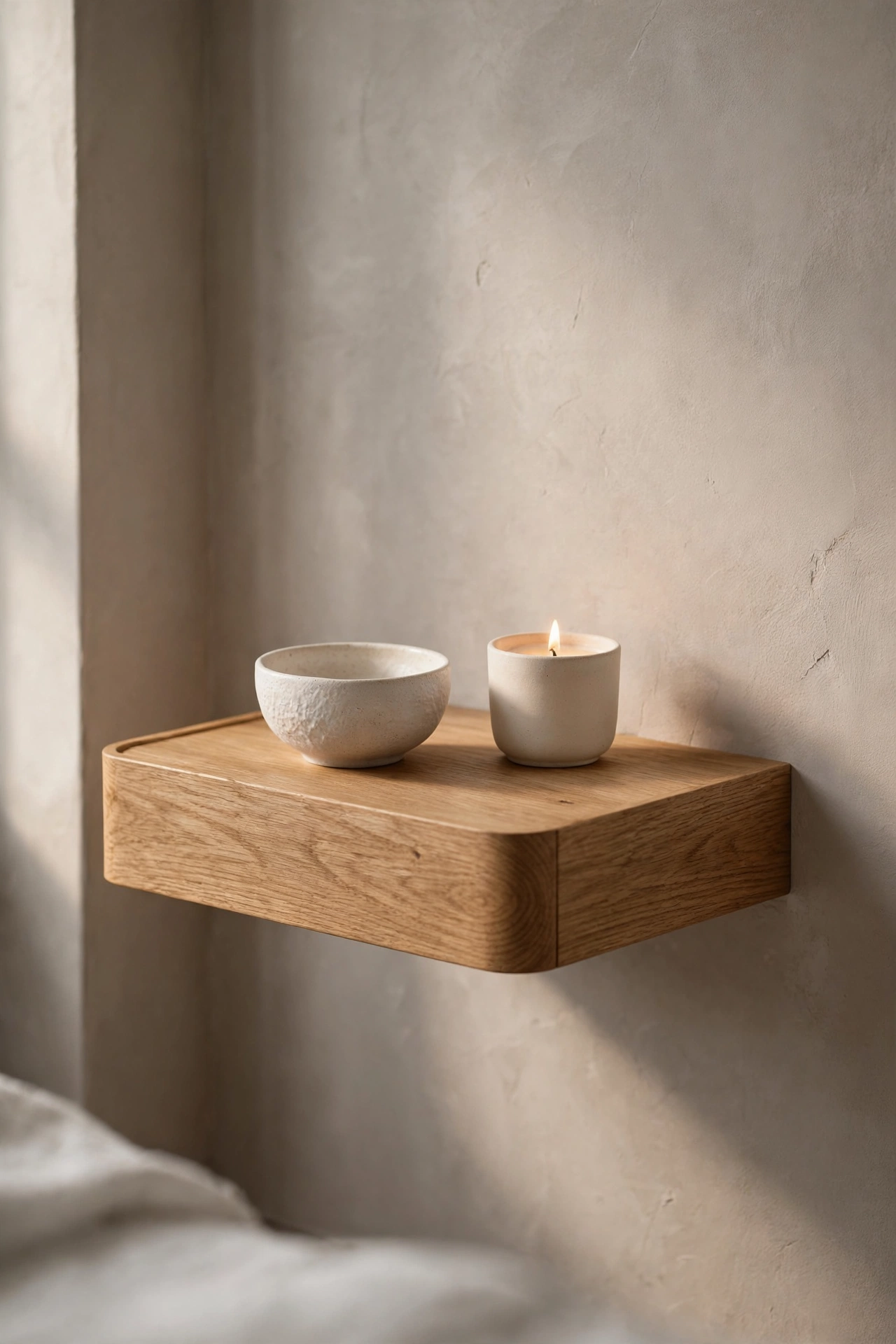
Floating oak tables provide a modern twist on the classic nightstand while still delivering the essential wood fix. By leaving the floor space open, you maintain the airy feel of a neutral room, but the warm oak surface provides the necessary visual contrast. This is particularly effective in smaller bedrooms where bulky furniture can make the space feel cramped. The warmth of the oak concentrates the focus on the bedside area, making the sleeping nook feel like a cozy, intentional destination.
Overhead Warmth with Wood and Woven Lighting
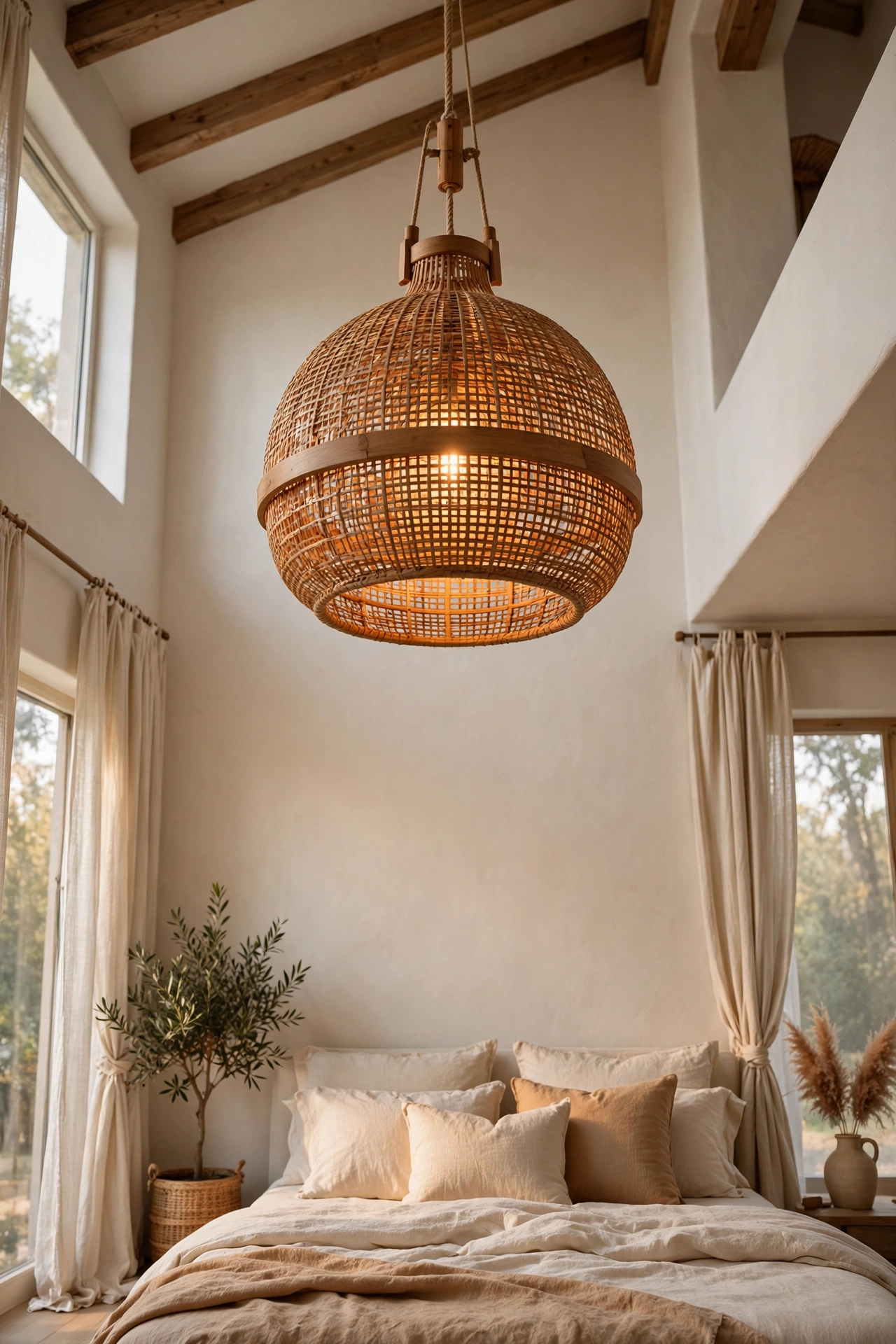
If your floor space is already full, look to your lighting. A large wooden or woven rattan pendant light can introduce warmth from above, casting a soft, amber glow over a beige room. This not only adds a physical element of wood but also changes the quality of light in the space, making the neutral walls feel warmer and more inviting. Lighting is often the most overlooked element of decor, but a natural wood fixture can be the final touch that makes a flat room feel finished.