
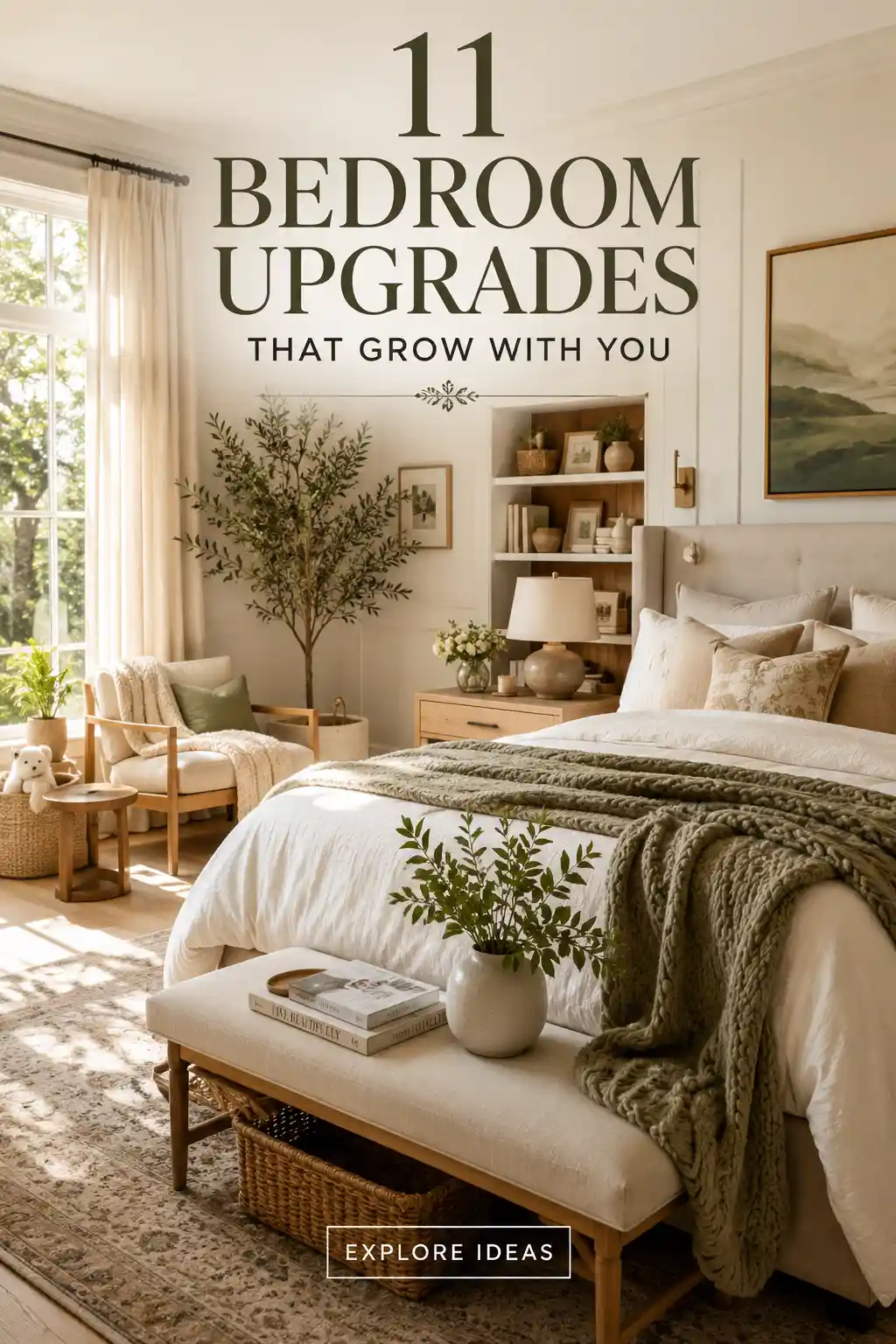
A bedroom should evolve alongside you, adapting to your changing needs, personal tastes, and major life milestones. Whether you are updating a child’s room to reflect their growing personality or shifting your own master suite to embrace a new season, a thoughtful transition keeps your sanctuary feeling fresh and functional. By focusing on versatile furniture and adaptable aesthetics, you can breathe new life into your space without a full structural renovation. Here are 11 inspired ways to master the art of the bedroom evolution.
From Nursery to Toddler Sanctuary
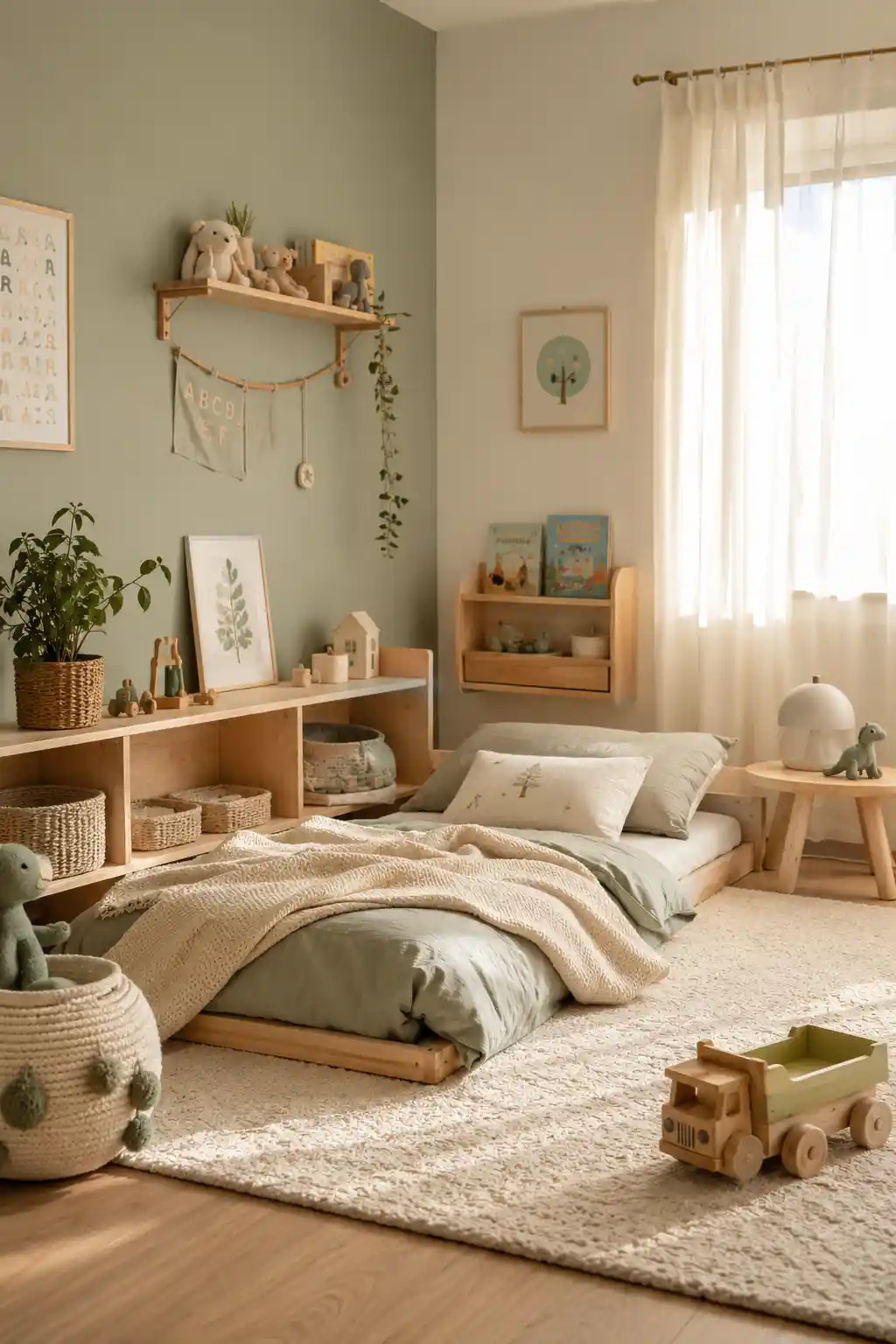
Transitioning a nursery into a toddler room is all about fostering independence while maintaining a sense of security. The most impactful change is swapping the crib for a low floor bed, which allows toddlers to enter and exit their sleeping space safely on their own. To complement this, incorporate low-level open shelving where toys and books are easily accessible, encouraging a Montessori-inspired environment. Stick to a muted, calming color palette like soft sage or warm oatmeal to keep the energy peaceful during nap times. Adding a small activity table for coloring and puzzles transforms the room from a place of care into a space for exploration.
Evolving a Teen Room into a Young Adult Retreat
As a teenager transitions into young adulthood, the bedroom needs to shift from a playful space to a sophisticated retreat. This evolution involves replacing youthful themes with timeless textures such as linen, velvet, and wool. Upgrading to a queen-sized bed provides a more mature focal point that doubles as a lounge area for reading or relaxing. Replace plastic storage bins with elegant bookshelves or floating ledges to display a curated collection of art and tech. A neutral wall base paired with high-contrast accents allows the room to feel professional yet personal, creating a sanctuary that feels like a first apartment within the family home.
Converting a Guest Room into a Multifunctional Home Office
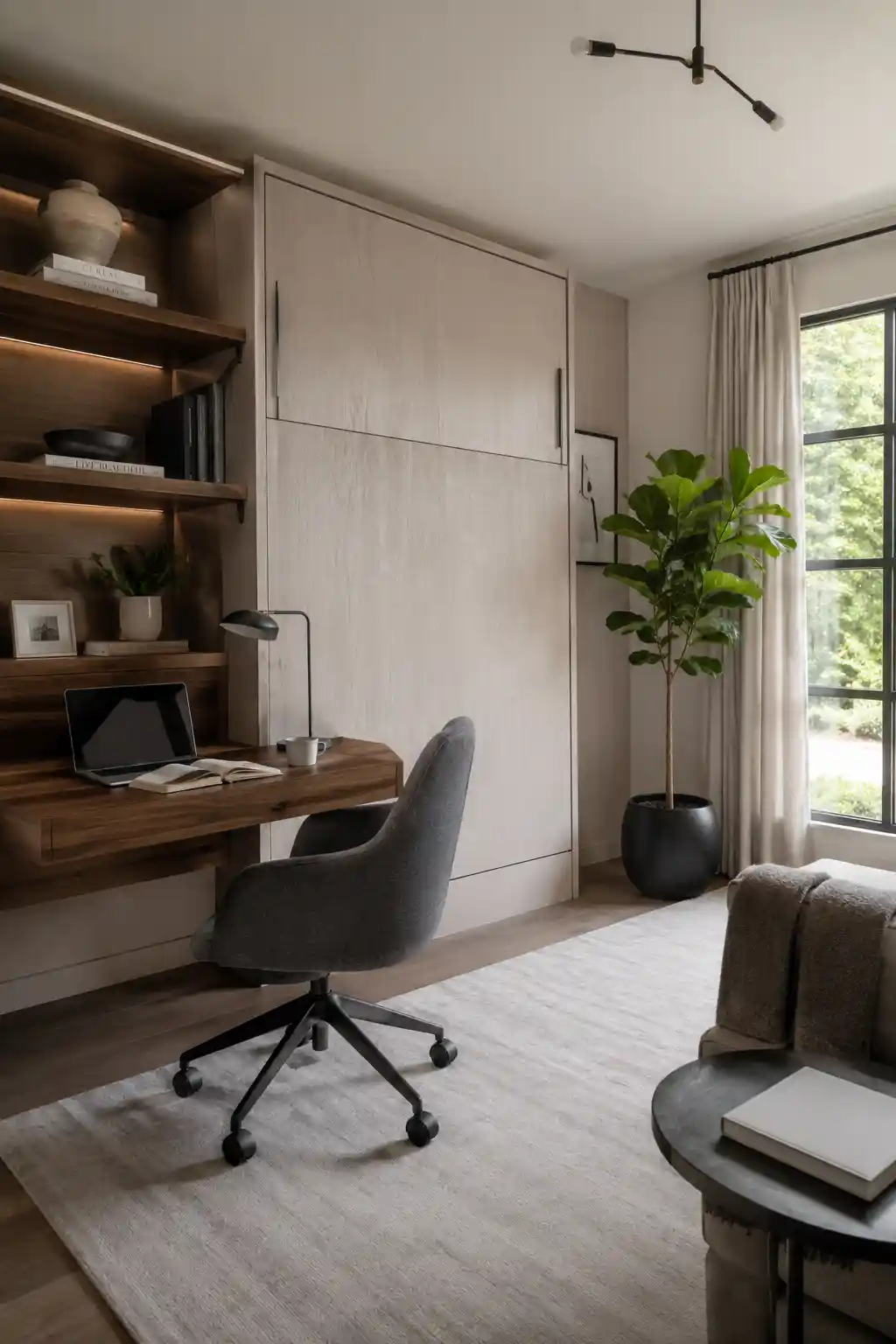
Creating a hybrid space that functions as both a productive office and a welcoming guest suite requires strategic furniture choices. A Murphy bed is the gold standard for this transition, as it disappears during the workday to maximize floor space and unfolds effortlessly when visitors arrive. Position a sturdy, floating desk near a window to capture natural light, which boosts productivity and mood. To keep the room from feeling too corporate, incorporate soft elements like a plush area rug and a few indoor plants. This balance ensures the room remains a professional workspace without sacrificing the hospitality your guests deserve.
The Summer to Autumn Seasonal Swap
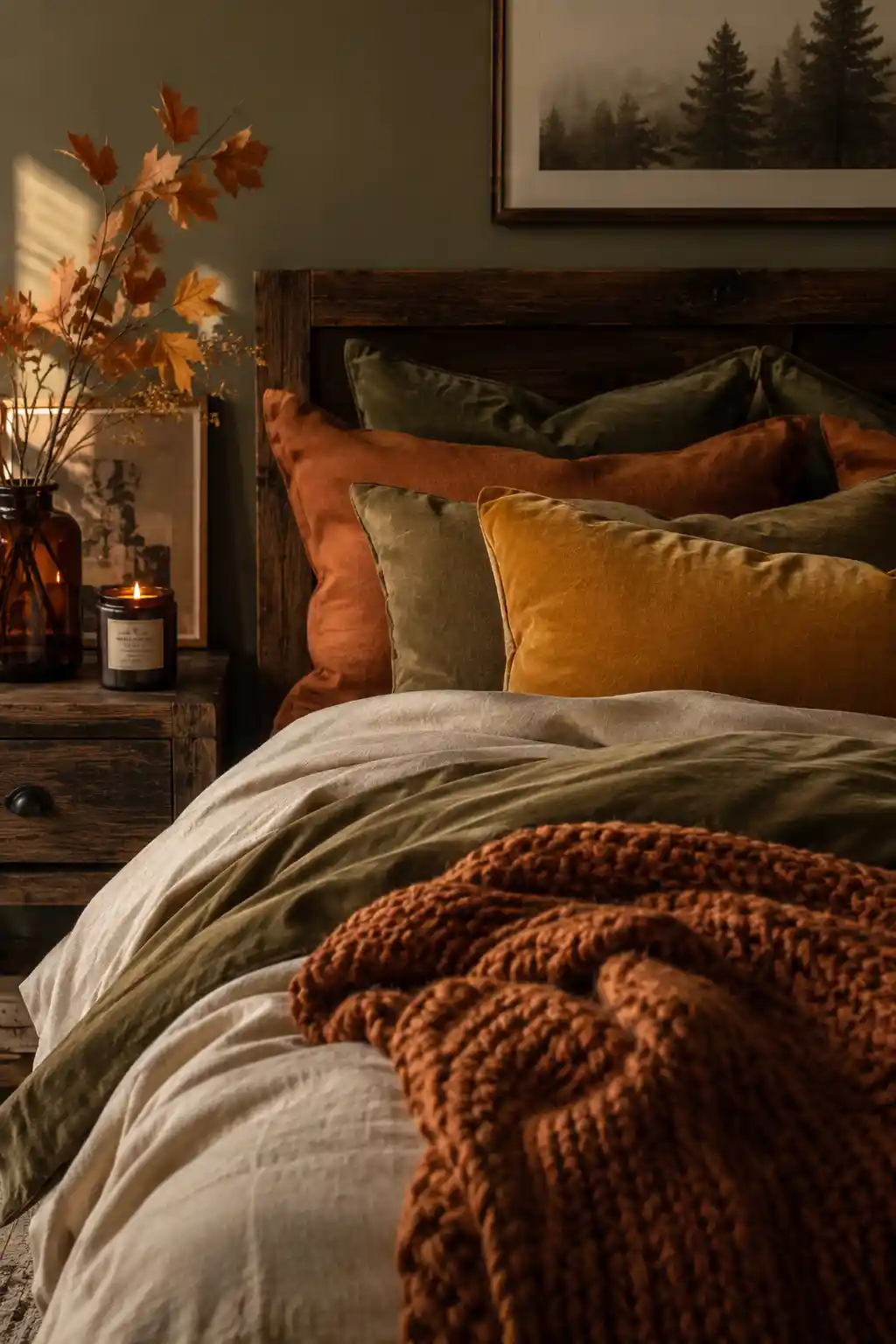
When the air turns crisp, transitioning your bedroom for autumn is all about maximizing the cozy factor. Start by replacing lightweight cotton sheets with warmer materials like brushed cotton or flannel. Layering is essential here; add a heavy chunky knit throw or a faux-fur blanket across the foot of the bed to create an inviting, cocoon-like feel. Shift your accent colors from bright summer hues to earthy tones like terracotta, burnt orange, or deep forest green. Finishing the transition with scent—such as cinnamon or sandalwood candles—instantly transforms the sensory experience of the room, making it the ultimate autumn sanctuary.
Bringing in the Light: Winter to Spring Refresh
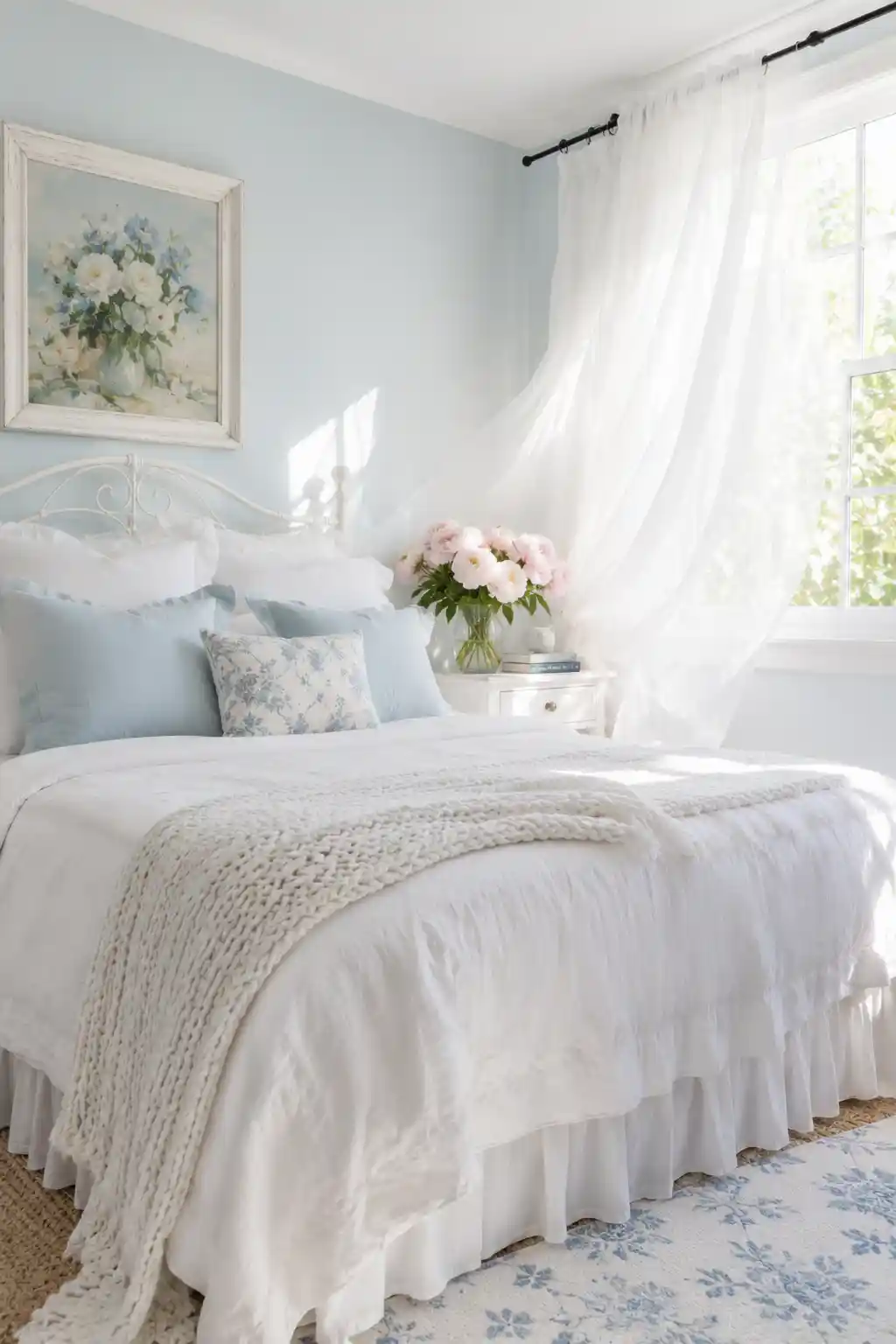
Spring is the perfect time to shed the heavy layers of winter and bring a sense of renewal into the bedroom. Begin by stripping away heavy duvets and replacing them with breathable, light-colored linens in shades of crisp white or soft pastel blue. To open up the space visually, swap heavy blackout drapes for light-filtering sheer panels that allow maximum sunlight to flood the room. Incorporating fresh floral arrangements or a few new potted plants brings the outdoors inside, improving air quality and adding a vibrant pop of life. This transition focuses on lightness and energy, helping you wake up feeling refreshed.
Shifting from Minimalist to Maximalist Expression
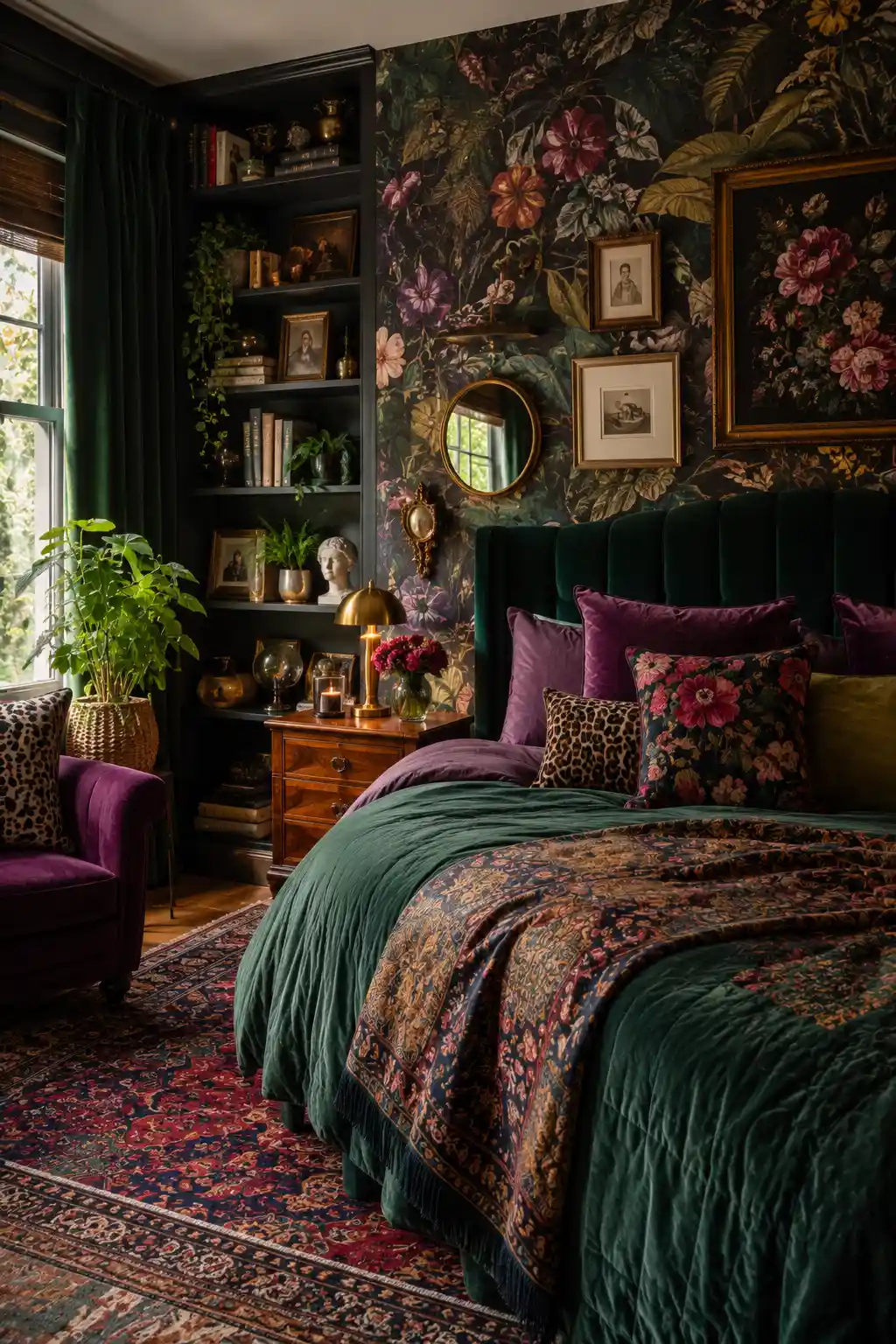
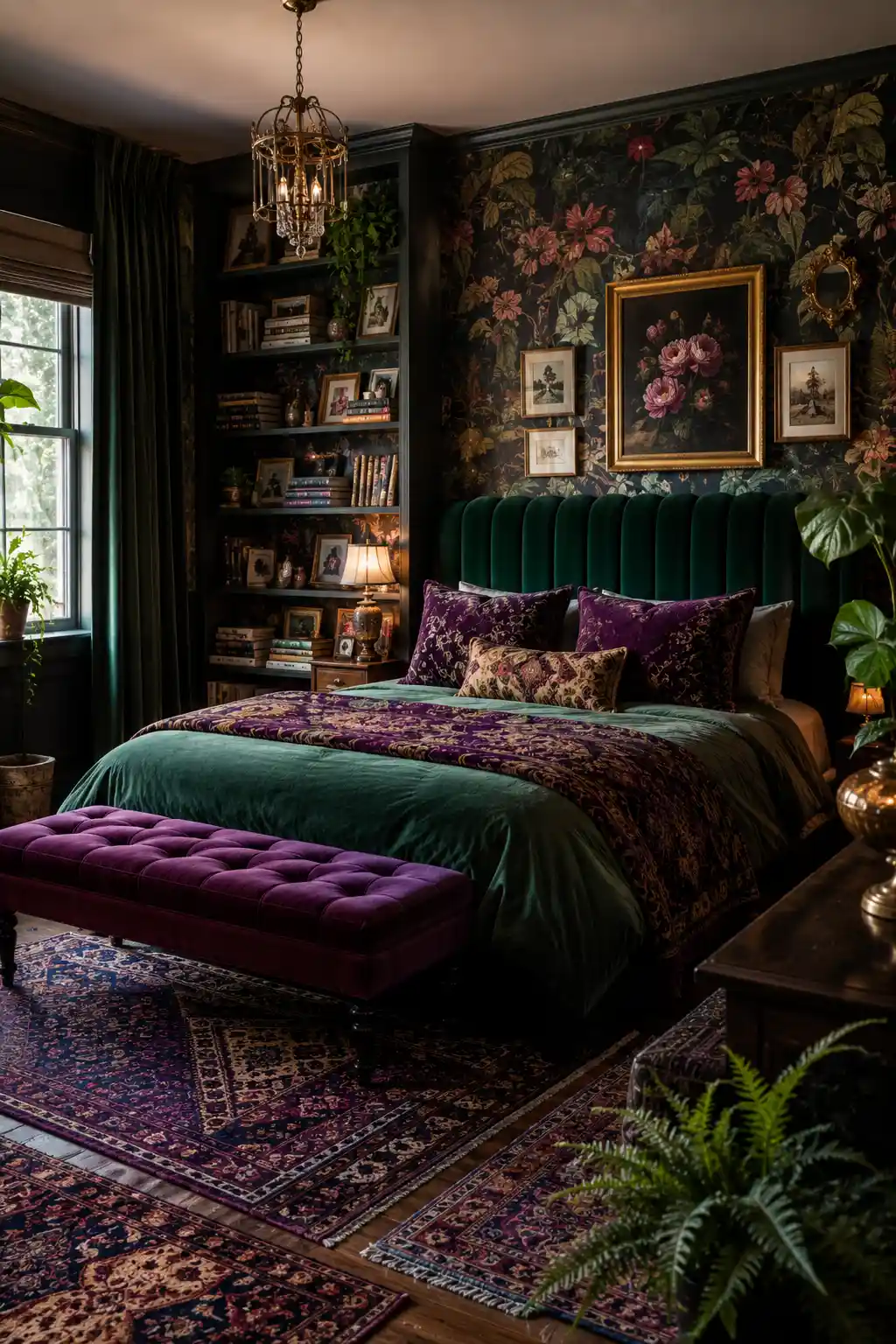
Moving from a minimalist aesthetic to a maximalist one is an exercise in personal storytelling. Instead of focusing on what to remove, focus on what to layer. Start by introducing a bold element, such as a vibrant patterned wallpaper or a saturated accent wall, to set the tone. Layer multiple rugs of varying patterns and sizes to add tactile depth to the flooring. Use open shelving to proudly display your collections of art, travel souvenirs, and favorite books. By mixing textures like velvet, silk, and wool in your bedding and pillows, you create a space that feels lived-in, curated, and bursting with creative energy.
Adding Timeless Appeal: Modern to Vintage Charm
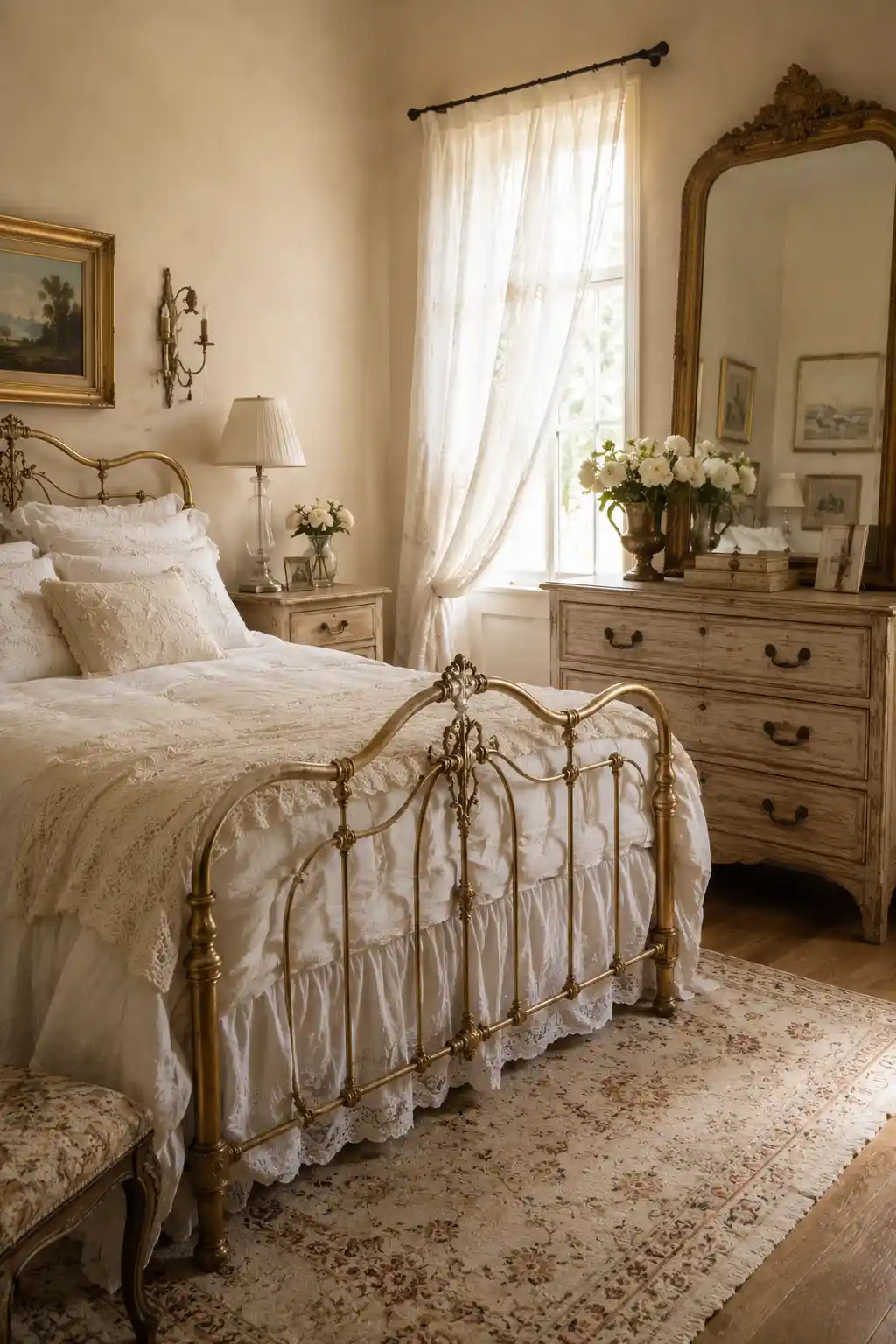
Transitioning a modern bedroom into a vintage-inspired sanctuary involves introducing pieces with history and character. Replace sleek, mass-produced furniture with a statement piece, such as a carved wooden headboard or an antique brass bed frame. To soften the look, incorporate traditional textiles like floral prints, toile, or delicate lace. Adding a weathered dresser or a vintage-style vanity mirror provides a sense of nostalgia and warmth that modern styles often lack. The key to this transition is mixing one or two authentic antique finds with comfortable modern essentials to ensure the room feels timeless rather than dated.
The Closet to Cloffice Space Optimization
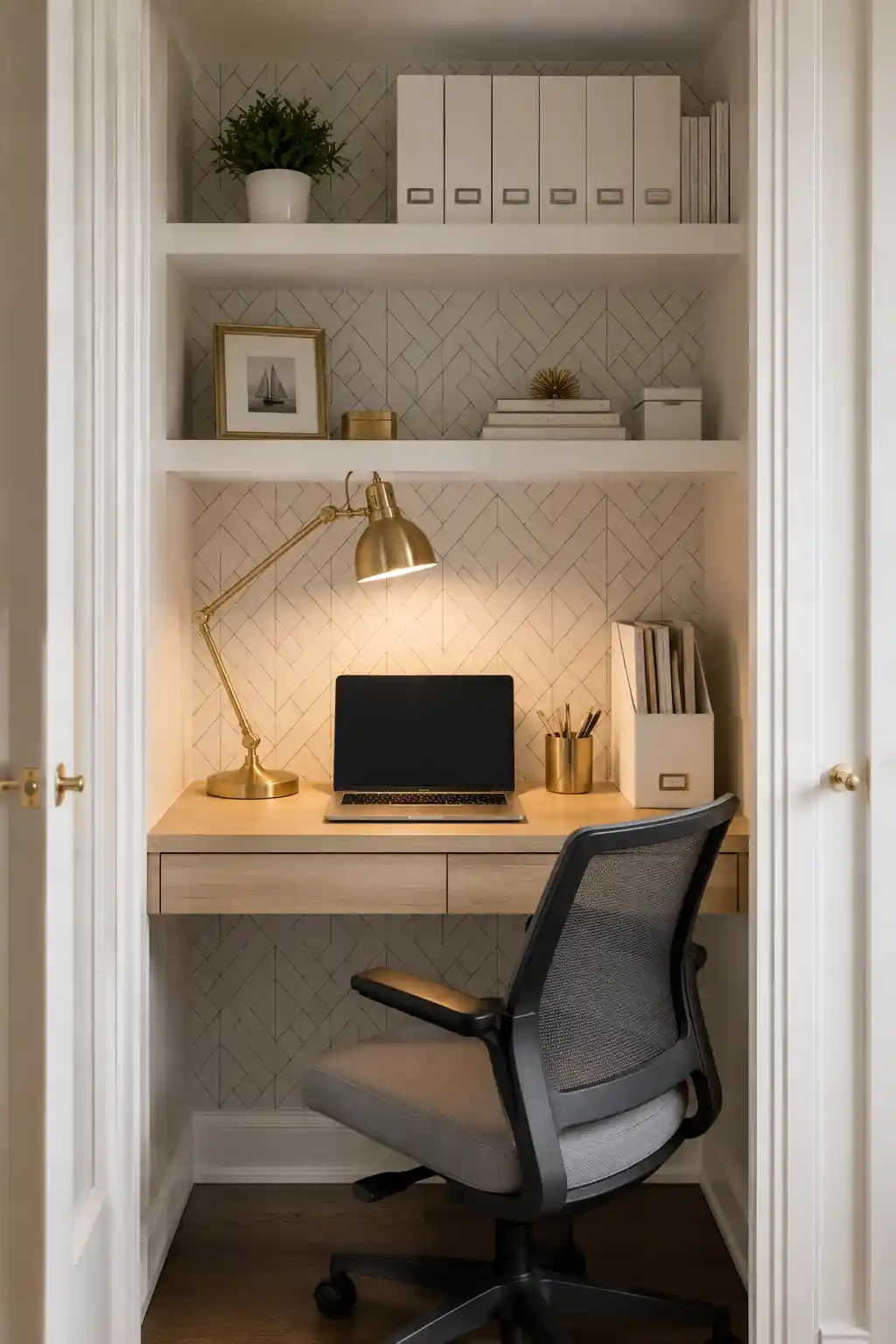
For those in smaller homes, the ‘cloffice’ transition is a brilliant way to carve out a dedicated workspace without sacrificing a whole room. By removing closet doors and installing a custom floating desk and shelving, you create a focused zone for productivity. Use a distinct wallpaper or a bold paint color inside the closet to visually separate the work area from the sleeping area. An ergonomic chair that can tuck completely under the desk keeps the walkway clear when the workday is over. This transition allows you to maintain a healthy boundary between your professional tasks and your place of rest.
Turning a Primary Bedroom into a Spa-Like Retreat
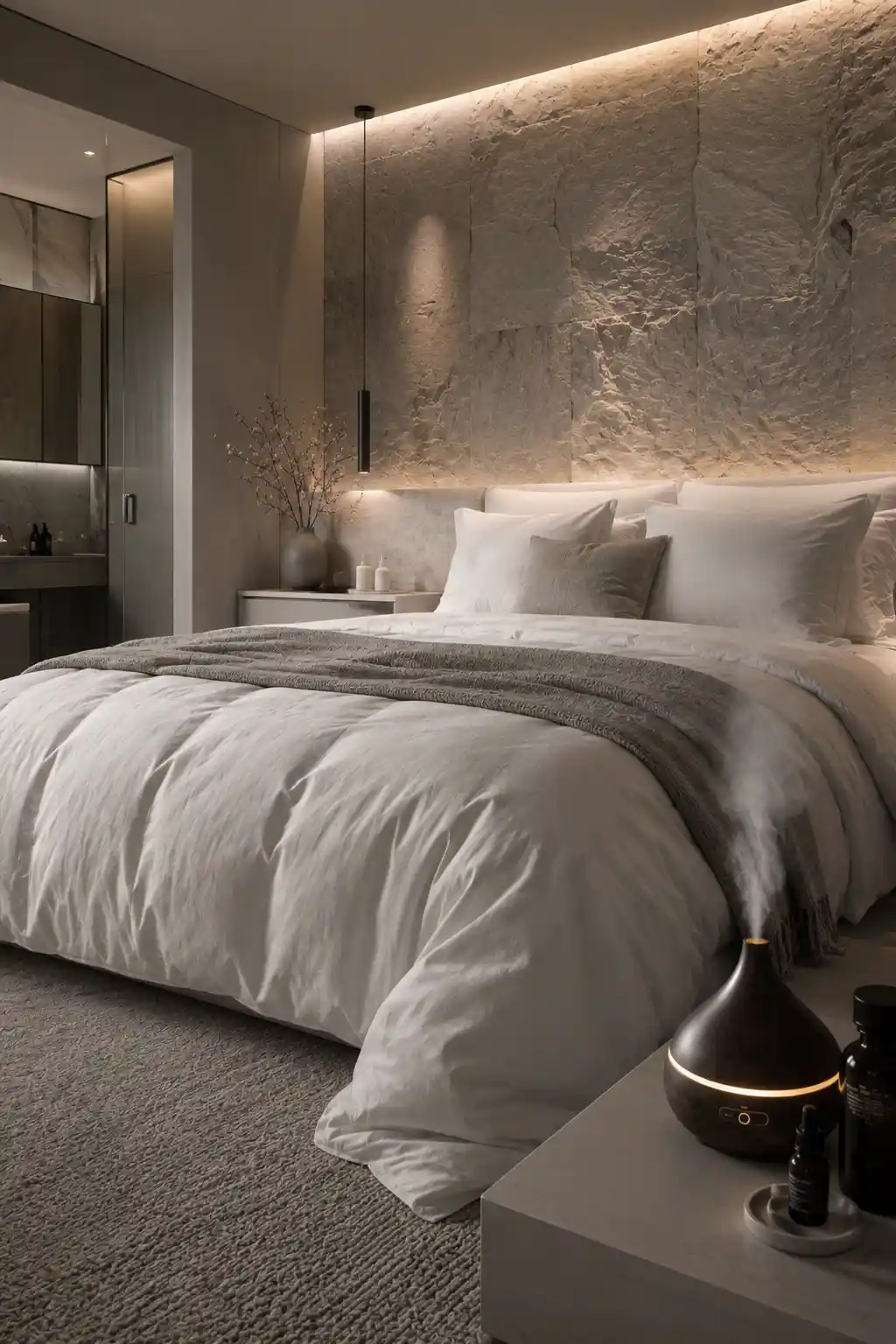
Transforming your primary bedroom into a relaxation suite is about prioritizing wellness and sensory tranquility. Start with a monochromatic color scheme in soft greys, whites, or muted blues to lower visual stress. Invest in high-end bedding, such as Egyptian cotton sheets and a weighted blanket, to enhance sleep quality. To complete the spa experience, create a small wellness corner featuring an essential oil diffuser and a comfortable meditation cushion. Soft, dimmable lighting is crucial here; using warm lamps instead of overhead fixtures helps signal to your brain that it is time to unwind and recover from the day.
Escaping the City: Urban to Coastal Style
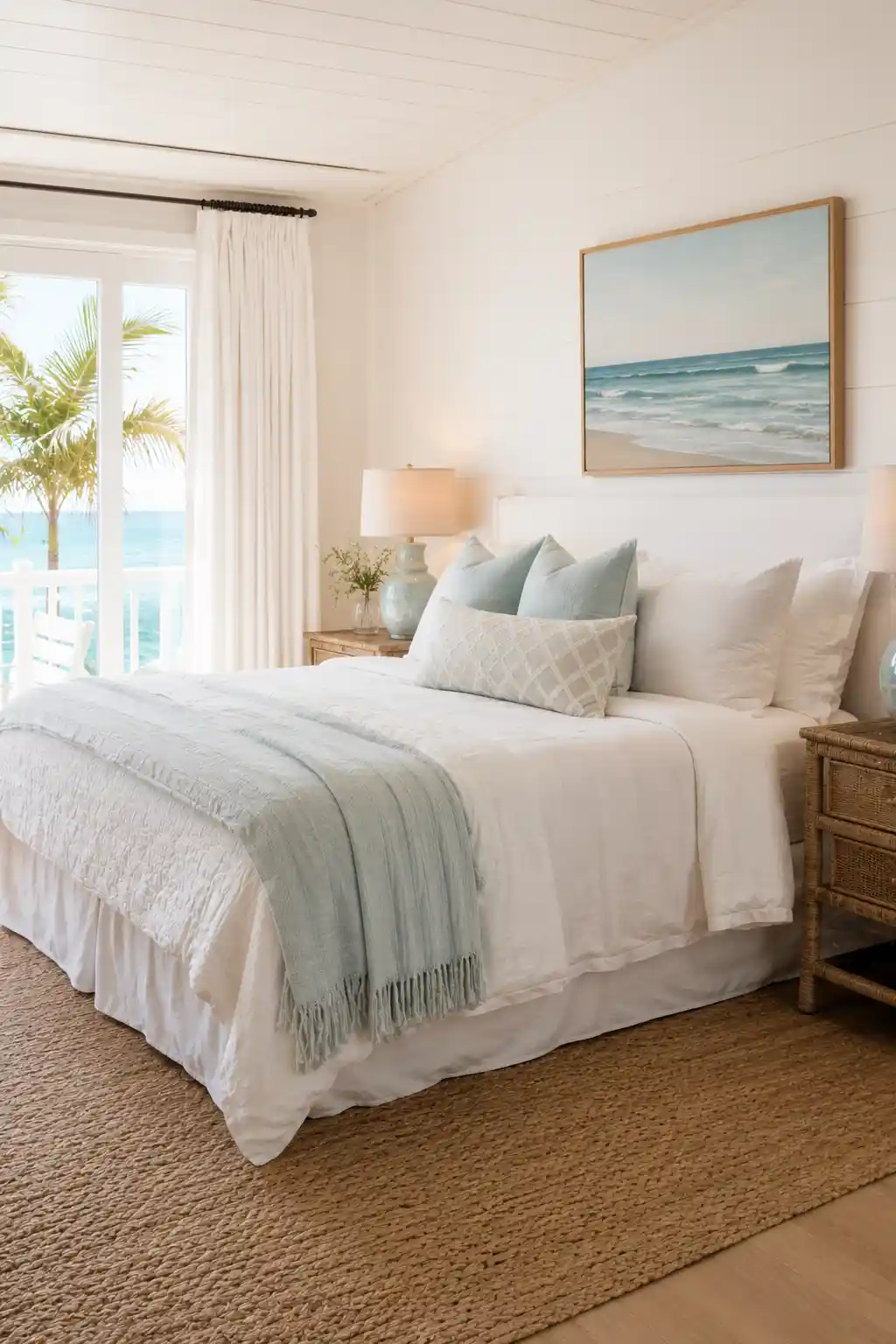
Bringing a coastal vibe into an urban bedroom is the perfect way to create a permanent vacation feel. Focus on a palette of sandy beiges, seafoam greens, and crisp whites to mimic the beach. Swap heavy, dark furniture for natural materials like rattan, jute, and light-toned woods. To add to the airy atmosphere, replace thick curtains with light linen drapes that catch the breeze. Subtle decorative accents, such as a piece of driftwood or a simple nautical print, can hint at the ocean without feeling like a themed hotel room, promoting a slower, more relaxed pace of life.
Bachelor Pad to Couple’s Harmonious Sanctuary
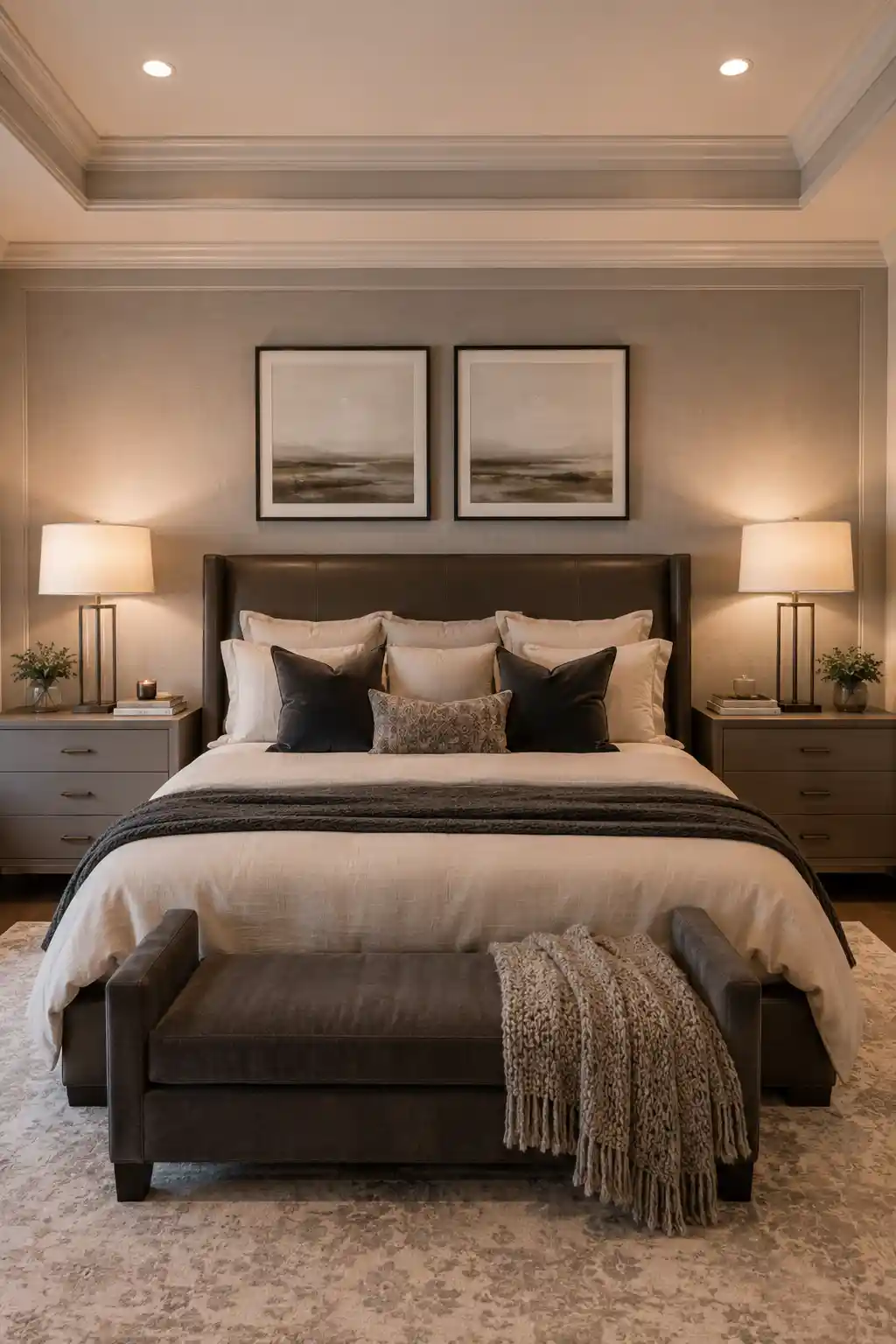
When a room transitions from a bachelor pad to a shared space, the goal is to find a harmonious balance between two different personalities. This usually begins with symmetrical updates, such as adding a second nightstand and balanced lighting on both sides of the bed. Choose a neutral aesthetic that appeals to both partners—perhaps pairing masculine leather accents with feminine velvet textures. Clearing out half the closet and introducing shared art or photos of your life together transforms the room from an individual’s space into a joint sanctuary. The result is a balanced environment that reflects a partnership through design.