
Designing a bedroom that transcends the fleeting nature of trends requires a shift in perspective from decorating to curating. While fast-fashion interiors offer immediate gratification, a truly timeless sanctuary is built on the foundation of quality materials, balanced proportions, and a cohesive color story. By focusing on elements that evoke a sense of permanence and calm, you can create a space that feels just as sophisticated ten years from now as it does today. Let’s explore thirty refined approaches to achieving an enduring, high-end bedroom aesthetic.
The Sophistication of Warm Neutrals
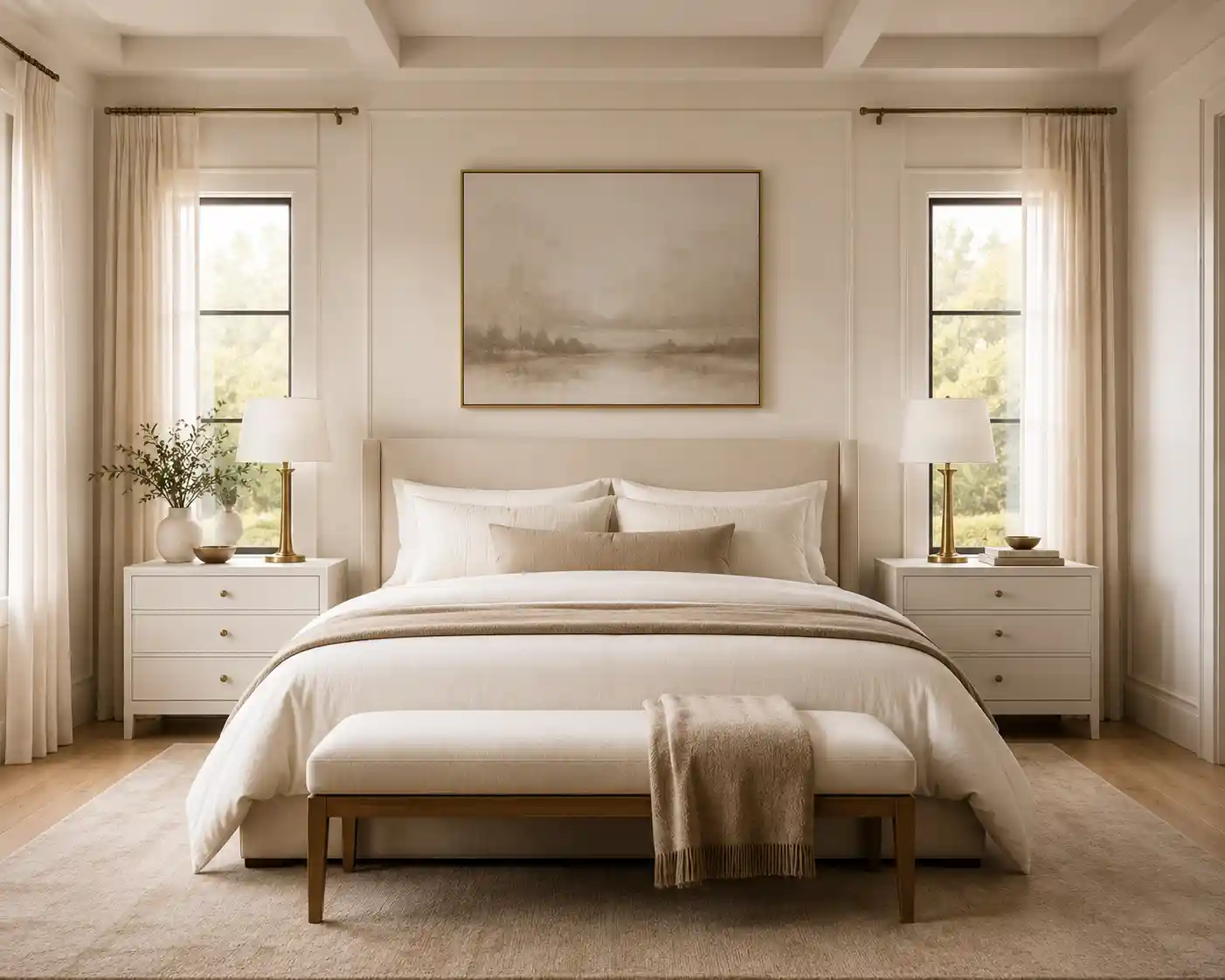
Creating a timeless space often begins with a foundation of warm neutrals. Rather than opting for a stark, clinical white, look toward tones like sand, oatmeal, and muted taupe. These colors provide a psychological sense of warmth and stability that never goes out of style. To prevent the room from feeling flat, the key is to layer different shades of the same family. Combine a light cream wall with a slightly deeper taupe area rug and ivory linens, creating a sophisticated gradient that feels curated and intentional rather than accidental.
Subtle Brushed Gold Accents
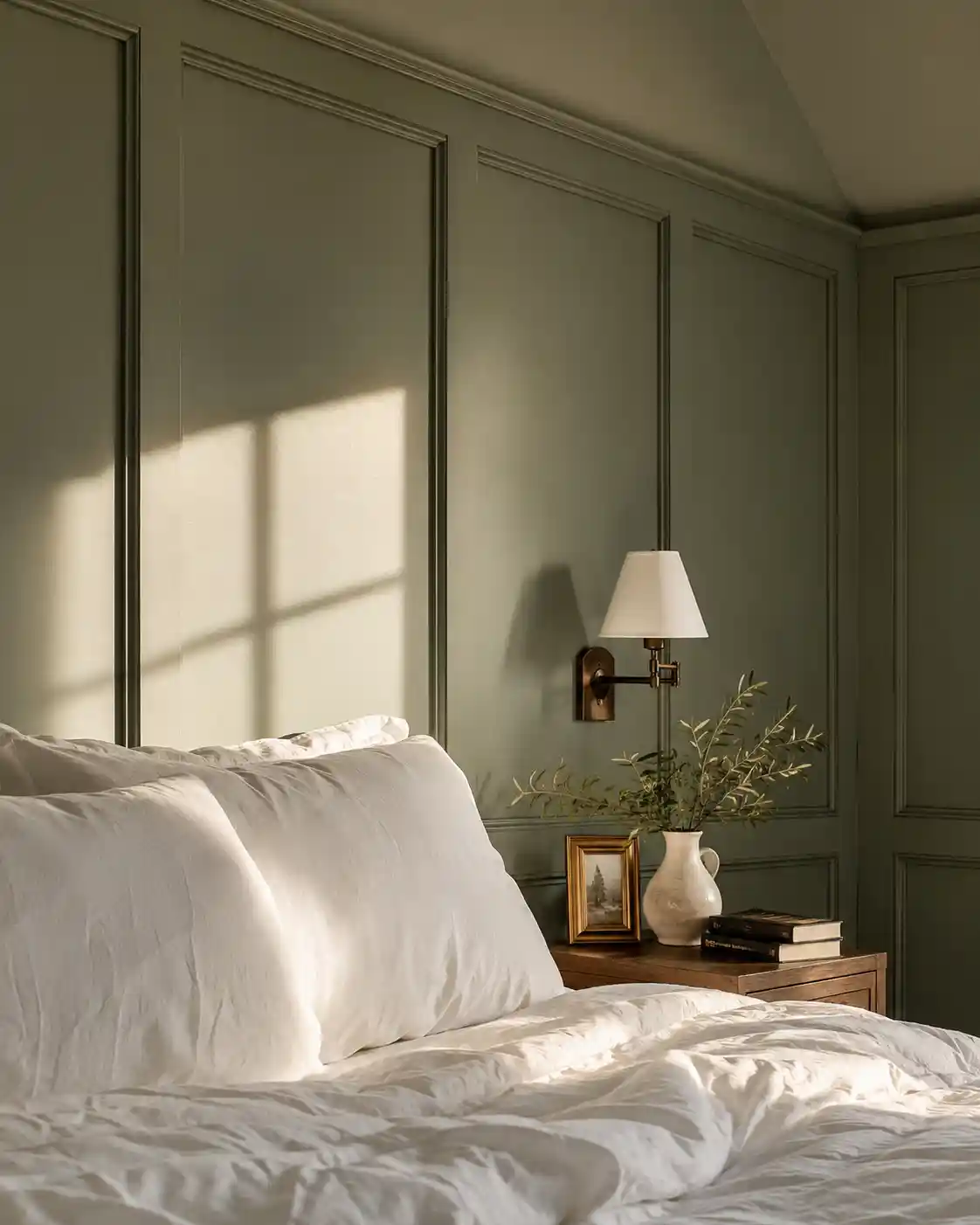
Metal accents can either make a room feel dated or timeless, depending entirely on the finish. While high-shine chrome or polished gold can sometimes feel overly trendy or gaudy, brushed or matte gold offers a subdued elegance. Incorporate these accents through lighting fixtures, drawer pulls, or a slim bedside tray. The matte finish diffuses light rather than reflecting it harshly, which adds a layer of softness to the room’s overall atmosphere and provides a luxurious point of contrast against neutral fabrics.
Blending Vintage Glamour with Modernity
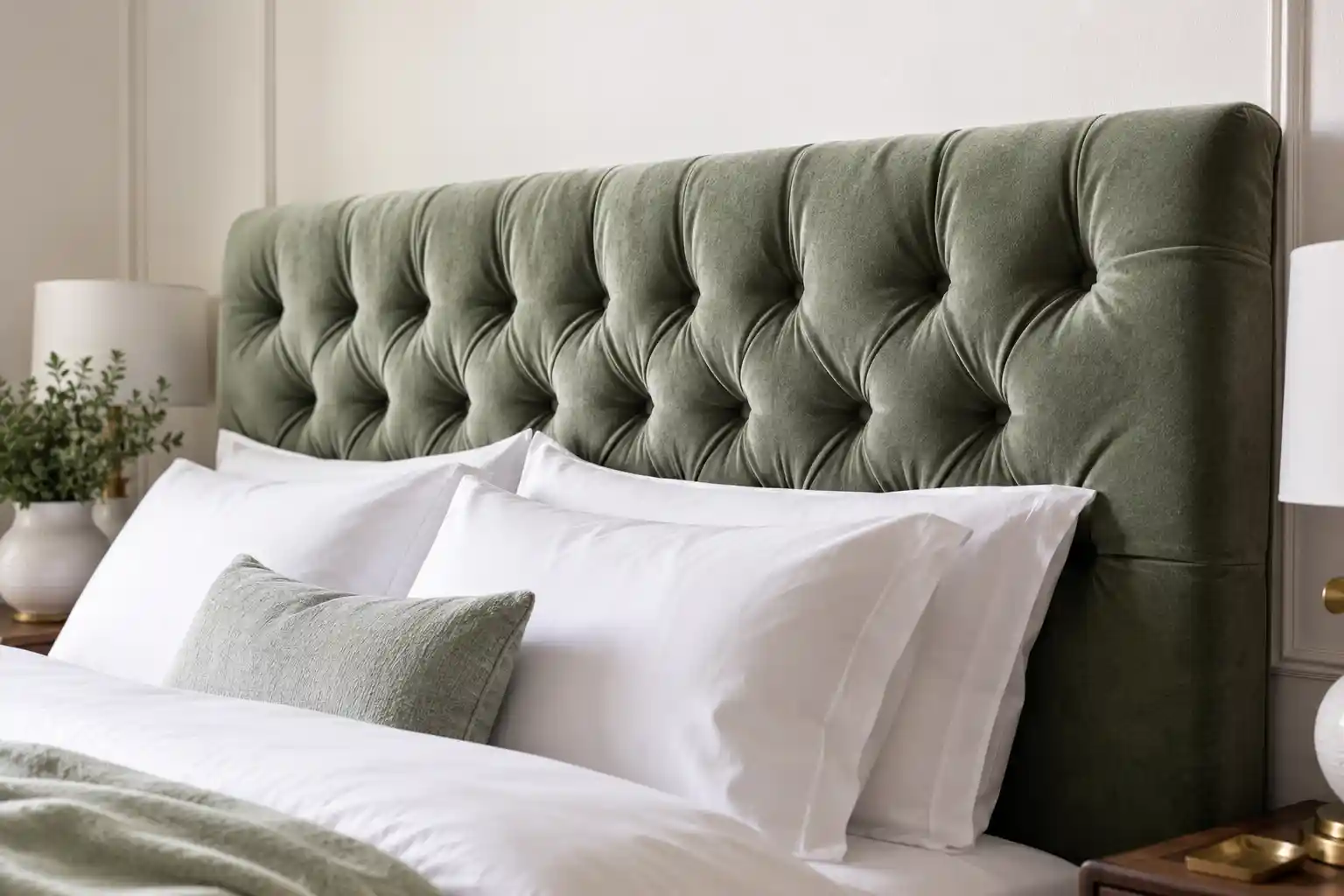
The secret to a timeless bedroom is often found in the tension between different eras. By pairing a vintage-inspired piece, such as a plush tufted velvet headboard or a gilded antique mirror, with clean-lined modern furniture, you avoid the feeling of a themed room. This juxtaposition creates a balanced aesthetic where the ornate details are grounded by minimalism. This approach allows you to incorporate heirloom pieces without making the space feel like a museum, ensuring the design remains fresh and relevant.
Zen-Inspired Minimalist Sanctuaries
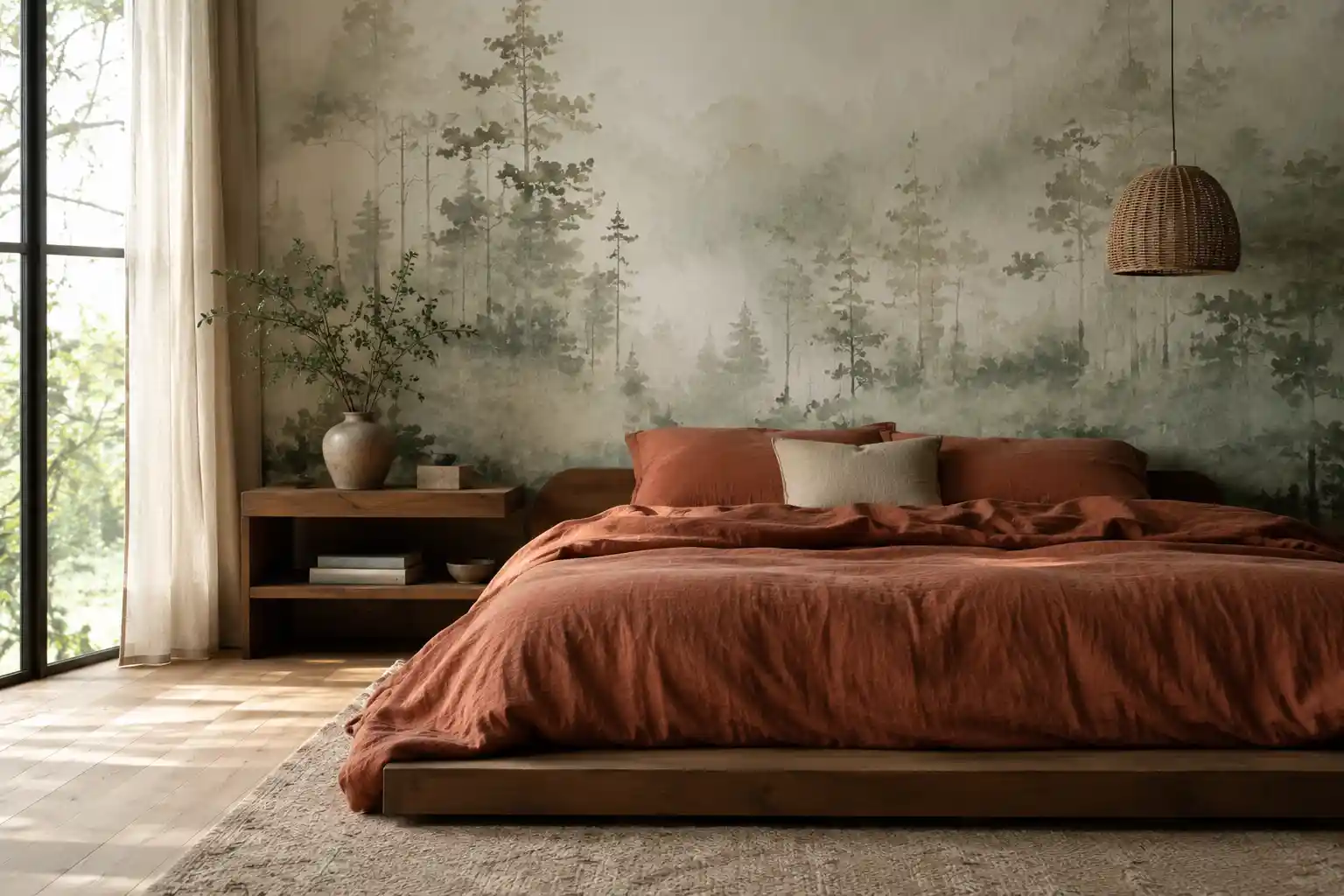
True minimalism isn’t about having the fewest items possible, but about ensuring every piece has a purpose and a soul. For a timeless Zen retreat, focus on raw, honest materials. A low-profile platform bed made of light-toned solid oak brings an earthy grounding to the room. Pair this with organic cotton sheets that embrace a natural, slightly rumpled texture. By keeping the decor sparse and focusing on the quality of the materials, you create a space that breathes and promotes mental clarity.
The Classic Navy and White Palette
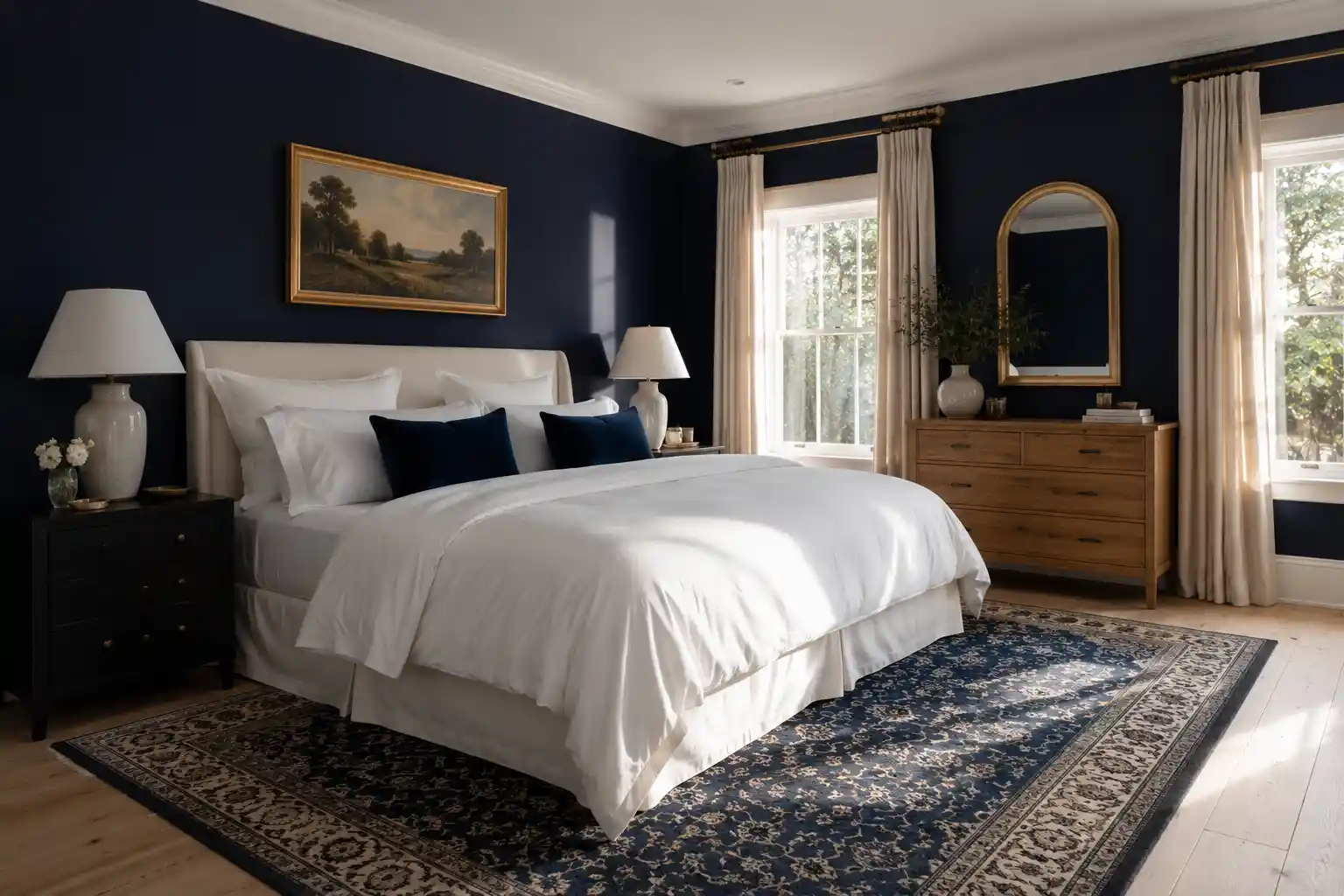
Navy and white is a color combination that has remained a staple of high-end design for centuries because it mirrors the natural horizon. To execute this look with a timeless feel, use the colors strategically to manage the room’s visual weight. Deep navy works best on the lower third of the room—think rugs and heavy textiles—to ground the space. Meanwhile, crisp whites and soft alabasters on the walls and ceiling bounce natural light, preventing the dark tones from making the room feel enclosed.
Adding Depth with Jewel-Toned Velvet
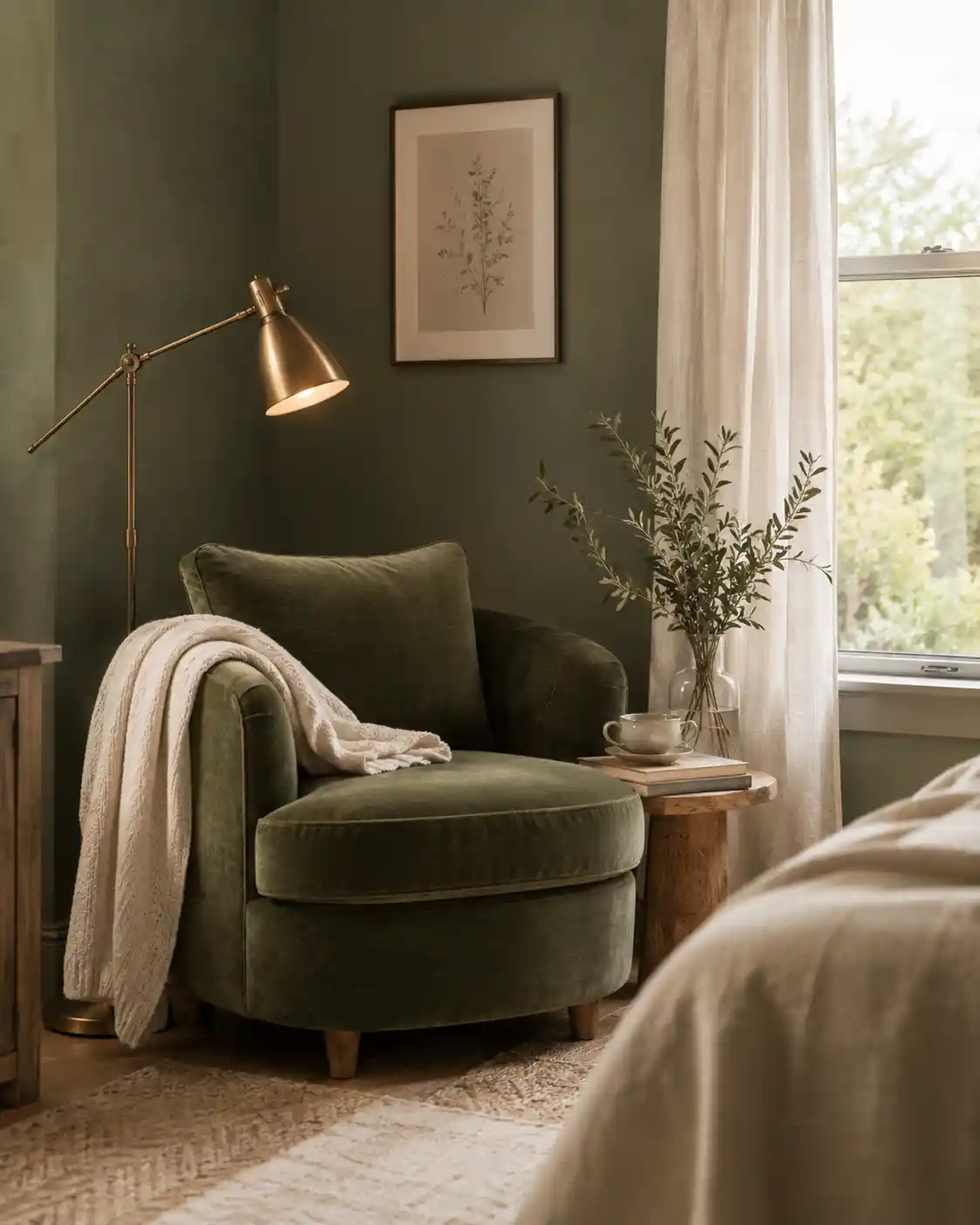
Texture is the hidden ingredient that transforms a flat room into a multidimensional experience. Velvet is particularly effective because of its unique ability to absorb and reflect light, creating deep shadows and luminous highlights. To keep the look classy, use jewel tones like emerald, sapphire, or amethyst as accent colors. Rather than overwhelming the room, introduce one significant velvet element—such as heavy drapery or a single statement chair—to break up the matte surfaces of the walls and cotton bedding.
High-Contrast Monochrome Elegance
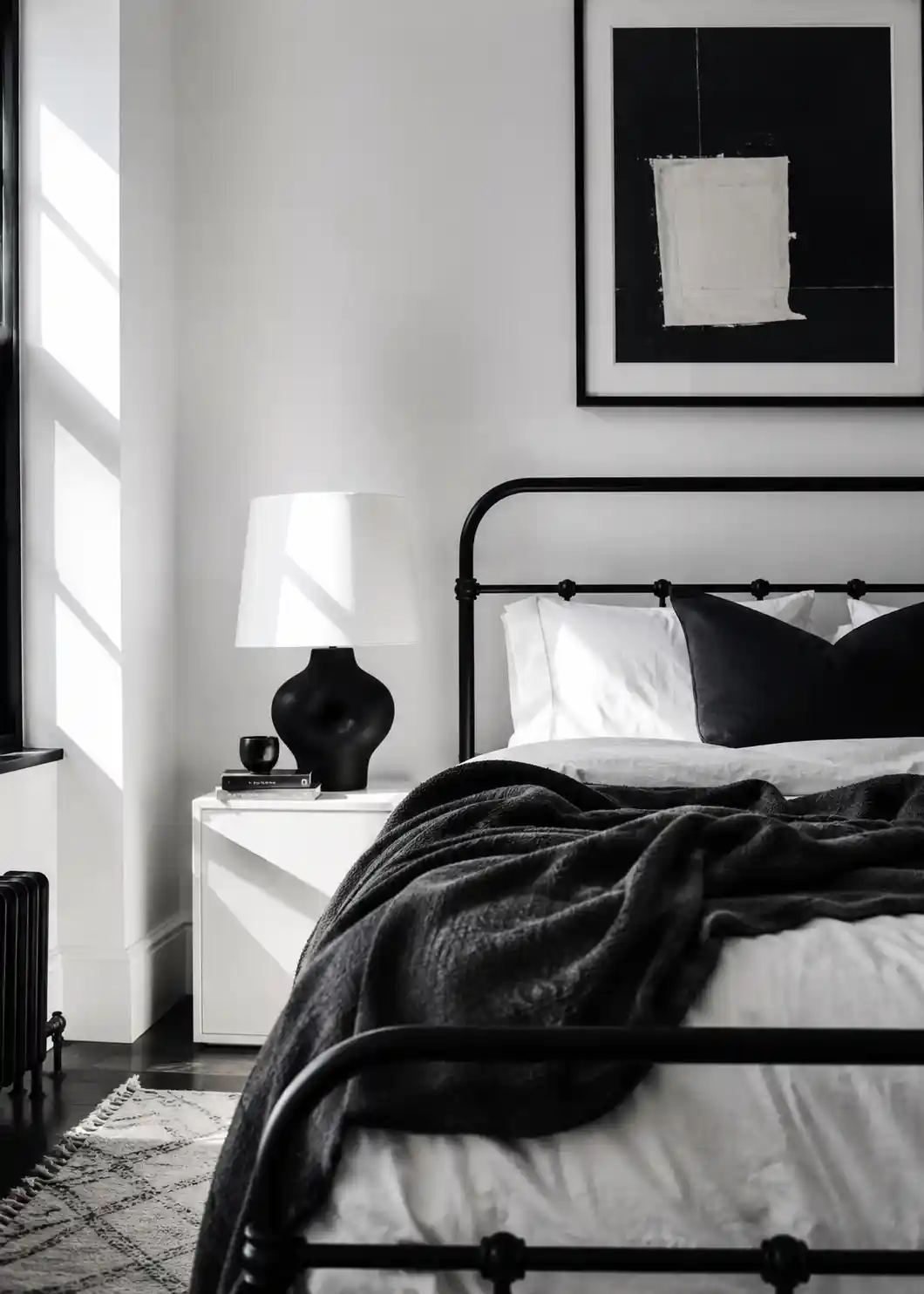
A monochromatic black-and-white palette is an editorial statement that remains immune to trends. The danger with this high-contrast approach is that it can feel cold or clinical. To soften the aesthetic, introduce organic shapes and varied textures. An asymmetrical ceramic lamp, a softly draped charcoal throw, or a round plush rug can break the harsh lines of the black and white contrast. This balance ensures the room feels like a sophisticated retreat rather than a sterile gallery space.
Refined Rustic with Clean Silhouettes
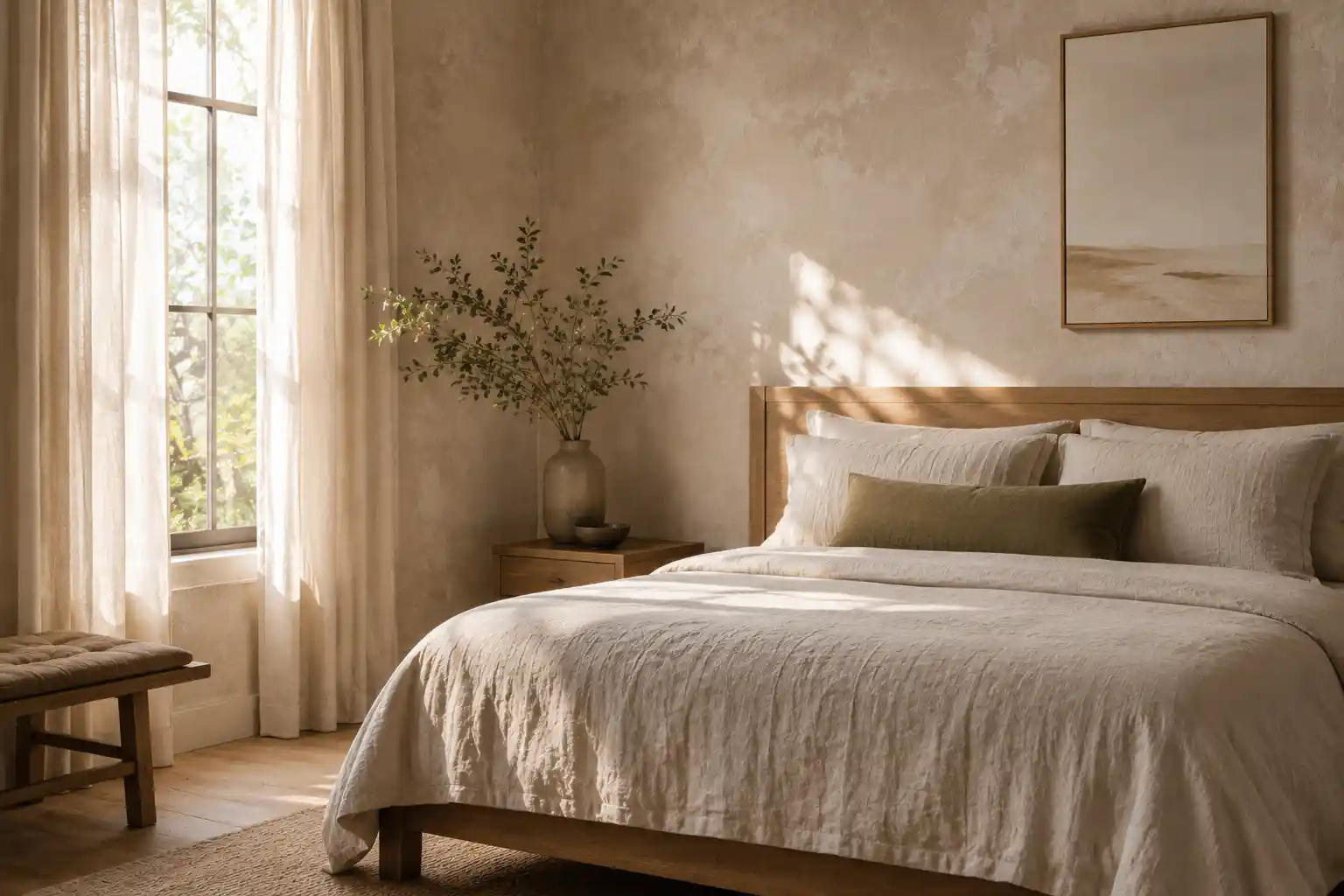
Rustic design can easily slide into being too casual for a primary suite, but the key is to refine the silhouettes. By combining the ruggedness of reclaimed wood—such as a raw-edge bench or a chunky wooden beam—with the polish of high-thread-count white linens and a slender iron chandelier, you create a ‘refined rustic’ look. This intersection of the raw and the polished evokes a sense of timeless countryside luxury that feels grounded yet impeccably curated.
Muted Pastels for Visual Serenity
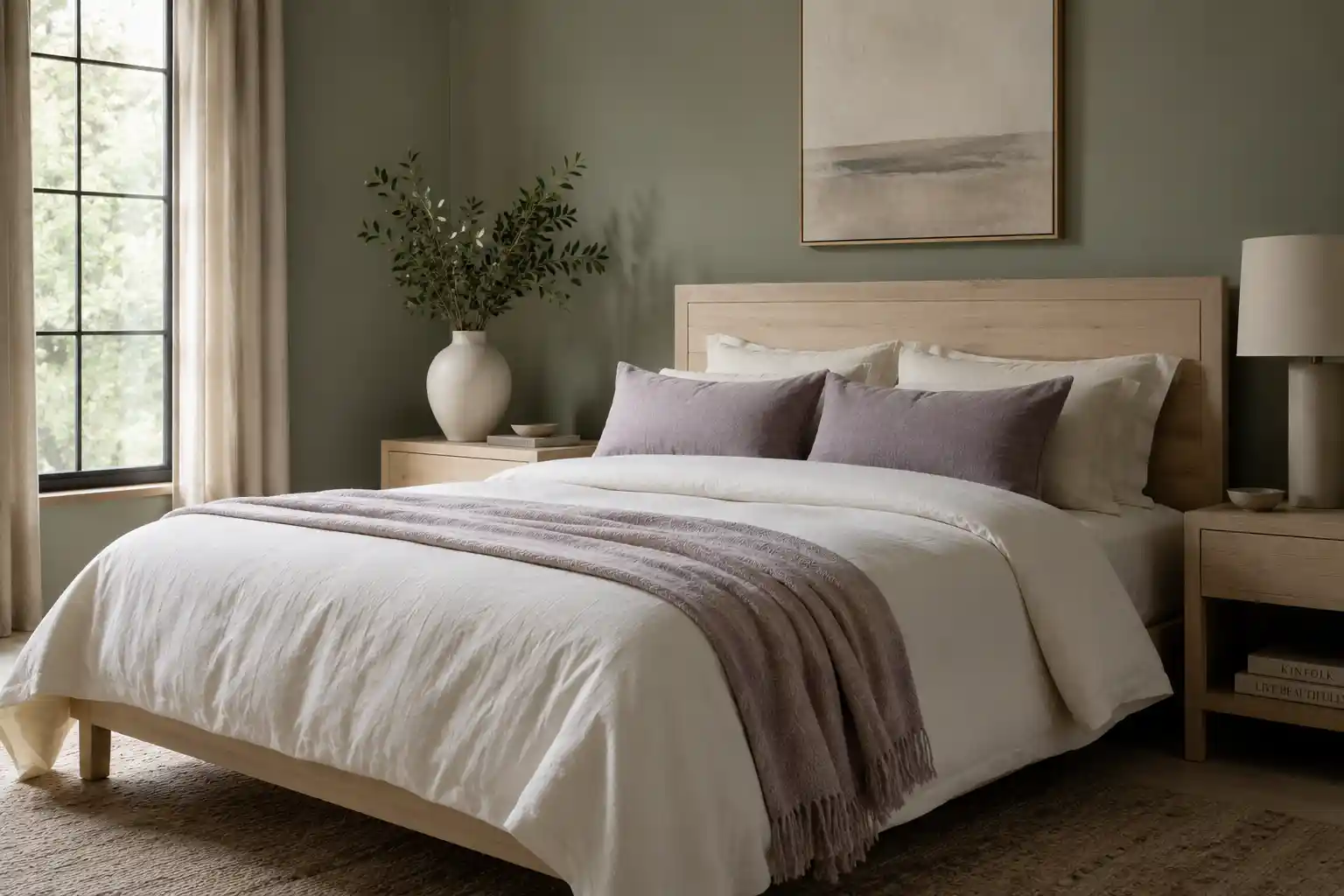
Pastels can often feel juvenile, but the adult version of this palette relies on gray and brown undertones. Instead of bright pinks or baby blues, opt for sage green, dusty lavender, or faded terracotta. These muted tones provide just enough pigment to give the room a distinct identity without overstimulating the senses. They pair exceptionally well with light-toned woods like ash or white oak, creating a soft, ethereal environment that encourages deep relaxation and sleep.
The Art of Monochromatic Layering
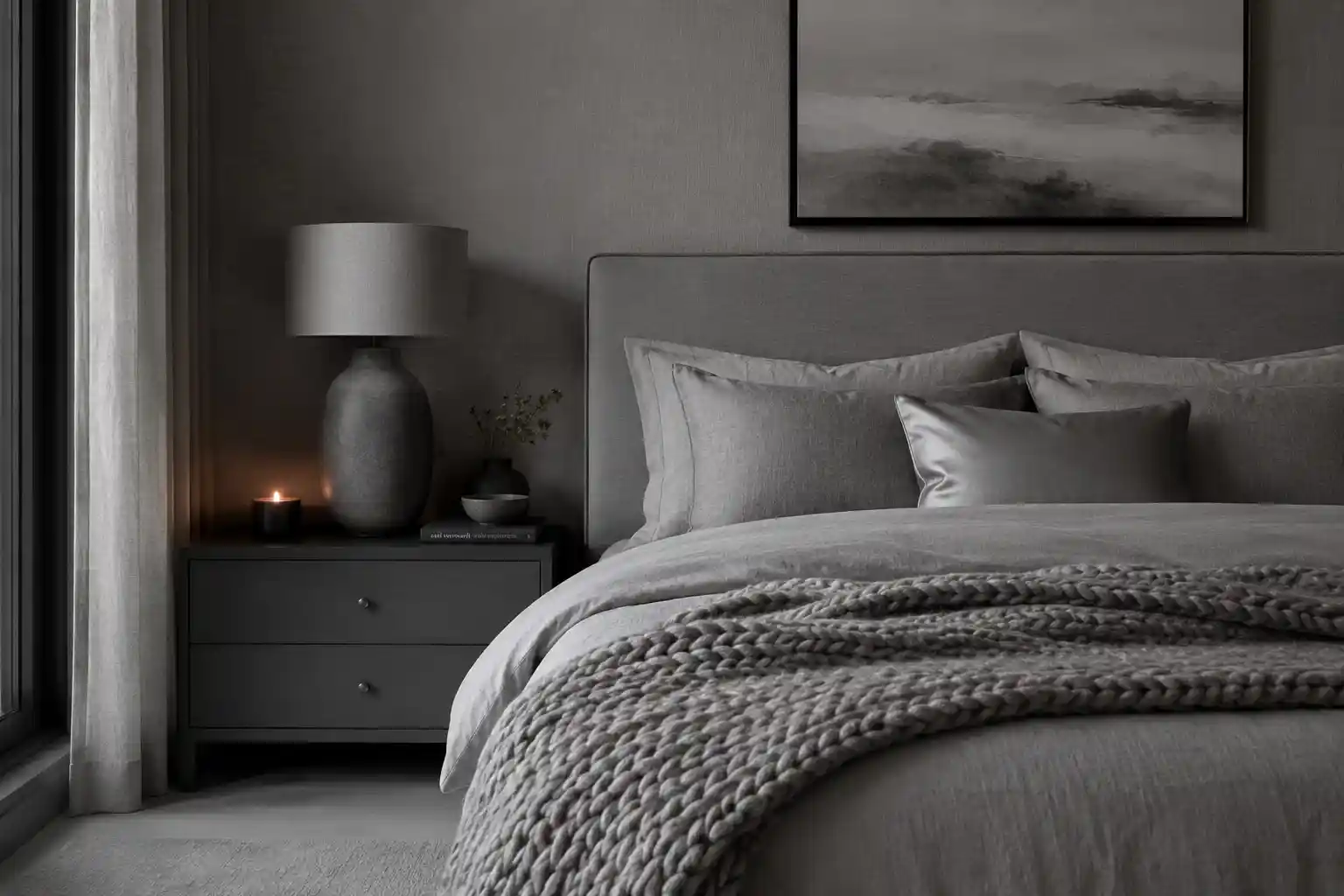
Monochromatic design is more than just using one color; it is about exploring the different ways that color interacts with various materials. To prevent a single-color room from looking flat, you must vary the textures. Combine a linen wall covering with a heavy wool knit throw, a silk accent pillow, and a matte painted ceiling. Even though the color remains consistent, the way light hits the silk versus the wool provides all the visual interest the room needs to feel rich.
The Scandinavian Approach to Light
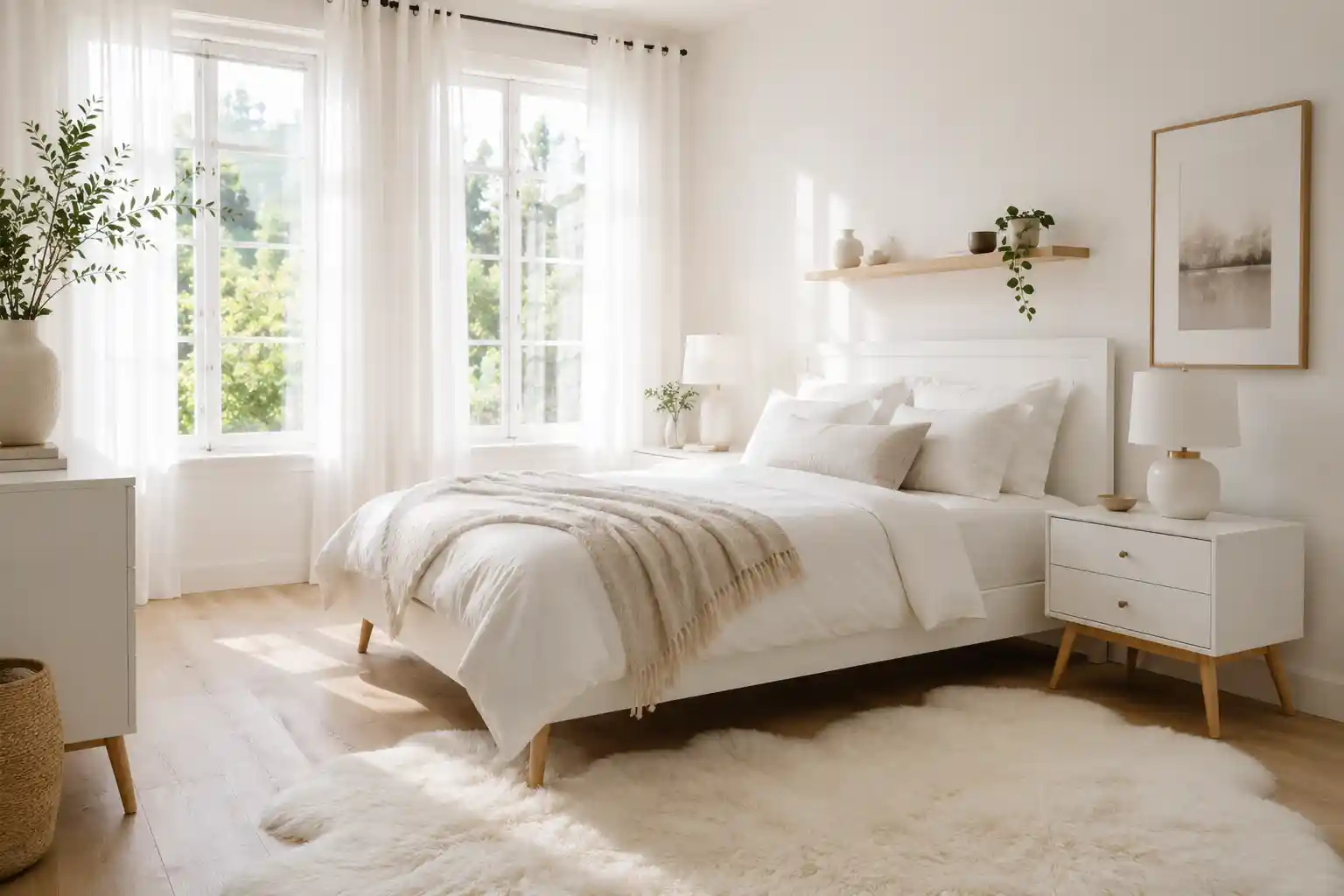
Scandinavian design is rooted in a deep appreciation for light and utility. To bring this timeless aesthetic home, prioritize furniture with exposed legs, which allows the eye to see more of the floor and creates an illusion of openness. Maximize natural light by using sheer window treatments that diffuse the sun without blocking it. To prevent the white-on-white palette from feeling cold, add heavy, tactile elements like a chunky wool rug or a genuine sheepskin throw to ground the space.
Architectural Modern Canopy Beds
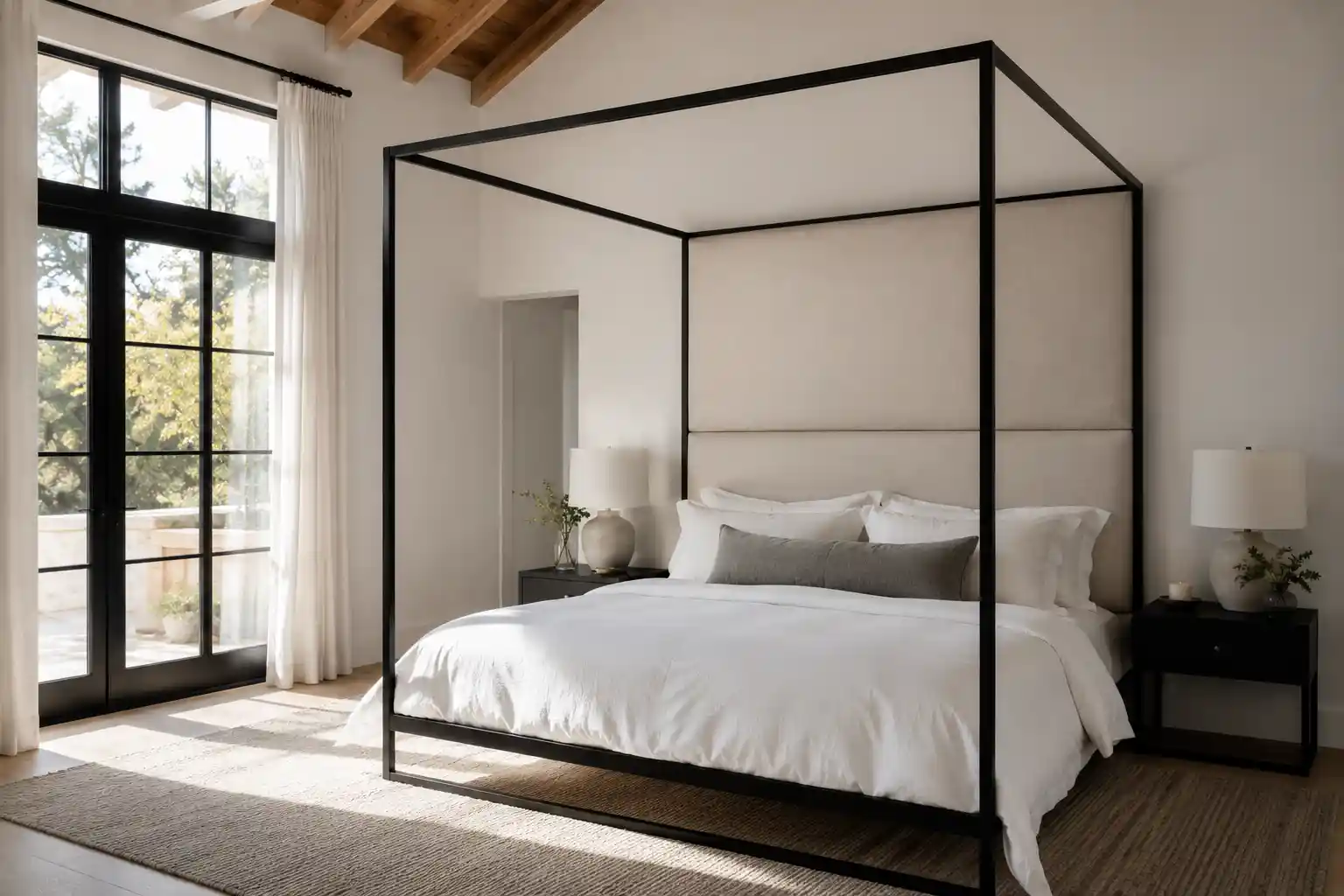
The traditional canopy bed was once a heavy, curtained structure designed for warmth. The modern evolution uses thin, architectural black steel frames that outline the bed like a piece of sculpture. This design defines the volume of the room and creates a ‘room within a room’ feeling without blocking sightlines or making a small bedroom feel cramped. It adds a layer of structural sophistication that feels contemporary yet references a classic furniture silhouette.
Artisanal Lime Wash and Clay Walls
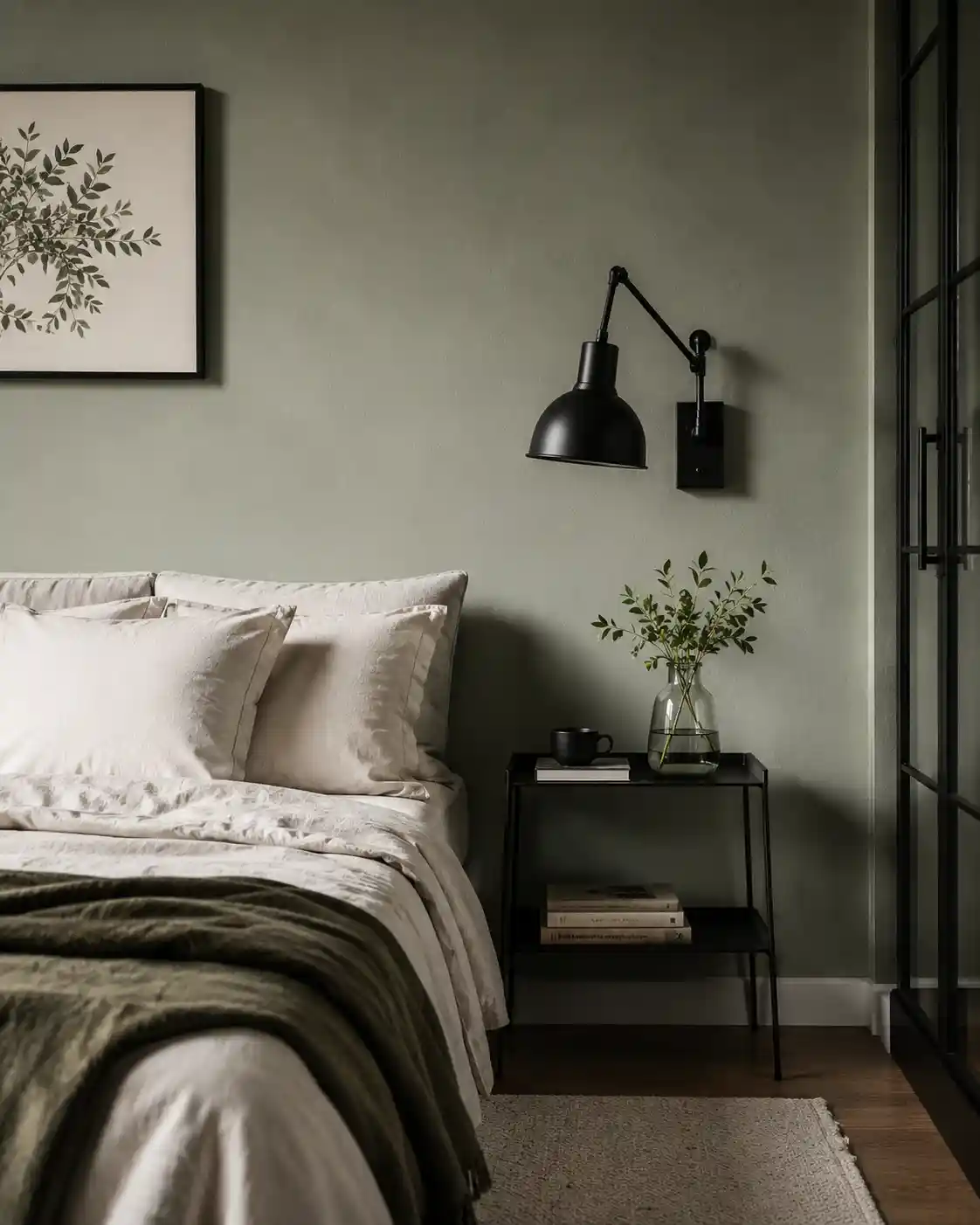
Moving away from flat latex paint can immediately add historical weight and luxury to a bedroom. Artisanal finishes like lime wash, Roman clay, or grasscloth wallpaper introduce a living quality to the walls. These treatments create a subtle, mottled texture that catches the light differently throughout the day, adding an organic depth that standard paint cannot replicate. This approach makes a new construction home feel as though it has a storied, enduring history.
Subtle Biophilic Integration
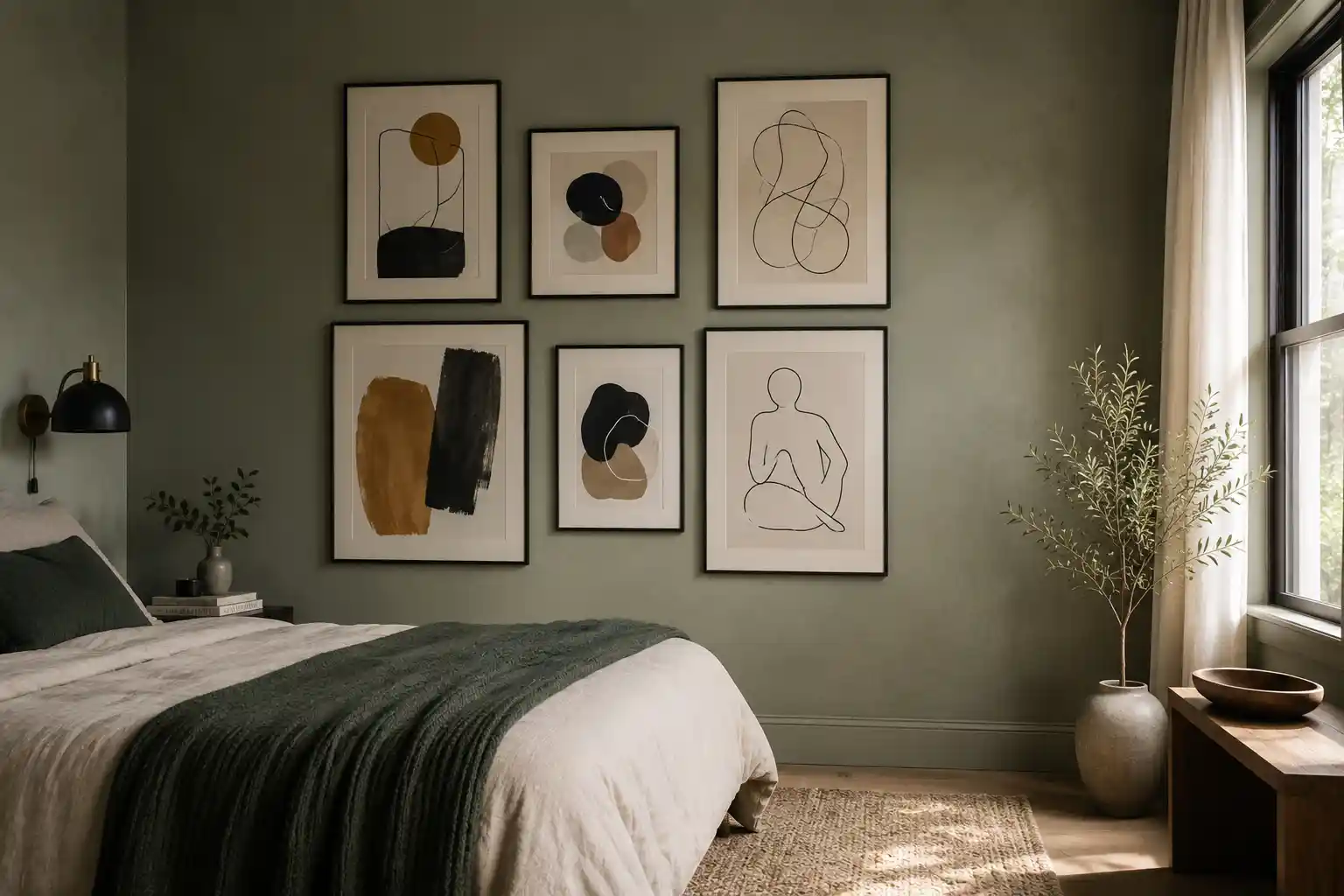
Bringing the outdoors in is a timeless design principle that improves well-being. However, for a classy look, avoid cluttered plant collections. Instead, focus on a few high-impact, authentic elements. A single, well-placed olive tree in a handmade terracotta pot or a large vase of dried eucalyptus branches creates a sophisticated connection to nature. Pair these with furniture that showcases the natural, unblemished grain of the wood to enhance the organic, grounding feel of the room.
Strategic Statement Lighting Scale
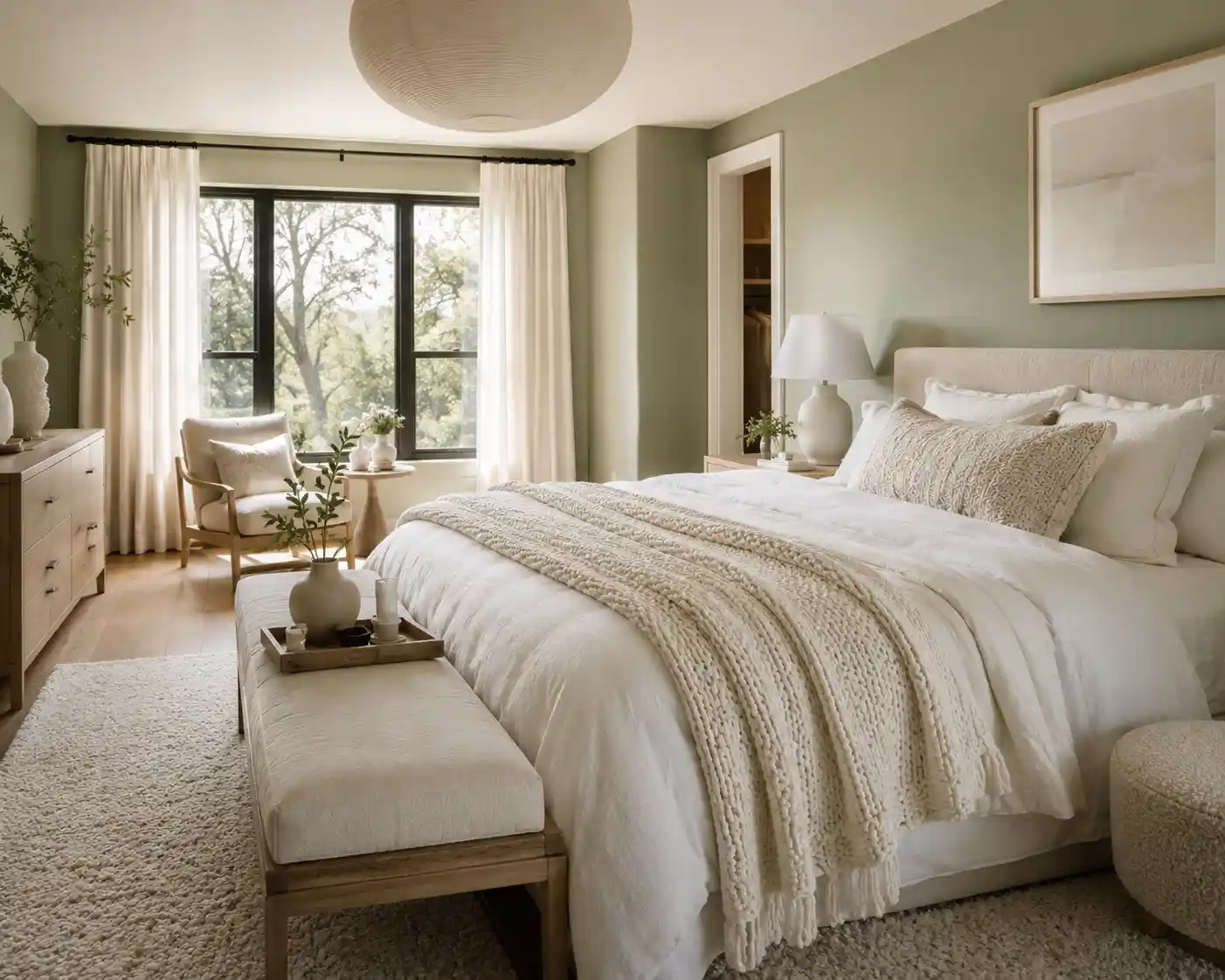
Lighting is often an afterthought, but its scale is critical to the room’s composition. A lighting fixture that is too small looks timid and accidental, while an oversized pendant light establishes a sense of confidence and control. Whether you choose a massive paper bubble lamp for a soft glow or a bold mid-century brass arm for a reading nook, let the fixture act as the exclamation point of the room. The goal is to create a focal point that balances the scale of the bed.
Quiet Patterns and Tailored Weaves
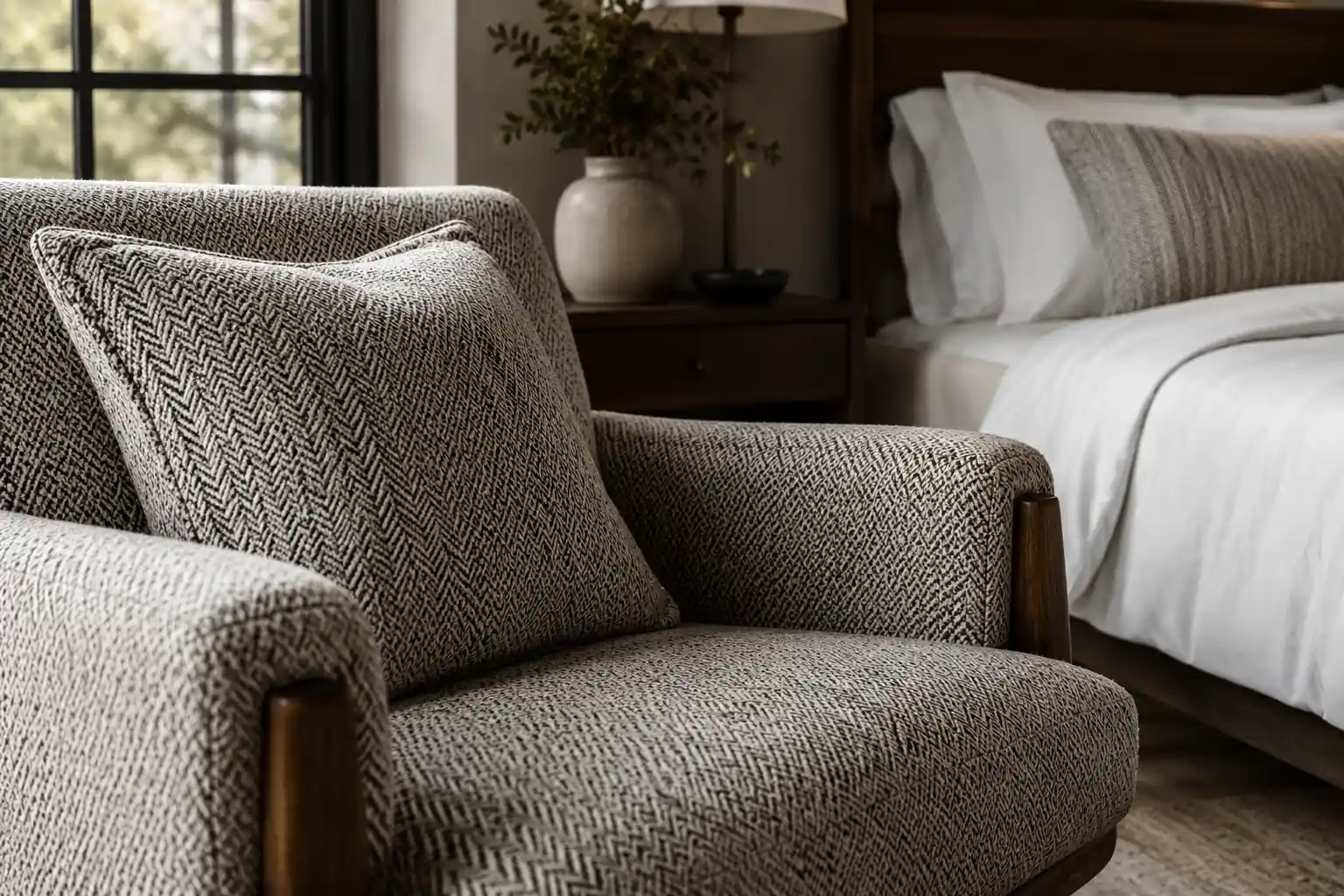
Patterns don’t have to be loud to be effective. To maintain a timeless style, look for ‘quiet’ patterns—those with low contrast and historical roots. A subtle herringbone weave, a muted damask, or a soft cream-and-charcoal stripe adds a layer of tailored storytelling without overwhelming the senses. The best way to implement these is on secondary elements, such as an upholstered accent chair or pillow shams, keeping the primary surfaces clean and calm.
The Curated Eclectic Mix
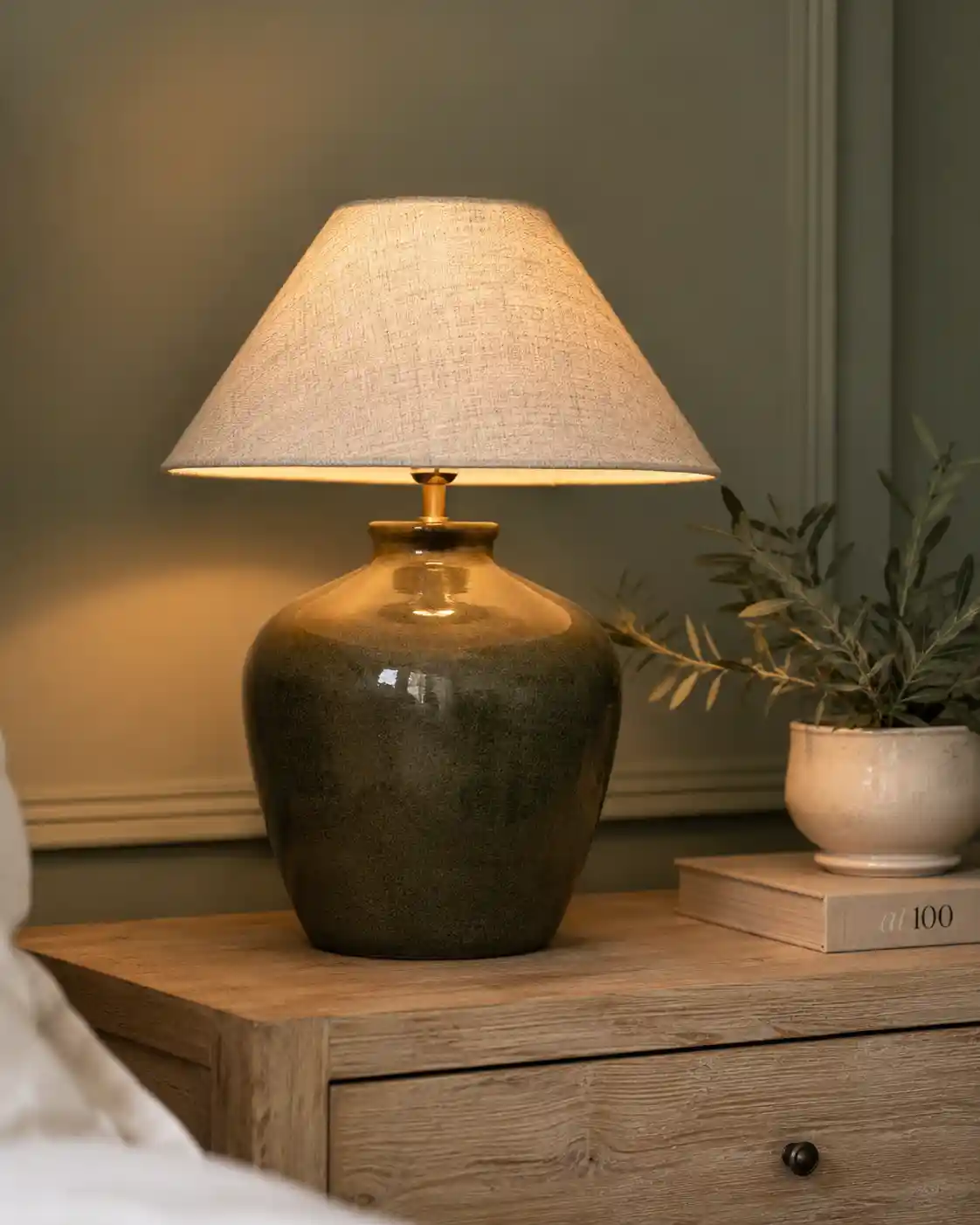
The most interesting rooms feel as though they were collected over a lifetime rather than purchased from a single catalog. This ‘calculated eclectic’ approach involves placing starkly different styles side-by-side to create visual dialogue. For example, pairing a sleek, ultra-modern platform bed with a family heirloom antique chest of drawers creates an air of effortless sophistication. The historical contrast suggests a personality that values both progress and heritage, which is the essence of timeless style.
Designing a Dedicated Transition Corner
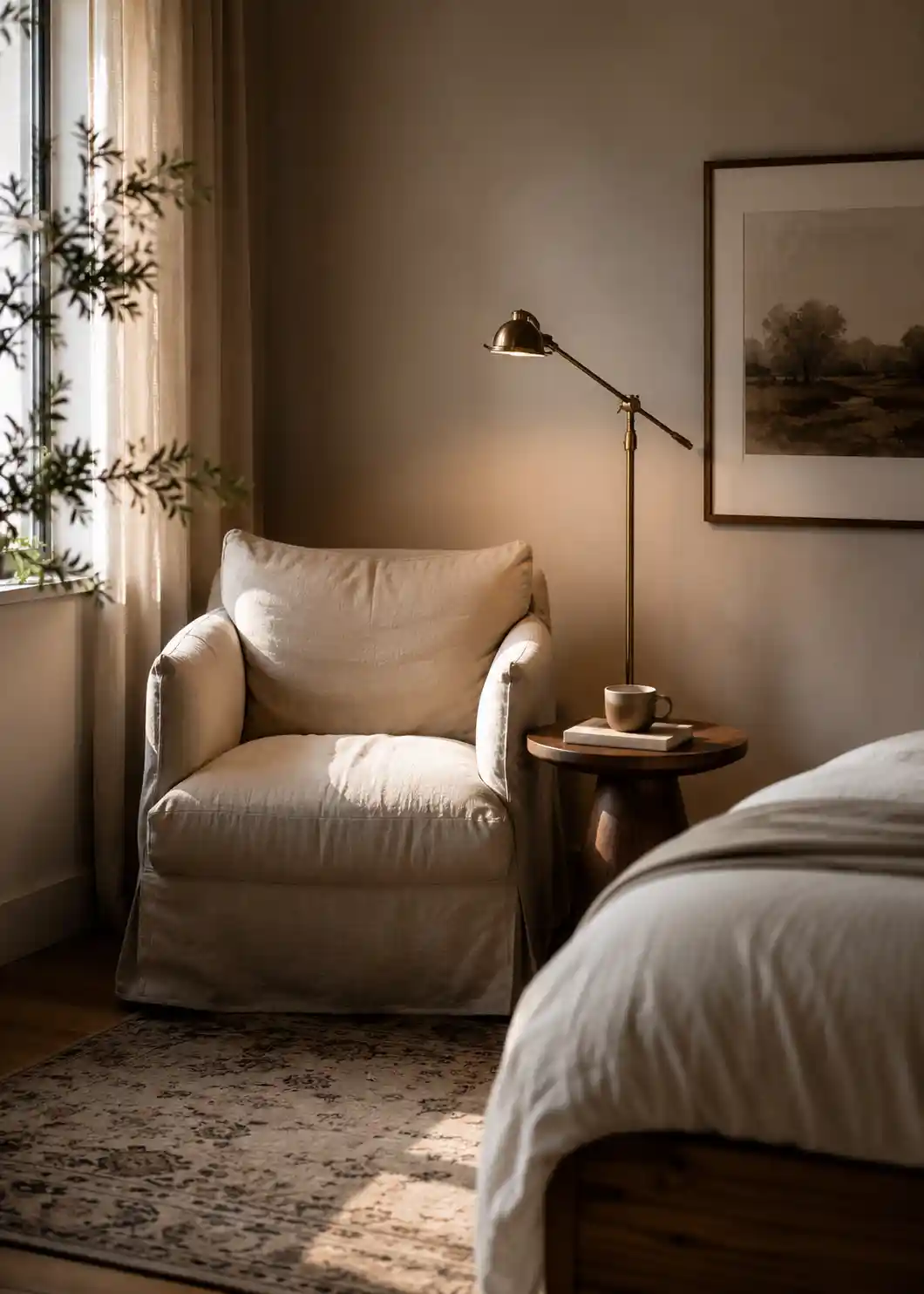
A bedroom should be more than just a place for sleep; it should be a sanctuary for winding down. If your layout allows, carve out a transition zone—a dedicated corner for reading or reflection. A deep-seated lounge chair paired with a low-glare reading light and a small stool creates a functional destination within the room. This addition encourages a slower pace of life and transforms the bedroom into a multifunctional retreat that prioritizes mental wellness.
The Science of Weighted Bedding Layers
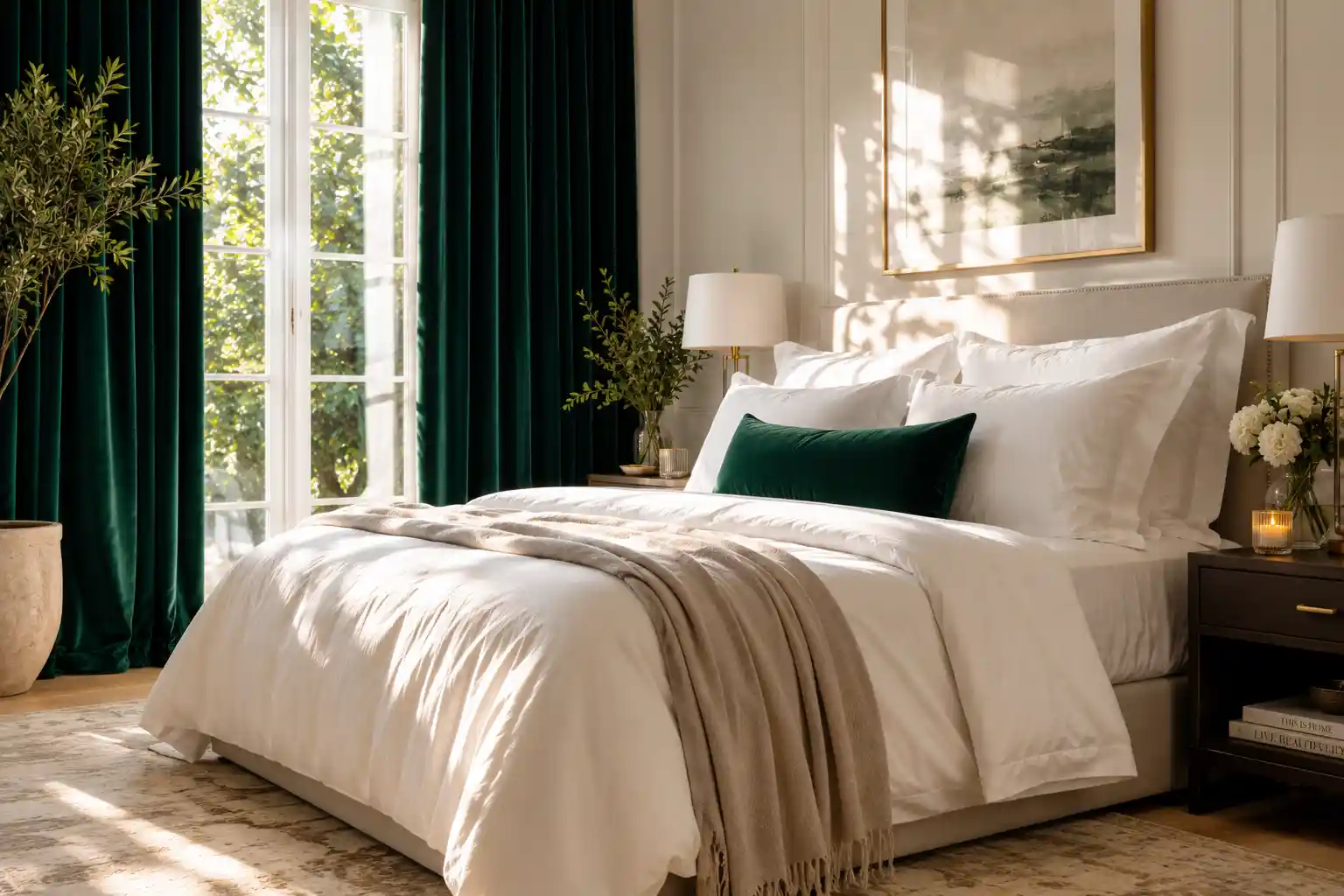
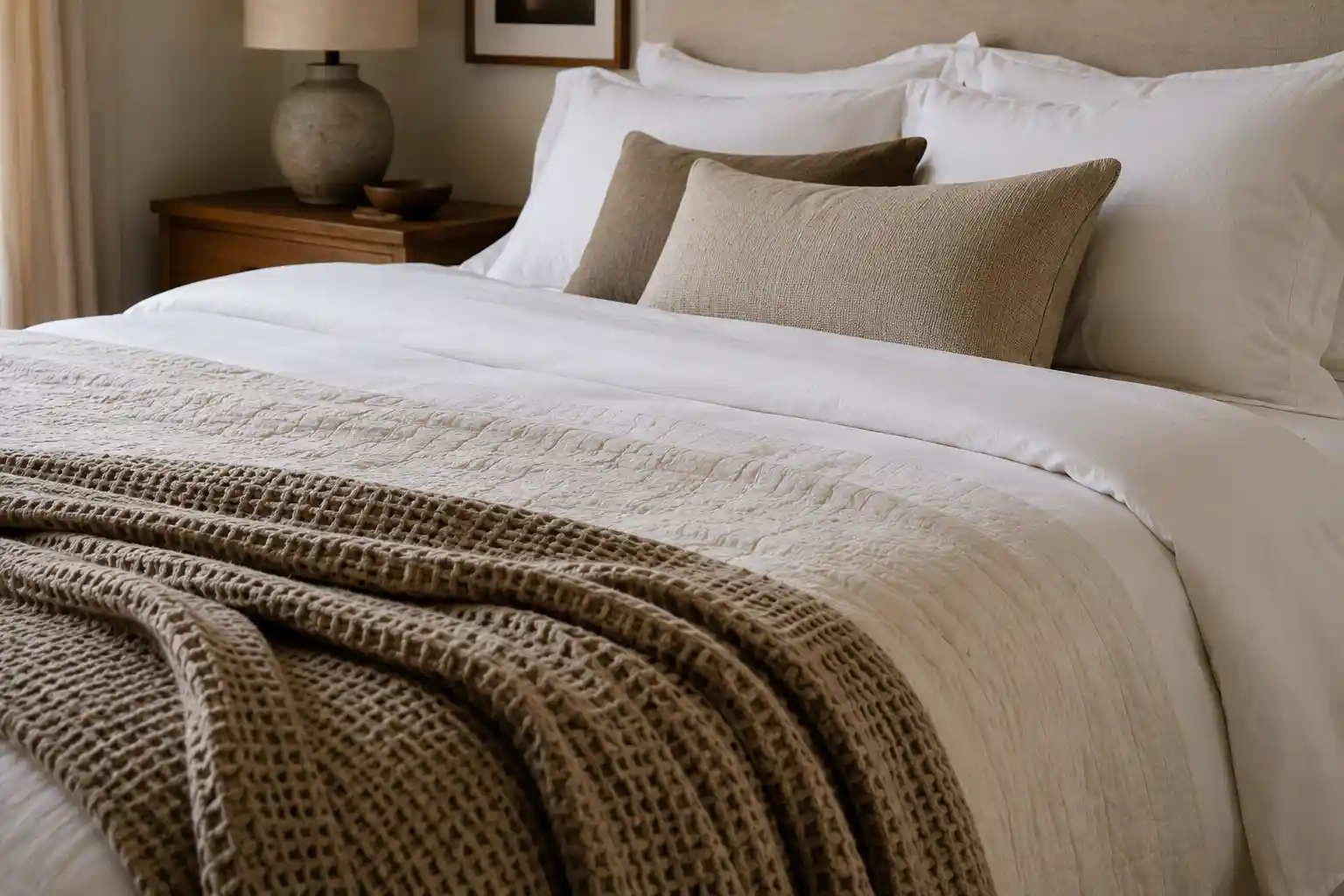
Layering bedding is an intentional build-up of weights that provides both visual richness and physical comfort. To achieve a high-end look, start with a base of crisp percale or bamboo sheets against the skin. Layer a medium-weight quilted coverlet over the mattress for structural definition, and finish with a heavy, open-weave waffle blanket slouched casually at the foot of the bed. This combination creates a bed that looks effortlessly styled yet feels impeccably cozy.
Intentional Large-Scale Wall Art
When it comes to bedroom art, less is almost always more. Avoid the temptation to create a frantic gallery wall, which can introduce too much visual noise into a space meant for rest. Instead, opt for one or two large-scale pieces that evoke a sense of quiet. An oversized landscape with significant negative space or a sweeping monochromatic sketch can change the entire mood of the room, providing a singular point of focus that anchors the design.
Luminous Silk and Satin Accents
While matte fabrics provide the grounding, luminous materials like silk and satin add a touch of glamour. The trick to keeping this timeless is contrast. Use silk sparingly—perhaps for a few accent pillows or a lightweight throw—against a backdrop of matte cotton or linen. The way silk catches the light provides a sophisticated shimmer that prevents a neutral room from feeling dull, adding a layer of sensory luxury that feels classic and polished.
French Provincial Softness
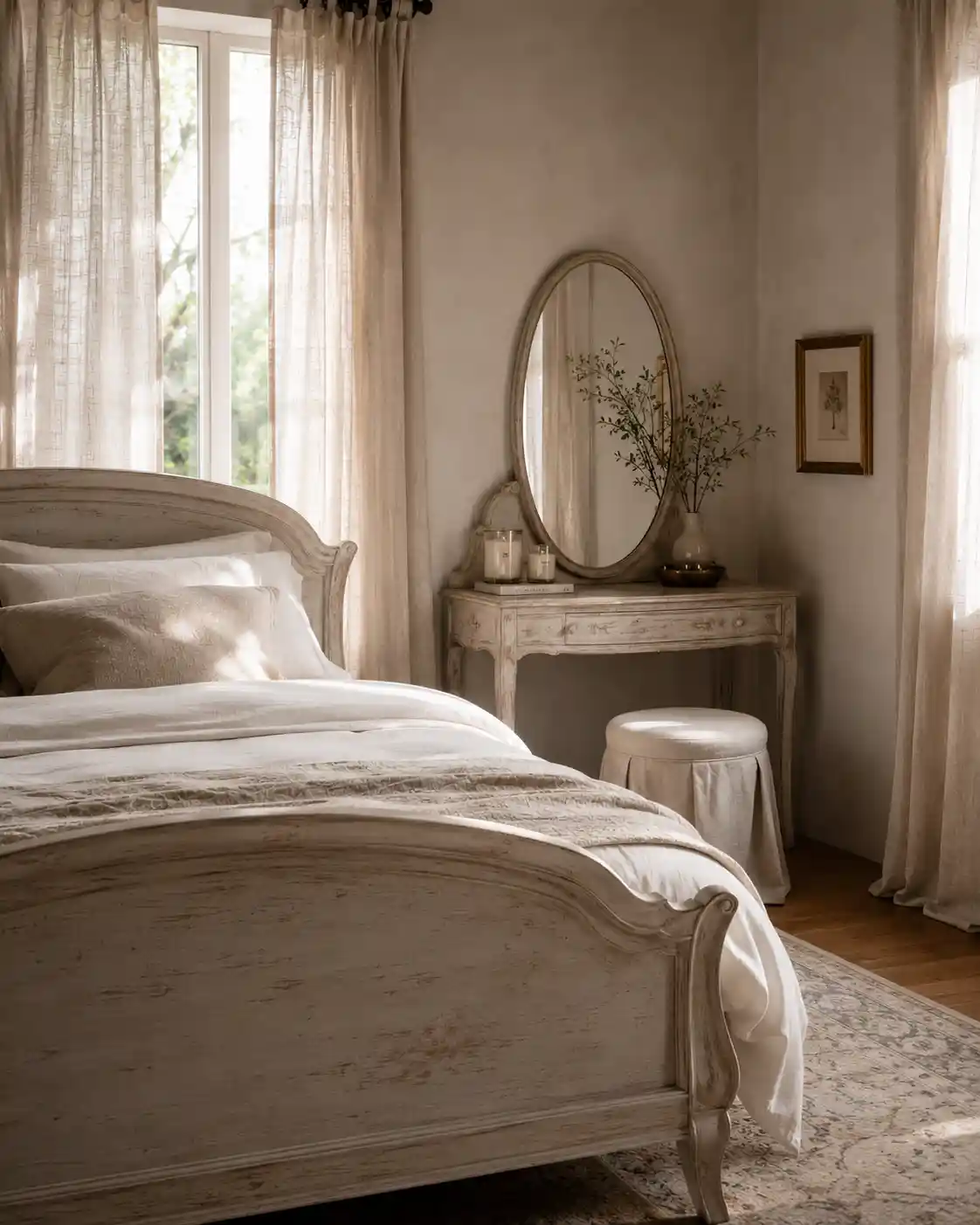
French Provincial style is timeless because of its emphasis on grace and softness. Incorporate this by choosing furniture with curved legs and soft, rounded edges. A weathered white wooden bed frame paired with floor-to-ceiling linen drapery creates a romantic, airy atmosphere. To keep it from feeling too antique, keep the color palette strictly neutral and avoid overly ornate patterns, focusing instead on the elegance of the furniture’s silhouette.
Mid-Century Modern Silhouettes
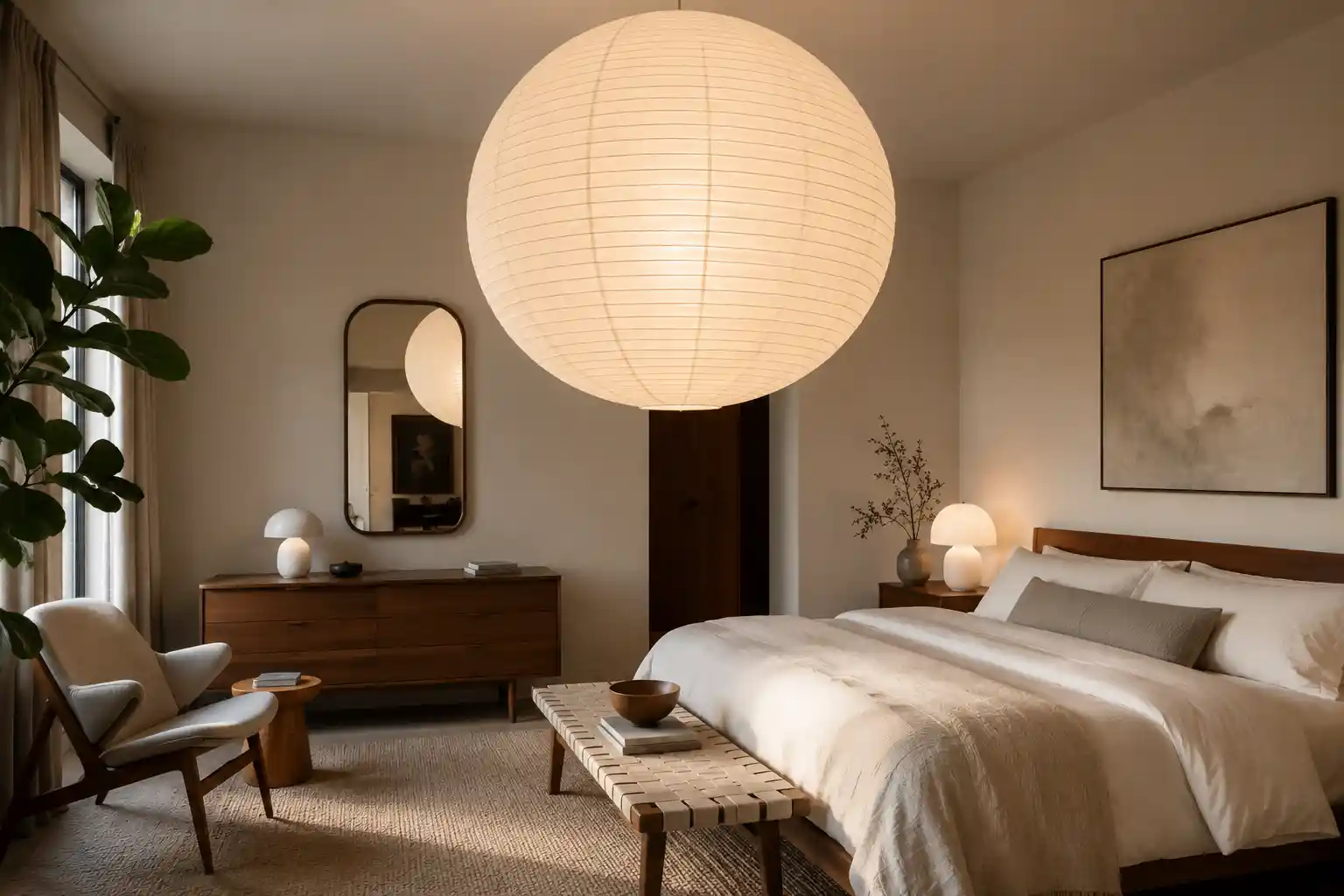
Mid-century modern design remains a cornerstone of timeless style due to its focus on functionality and organic form. To implement this, look for furniture with tapered legs and warm walnut finishes. These silhouettes create a sense of lightness, as they lift the furniture off the floor and allow light to flow underneath. When paired with a simple geometric rug in earth tones, the result is a balanced, sophisticated room that feels both nostalgic and contemporary.
Architectural Depth with Coffered Ceilings
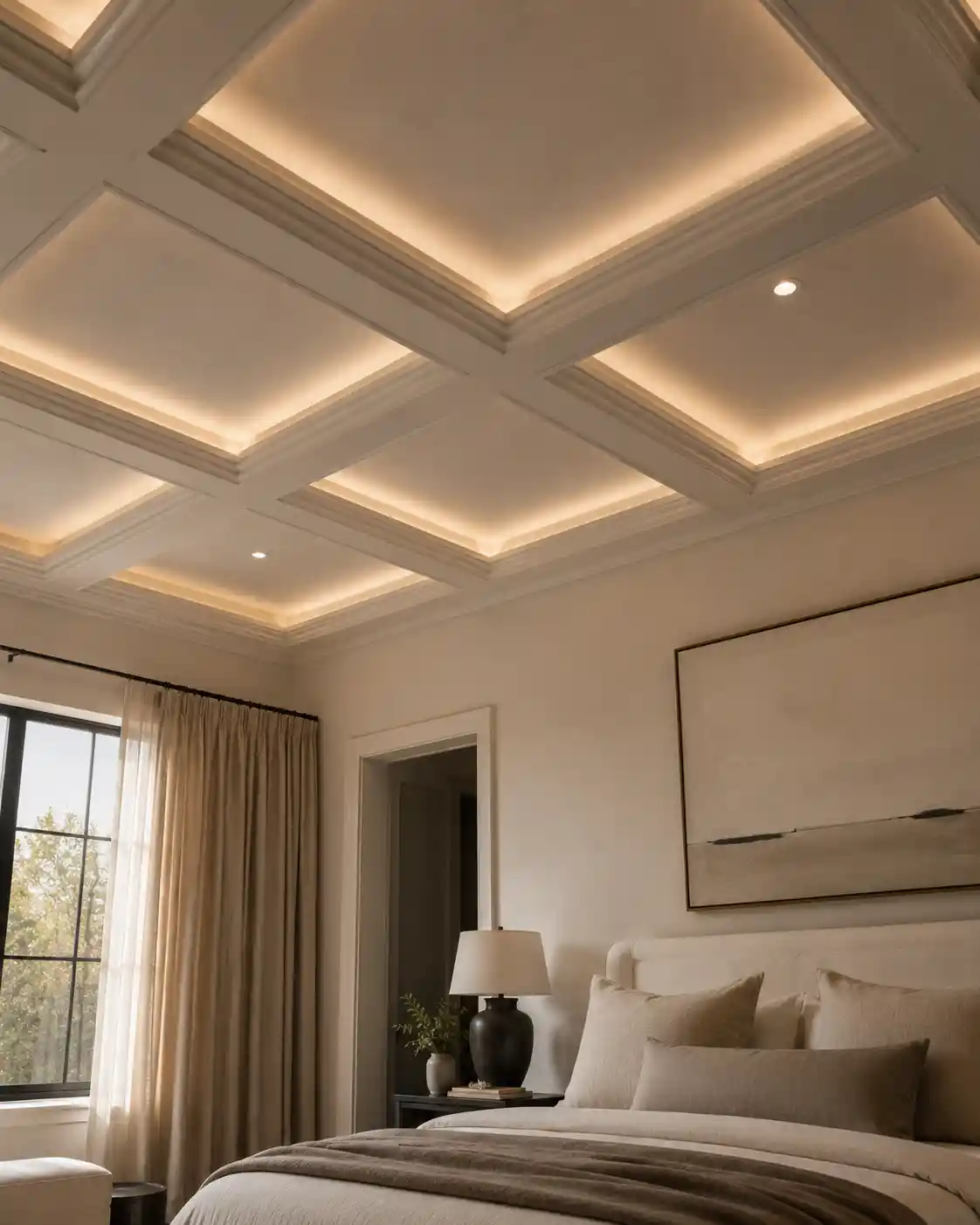
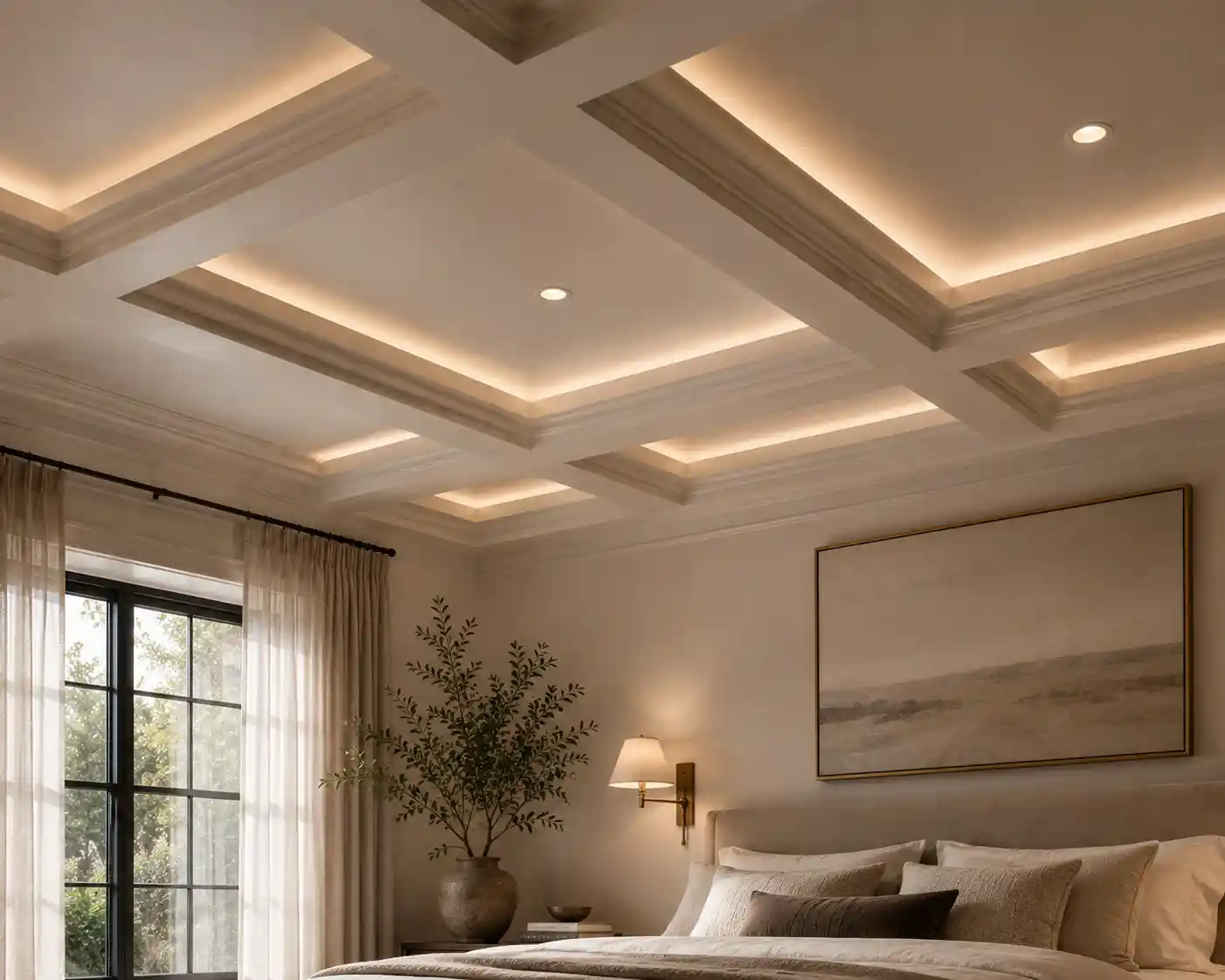
Timeless design doesn’t stop at the floor level; the ceiling is a powerful tool for adding architectural weight. A coffered ceiling—featuring a grid of recessed panels—adds immediate luxury and structural interest to a bedroom. If you are working with a flat ceiling, you can achieve a similar effect with subtle crown molding or a tray ceiling. These details draw the eye upward and make the room feel more substantial and permanent, regardless of the furniture inside.
Floor-to-Ceiling Sheer Drapery
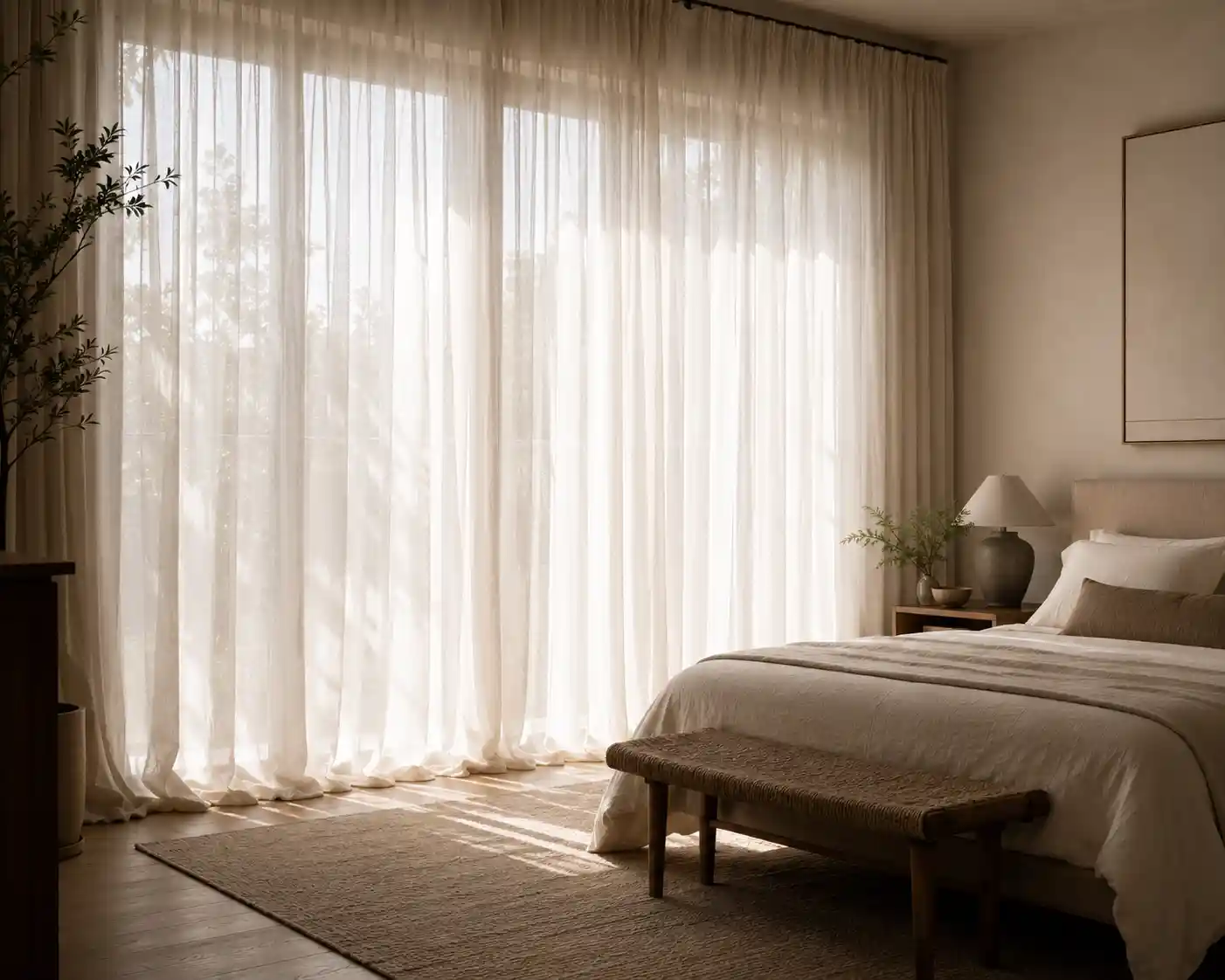
The way a room handles light is fundamental to its mood. Floor-to-ceiling sheer drapery is a timeless choice because it softens the hard lines of windows and walls while diffusing harsh sunlight into a soft, ethereal glow. By hanging the curtains higher than the window frame and allowing them to puddle slightly on the floor, you add a sense of height and luxury to the room, creating a dreamy atmosphere that is perfect for a sleeping sanctuary.
Adding Warmth with Cognac Leather
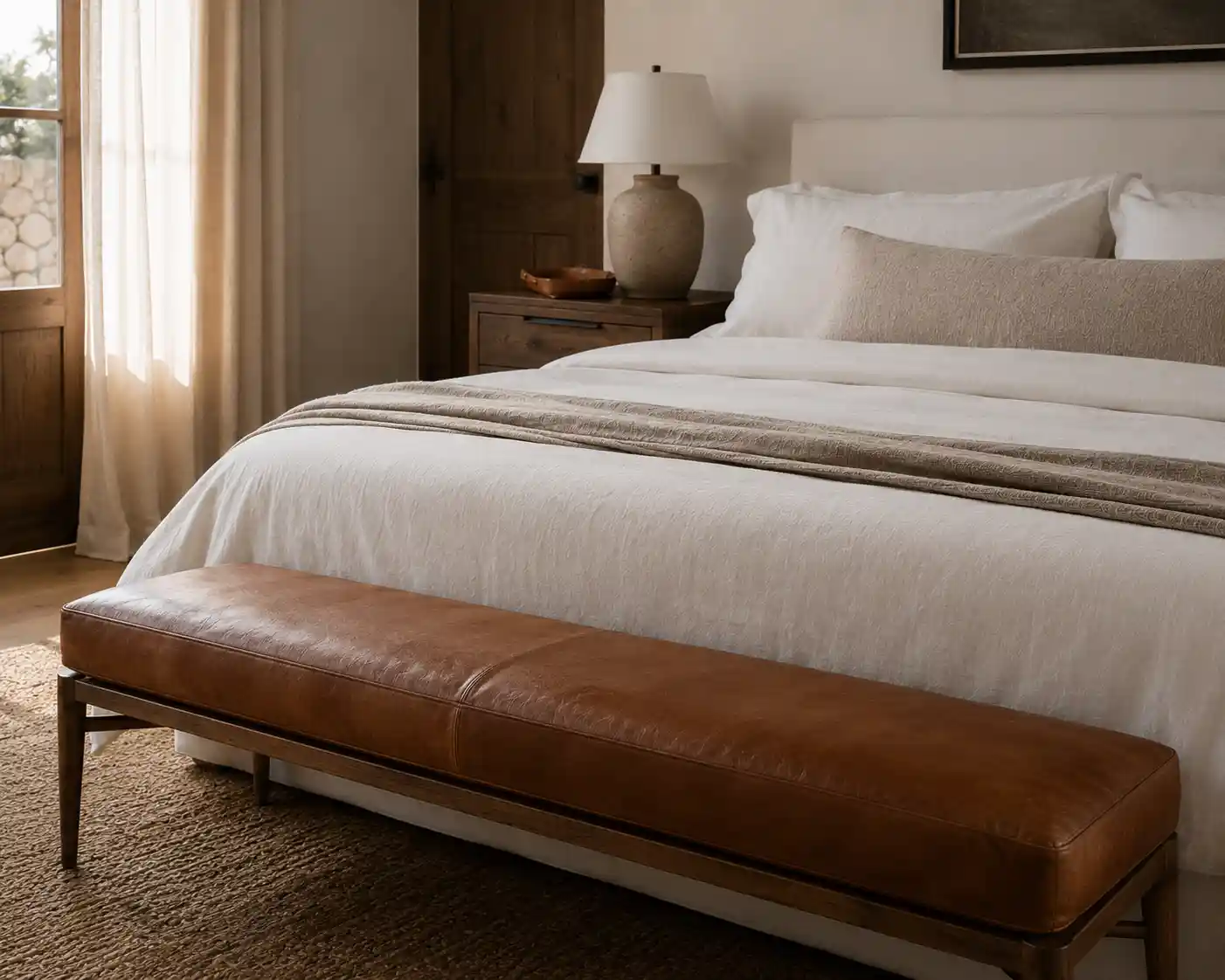
Leather is a material that ages beautifully, making it a perfect choice for a timeless bedroom. Specifically, cognac or tan leather adds a rich, organic warmth that complements neutral palettes. A leather bench at the foot of the bed or a small leather valet tray on the nightstand provides a tactile contrast to soft linens. Because leather develops a patina over time, it adds a sense of lived-in luxury that synthetic materials simply cannot replicate.
The Power of Symmetrical Balance
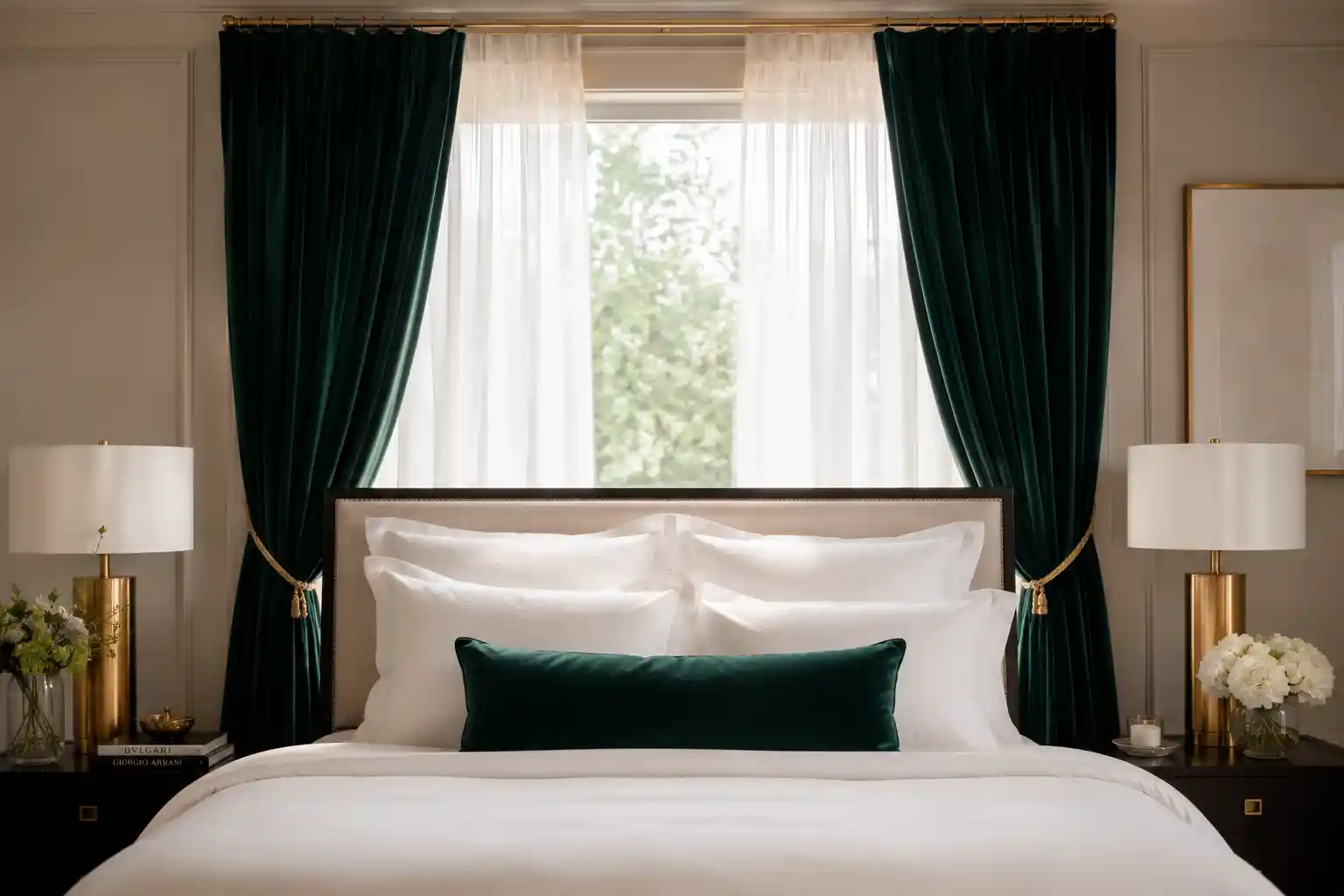
Symmetry is a classic design principle that immediately signals order and calm to the human brain. In a bedroom, this is most effectively achieved through matching nightstands and identical lamps on either side of the bed. This mirror-image approach creates a visual anchor and a sense of stability. While asymmetry can be modern, symmetry is the hallmark of traditional elegance, ensuring the room feels balanced and harmonious the moment you walk through the door.
Layered Ambient Lighting Schemes
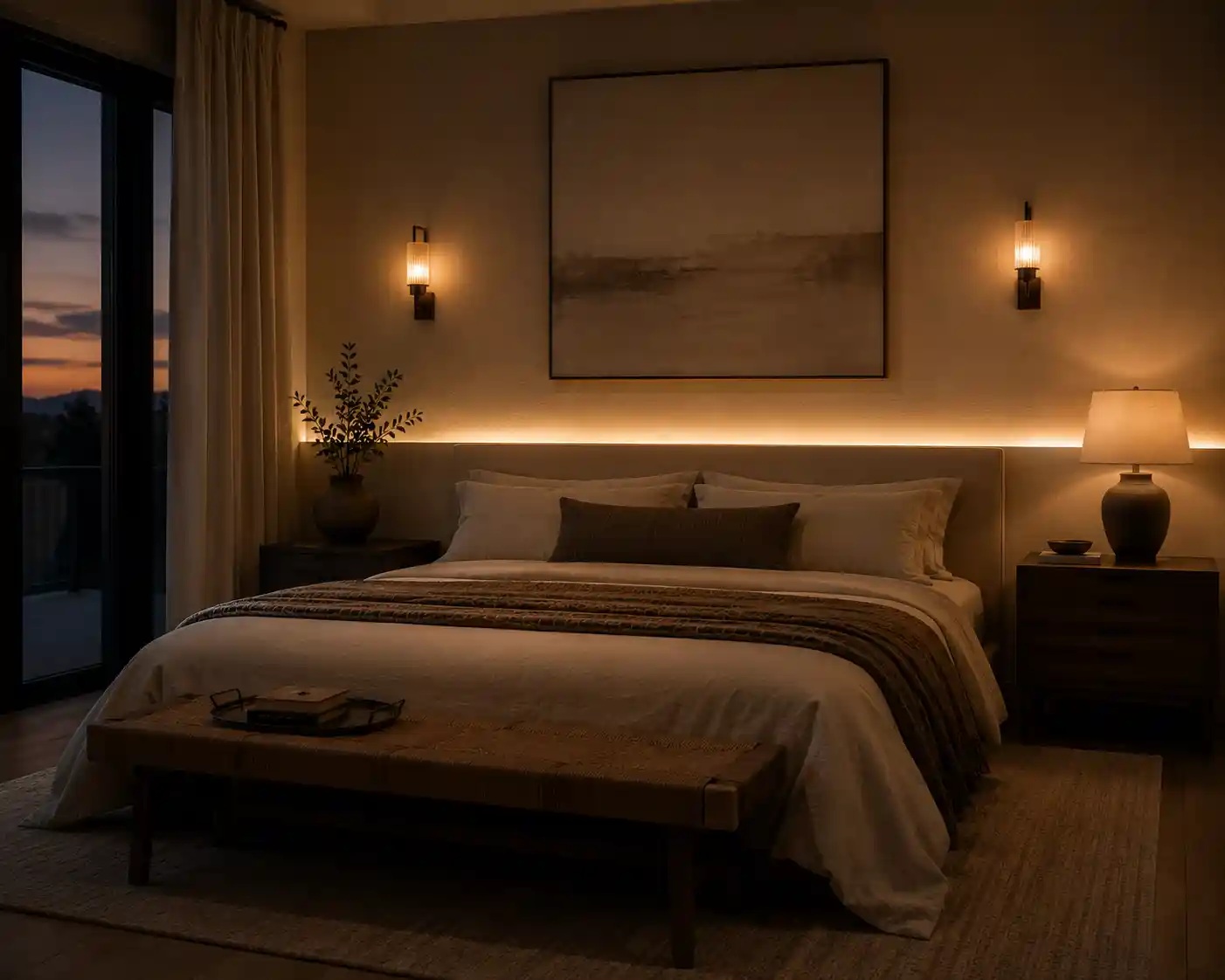
Relying on a single overhead light is a common design mistake that can make a luxury room feel flat. A timeless bedroom utilizes a layered lighting scheme to create different moods. Combine soft wall sconces for reading, hidden LED strips behind the headboard for a gentle glow, and dimmable table lamps for task lighting. By controlling the light levels and focusing on warm color temperatures, you can transform the room from a bright morning space to a cozy, intimate evening retreat.
Incorporating Organic Curves
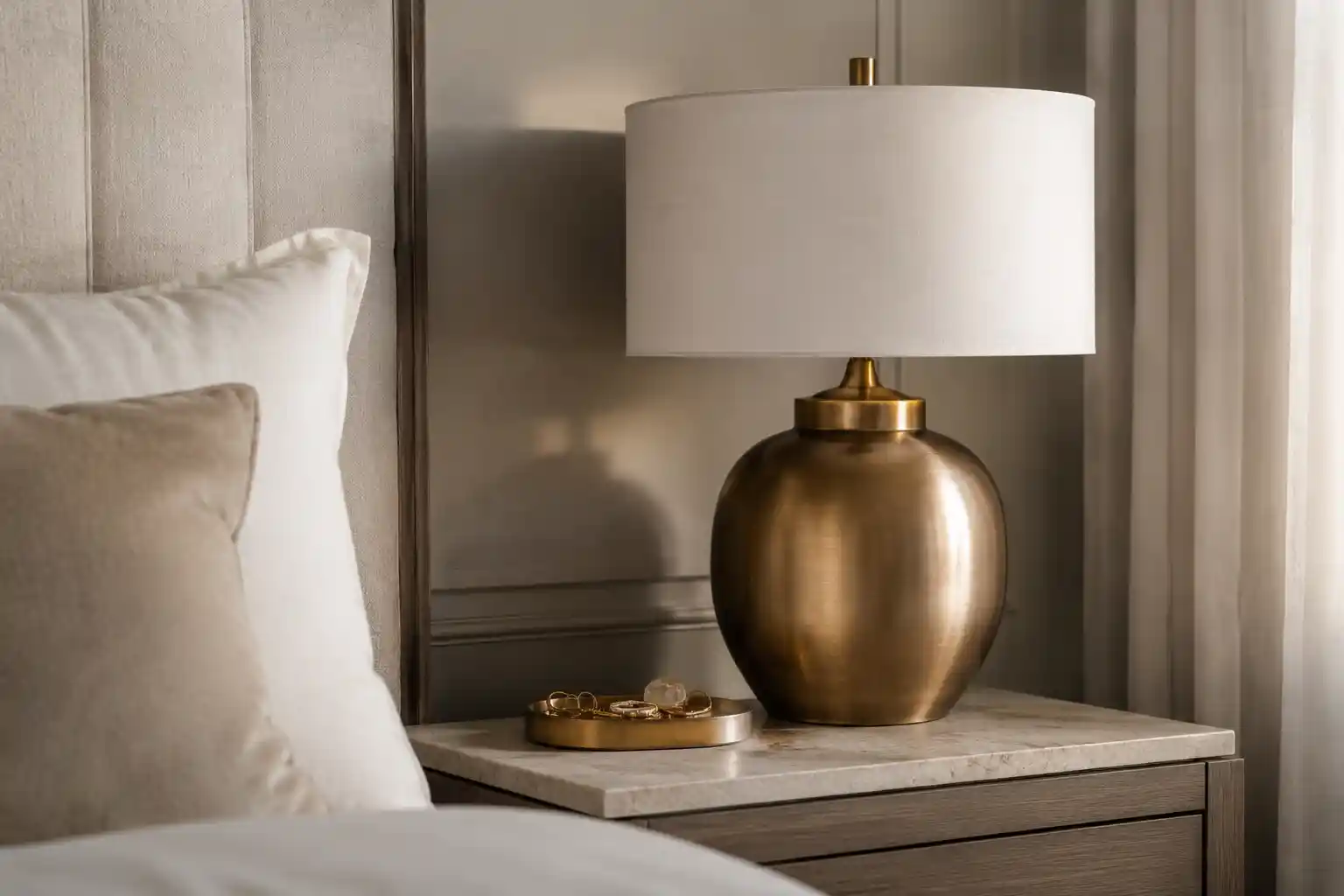
To prevent a room from feeling too rigid or boxy, introduce organic curves. This can be achieved through a large round mirror, a circular area rug, or a curved armchair. These shapes break up the straight lines of the walls and bed, adding a sense of fluidity and softness to the composition. Curved elements feel more natural and inviting, helping the room transition from a structured space to a relaxing sanctuary that feels effortless and organic.
Grounded Textures with Natural Fibers
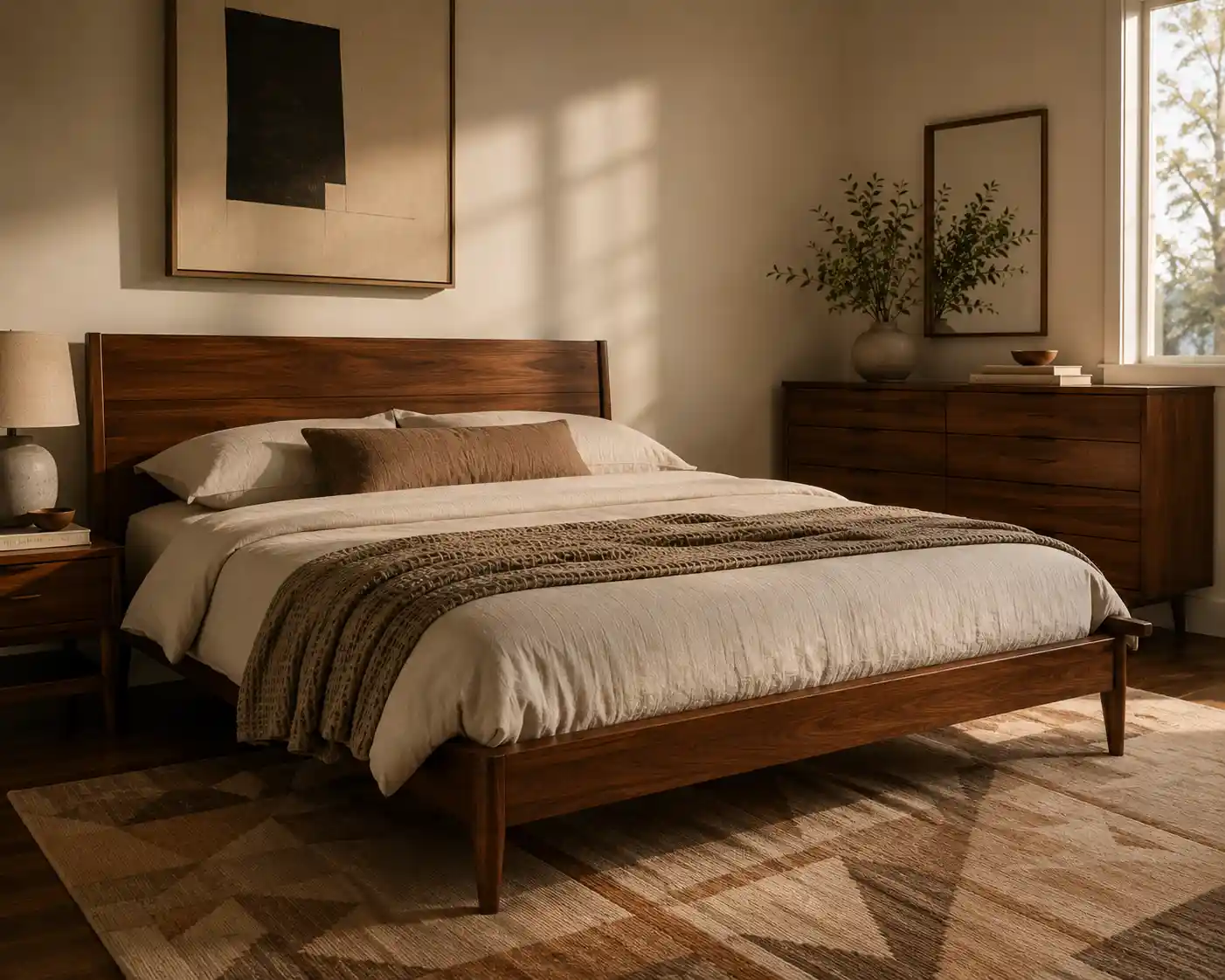
The final touch in a timeless bedroom is the use of natural fibers to ground the space. Layering a large, coarse jute or sisal rug beneath a smaller, plush wool rug provides a sophisticated contrast in texture. These raw materials bring an earthy quality that balances the more polished elements of the room. By focusing on high-quality, sustainable fibers, you create a tactile experience that feels connected to the earth and remains stylish regardless of changing trends.