
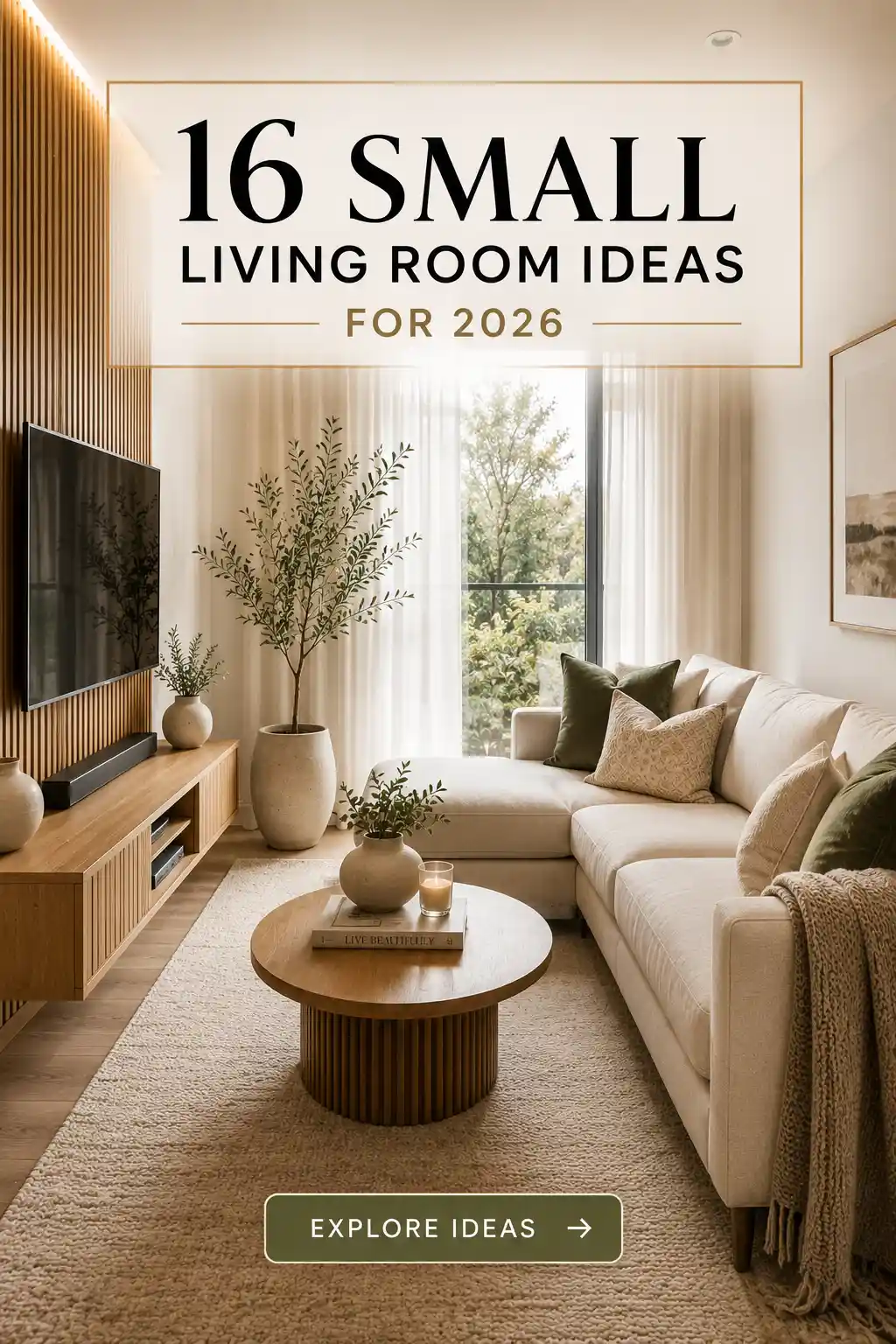
Designing a compact living area doesn’t mean you have to compromise on luxury or personal expression. As we look toward 2026, the trend is shifting away from rigid minimalism toward a more curated, ‘warm minimal’ approach that prioritizes tactile comfort and intelligent spatial planning. Whether you are working with a studio apartment or a cozy cottage nook, the key is to create a visual flow that breathes. From the strategic use of low-profile furniture to the magic of light-reflective palettes, these ideas will help you transform a tight footprint into a sophisticated sanctuary.
The Power of a Monochromatic Airy Palette
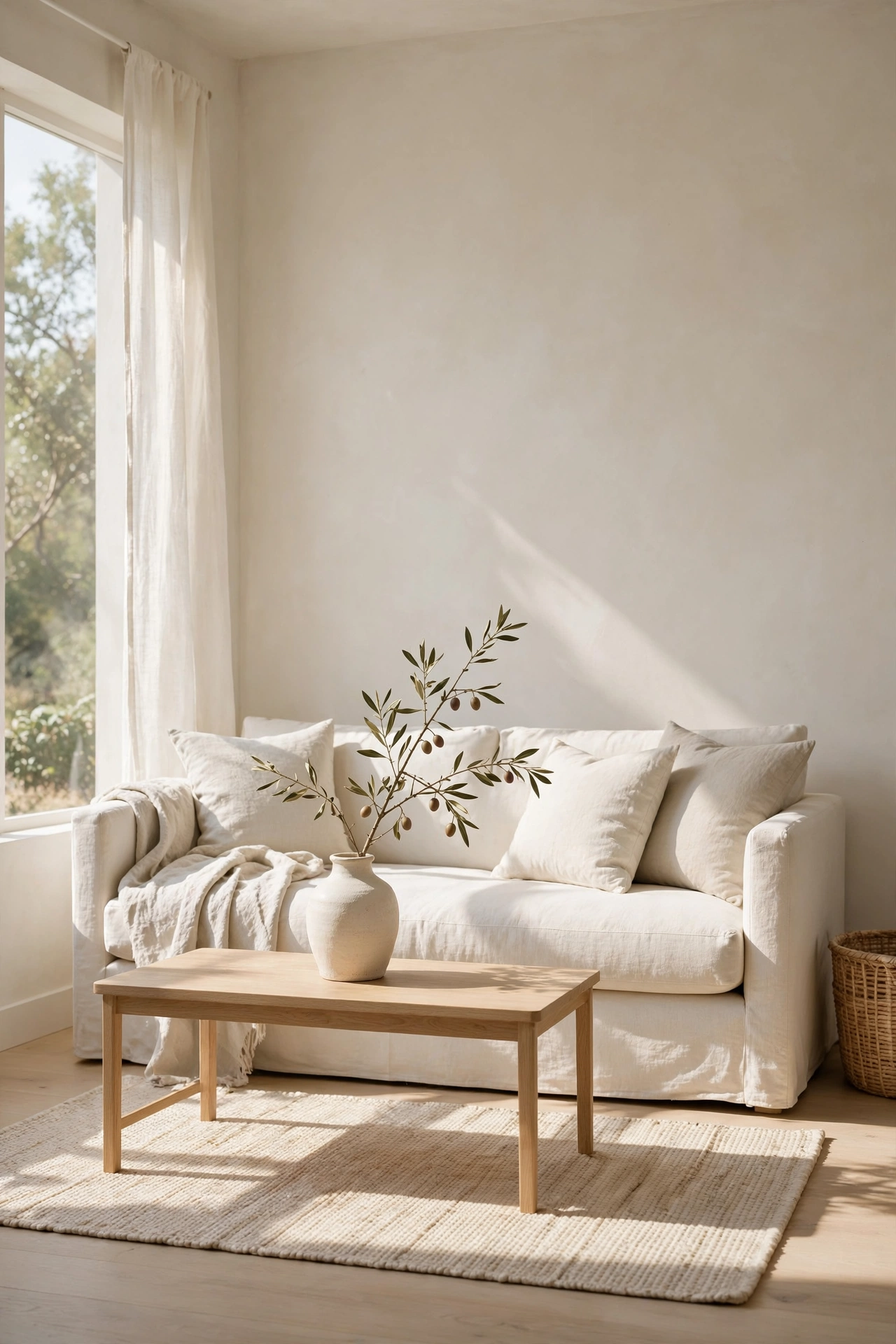
One of the most effective ways to make a small living room feel expansive is by embracing a monochromatic color scheme. By using varying shades of the same light hue—such as cream, beige, and soft white—you eliminate the harsh visual breaks that typically chop up a small room. In 2026, we are seeing a move toward ‘layered neutrals’ where the interest comes from texture rather than color. When your walls, upholstery, and rugs blend seamlessly, the eye glides across the space without interruption, creating an illusion of significant additional square footage and a sense of calm.
Integrating Low-Profile Furniture for Height
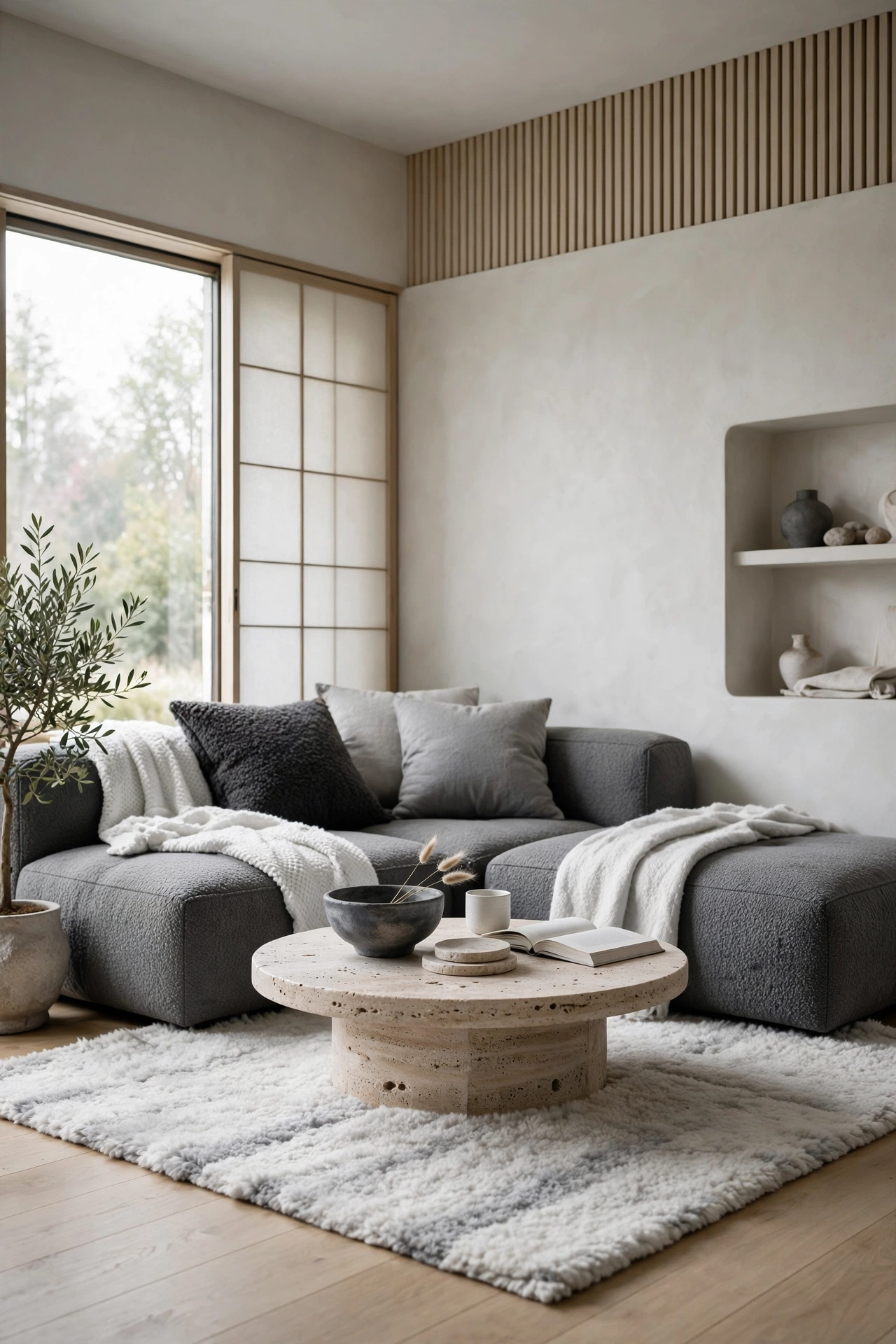
The height of your furniture directly impacts how open your ceiling feels. By opting for low-profile pieces, such as a low-slung modular sofa or a floor-level coffee table, you increase the amount of visible wall space. This trick draws the eye upward, making the ceilings feel higher and the overall volume of the room feel larger. For 2026, look for pieces with a grounded silhouette that prioritize horizontal lines. This approach prevents the room from feeling crowded and allows the architecture of the space to breathe, providing a sophisticated, lounge-like atmosphere.
Elevating the Space with Leggy Furniture
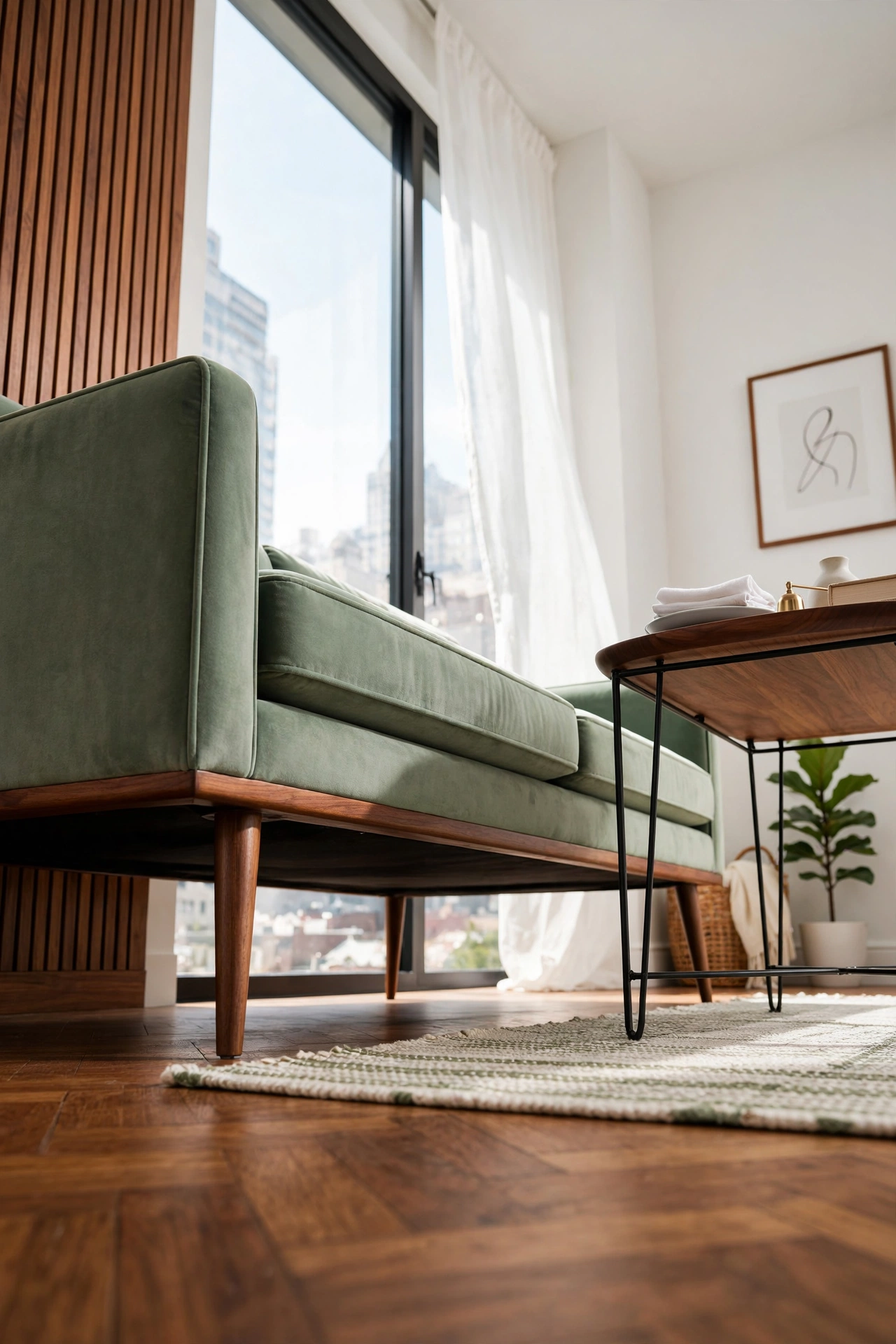
Visual weight is a critical concept in small-scale interior design. Furniture that sits flush against the floor can feel heavy and blocky, effectively ‘shrinking’ the available floor area. By choosing ‘leggy’ furniture—pieces with tapered legs or slim frames—you allow light and sightlines to pass underneath the items. This creates a sense of transparency and openness. Whether it is a mid-century inspired sofa or a slender console table, showing more of the floor tricks the brain into perceiving the room as larger than it actually is, adding a touch of timeless elegance.
Creating Zoned Areas in Open Layouts
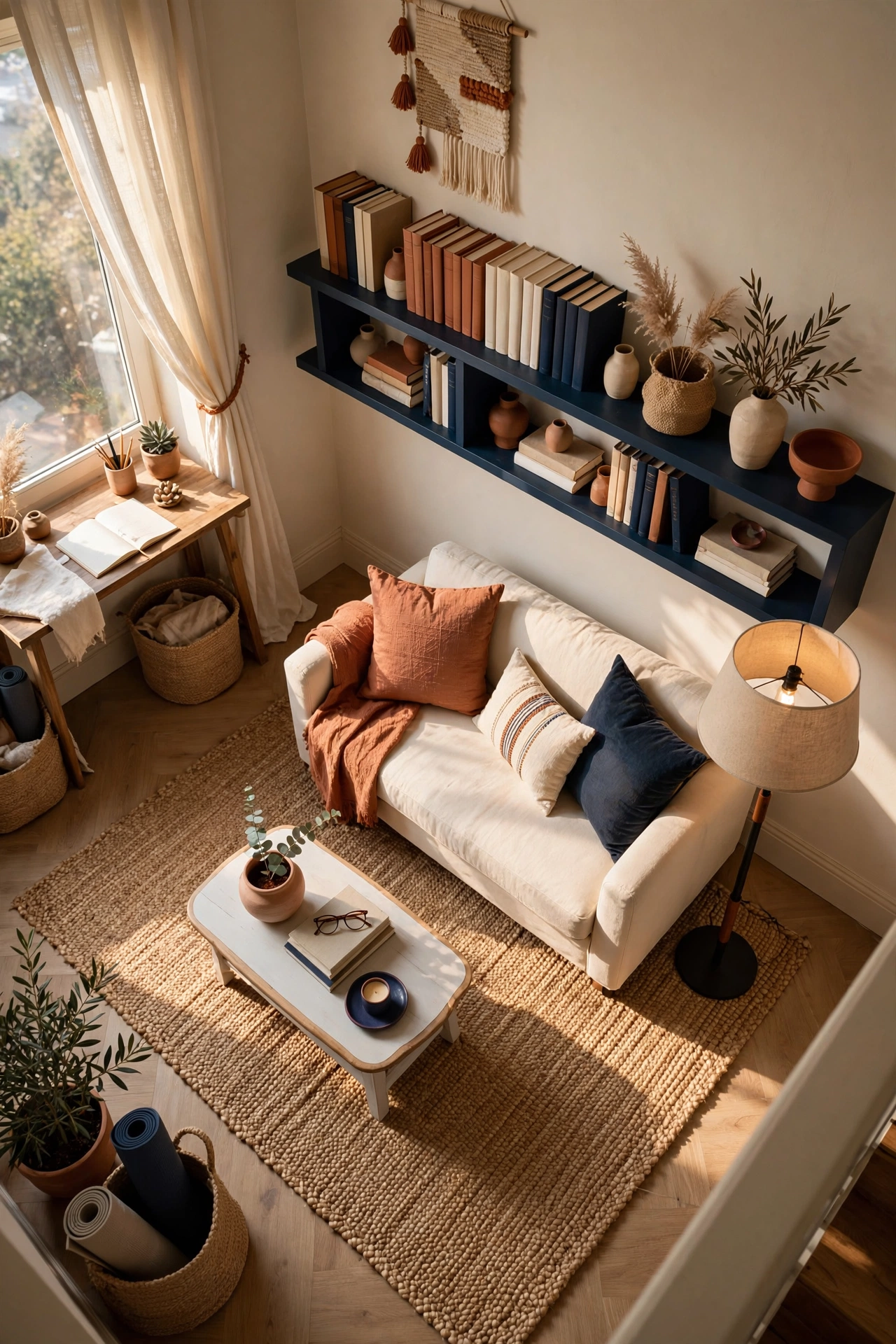
In small homes, the living room often has to serve multiple purposes. Instead of letting the furniture float aimlessly, create designated ‘zones’ to provide structure. Using a large area rug is the most effective way to anchor a seating area, effectively creating a ‘room within a room.’ In 2026, the trend is to use subtle shifts in texture or color to define these boundaries. By clearly separating the lounging area from a reading nook or a small workspace, you eliminate visual chaos and make the space feel organized and intentionally planned rather than cluttered.
The Magic of Transparent Materials
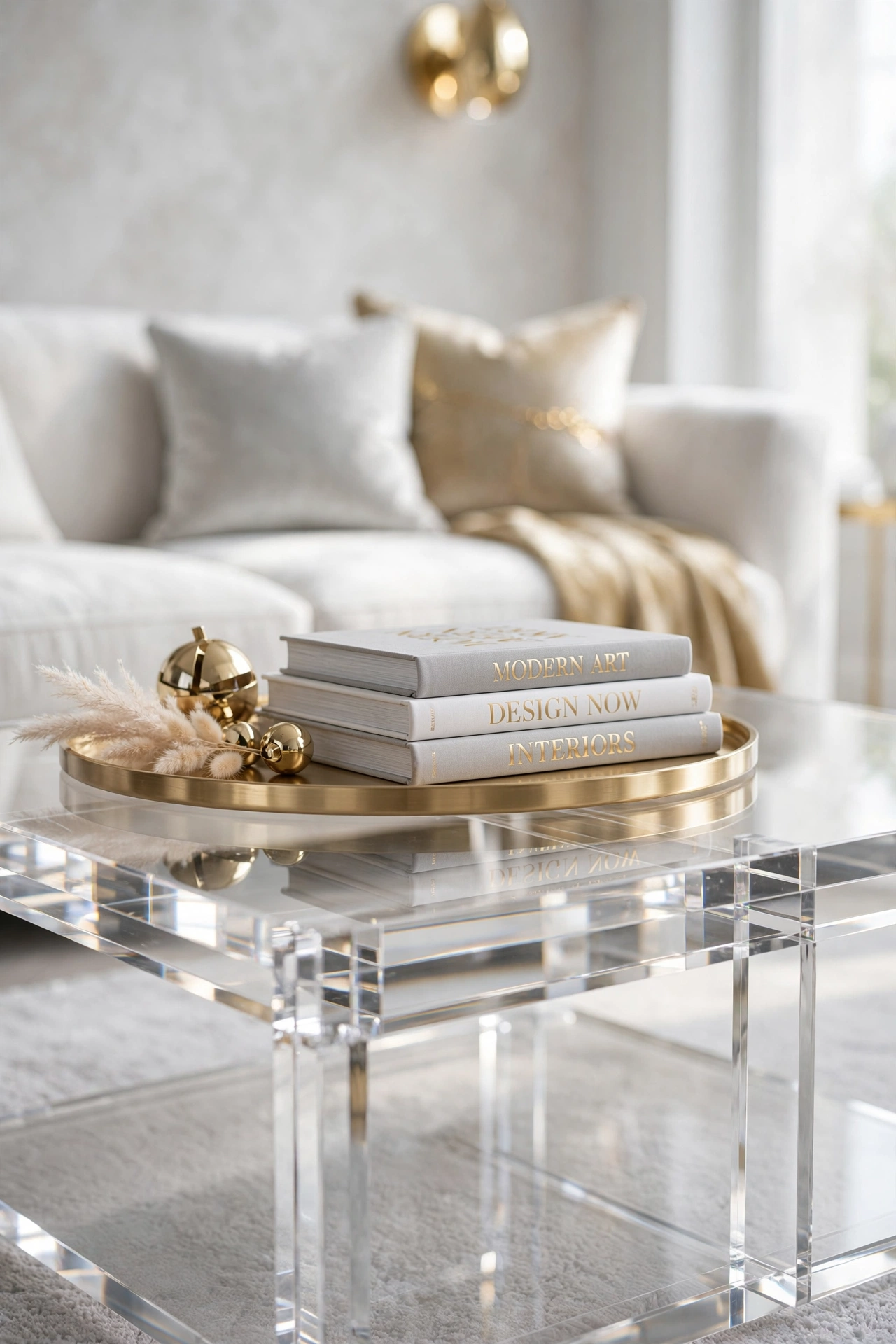
When every inch counts, furniture that ‘disappears’ is a game-changer. Materials like acrylic, lucite, or glass provide the necessary functionality of a table or chair without occupying any visual space. An acrylic coffee table, for instance, provides a surface for drinks and decor while remaining virtually invisible, allowing the beauty of your rug or the lines of your sofa to shine through. This design strategy is perfect for 2026’s focus on ‘invisible luxury,’ where the goal is to maintain maximum utility without sacrificing the airy, open feel of the home.
Utilizing Vertical Space for Storage
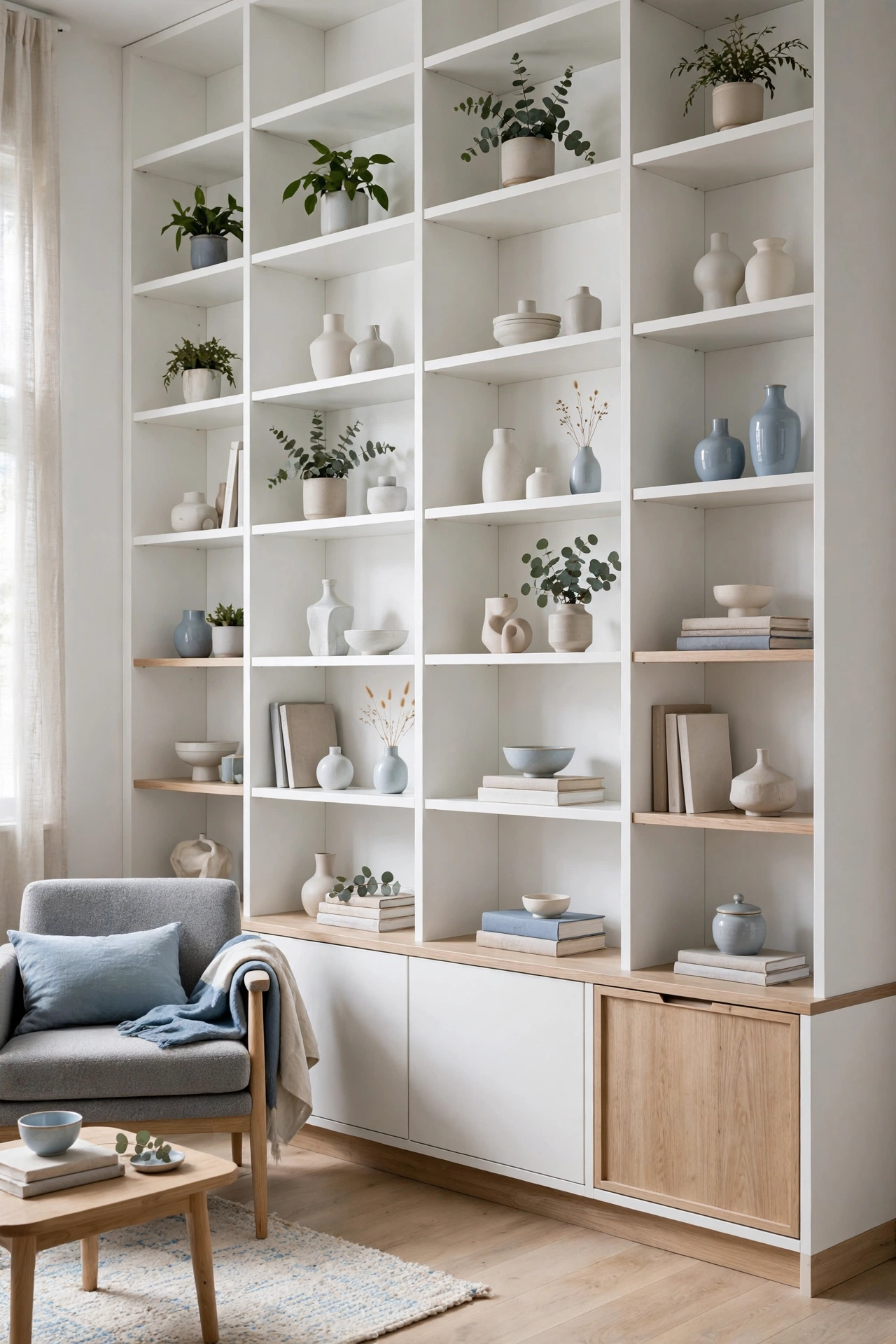
When you run out of floor space, the only way to go is up. Floor-to-ceiling shelving is a brilliant way to introduce storage and personality without crowding the walking paths. By drawing the eye upward toward the ceiling, vertical storage also enhances the perceived height of the room. To keep this from feeling overwhelming, use a color for the shelving that matches the walls, making the unit feel like a natural extension of the architecture. In 2026, the trend is ‘curated maximalism,’ where high shelves display treasured objects that tell a personal story.
Softening Edges with Organic Shapes
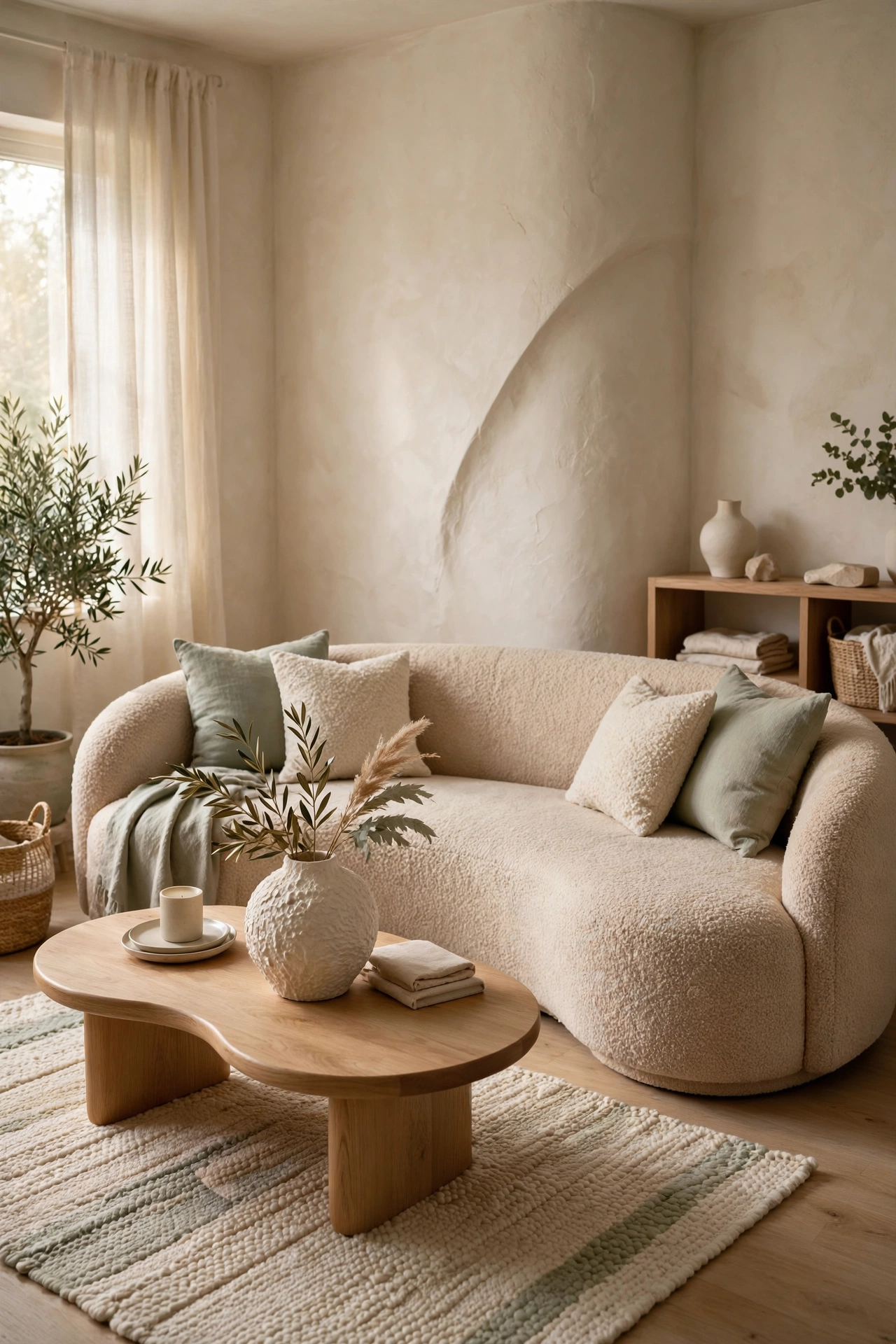
Sharp angles and boxy furniture can sometimes make a small room feel rigid and restrictive. Introducing organic, curved shapes—such as a rounded sofa, an oval rug, or a circular coffee table—softens the overall aesthetic and improves the physical flow of the room. Curves encourage a more natural movement through the space and create a sense of warmth and comfort. For 2026, organic modernism is taking center stage, blending the clean lines of minimalism with the soft, flowing forms found in nature to create a sanctuary that feels both polished and inviting.
Layering Textures for Depth and Warmth
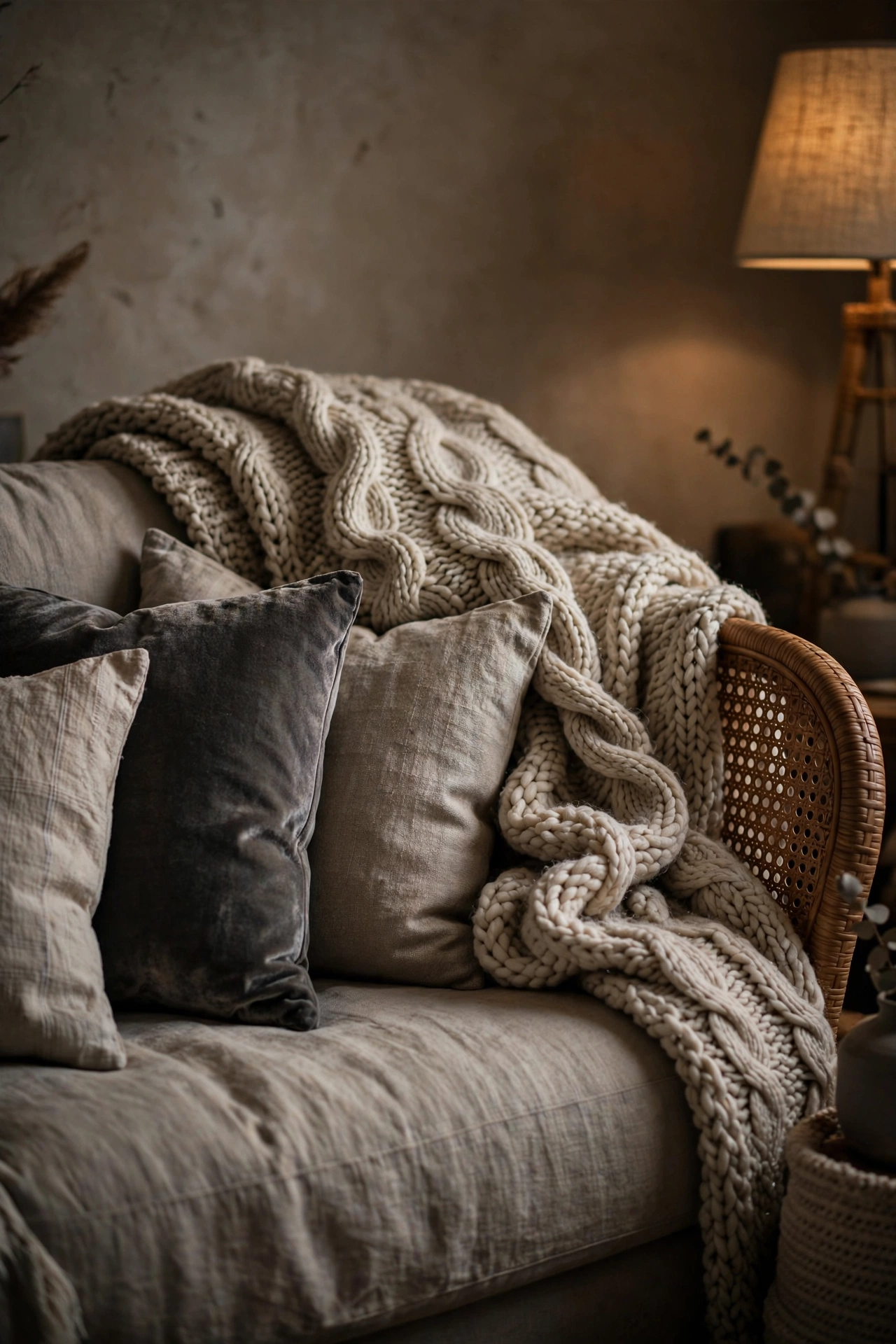
In a small room with a neutral palette, there is a risk of the space feeling flat or sterile. The secret to avoiding this is ‘tactile layering.’ By mixing different materials—such as a chunky wool knit throw, a smooth linen sofa, and a rough jute rug—you add visual depth and sensory richness. This creates a cozy, lived-in feeling that makes a small space feel like a curated retreat. For 2026, focus on contrasting textures: pair a sleek metal lamp with a plush velvet cushion to create a balanced, high-end look that feels warm and welcoming.
Maximizing Natural Light with Strategic Mirrors
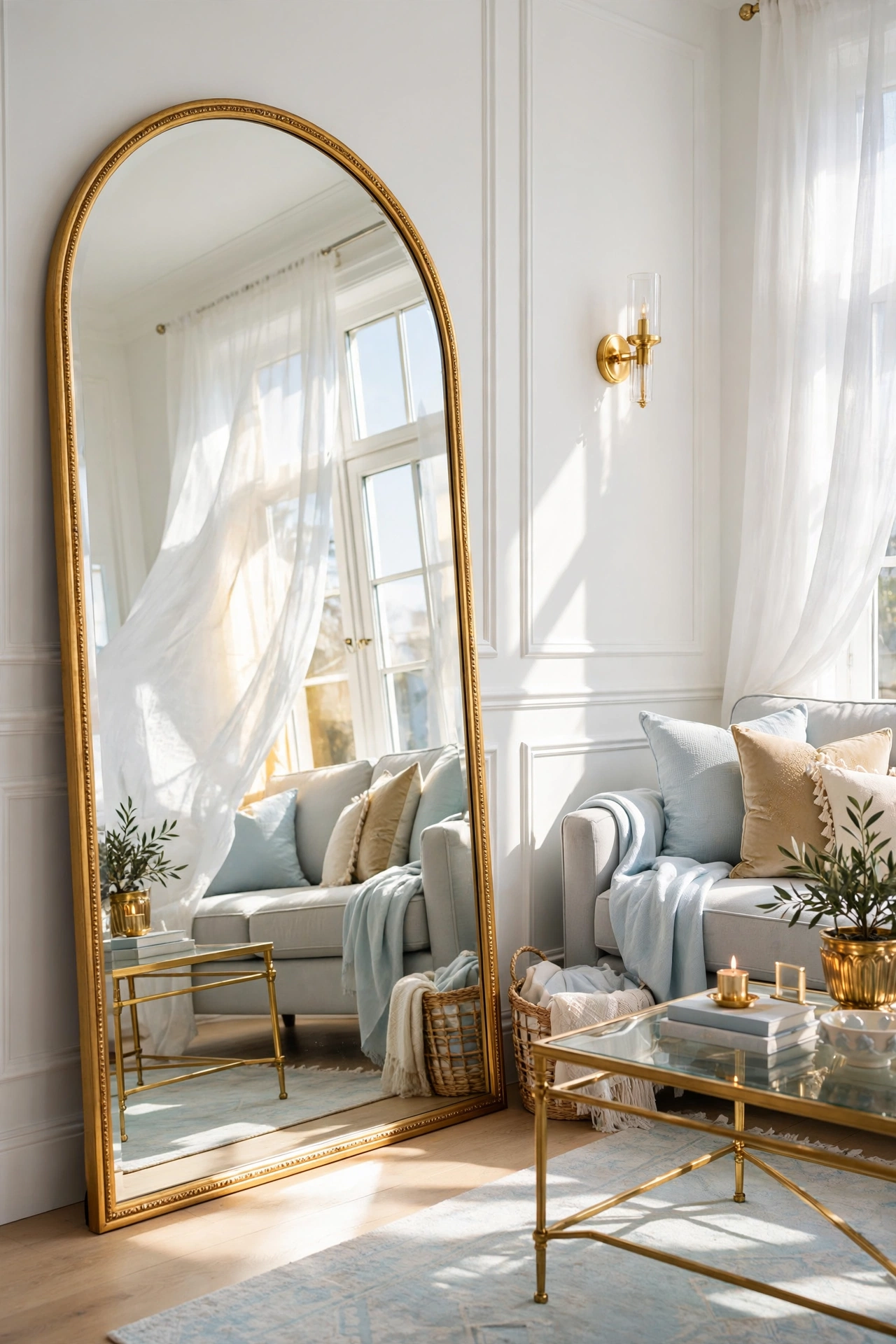
Mirrors are the oldest trick in the interior design book for a reason: they effectively double the visual space. By placing a large mirror opposite a window, you bounce natural light into the darker corners of the room, instantly brightening the environment. In 2026, the trend is moving toward oversized, architectural mirrors—such as arched or asymmetrical shapes—that serve as both a functional tool and a piece of statement art. This doesn’t just make the room feel bigger; it adds a layer of luxury and sophistication that elevates the entire home.
The Allure of Moody, Small-Scale Elegance
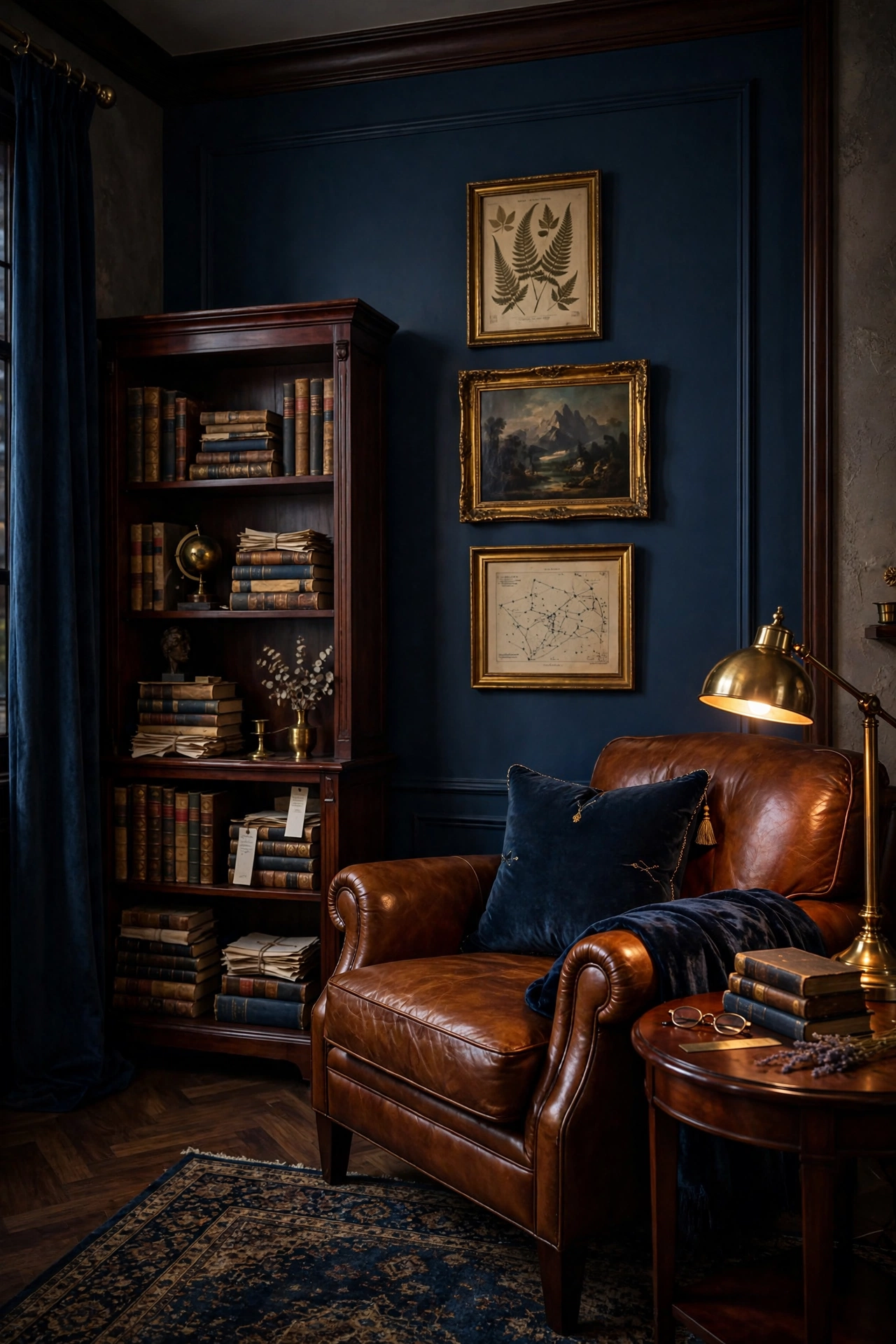
While light colors are the standard for small spaces, there is a bold alternative: embracing the dark. Using a deep, moody color on the walls can actually create a sense of infinite depth, making the corners of the room disappear and creating an intimate, cocoon-like feeling. The key to making this work in 2026 is contrast. Pair dark walls with metallic accents—like gold or brass—and rich textures like leather or velvet. This approach transforms a small living room into a high-end, jewel-box space that feels intentionally cozy rather than cramped.
Incorporating Multi-Functional Statement Pieces
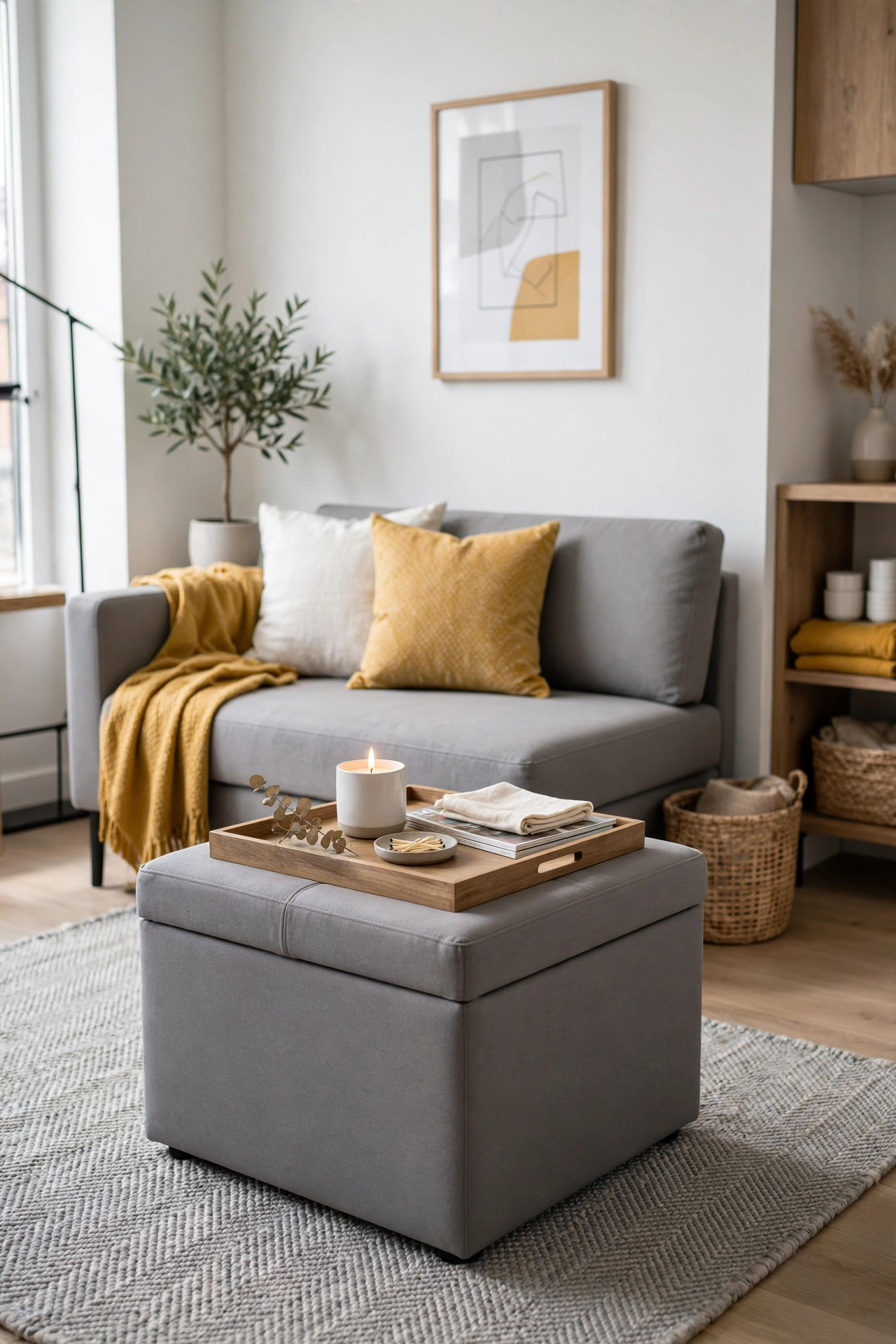
In a limited space, every piece of furniture must earn its keep. Multi-functional pieces are essential for maintaining a clutter-free environment. A storage ottoman, for example, can serve as a coffee table, extra seating for guests, and a hidden spot for blankets and pillows. For 2026, the focus is on pieces that don’t look ‘utilitarian’ but instead look like high-end design. By choosing a piece with beautiful upholstery and a sleek silhouette, you add functionality to your living room without compromising on the luxury editorial aesthetic of your home.
Bringing the Outdoors In with Strategic Greenery
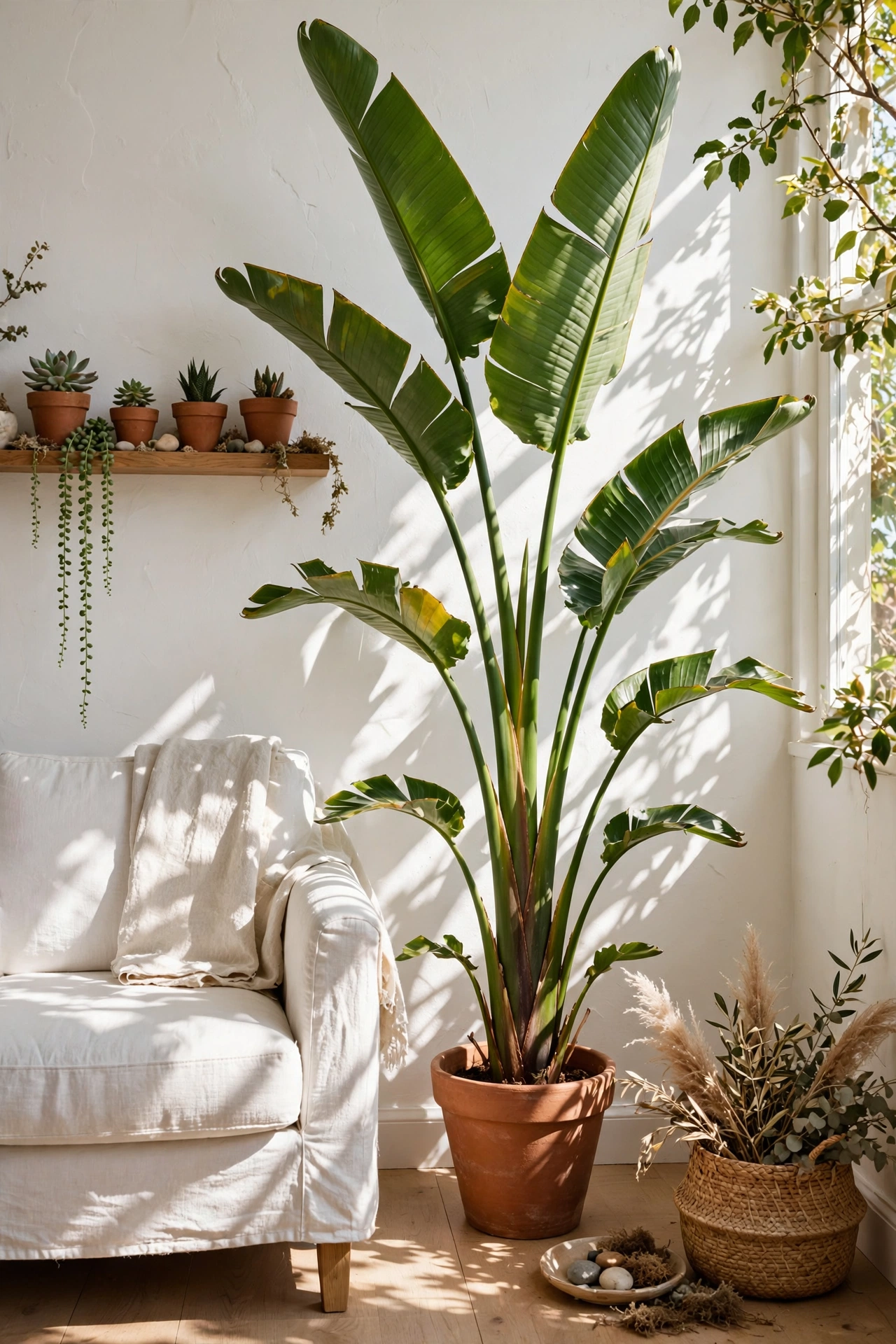
Biophilic design—the practice of connecting a space to nature—is a powerful tool for small rooms. Adding greenery not only purifies the air but also adds a vibrant, living element that draws the eye. To save floor space, use vertical greenery like trailing pothos on high shelves or a single, tall statement plant in a corner. In 2026, the trend is to use nature to create a focal point, which distracts from the small size of the room and instead emphasizes a feeling of freshness and vitality, making the space feel more breathable.
Creating a Cohesive Flow with Open Floor Plans
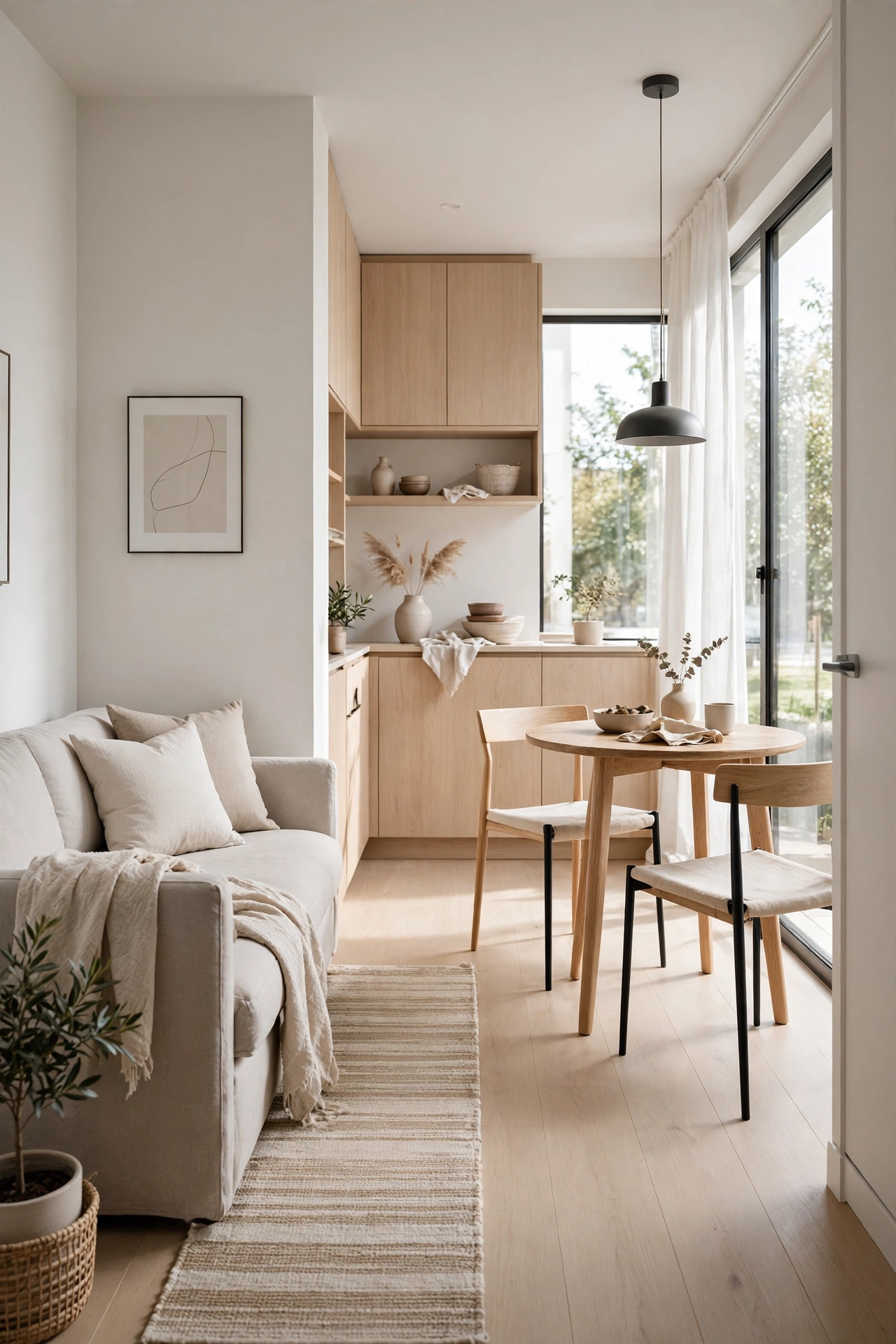
The way you arrange your furniture is just as important as the pieces you choose. To make a small living room feel larger, prioritize the ‘flow’ of the room. This means leaving clear walking paths and avoiding the temptation to push all the furniture against the walls, which can actually make a room feel smaller and more rigid. By pulling the sofa just a few inches away from the wall or using a slim-profile armchair, you create a sense of movement and airiness. This professional layout strategy ensures the room feels intuitive and spacious.
Defining the Space with a Bold Focal Point
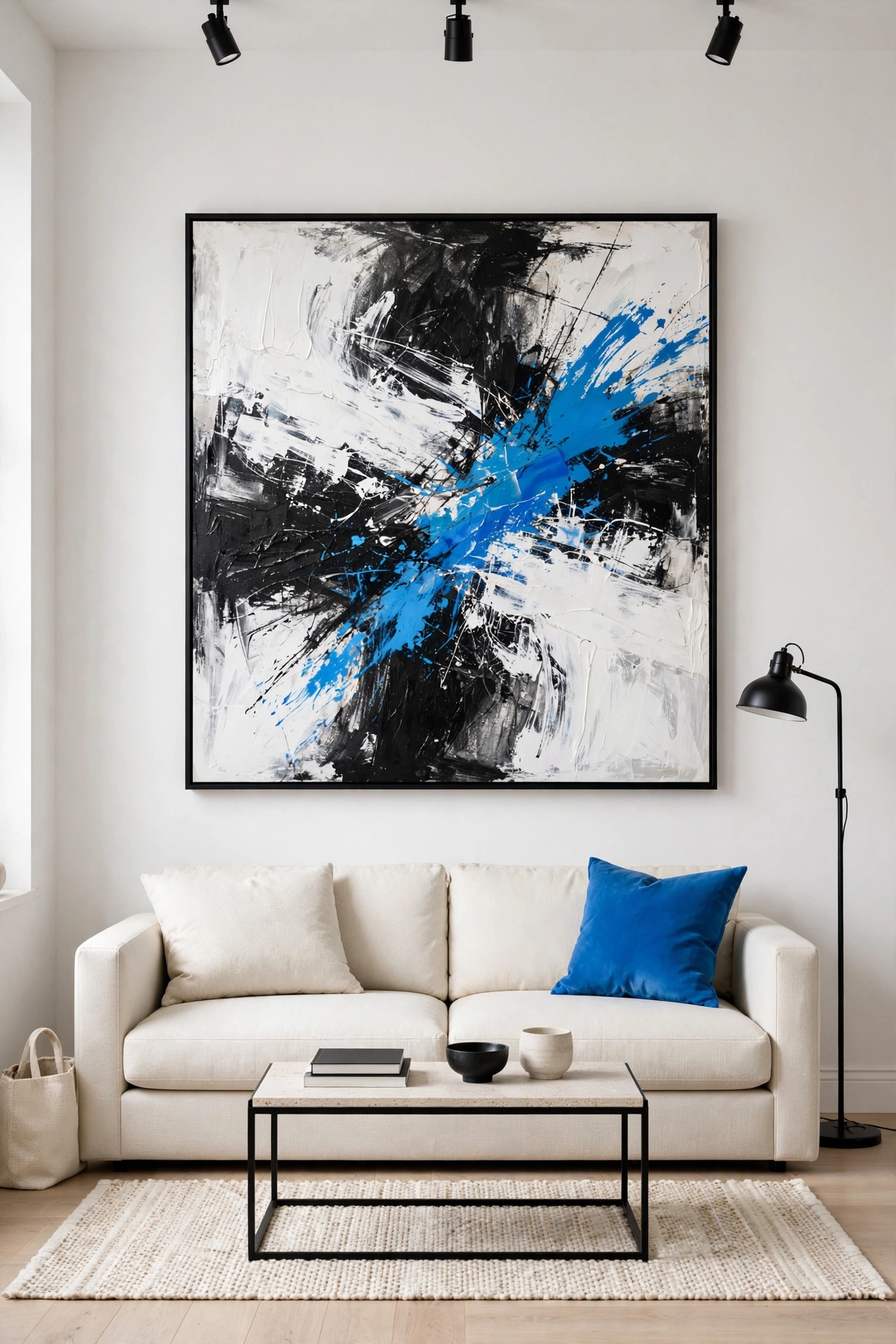
Many people make the mistake of filling a small room with many small decorations, which leads to visual clutter. Instead, the 2026 trend is to use one large, bold focal point—such as a piece of oversized art or a dramatic light fixture. A single large painting anchors the room and gives the eye a place to land, which paradoxically makes the rest of the room feel more open. By limiting the number of accessories and focusing on one high-impact piece, you create a sophisticated, curated look that feels like a luxury hotel suite.
The Elegance of Tone-on-Tone Layering
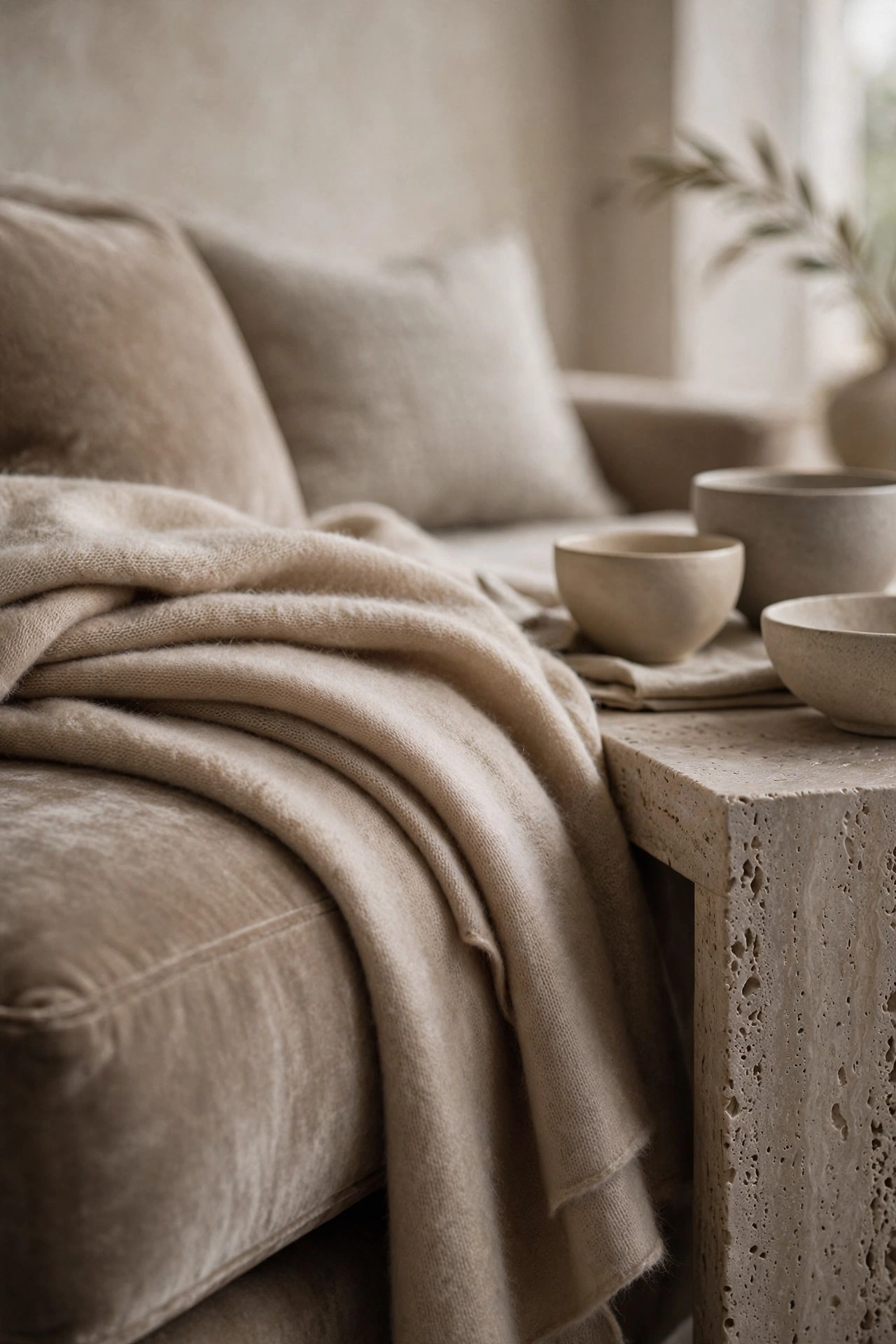
Tone-on-tone layering is the hallmark of ‘quiet luxury.’ By using different shades of the same color family—such as champagne, sand, and taupe—you create a sophisticated depth that doesn’t rely on loud colors. The key is to vary the materials; a velvet sofa paired with a cashmere throw and a stone side table creates a rich, tactile experience. This approach is ideal for small living rooms because it feels expensive and cohesive without being overwhelming, providing a serene backdrop that allows the mind to relax and the space to feel timeless.
Implementing Soft, Diffused Lighting Layers
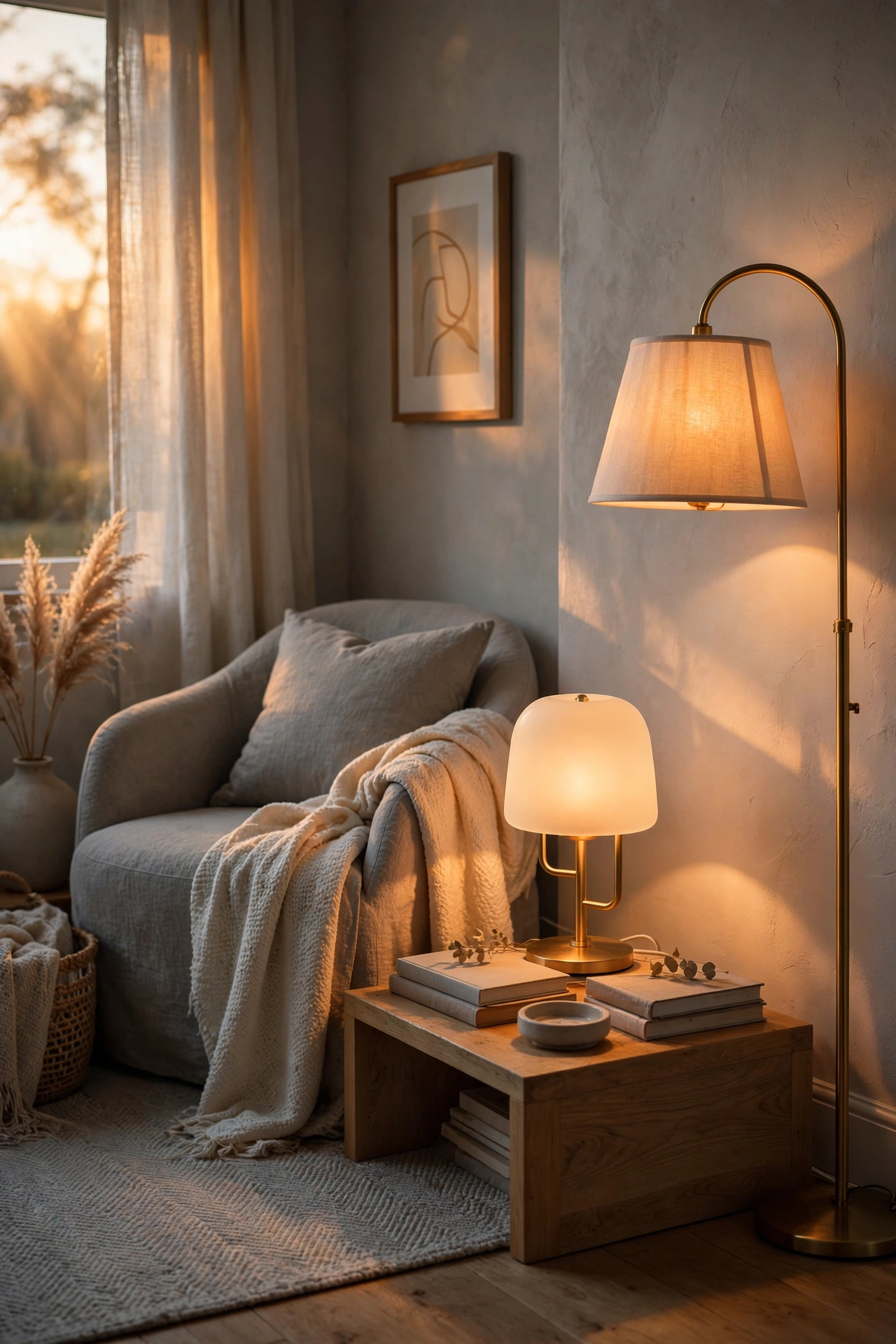
Lighting is the final touch that can either shrink or expand a room. Relying on a single overhead light often creates harsh shadows that make a room feel smaller and colder. Instead, implement ‘layered lighting’ by adding a floor lamp, a table lamp, and perhaps some integrated LED strips in shelving. By creating multiple pools of warm, diffused light, you draw attention to different corners of the room, adding dimension and warmth. In 2026, the focus is on ‘atmospheric lighting’ that can be adjusted to change the mood from a bright morning to a cozy evening.