
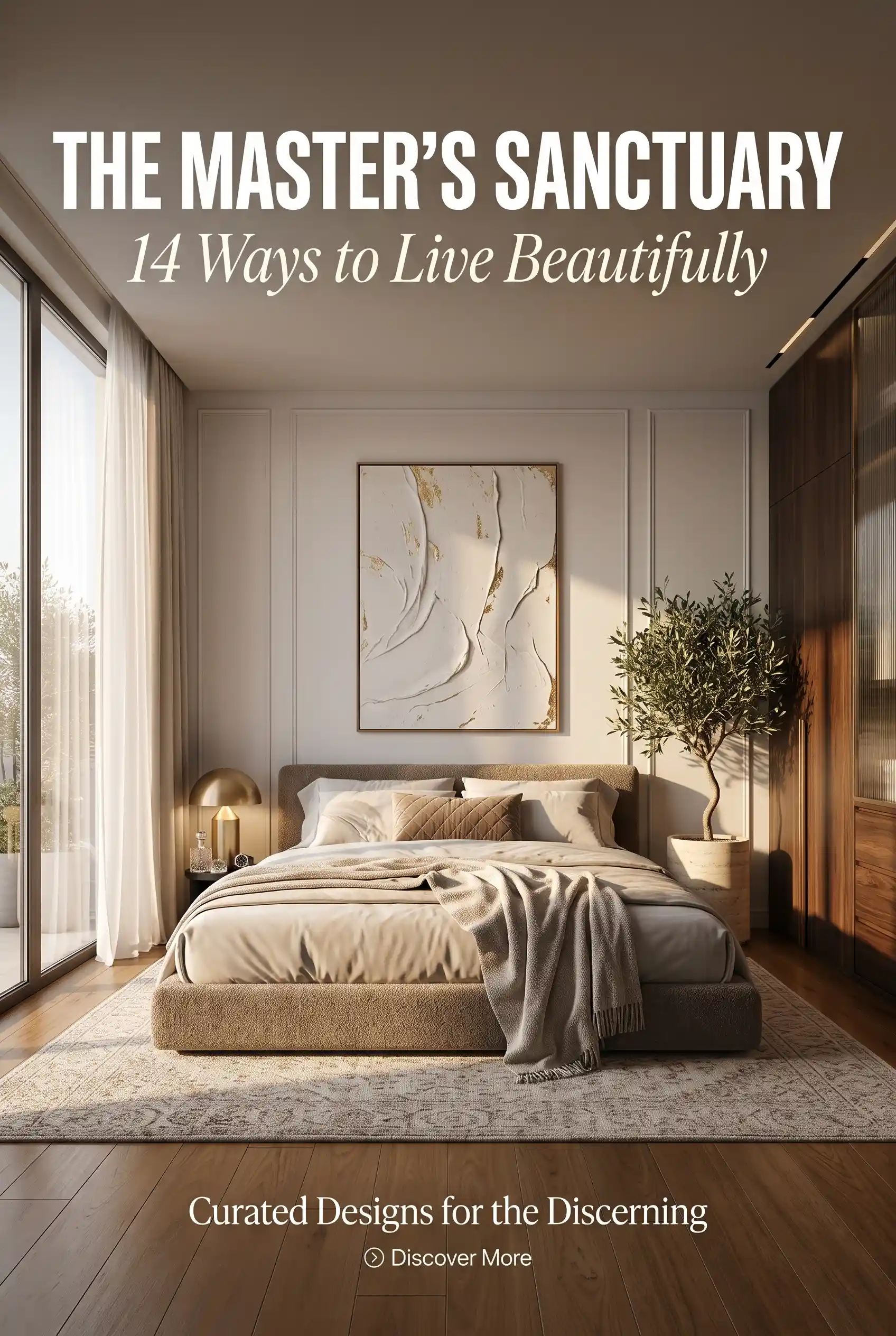
Creating a contemporary minimalist bedroom is about more than just removing furniture; it is about intentionally selecting pieces that serve a purpose while fostering a sense of peace and clarity. By balancing clean lines, a restrained color palette, and high-quality materials, you can transform your sleeping space into a sophisticated retreat that eliminates mental clutter. Whether you prefer the starkness of monochromatic whites or the warmth of organic textures, these curated design ideas will help you achieve a high-end, serene atmosphere that prioritizes rest and aesthetic harmony.
The Power of a Monochromatic White Palette
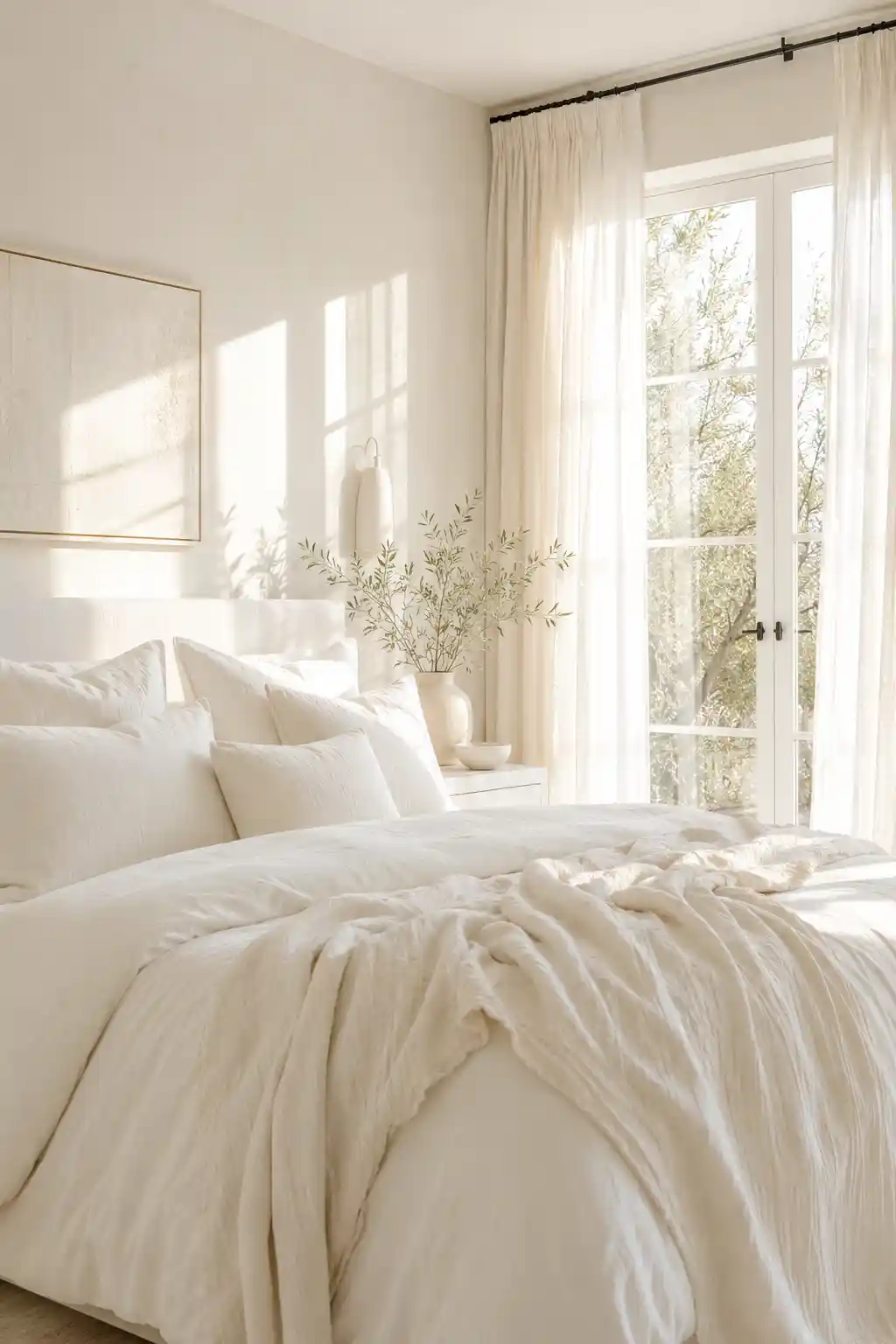
Adopting a monochromatic white palette is the cornerstone of contemporary minimalism. By layering various shades of white—such as cream, ivory, and alabaster—you prevent the room from feeling sterile while maintaining a bright, open atmosphere. This approach maximizes natural light, making smaller bedrooms feel significantly more spacious. To keep the space from looking flat, focus on varying your textures; combine a crisp cotton duvet with a chunky knit throw and a soft wool rug. The result is a visually quiet sanctuary that promotes mental clarity and deep relaxation.
Integrating Low-Profile Platform Beds
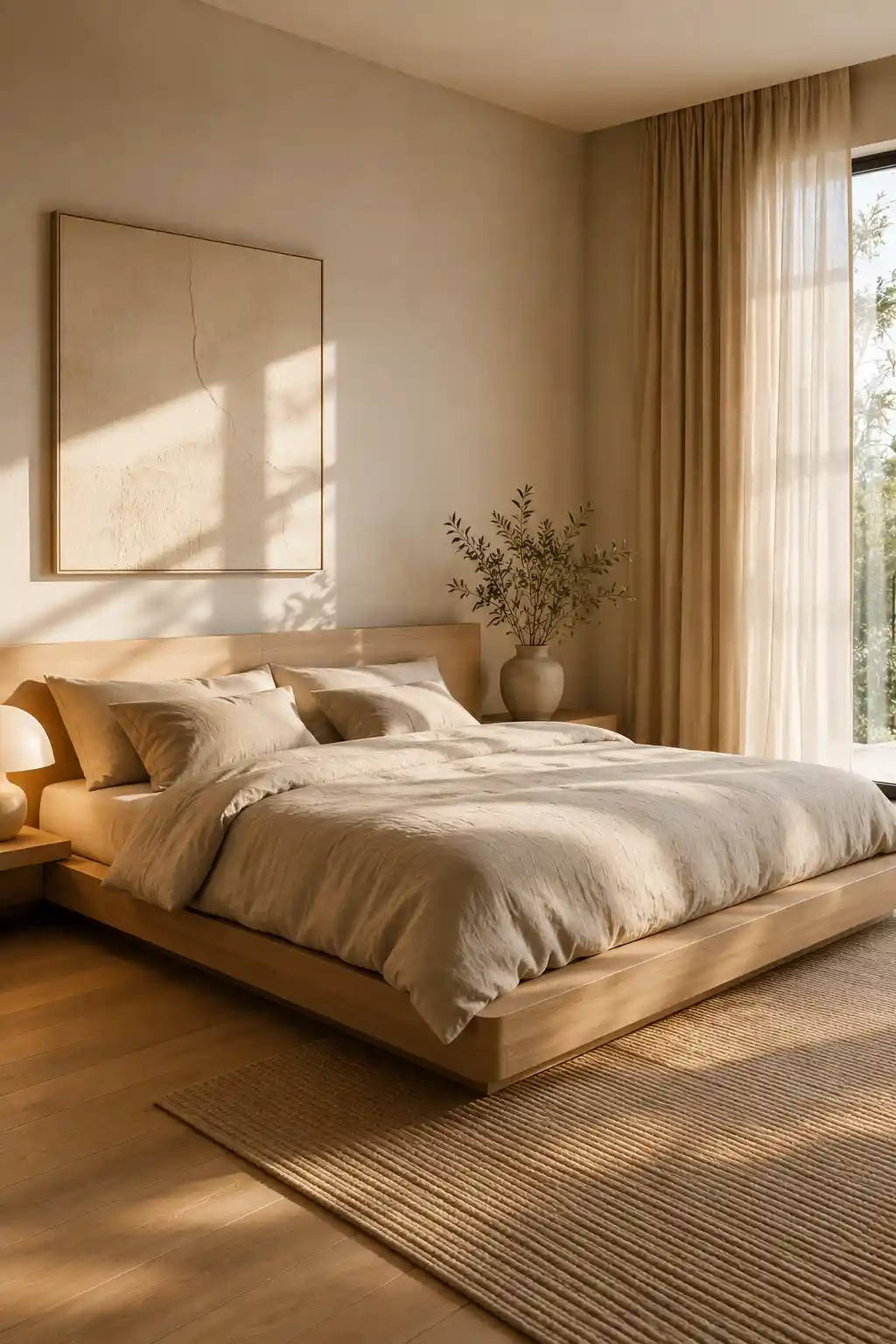
A low-profile platform bed is a quintessential element of minimalist design, drawing inspiration from Japanese aesthetics. By lowering the center of gravity in the room, you create a sense of openness and airiness above the furniture, which makes the ceilings feel higher. Choose a frame with clean, straight lines in a light-toned wood or a matte neutral finish. This grounding effect not only simplifies the visual landscape but also encourages a more mindful, relaxed approach to your sleep environment, stripping away the bulk of traditional bed frames.
Adding Warmth with Natural Wood Accents
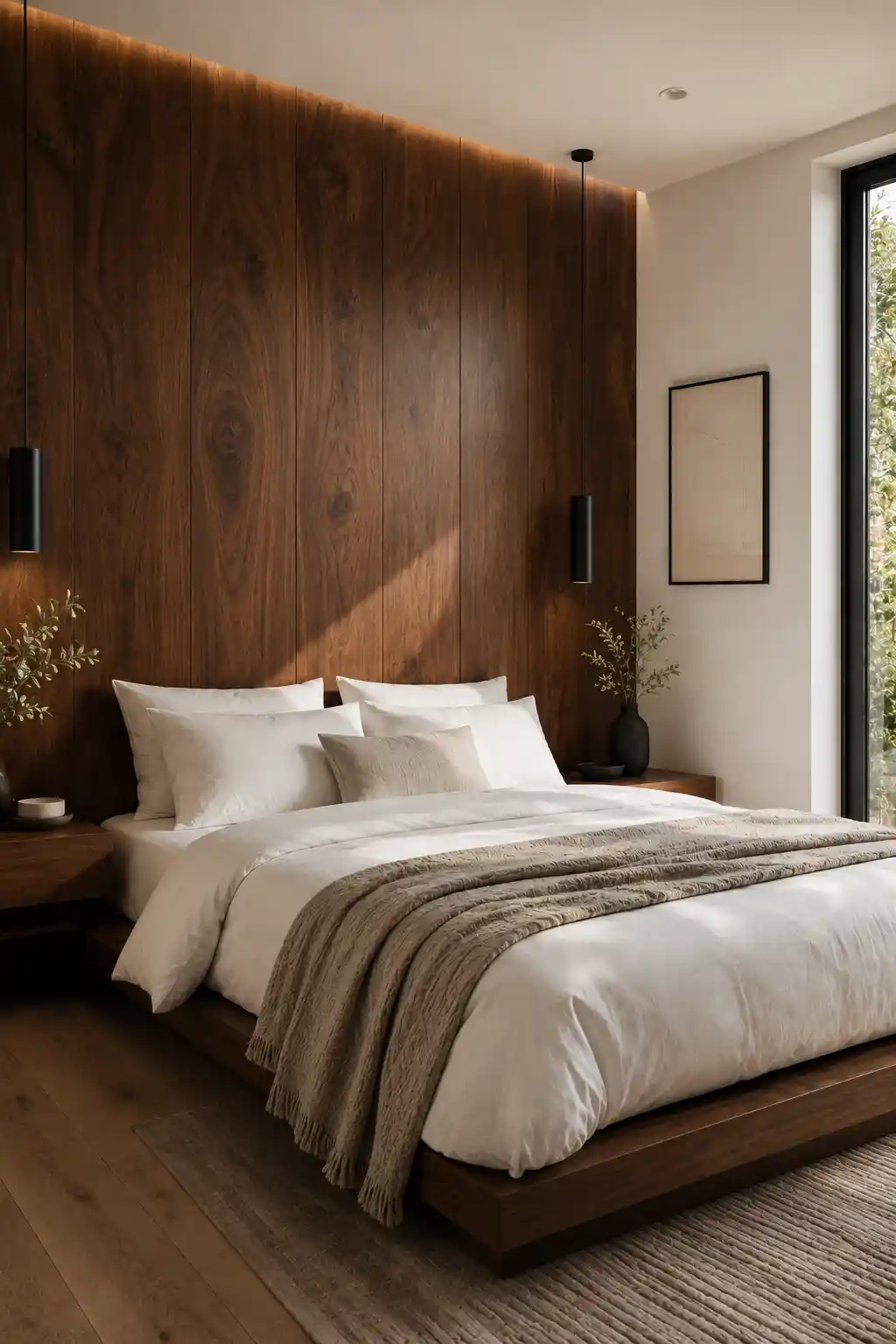
While minimalism often leans toward cool tones, incorporating natural wood accents prevents a room from feeling cold or impersonal. Using a rich walnut or a pale white oak for the headboard, flooring, or a small side table introduces an organic element that connects the indoors with nature. The contrast between the warmth of the wood and the coolness of white or grey walls creates a sophisticated balance. Focus on matte finishes rather than high-gloss to maintain a modern, understated look that feels timeless and inviting.
The Elegance of Floating Nightstands
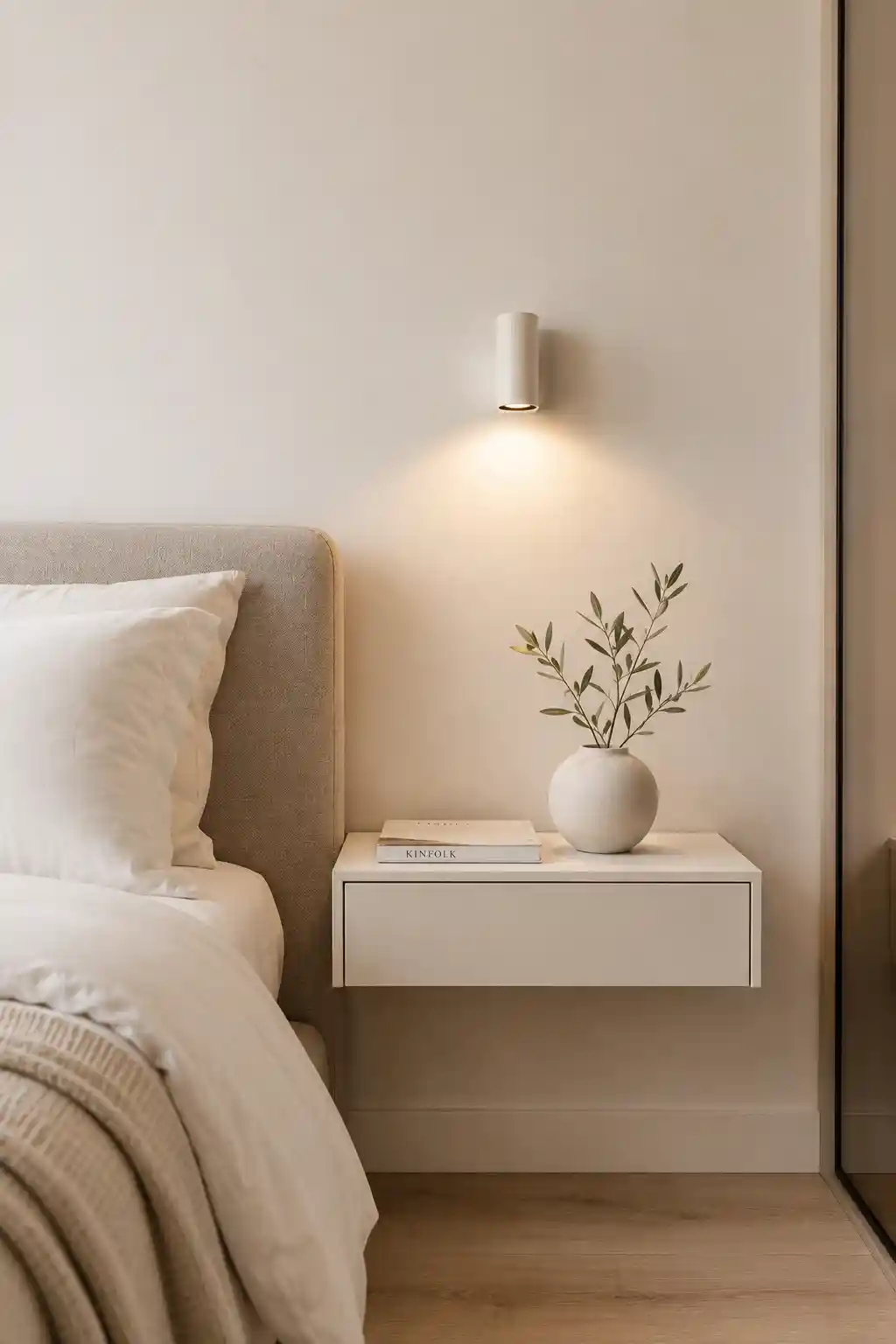
Floating nightstands are a brilliant way to maintain a clutter-free floor, which is essential for a minimalist aesthetic. By mounting your bedside storage directly to the wall, you create a seamless, streamlined look that enhances the perception of space. Opt for simple geometric shapes and push-to-open drawers to eliminate the need for bulky handles. This design choice not only looks modern but also makes cleaning much easier, ensuring that the lines of the room remain uninterrupted and the overall vibe stays lightweight and airy.
Layering Soft Textures for Depth

Minimalism does not have to mean a lack of comfort. The secret to a cozy minimalist bedroom is textural layering. Instead of using bold colors or patterns, use a variety of materials to create visual interest. Combine the breathability of linen sheets with the richness of a bouclé throw and the softness of a high-pile wool rug. These subtle differences in touch and appearance add depth and dimension to the room, ensuring the space feels curated and luxurious rather than empty or unfinished.
Sculptural Architectural Lighting
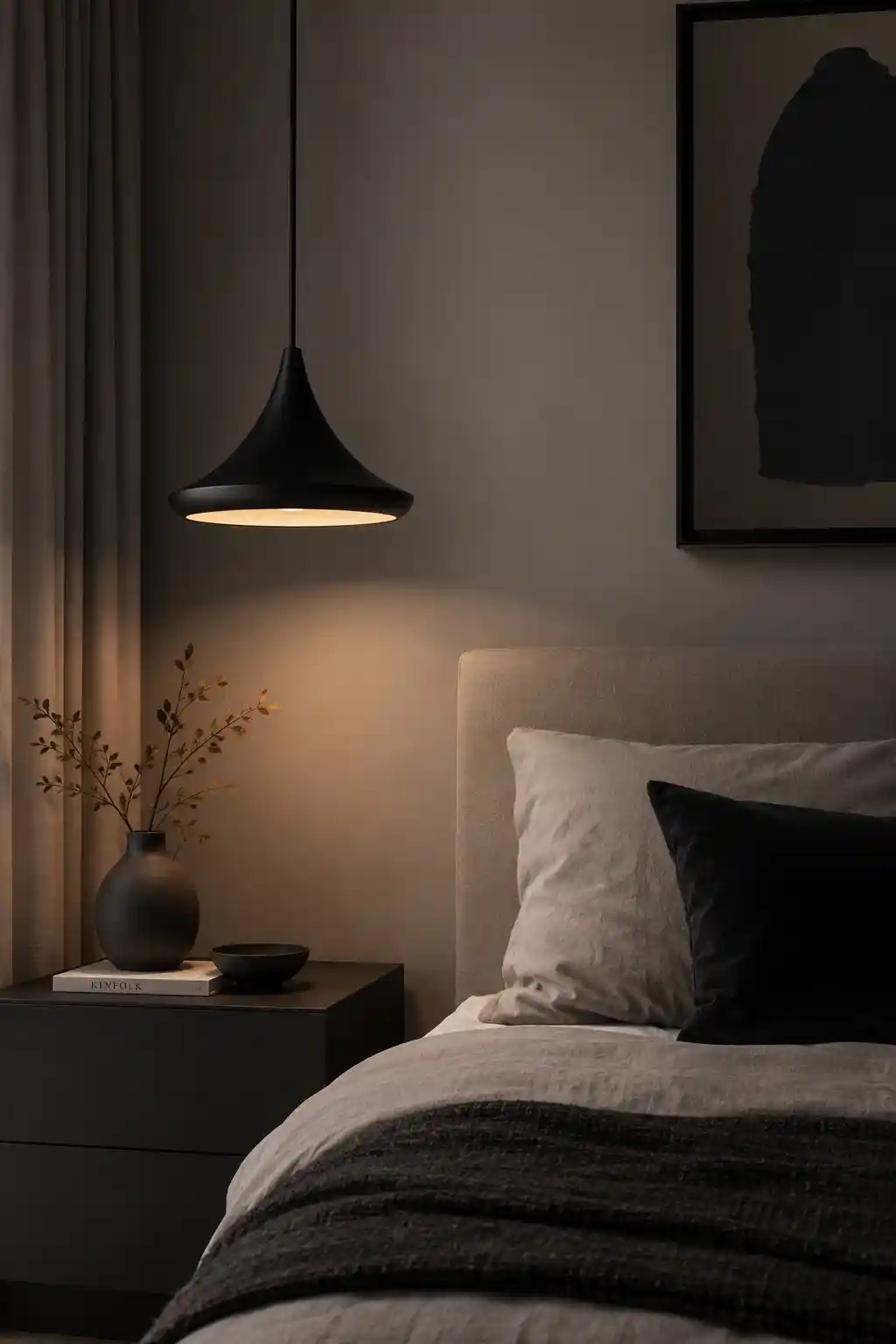
Lighting should be treated as a piece of art in a minimalist bedroom. Instead of traditional lamps, consider architectural fixtures like a slim matte black pendant or a recessed LED strip along the ceiling. Sculptural lighting provides a focal point that breaks the simplicity of the room without adding clutter. By utilizing layered lighting—combining soft ambient overheads with targeted task lighting for reading—you can shift the mood of the room from a bright, energizing morning space to a dim, tranquil sanctuary at night.
Airy Floor-to-Ceiling Sheer Curtains
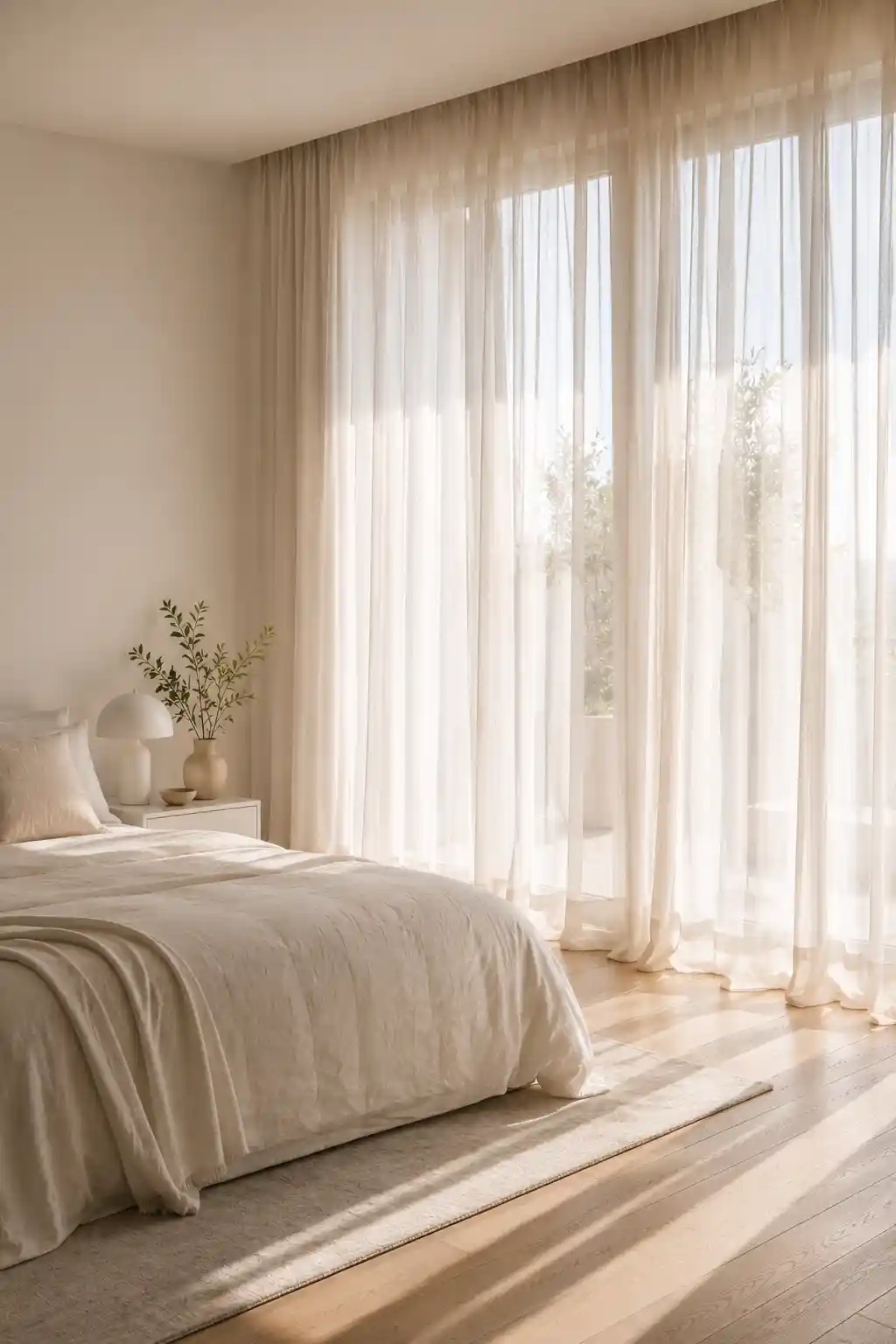
Window treatments play a huge role in how light interacts with a minimalist space. Floor-to-ceiling sheer curtains in white or light grey allow natural light to flood the room while providing necessary privacy. The vertical lines created by the hanging fabric draw the eye upward, emphasizing the height of the room and adding a romantic, ethereal quality. Choosing lightweight linens or voiles ensures that the windows don’t feel blocked, maintaining a seamless transition between the interior sanctuary and the outside world.
Grounding the Space with Muted Earth Tones
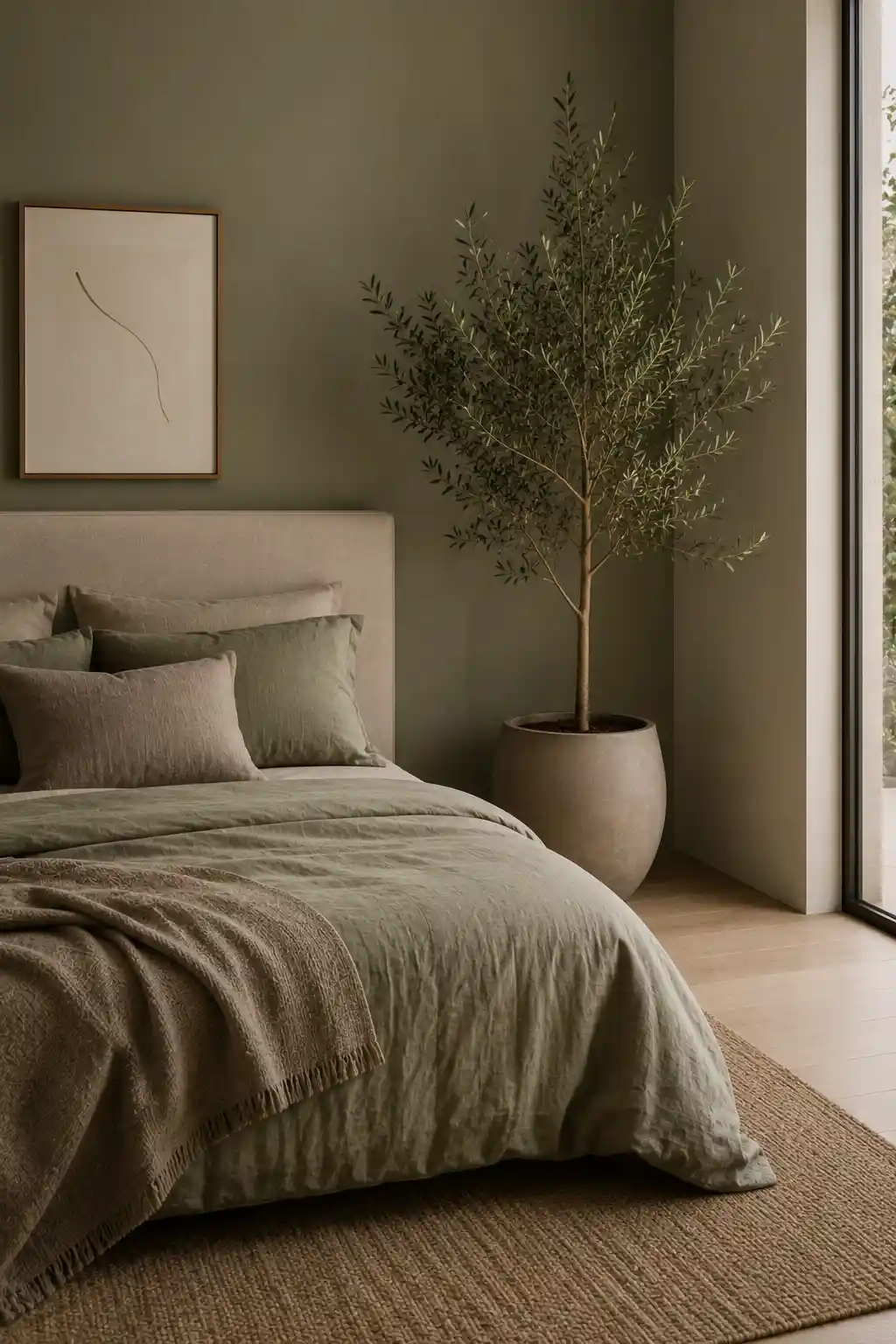
If an all-white room feels too stark, muted earth tones are the perfect alternative. Shades of sage green, soft taupe, and warm sand bring a sense of stability and nature into the bedroom. These colors are psychologically calming, making them ideal for a space dedicated to sleep. To keep the look contemporary, use these tones in a tonal fashion—meaning you use different shades of the same color family. This creates a cohesive, sophisticated environment that feels grounded and serene without sacrificing the minimalist ethos.
Seamless Built-in Wardrobes
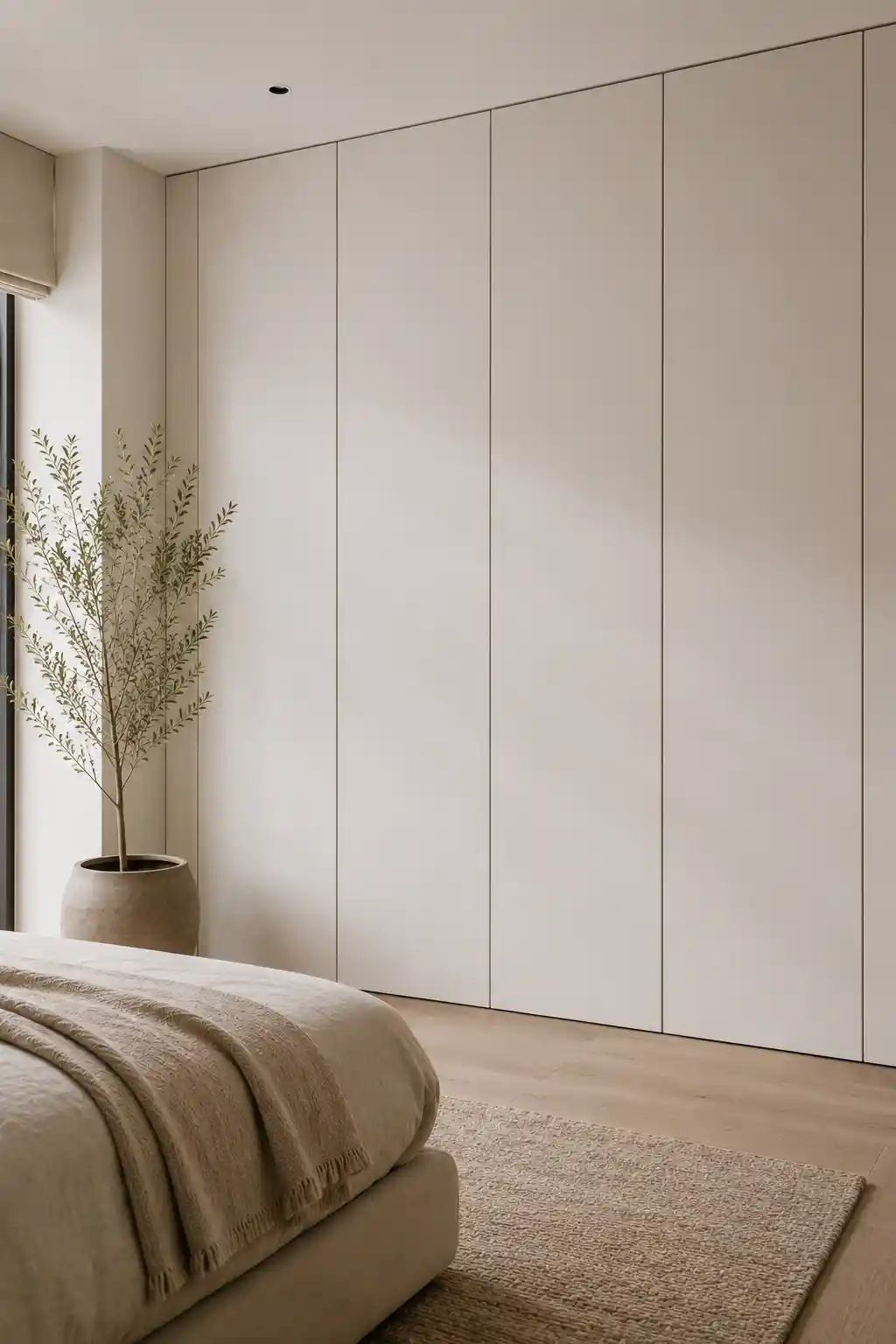
Clutter is the enemy of minimalism, and nothing creates clutter faster than an overflowing closet. Seamless built-in wardrobes that blend into the walls are the ultimate solution. By opting for handle-less, push-to-open panels in the same color as your walls, the storage becomes invisible, effectively turning a wall of clothes into a clean architectural plane. This integration removes visual noise from the room, allowing the mind to relax and the focal points—like the bed or a piece of art—to truly shine.
A Single Statement Piece of Minimalist Art
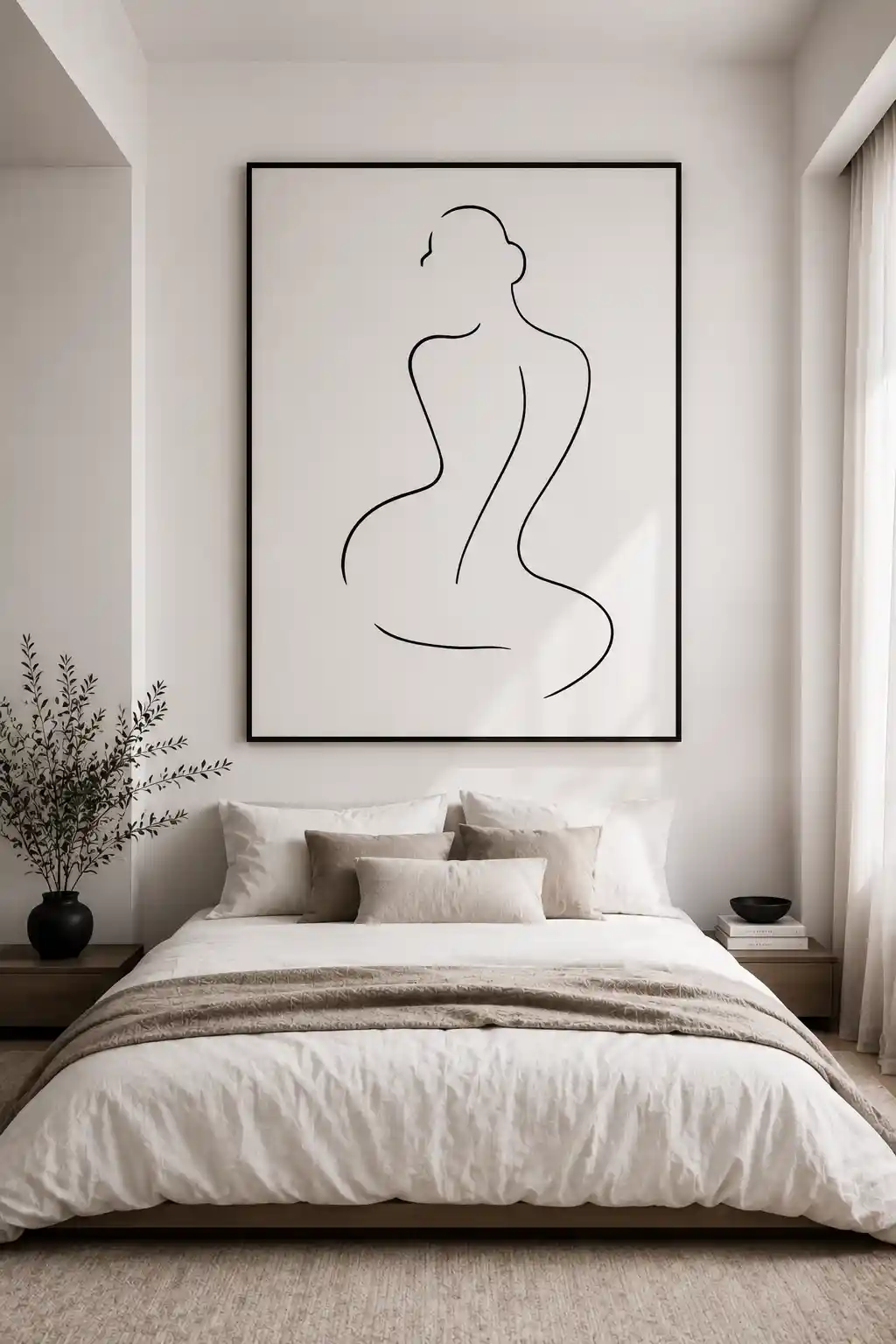
In a minimalist bedroom, less is more, which means one well-chosen piece of art can have a massive impact. Instead of a gallery wall, choose a single oversized canvas featuring abstract line art or a monochromatic landscape. This creates a sophisticated focal point that reflects your personality without overwhelming the space. The key is to ensure there is plenty of negative space around the artwork, allowing it to breathe and drawing the viewer’s eye to the simplicity and elegance of the composition.
Sleek Micro-cement or Polished Concrete Floors
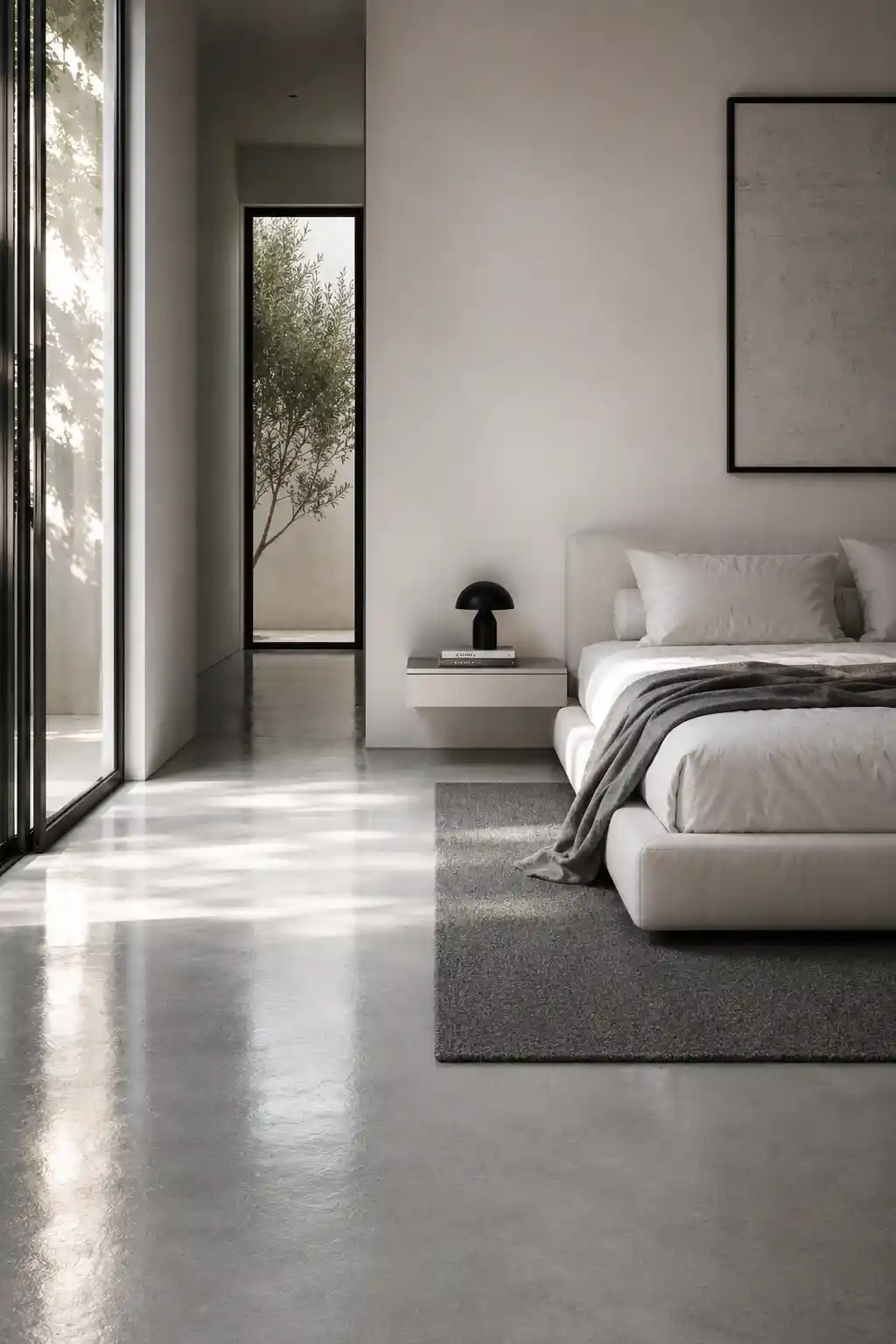
For those leaning toward a more industrial version of contemporary minimalism, micro-cement or polished concrete floors are an excellent choice. These materials provide a seamless, continuous surface that eliminates the grout lines of tile or the seams of wood. The cool, grey tones of concrete act as a neutral base that complements almost any color palette. To keep the room from feeling too cold, simply add a plush area rug under the bed to provide warmth and tactile comfort underfoot.
Embracing Organic Shapes in Furniture
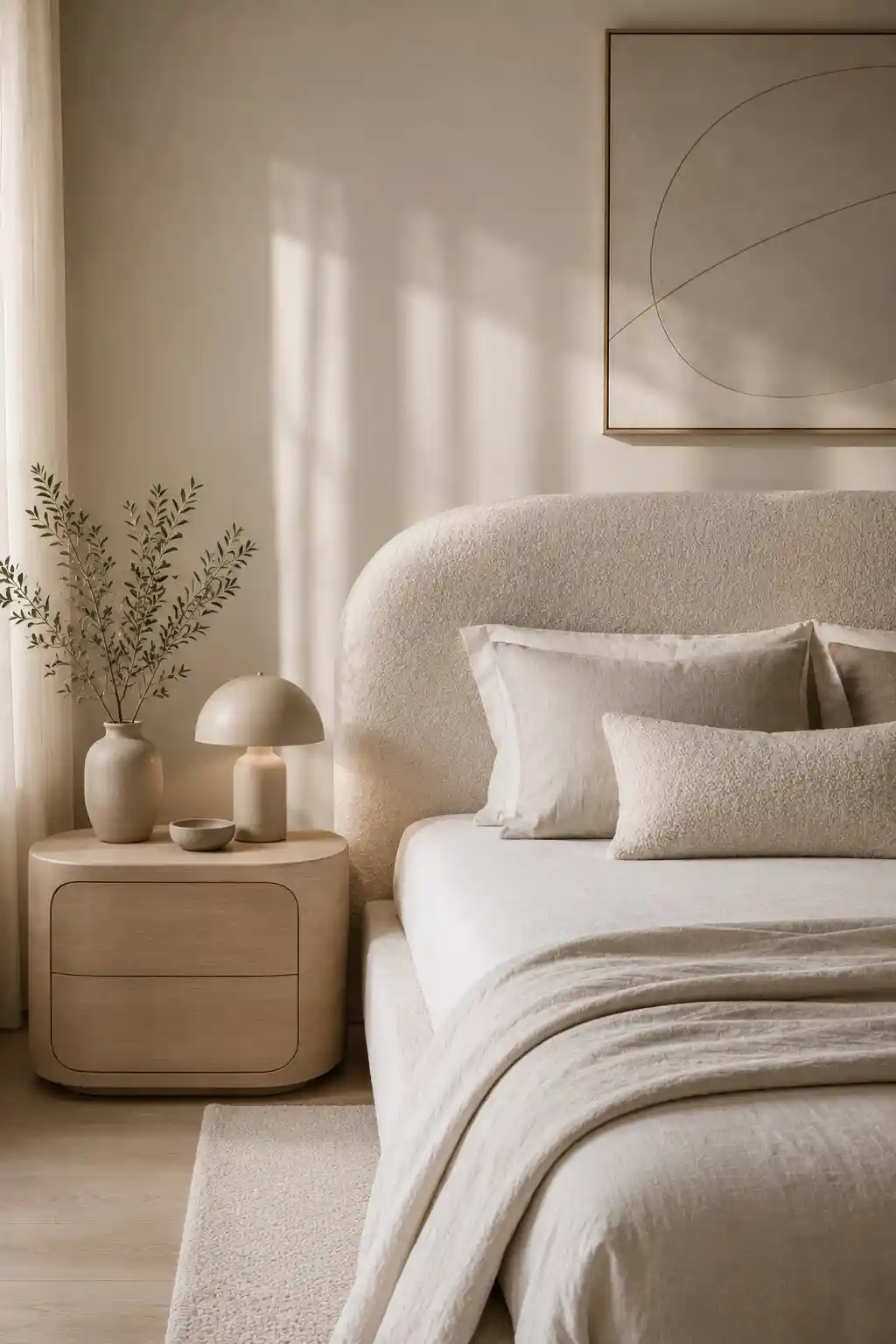
While minimalism is often associated with hard angles and straight lines, introducing organic shapes can soften the room’s energy. A curved headboard, a round mirror, or a circular side table breaks the rigidity of the space and adds a touch of modern fluidity. These softer silhouettes make the bedroom feel more inviting and less clinical. The contrast between the strict minimalist layout and these gentle curves creates a dynamic visual tension that is highly characteristic of high-end contemporary interior design.
Integrated and Hidden Smart Home Technology
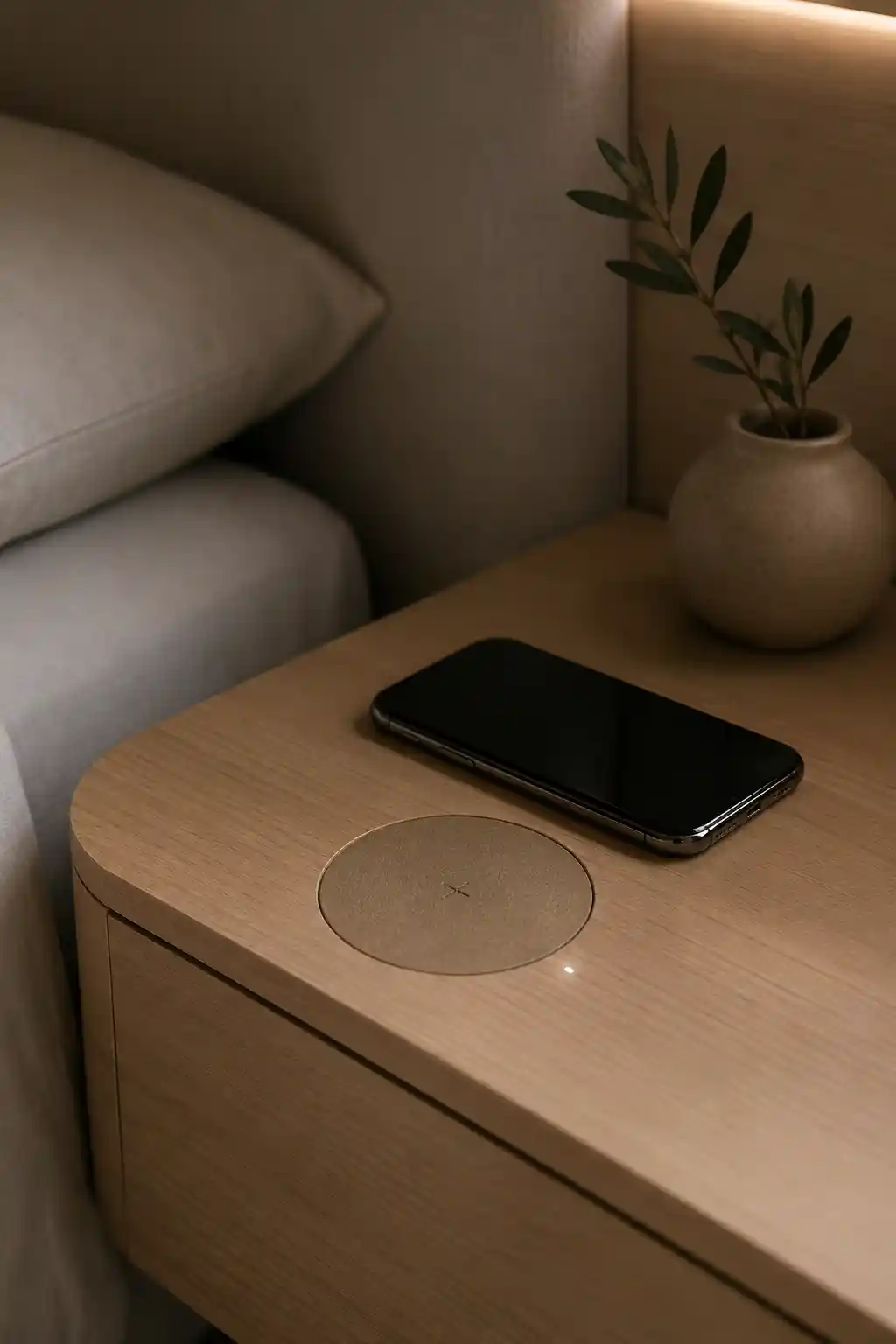
Nothing ruins a minimalist aesthetic faster than a tangle of charging cables and electronic clutter. Integrating smart home technology directly into your furniture is the modern way to stay connected without the chaos. Consider bedside tables with built-in wireless charging pads or smart lighting systems that are recessed into the architecture. By hiding the hardware and eliminating visible wires, you preserve the clean lines of your sanctuary while still enjoying the convenience of a modern, high-tech lifestyle.
Creating a Zen Reading Nook
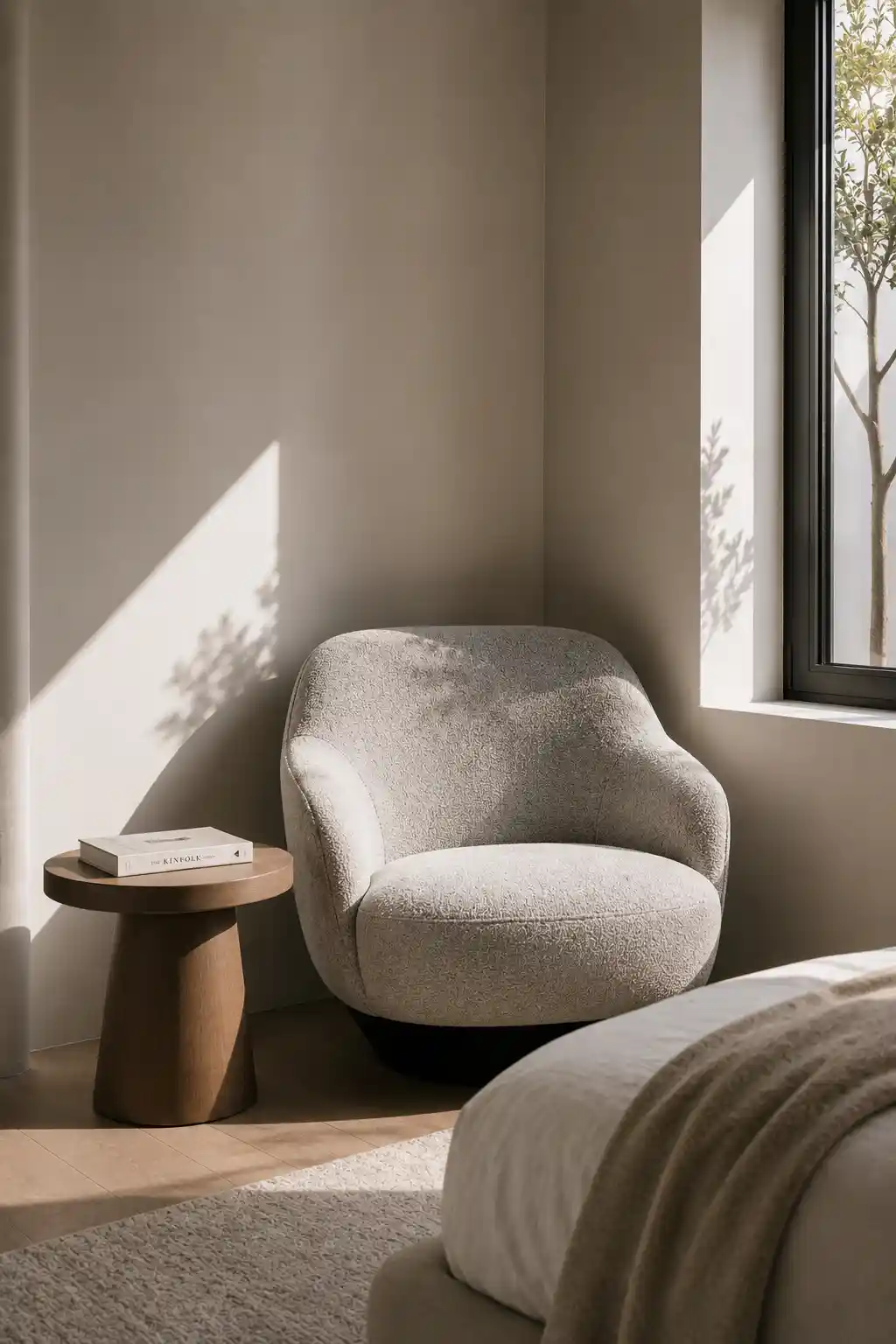
Even in a minimalist room, creating a dedicated zone for a specific activity can add a layer of luxury. A Zen reading nook, consisting of a single high-quality lounge chair and a small side table, provides a space for mindfulness and quiet reflection. Position this nook near a window to take advantage of natural light. By limiting the furniture to just a few essential pieces, you create a pocket of tranquility that encourages you to unplug from the digital world and unwind before sleep.