

Transforming your bedroom into a sanctuary of peace is about more than just aesthetics; it is about the intentional flow of energy. By applying the ancient principles of Feng Shui, you can optimize your sleep environment to reduce stress and promote deep, restorative rest. From the strategic placement of your bed to the mindful selection of colors and textures, every detail plays a role in how you feel when you wake up. Discover how to blend modern interior design with traditional energy practices to create a space that truly supports your well-being.
Prioritize the Commanding Position

The commanding position is a cornerstone of Feng Shui, focusing on the strategic placement of the bed to foster a sense of security and control. Ideally, your bed should be placed so that you can see the bedroom door without being directly in line with it. This prevents the unsettling feeling of being vulnerable while you sleep. By positioning the bed diagonally from the entrance, you allow energy to flow smoothly into the room while maintaining a protective boundary. This simple shift in layout can significantly lower anxiety and improve the overall quality of your sleep.
Create Symmetry for Relationship Balance

Symmetry in the bedroom is not just about visual appeal; it is about creating a sense of equilibrium and partnership. In Feng Shui, having matching nightstands and lamps on either side of the bed symbolizes equality and balance in a relationship. When one side of the bed is cluttered or neglected while the other is pristine, it can create an energetic imbalance. By mirroring your furniture and decor, you cultivate a harmonious atmosphere that promotes emotional stability and a more peaceful transition into sleep for both partners.
Incorporate Grounding Earth Tones

Color choice is pivotal for sleep optimization, and earth tones are the most effective for grounding your energy. Shades of terracotta, muted sage, sandy beige, and soft ochre mimic the natural world, helping the mind feel safe and connected to the earth. These colors avoid the overstimulation of bright reds or the coldness of stark whites, instead offering a warm, enveloping embrace. Integrating these hues through bedding, accent walls, or curtains creates a cocoon-like effect that signals to your brain that it is time to wind down and relax.
Clear the Energy Under Your Bed

Many of us use the space under the bed as a hidden storage area for suitcases, old shoes, or seasonal clothing. However, from a Feng Shui perspective, this creates stagnant energy and physical blockages that can disrupt your sleep patterns. To optimize your sleep, it is essential to keep the area beneath your bed completely clear. This allows the ‘Chi’ or life force to circulate freely around your body as you rest. If storage is absolutely necessary, stick to soft items like spare linens or pillows to maintain a lighter energetic footprint.
Layer Soft Textures for Comfort

Tactile comfort is a vital part of sleep hygiene and energetic flow. By layering different textures—such as a chunky knit throw over smooth cotton sheets and plush velvet pillows—you create a sensory experience that feels luxurious and nurturing. In Feng Shui, the use of soft materials helps to soften the harsh edges of a room, reducing the ‘poison arrows’ of sharp corners and straight lines. This softness encourages the body to release tension, making it easier to drift into a deep, uninterrupted sleep state throughout the night.
Optimize Lighting for Circadian Rhythm

Lighting plays a massive role in how our bodies prepare for sleep. To optimize your bedroom, utilize a layered lighting approach. During the day, allow soft, filtered natural light to fill the space to keep your mood elevated. As evening approaches, switch to warm, dimmable lamps that mimic the sunset, which triggers the production of melatonin. High-quality blackout curtains are also essential for ensuring that external light pollution doesn’t disrupt your REM cycle, allowing for a completely dark environment that supports the body’s natural circadian rhythms.
Introduce Air-Purifying Living Plants

Bringing elements of nature indoors is a key principle of Feng Shui, as plants introduce living energy and vitality into the room. Specifically, air-purifying plants like the snake plant or peace lily are excellent for the bedroom because they help filter toxins and increase oxygen levels. This creates a fresher, cleaner atmosphere that directly improves breathing and sleep quality. To keep the energy balanced, avoid oversized plants that overwhelm the space or cacti with sharp spines, which can introduce ‘aggressive’ energy into a place meant for rest.
Strategic Mirror Placement
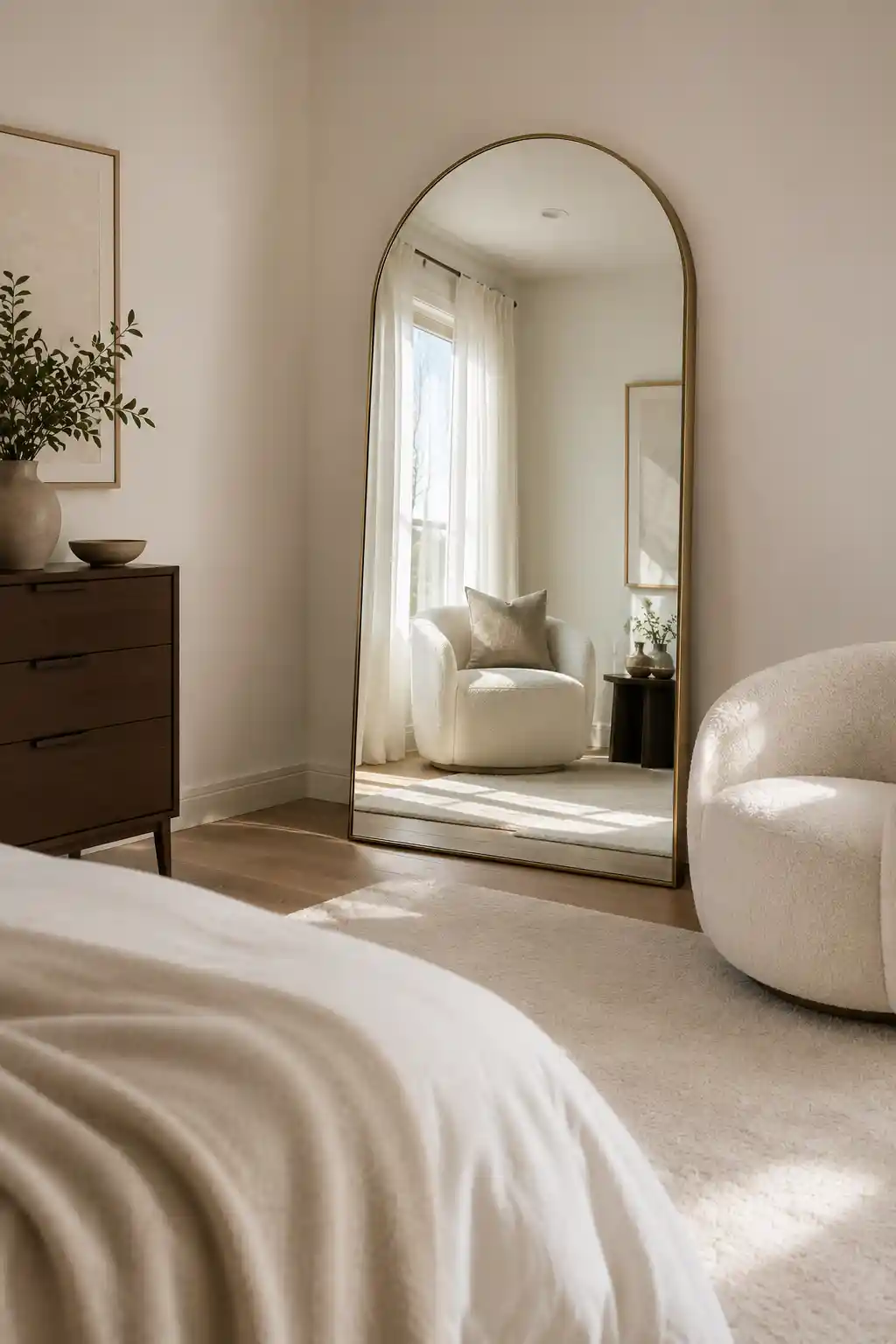
While mirrors are great for adding light and depth to a room, their placement is critical in a Feng Shui-optimized bedroom. The general rule is to avoid placing a mirror directly facing the bed. In traditional practice, mirrors are thought to bounce energy around the room, which can lead to restlessness or a feeling of being watched, preventing a deep sleep. Instead, place your mirror on a side wall or inside a closet door. This allows you to enjoy the visual benefits of the mirror without disrupting the calming energy of your sleeping zone.
Utilize Calming Aromatherapy
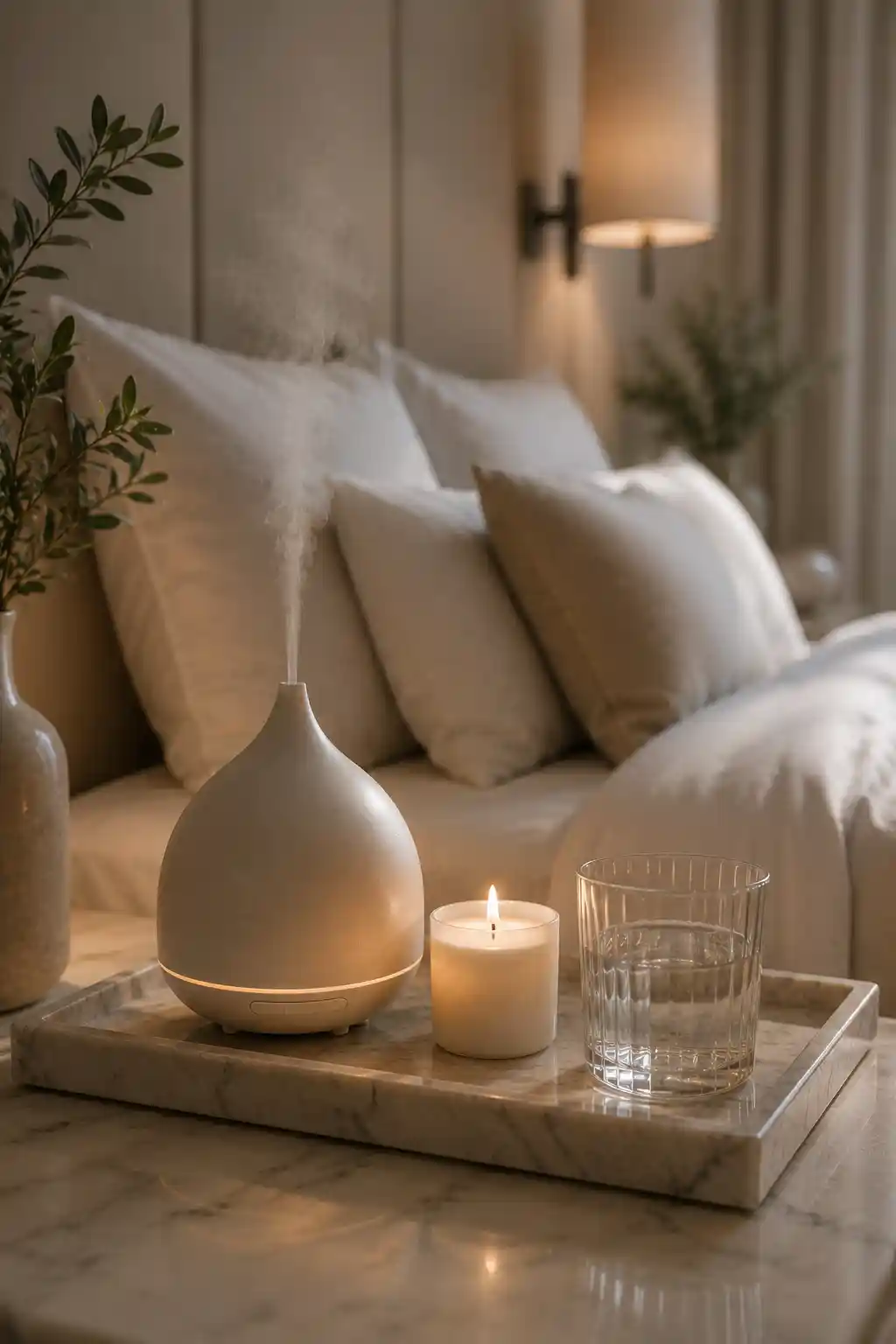
The sense of smell is one of the fastest ways to communicate with the brain’s emotional center. Integrating aromatherapy into your bedroom routine helps anchor the space as a zone for relaxation. Scents like lavender, sandalwood, and chamomile are renowned for their ability to lower heart rates and reduce stress levels. Using a high-quality diffuser or a natural soy candle on a marble tray adds a touch of luxury while signaling to your nervous system that it is time to switch from ‘work mode’ to ‘rest mode,’ optimizing your mental readiness for sleep.
Embrace Minimalist Bedding Choices
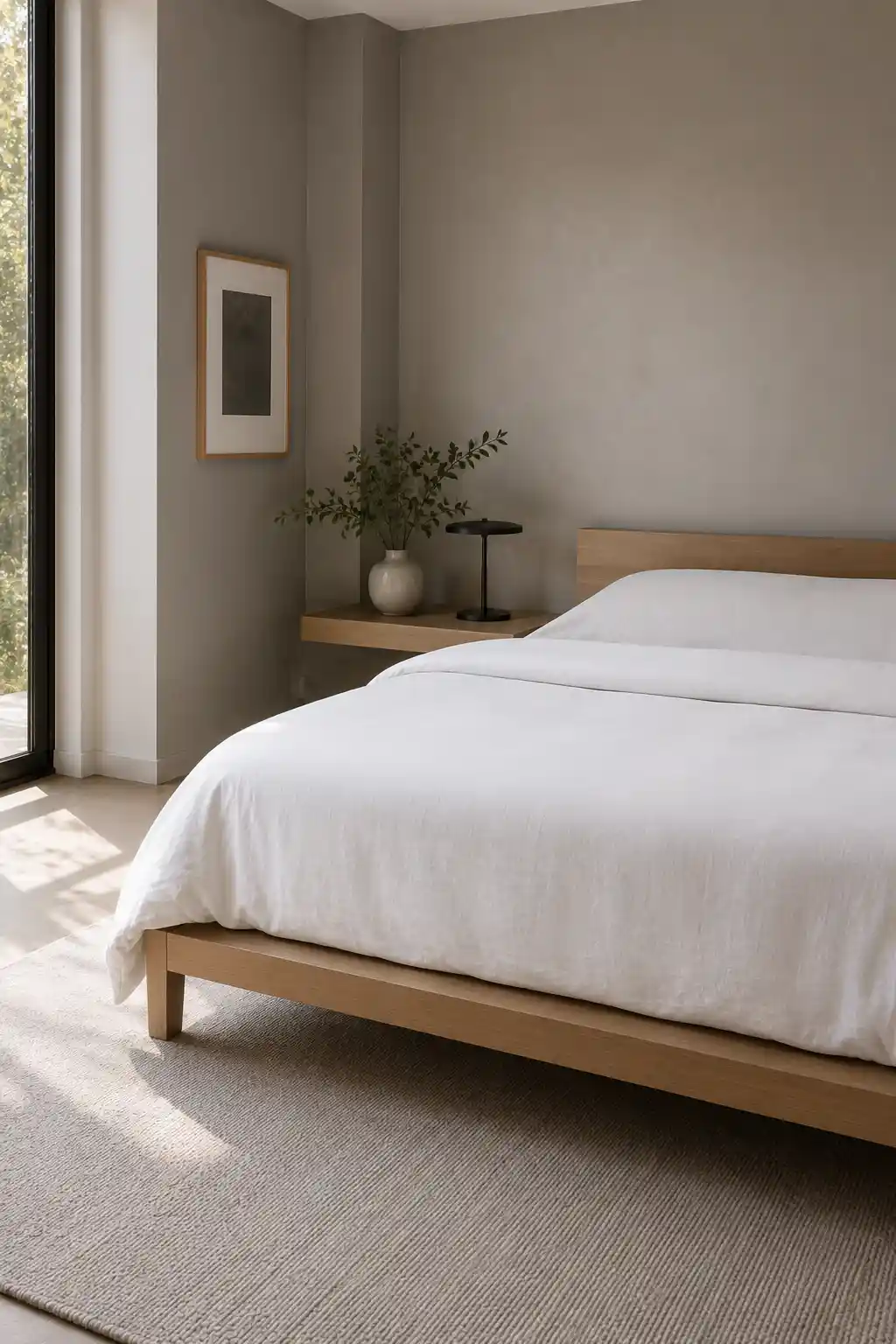
Visual clutter leads to mental clutter, and in the bedroom, this can manifest as insomnia or racing thoughts. Embracing a minimalist approach to your bedding—focusing on a few high-quality pieces rather than a mountain of decorative pillows—creates a sense of openness and clarity. Stick to a neutral, cohesive color palette and breathable materials like organic cotton or linen. By stripping away the unnecessary, you remove visual noise, allowing your mind to settle more quickly and ensuring that your bedroom remains a pure sanctuary dedicated solely to rest and recovery.