
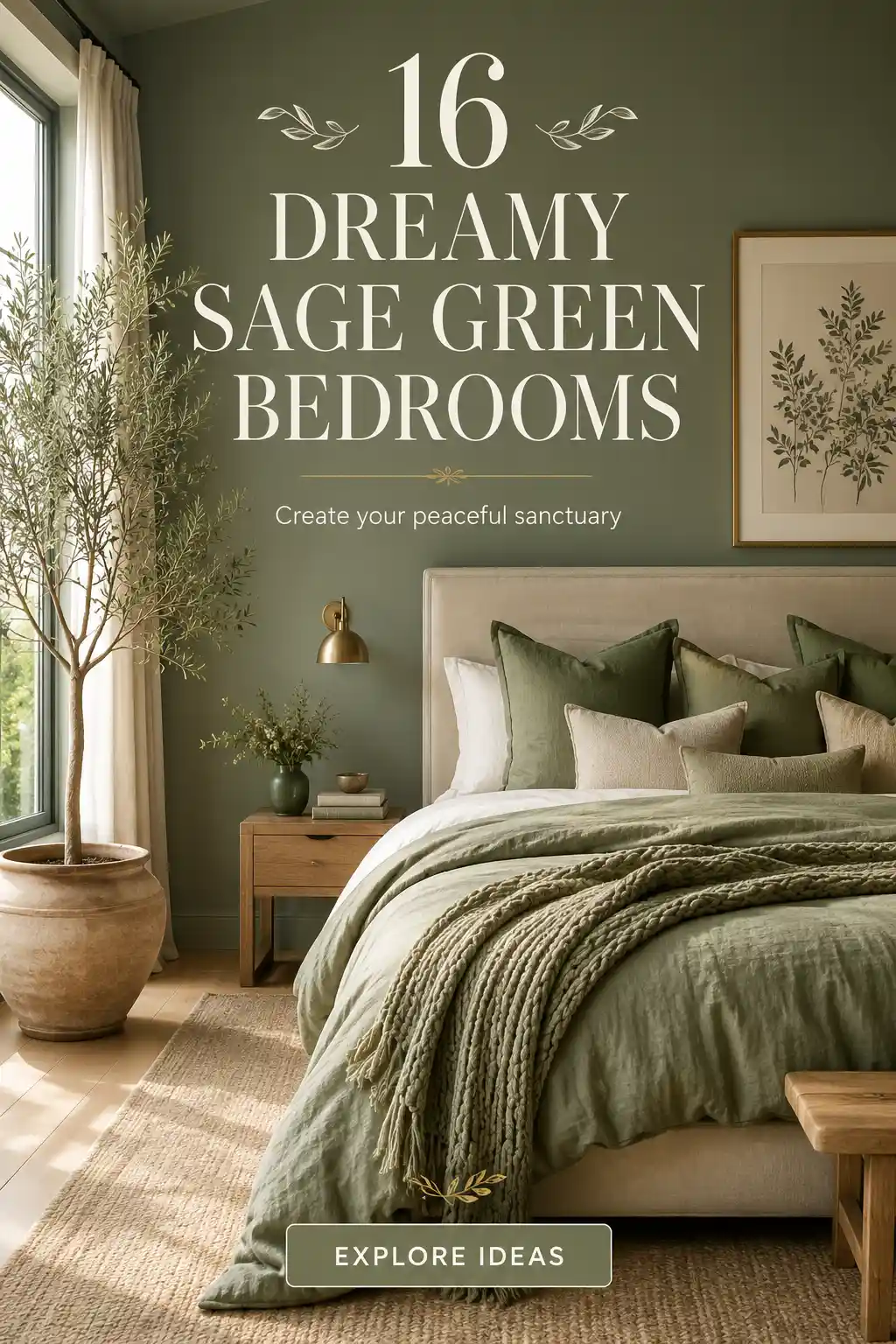
Transforming your bedroom into a sanctuary starts with the right color palette. Sage green is the perfect balance between calming neutrals and vibrant nature-inspired tones, offering a timeless appeal that promotes relaxation and deep sleep. Whether you prefer a moody, dark aesthetic or a light, airy feel, this versatile shade blends seamlessly with various textures and materials. In this guide, we explore sixteen unique ways to incorporate sage green into your space to create a sophisticated, tranquil haven that feels both modern and organic.
The Classic Sage Accent Wall
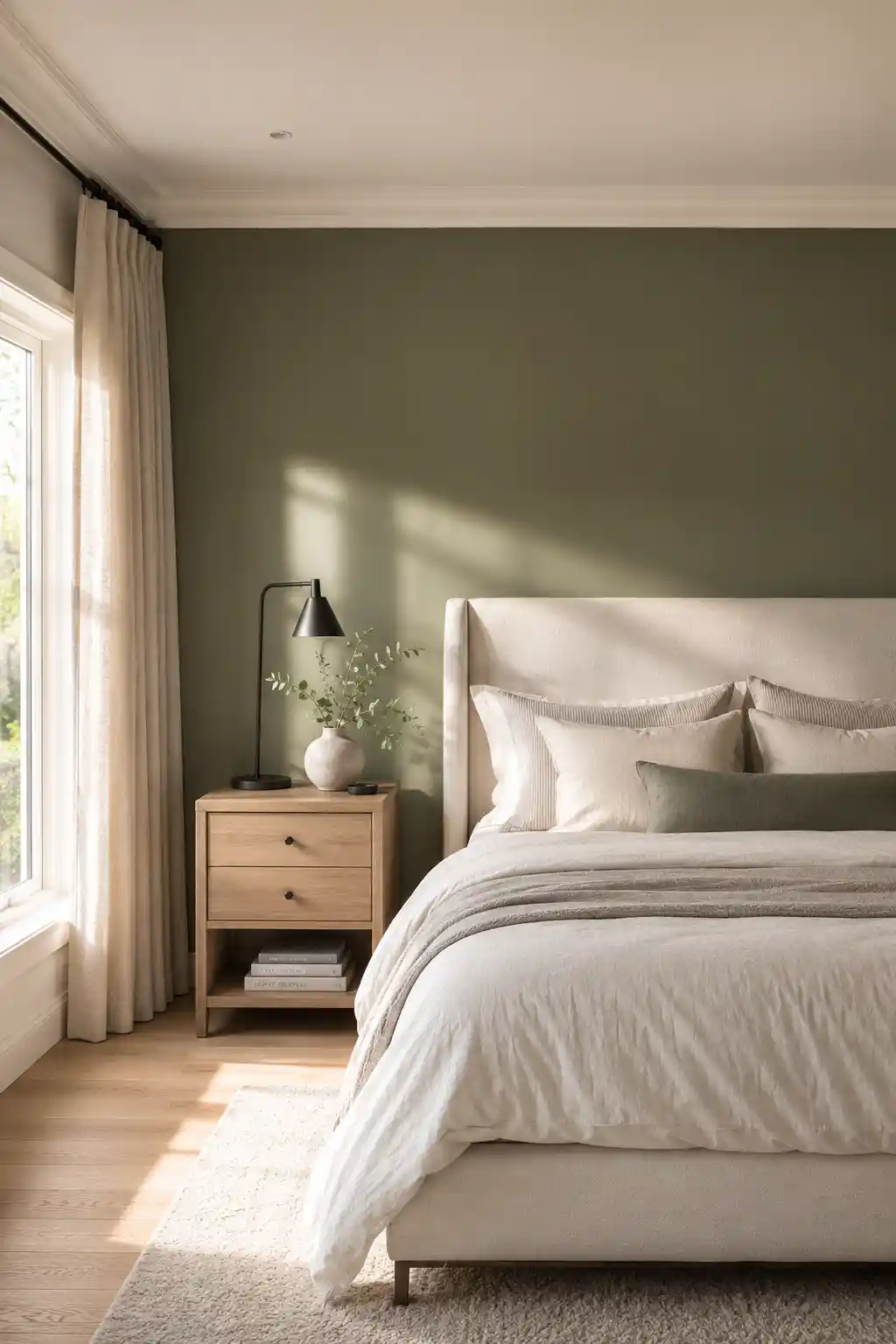
Implementing a sage green accent wall is one of the most effective ways to introduce color without overwhelming the entire room. By painting the wall behind your headboard, you create a natural focal point that draws the eye and anchors the space. This technique works exceptionally well in rooms with plenty of natural light, as the green shifts in tone throughout the day. To keep the look sophisticated, pair the sage wall with neutral tones like cream, beige, or light grey on the remaining walls. This balance prevents the room from feeling too enclosed while still providing that cozy, cocoon-like atmosphere that is essential for a restful bedroom environment.
Luxury Sage Velvet Headboard
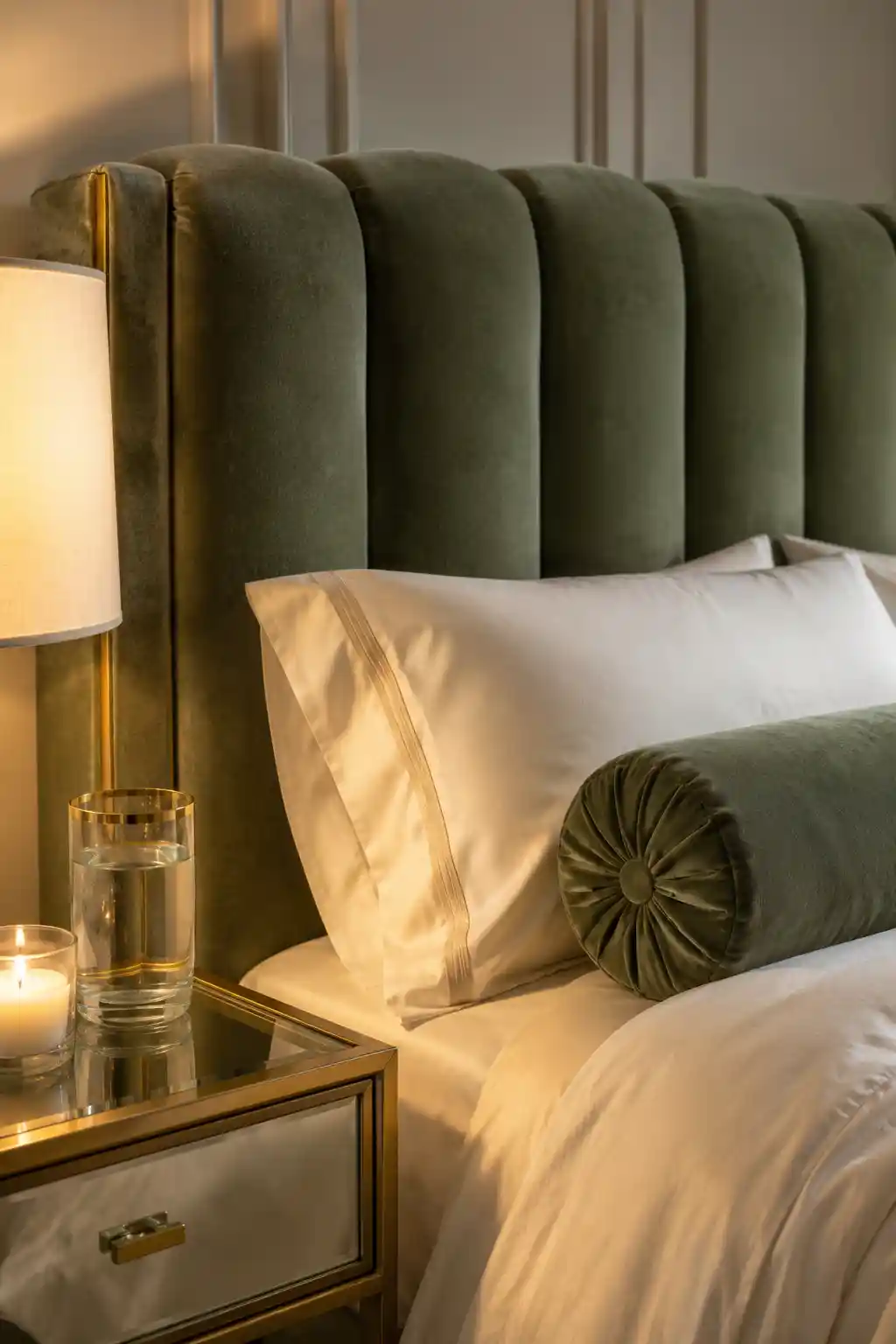
If you are hesitant to commit to painted walls, introducing sage green through a velvet headboard is a luxurious alternative. Velvet is a heavy, tactile fabric that catches the light beautifully, adding depth and dimension to the shade of green. A channel-tufted or button-tufted design adds a touch of architectural interest and a sense of high-end hotel luxury. To complement the richness of the velvet, use bedding in lighter shades like ivory or champagne. This creates a stunning visual contrast that makes the sage green pop while maintaining a serene and airy feel, perfect for those who want a touch of glamour in their sleep space.
Biophilic Botanical Wallpaper

Biophilic design is all about bringing the outdoors inside, and sage green botanical wallpaper is the perfect tool for this. By choosing a pattern with delicate leaves, vines, or floral motifs in varying shades of sage, you can transform your bedroom into a lush, indoor garden. This approach not only adds visual interest but also has a psychological effect, promoting a sense of well-being and tranquility. To prevent the pattern from feeling too busy, keep the rest of the room’s decor minimal. Use natural materials like rattan, jute, and light-toned woods to echo the organic theme and create a cohesive, earthy sanctuary.
Organic Sage Linen Bedding

For those who prefer a more subtle approach, switching to sage green linen bedding is a simple yet impactful change. Linen is prized for its breathability and natural, slightly wrinkled texture, which lends an effortless, ‘lived-in’ feel to the room. A sage green duvet cover paired with crisp white pillows creates a fresh, clean look that feels modern yet timeless. This color choice is particularly effective in smaller bedrooms, as it adds a splash of color without making the space feel cramped. Layering different shades of sage—such as a deep olive throw over a light sage sheet—adds visual depth and makes the bed look incredibly inviting.
Moody Dark Sage Sanctuary
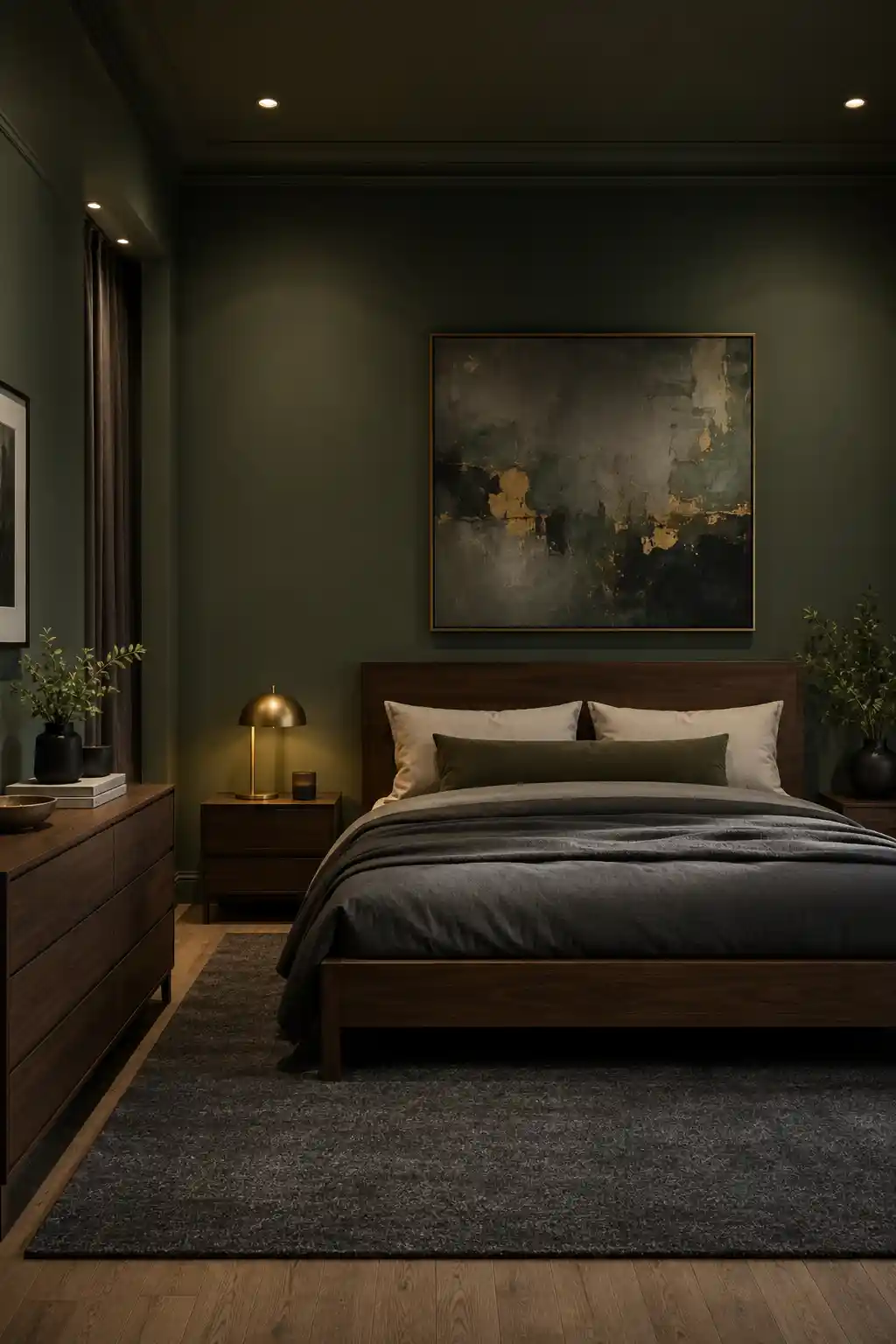
While light sage is airy, a deep, moody sage green can turn a bedroom into a sophisticated and intimate retreat. This darker saturation creates a sense of enclosure and security, which is often ideal for improving sleep quality. To prevent the room from feeling too dark, incorporate high-contrast accents. Brushed brass light fixtures, gold-framed mirrors, and light-colored artwork can break up the darkness and add a touch of luxury. Pairing dark sage with rich woods like walnut or mahogany enhances the organic feel while adding a level of maturity and elegance to the interior design.
Bright White and Sage Duo
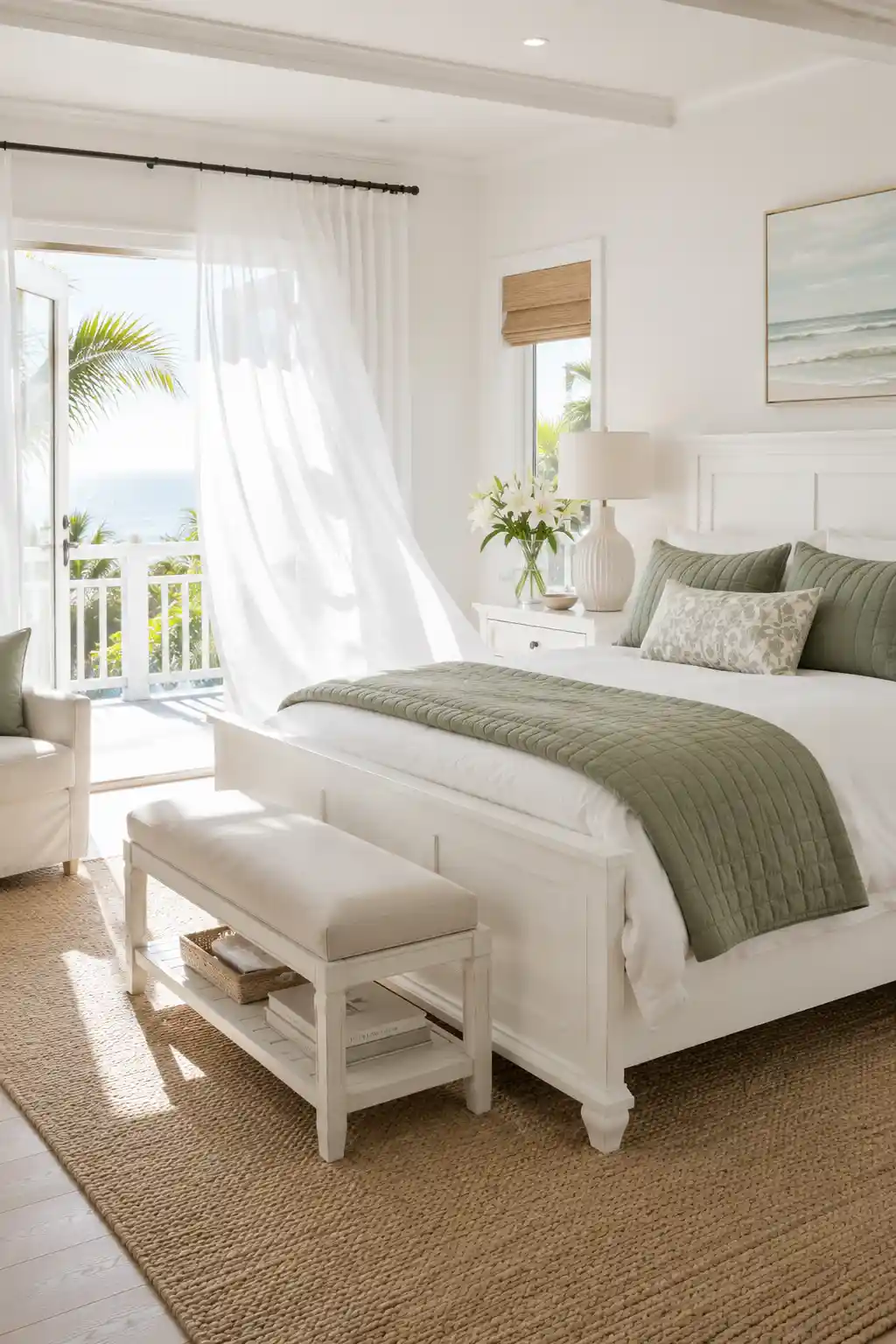
The combination of bright white and sage green is a classic pairing that evokes a sense of cleanliness and freshness. This palette is particularly effective in rooms that receive a lot of sunlight, as the white reflects the light while the sage provides a soft, grounding element. To execute this look, keep the walls and large furniture pieces white, and use sage green for the smaller details: throw pillows, a light blanket, or a few pieces of art. This approach creates a breathable environment that feels open and uncluttered, making it an excellent choice for those who want their bedroom to feel like a bright, uplifting escape.
Sage Green and Gold Glamour
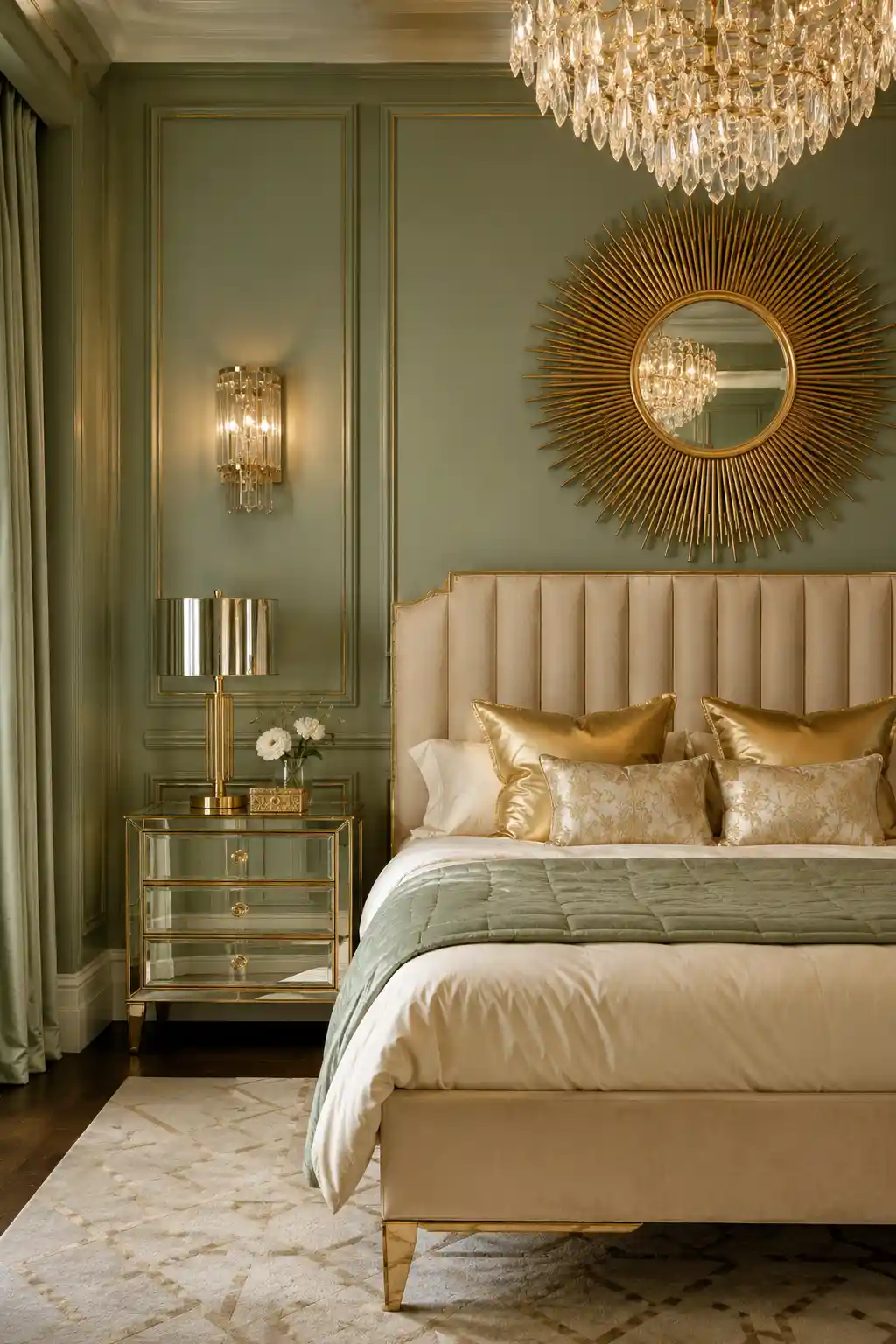
For a more sophisticated and glamorous aesthetic, pair sage green with gold or brass accents. The warmth of the gold perfectly complements the cool undertones of the sage, creating a balanced and high-end look. You can introduce gold through lighting fixtures, picture frames, or even the legs of your furniture. To keep the room from feeling too formal, soften the metallic edges with plush textures like a cream-colored faux fur rug or silk curtains. This blend of organic green and industrial gold results in a bedroom that feels both curated and comfortable, blending modern luxury with natural serenity.
Rustic Sage Farmhouse Charm
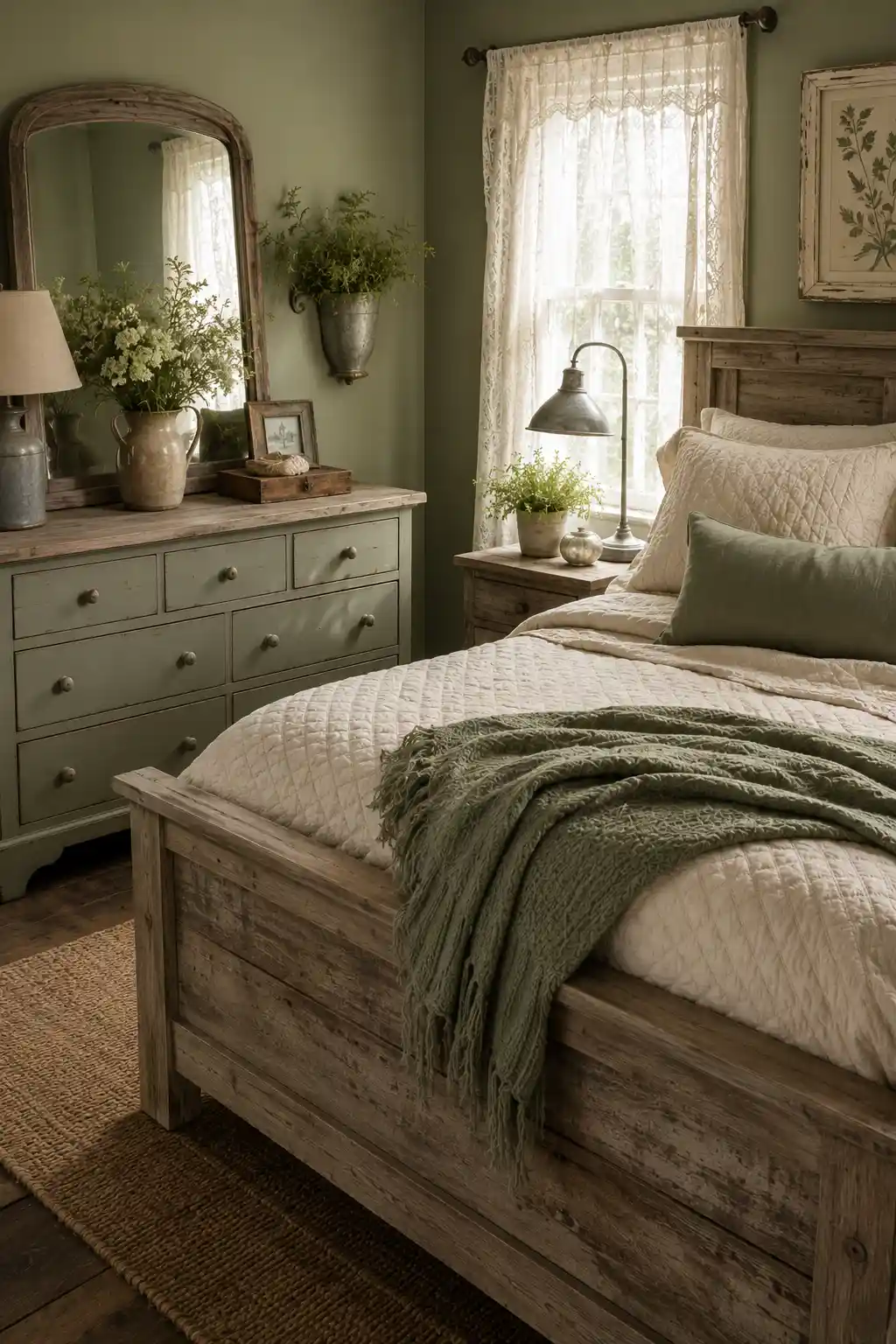
Sage green is a staple in farmhouse design because of its ability to feel both rustic and refined. When paired with reclaimed wood, weathered beams, and neutral textiles, sage evokes a sense of country living and timeless comfort. To achieve this look, consider painting your bedroom furniture, such as a dresser or nightstand, in a muted sage green with a matte finish. Pair this with a heavy quilted bedspread and natural fiber rugs. The key to the rustic sage look is avoiding anything too glossy or polished; instead, embrace the beauty of natural imperfections and organic textures.
Soft Pastel Sage Palette

A pastel sage palette is ideal for those who want the calming effects of green without the intensity of a saturated hue. This light, almost grey-green shade creates a dreamy, ethereal atmosphere that is incredibly soothing. To maximize this effect, use a monochromatic approach by layering different tints of pastel sage throughout the room. Pair a pale sage wall with mint-colored pillows and an off-white rug. Incorporating soft textures like bouclé or tulle adds to the gentle vibe, making the room feel like a cloud. This palette is perfect for creating a space that feels visually light and mentally quiet.
Textural Sage Green Curtains
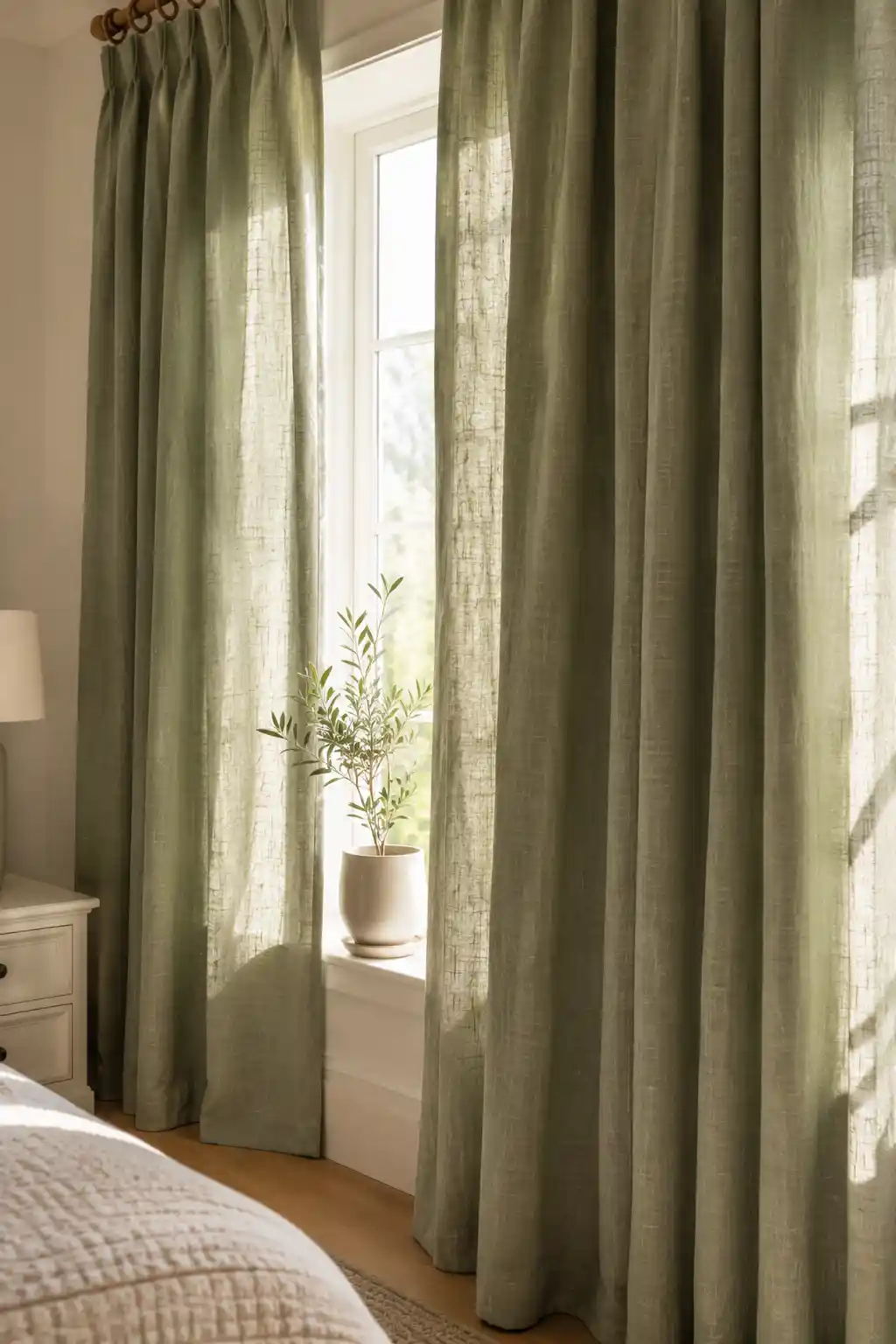
Curtains are an often-overlooked opportunity to introduce color into a bedroom. Sage green curtains can act as a soft frame for your windows, adding a layer of warmth and privacy. Depending on the fabric you choose, you can change the entire mood of the room; heavy velvet curtains in sage create a sense of luxury and warmth, while sheer linen curtains offer a breezy, coastal feel. When using colored curtains, keep the rest of the window treatment simple. A matching sage green valance or a simple white sheer underneath can add depth, making the window a beautiful architectural feature of the room.
Mid-Century Modern Sage
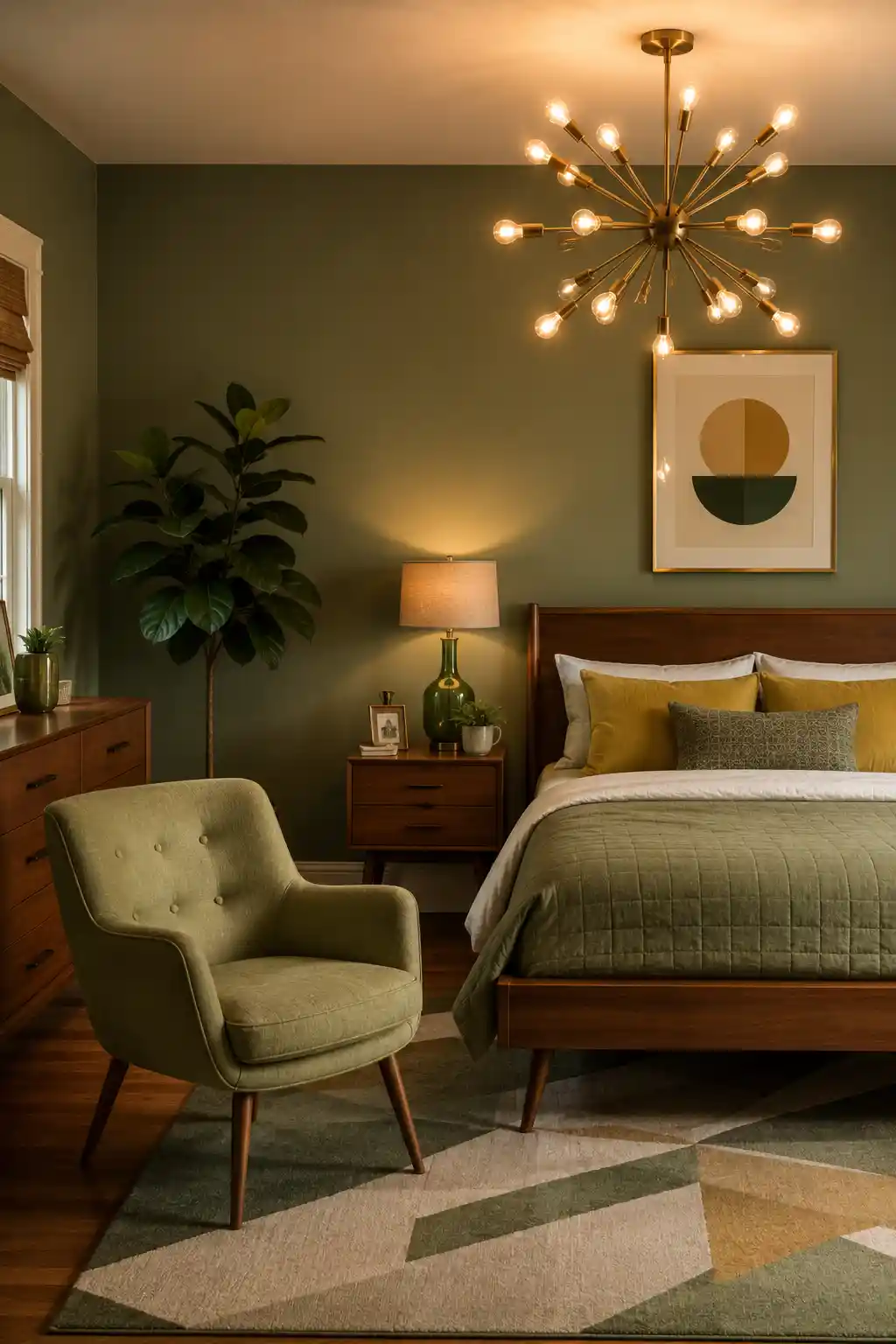
Sage green fits perfectly within the Mid-Century Modern aesthetic, especially when paired with the rich, warm tones of walnut wood. To achieve this look, focus on clean lines and functional furniture. A sage green upholstered accent chair or a vintage-style dresser provides the perfect pop of color against a neutral backdrop. To add more visual interest, incorporate a secondary accent color like mustard yellow or burnt orange in the form of a throw pillow or a geometric rug. This combination creates a space that feels curated and timeless, blending 1950s sophistication with a modern, calming color palette.
Sage and Terracotta Earth Tones

For a palette that feels deeply grounded and organic, pair sage green with terracotta. These two colors are complementary on the color wheel, meaning they naturally balance each other out—the coolness of the sage tempers the heat of the terracotta. This combination is reminiscent of Mediterranean landscapes and brings a warm, sunny energy to the bedroom. You can introduce terracotta through ceramic lamps, clay pots for indoor plants, or a woven rug. The result is a space that feels earthy and welcoming, providing a sense of stability and warmth that is perfect for a cozy evening retreat.
Minimalist Monochrome Sage

Monochromatic design involves using different shades and tints of a single color to create a cohesive look. In a sage green bedroom, this means layering various tones—from a pale mint on the walls to a medium sage on the duvet and a deep forest-sage on the accent pillows. This approach creates a sophisticated, high-design feel without the need for contrasting colors. The key to making monochrome work is varying the textures; use a mix of matte paint, chunky knits, and smooth silks to ensure the room doesn’t feel flat. The result is a serene, Zen-like environment that minimizes visual noise.
Layered Sage Textures

The secret to a professional-looking bedroom is layering. When working with sage green, you can create a rich, inviting space by mixing different materials in the same color family. Start with a smooth linen base, add a velvet quilted coverlet, and top it off with a chunky wool knit throw in a darker shade of sage. This layering of textures adds visual weight and makes the bed look more luxurious and comfortable. Not only does this improve the aesthetics, but it also adds practical warmth during colder months, turning your bedroom into the ultimate cozy sanctuary.
The Unexpected Sage Ceiling
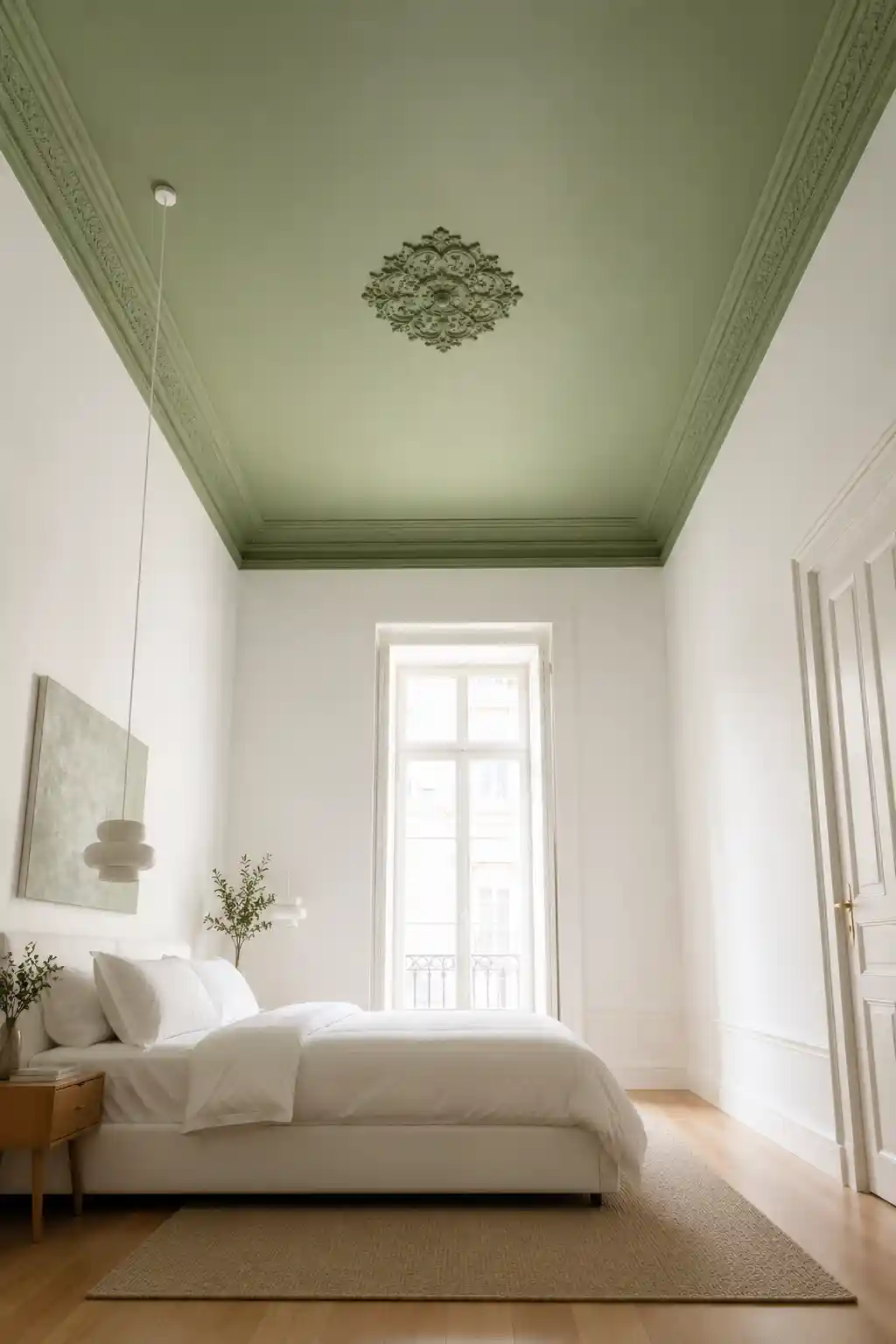
For those who want to make a bold design statement, consider painting the ceiling sage green. Often referred to as the ‘fifth wall,’ the ceiling is an untapped opportunity for color. Painting it sage green while keeping the walls white creates a unique architectural feel that draws the eye upward, making the room feel more dynamic. This technique works particularly well in rooms with high ceilings. To keep the look balanced, incorporate a few sage green accents on the floor or bed, such as a small rug or a throw pillow, to tie the top of the room to the bottom.
Bohemian Sage Eclecticism
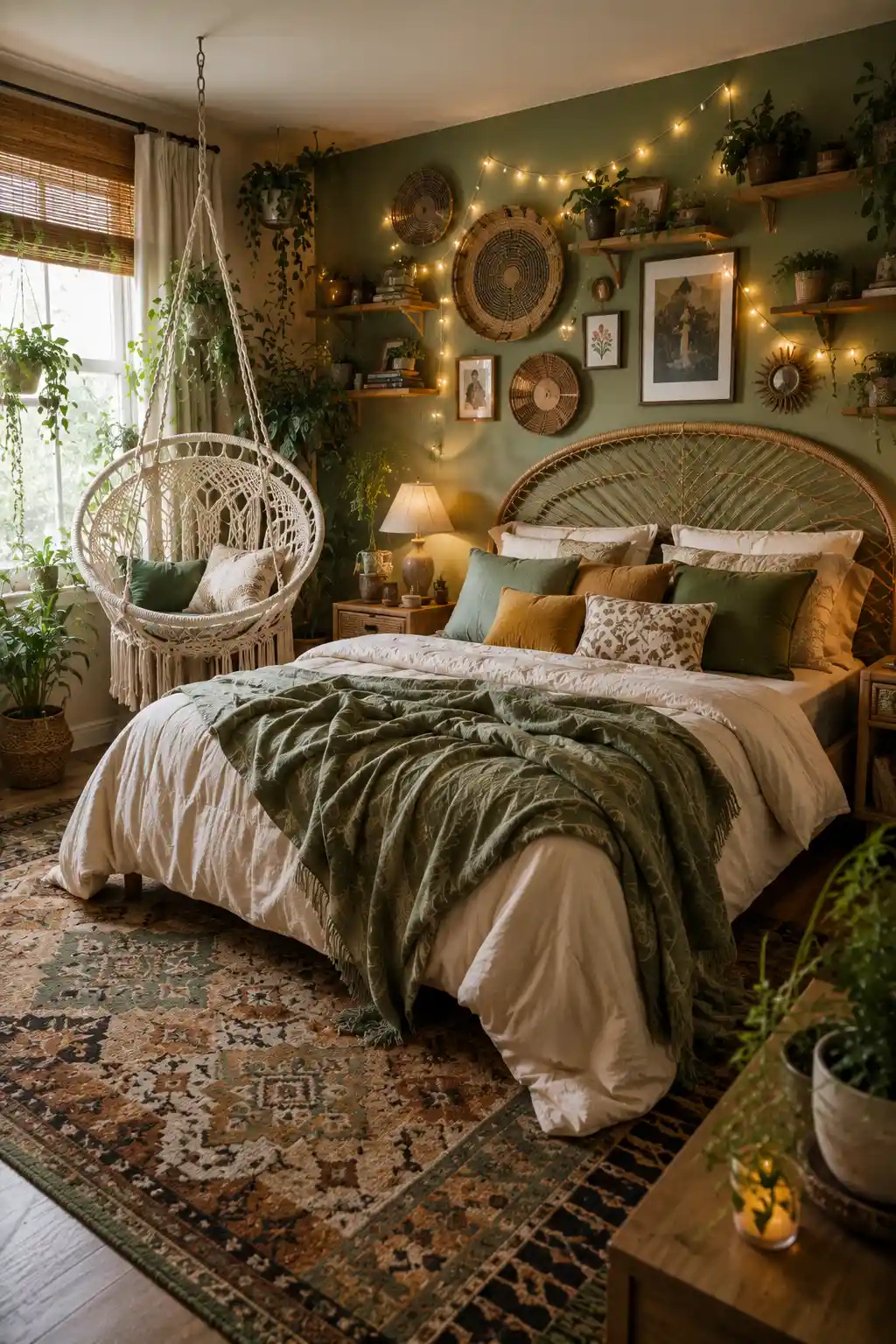
A bohemian approach to sage green is all about freedom and expression. Instead of following strict rules, mix sage green with a variety of patterns, textures, and global influences. Pair a sage green duvet with a colorful kilim rug, a rattan bed frame, and plenty of live greenery like monsteras or pothos plants. The natural green of the plants blends perfectly with the sage tones, creating a lush, jungle-like vibe. Add elements like macrame wall hangings and warm fairy lights to enhance the cozy, whimsical atmosphere. This style is perfect for those who want their bedroom to reflect their personality and love for travel and art.